Navigating Urban Environments: Essential Scooter & Skateboard Safety in Mixed Traffic
Master scooter and skateboard safety in busy urban settings. Learn crucial strategies for navigating mixed traffic, sharing the road, and preventing accidents.
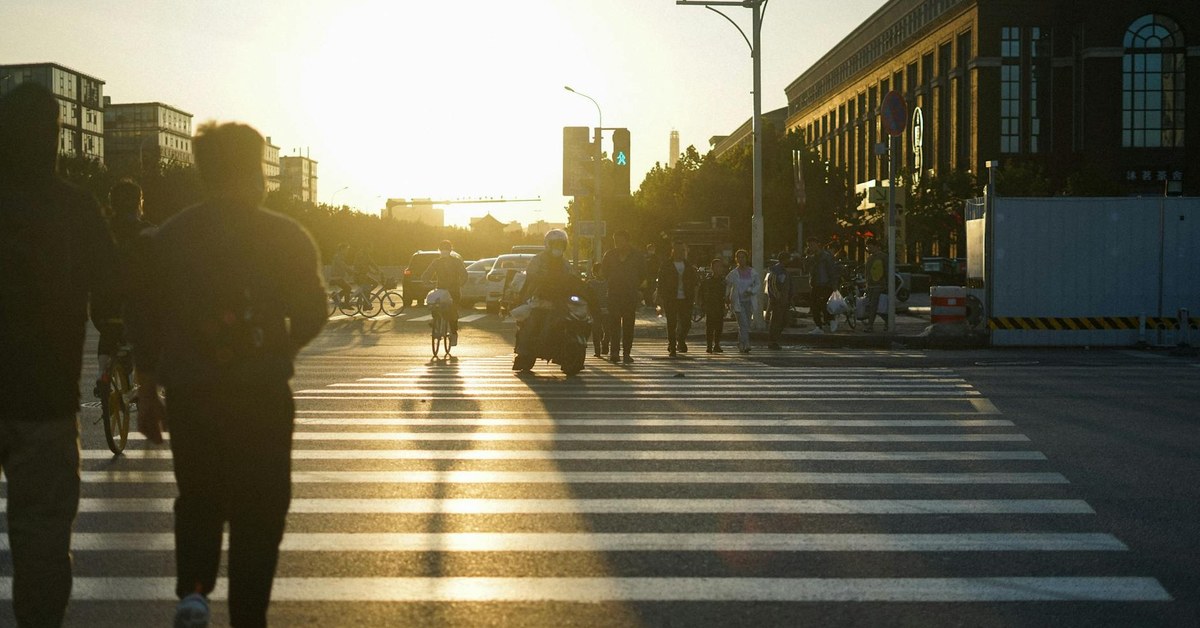

Navigating Urban Environments: Essential Scooter & Skateboard Safety in Mixed Traffic
“Master scooter and skateboard safety in busy urban settings. Learn crucial strategies for navigating mixed traffic, sharing the road, and preventing accidents.”
Navigating busy cityscapes on a scooter or skateboard offers freedom and convenience, but it also presents unique challenges, particularly when sharing space with pedestrians, cyclists, and motor vehicles. Mastering urban scooter skateboard safety is not merely about avoiding accidents; it is about cultivating a proactive mindset, understanding traffic dynamics, and consistently applying defensive riding techniques to ensure the wellbeing of everyone on the road. This comprehensive guide provides crucial strategies for safe travel in mixed traffic, helping riders of all ages develop the skills and awareness needed to thrive in bustling urban settings.
Understanding the Urban Landscape: Risks and Responsibilities
Urban environments are complex ecosystems where various modes of transport converge, each with different speeds, sizes, and blind spots. For scooter and skateboard riders, this means heightened vigilance is paramount. Recognising potential hazards and understanding your responsibilities as a road user are the first steps towards enhanced safety.
Identifying Common Urban Hazards
Cities present a myriad of obstacles that can quickly turn a pleasant ride into a dangerous situation. These include:
- Potholes and Uneven Surfaces: Small wheels are particularly vulnerable to road imperfections.
- Drain Covers and Grates: These can cause wheels to get stuck or lose traction.
- Pedestrian Traffic: Crowded pavements and unexpected movements require constant anticipation.
- Vehicle Blind Spots: Lorries, buses, and cars have significant areas where riders are invisible.
- Parked Cars: Opening doors can pose an immediate threat, as can vehicles pulling out suddenly.
- Construction Zones: Debris, uneven surfaces, and heavy machinery create unpredictable conditions.
- Weather Conditions: Rain, ice, and wet leaves drastically reduce traction and visibility.
A 2022 study by the European Transport Safety Council (ETSC) highlighted that e-scooter riders are significantly overrepresented in accident statistics compared to their mileage, often due to factors like poor road surface conditions and interaction with other vehicles.
Your Responsibilities as a Rider
As a participant in urban traffic, you bear responsibility for your own safety and the safety of others. This includes:
- Knowing Local Regulations: Laws regarding scooter and skateboard use vary significantly by region. Understand where you are permitted to ride (pavement, cycle lane, road) and any age restrictions or helmet mandates.
- Maintaining Control: Always ride within your skill level and maintain a speed that allows for immediate stops or evasive manoeuvres.
- Predicting Others’ Actions: Assume other road users may not see you or act predictably.
- Being Visible: Actively work to make yourself seen by others, especially in low light.
Key Takeaway: Urban environments are dynamic and unpredictable. Proactive hazard identification and a clear understanding of local regulations and personal responsibilities are fundamental to urban scooter skateboard safety.
Next Steps: Research local traffic laws for scooters and skateboards in your area. Conduct a mental audit of your regular routes to identify specific hazards.
Essential Gear and Equipment Checks for Every Ride
Before even setting foot on your scooter or skateboard, a thorough check of your equipment and ensuring you have the right safety gear is non-negotiable. This preventative measure significantly reduces the risk of mechanical failure and serious injury.
Personal Protective Equipment (PPE)
Investing in high-quality PPE is crucial for mitigating injury severity.
- Helmet: A properly fitting helmet is the single most important piece of safety gear. Look for helmets certified by recognised safety standards (e.g., EN 1078, CPSC, ASTM). A study published in the Journal of Neurosurgery: Pediatrics found that helmet use reduces the risk of head injury by 48% in scooter-related accidents. Ensure the helmet fits snugly, covers the forehead, and does not wobble.
- Knee and Elbow Pads: These protect joints from scrapes, fractures, and impact injuries, which are common in falls.
- Wrist Guards: Crucial for skateboarders and scooter riders, as falls often result in outstretched hands, leading to wrist fractures.
- Closed-Toe Shoes: Provide better grip on the board/deck and protect feet from impact. Avoid sandals or open-toed footwear.
- Reflective Clothing/Accessories: Especially important for riding in low light or at night. High-visibility vests, reflective strips on clothing, and bright colours significantly increase your visibility to drivers.
Scooter and Skateboard Maintenance
A well-maintained vehicle performs reliably. Before each ride, perform a quick inspection:
- Brakes: Test both front and rear brakes (if applicable) to ensure they are responsive and effective.
- Tyres: Check tyre pressure on scooters and for any signs of wear or damage. Ensure skateboard wheels spin freely and are not excessively worn.
- Bearings: Listen for unusual noises and ensure smooth wheel rotation.
- Deck/Frame: Inspect for cracks, loose parts, or structural damage.
- Lights (Scooters): Ensure headlights and taillights are functional and fully charged for night riding.
“Regular maintenance is not just about extending the life of your equipment; it’s a critical safety measure that prevents unexpected failures,” advises a mechanical safety engineer. “A loose bolt or worn tyre can have severe consequences at speed.”
Next Steps: Purchase any missing PPE. Establish a routine pre-ride checklist for your scooter or skateboard.
Defensive Riding Techniques for Mixed Traffic
Defensive riding is a mindset of anticipating potential dangers and proactively taking steps to avoid them. When sharing the road, particularly in city traffic, this approach is vital for shared road safety scooters and skateboards.
Positioning and Visibility
Your position on the road directly impacts your visibility and safety.
- Ride Predictably: Avoid sudden swerving or erratic movements. Ride in a straight line when possible.
- Maintain a Safe Distance: Keep ample space between yourself and other vehicles, pedestrians, and parked cars. This provides reaction time for sudden stops or changes in direction.
- “Door Zone” Awareness: When riding alongside parked cars, stay at least one metre away to avoid suddenly opening doors.
- “Lane Positioning”: In areas where you share the road with cars, consider taking a more visible lane position, similar to a cyclist. This means riding further from the kerb, making it clear to drivers that you are a vehicle on the road, not an object to be squeezed past. This is particularly relevant for skateboarding city traffic.
Scanning and Anticipation
Your eyes are your primary safety tool.
- Constant Scanning: Continuously scan 360 degrees around you – front, back, and sides. Check mirrors of parked cars and lorries for signs of movement.
- Look Ahead: Identify potential hazards well in advance, such as pedestrians waiting to cross, cars indicating turns, or roadworks.
- Anticipate Driver Behaviour: Assume drivers may not see you. Make eye contact if possible, especially at junctions. Be prepared for vehicles to turn without signalling or for pedestrians to step into the road unexpectedly.
- Listen Actively: Pay attention to traffic sounds, horns, and engine noises that might indicate approaching vehicles or hazards you haven’t seen yet. Avoid wearing headphones that block out ambient sounds.
Speed Management
Appropriate speed is critical for control and reaction time.
- Adjust to Conditions: Reduce speed in congested areas, near schools, in adverse weather, or on uneven surfaces.
- Control Your Descent: When going downhill, use your brakes to maintain a manageable speed. Over-speeding downhill reduces braking effectiveness and control.
- Be Prepared to Stop: Always ride at a speed that allows you to stop safely within the visible distance ahead.
“The greatest asset a rider possesses is their ability to anticipate and react,” states a spokesperson for the Royal Society for the Prevention of Accidents (RoSPA). “Maintaining a safe speed and constantly scanning your surroundings buys you precious seconds to avoid an incident.”
Next Steps: Practice maintaining consistent lane positioning on quiet roads. Develop a habit of 360-degree scanning during your rides.
Navigating Intersections and Crossings
Intersections are high-risk areas where different traffic flows converge. Mastering their navigation is crucial for urban scooter skateboard safety.
Approaching and Entering Intersections
- Slow Down: Always reduce your speed significantly when approaching an intersection, regardless of whether you have the right of way.
- Look Left, Right, Left: This classic safety mantra applies universally. Check for traffic from all directions multiple times.
- Make Eye Contact: Try to make eye contact with drivers, cyclists, and pedestrians to confirm they have seen you.
- Signal Your Intentions: Use clear hand signals for turns, even if you are on a scooter with indicators. For skateboarders, clear body language can indicate direction.
- Wait for Clear Gaps: Never assume you have the right of way. Wait for a clear, safe gap in traffic before proceeding.
Pedestrian Crossings and Shared Paths
- Yield to Pedestrians: Always give way to pedestrians at designated crossings.
- Disembark if Necessary: At very busy crossings or where visibility is poor, it is often safest to dismount your scooter or skateboard and walk across with pedestrians.
- Shared Paths Etiquette: If riding on a shared-use path, maintain a slow speed, be prepared to stop, and give audible warnings (e.g., “on your left”) when passing others. The National Cycle Network, managed by Sustrans, advocates for bell use and clear communication on shared paths.
Roundabouts
Roundabouts can be particularly challenging due to multiple entry and exit points and varying vehicle speeds.
- Approach with Caution: Slow down and assess the traffic flow within the roundabout.
- Signal Clearly: Indicate your intended exit before entering.
- Take Your Lane: Enter the roundabout and position yourself clearly in the appropriate lane, making yourself visible to drivers. Do not hug the kerb, as this encourages vehicles to cut you off.
- Be Decisive: Once you have a clear path, proceed confidently but remain alert for unexpected movements from other vehicles.
Key Takeaway: Intersections and crossings demand maximum vigilance and clear communication. Prioritise caution, yield appropriately, and make your intentions unambiguous to other road users.
Next Steps: Practice navigating a familiar, less busy intersection using the recommended techniques. Consider walking your scooter/skateboard across complex junctions initially.
Communicating with Other Road Users
Effective communication is a cornerstone of defensive riding e-scooter and skateboard practices. It helps prevent misunderstandings and increases your safety.
Visual Communication
- Eye Contact: As mentioned, making eye contact with drivers and pedestrians can confirm mutual awareness.
- Hand Signals: Learn and use standard hand signals for turning left, turning right, and stopping. Even if your scooter has electric indicators, hand signals provide an additional, often clearer, visual cue.
- Head Movements: A quick glance over your shoulder before changing position can signal your intention to check for traffic.
- Reflectives and Lights: Especially at night or in low light, reflective clothing and functioning lights are your primary visual communicators. A 2023 report by the UN Road Safety Fund found that improved visibility technologies could reduce nighttime pedestrian and cyclist fatalities by up to 20%.
Audible Communication
- Bell/Horn: A bell on a scooter is an effective way to alert pedestrians or other riders on shared paths. Use it judiciously and politely, not aggressively. Skateboarders can use their voice.
- Voice: A clear “excuse me” or “on your left” can be invaluable when passing pedestrians or cyclists.
- Avoid Distractions: Refrain from using headphones that block out ambient noise, as audible cues from traffic are crucial for safety.
Predicting and Responding
- Observe Body Language: Look for cues from pedestrians (e.g., looking over their shoulder, stepping towards the kerb) or drivers (e.g., turning their head, vehicle wheels turning) that might indicate an impending action.
- Assume the Worst: Always assume that other road users have not seen you or will not act in your best interest. This prepares you to react quickly.
- Be Patient: Rushing through traffic or forcing your way can lead to dangerous situations. Patience allows for safer decision-making.
“Clear, unambiguous communication closes the gap of uncertainty on the road,” says a cycling safety advocate. “Whether it’s a hand signal, a bell, or a glance, it helps others anticipate your movements and react safely.”
Next Steps: Practice using hand signals consistently, even on quiet rides. Consider adding a bell to your scooter if it doesn’t have one.
Age-Specific Considerations for Urban Riding
Safety guidelines must adapt to the rider’s age, developmental stage, and experience level. What is appropriate for a teenager might be dangerous for a younger child.
Children (Under 10 years old)
Younger children often lack the cognitive development for complex traffic assessment.
- Pavement Riding (where permitted): Children this age should generally ride on pavements or in designated safe zones, always supervised.
- Traffic Sense: They are still developing peripheral vision, depth perception, and the ability to judge speed and distance. They may not fully grasp the concept of vehicle blind spots or the speed of approaching traffic.
- Supervision is Key: Direct adult supervision is essential, with adults walking alongside or slightly ahead.
- Focus on Basic Skills: Teach them basic control, braking, and turning in a safe, traffic-free environment.
- Visibility: Ensure they wear bright clothing and reflective gear at all times.
Pre-Teens and Early Teens (10-14 years old)
This age group begins to develop better traffic awareness but may still overestimate their abilities.
- Gradual Introduction to Quieter Roads: Under close supervision, they can begin to learn how to navigate very quiet residential streets or designated cycle paths.
- Reinforce Rules: Continuously reinforce traffic laws, defensive riding techniques, and the importance of helmets and other PPE.
- Hazard Perception Training: Engage them in discussions about potential hazards and how to react. Ask “what if” scenarios.
- Peer Influence: Be aware that peer pressure might lead to riskier behaviour. Emphasise that safety is paramount.
Teenagers and Adults (15+ years old)
Riders in this age group are generally capable of independent riding, but ongoing education and responsible choices remain vital.
- Advanced Defensive Riding: Focus on honing advanced skills like lane positioning, effective communication, and anticipating complex traffic scenarios.
- E-Scooter Specifics: For e-scooters, discuss the added considerations of speed, battery life, and the importance of checking local regulations, which often differ for motorised vs. non-motorised devices.
- Consequences of Risk-Taking: Reinforce the serious consequences of riding under the influence of drugs or alcohol, distracted riding (e.g., using phones), or ignoring traffic laws.
- Role Modelling: Adults who ride should consistently demonstrate safe practices to set a positive example.
The World Health Organisation (WHO) estimates that road traffic injuries are the leading cause of death for children and young adults aged 5-29 years, underscoring the critical need for age-appropriate road safety education.
Next Steps: Tailor safety discussions and practice sessions to the specific age and experience level of the rider. Regularly review and update safety knowledge.
Emergency Preparedness and First Aid
Even with the best safety practices, accidents can happen. Being prepared for an emergency can significantly improve outcomes.
What to Do in Case of an Accident
- Assess the Situation: First, check yourself and anyone else involved for injuries.
- Ensure Safety: If possible, move to a safe location away from traffic.
- Call for Help:
- Emergency Services: Dial the local emergency number (e.g., 999 in the UK, 112 in Europe, 911 in North America) if there are serious injuries, significant property damage, or if you feel unsafe.
- Family/Friends: Contact a trusted person to inform them of the situation.
- Exchange Information: If another party is involved, exchange contact details, vehicle information (if applicable), and insurance details.
- Document the Scene: Take photos of the accident scene, any damage, and road conditions. Note the time, date, and location.
- Seek Medical Attention: Even if injuries seem minor, get checked by a medical professional. Adrenaline can mask pain.
Basic First Aid Knowledge
Knowing basic first aid can be invaluable. Consider taking a certified first aid course. Key areas include:
- Treating Cuts and Scrapes: Clean wounds, apply antiseptic, and cover with a sterile dressing.
- Managing Sprains and Fractures: Immobilise the injured area, apply ice, and seek medical attention.
- Recognising Head Injuries: Be aware of symptoms like dizziness, confusion, nausea, or loss of consciousness. Assume a head injury if there’s any doubt and seek immediate medical help.
- Carrying a Basic First Aid Kit: A small kit with plasters, antiseptic wipes, pain relievers, and bandages can be useful for minor injuries.
Key Takeaway: Preparation for emergencies, including knowing how to respond to an accident and having basic first aid knowledge, is a crucial component of overall urban scooter skateboard safety.
Next Steps: Learn the local emergency number. Consider enrolling in a basic first aid course. Assemble a small, portable first aid kit.
The Role of Parents and Guardians
For younger riders, parents and guardians play a pivotal role in establishing and reinforcing safe riding habits. Their guidance and example are fundamental to a child’s urban scooter skateboard safety.
Education and Training
- Lead by Example: Always wear a helmet and follow traffic rules when riding with your child.
- Structured Learning: Don’t just tell; show and practice. Start in safe, traffic-free areas, gradually introducing more complex scenarios.
- Continuous Reinforcement: Regularly discuss road safety, review potential hazards, and praise safe riding behaviour.
- Helmet Fitting: Ensure helmets are correctly fitted and worn every time. A poorly fitted helmet offers minimal protection.
- Gear Checks: Teach children how to perform basic pre-ride checks on their equipment.
Setting Boundaries and Rules
- Designated Riding Areas: Clearly define where children are allowed to ride (e.g., only on quiet residential streets, within a park, on designated cycle paths).
- Time Restrictions: Set limits on when they can ride, especially avoiding dusk and night-time without proper lighting and reflective gear.
- Buddy System: Encourage children to ride with a friend or an adult, especially when exploring new routes.
- No Distractions: Emphasise the rule of no mobile phones or headphones that block out ambient sound while riding.
- Consequences: Establish clear consequences for breaking safety rules, reinforcing their importance.
Advocating for Safer Infrastructure
Parents can also contribute to broader community safety by:
- Reporting Hazards: Inform local authorities about dangerous potholes, broken pavements, or inadequate signage.
- Supporting Local Initiatives: Get involved with local groups advocating for improved cycle lanes, safer crossings, and traffic calming measures.
- Educating Others: Share safety information with other parents and community members.
“Parental involvement is the bedrock of child road safety,” states a representative from UNICEF. “From teaching foundational skills to advocating for safer environments, their influence is unmatched in fostering responsible young riders.”
Next Steps: Schedule regular safety talks with your children. Actively check their equipment and ensure proper helmet fit before each ride. Get involved in local road safety initiatives.
What to Do Next
- Review Local Regulations: Familiarise yourself with specific laws and guidelines for scooters and skateboards in your city or region.
- Conduct an Equipment Audit: Ensure all helmets, pads, and your scooter/skateboard are in excellent condition and properly fitted. Replace any worn or damaged items.
- Practice Defensive Riding: Dedicate time to practising scanning, signalling, and maintaining safe lane positions in a controlled environment before venturing into mixed traffic.
- Discuss Age-Appropriate Safety: Engage in conversations about urban safety with children and teenagers, tailoring advice to their specific age and experience level.
- Prepare for Emergencies: Learn your local emergency number and consider taking a basic first aid course to be ready for unforeseen incidents.
Sources and Further Reading
- World Health Organisation (WHO) – Road Safety: https://www.who.int/news-room/fact-sheets/detail/road-traffic-injuries
- Royal Society for the Prevention of Accidents (RoSPA) – Cycling and Scooter Safety: https://www.rospa.com/leisure-safety/advice/cycling
- UNICEF – Child Road Safety: https://www.unicef.org/transport/road-safety
- European Transport Safety Council (ETSC) – E-Scooter Safety: https://etsc.eu/
- Sustrans – National Cycle Network: https://www.sustrans.org.uk/
- Journal of Neurosurgery: Pediatrics – Helmet Effectiveness in Scooter Accidents (search for relevant articles on their site).
- UN Road Safety Fund – Visibility Technology Reports (search for relevant reports on their site).
[INTERNAL: General Road Safety for Families] [INTERNAL: Choosing the Right Helmet for Children]