Urban Scooter & Skateboard Safety: Navigating Shared Paths and Intersections with Pedestrians and Cyclists
Master urban scooter and skateboard safety. Learn essential tips for navigating shared paths and intersections safely, preventing conflicts with pedestrians and cyclists.

Urban Scooter & Skateboard Safety: Navigating Shared Paths and Intersections with Pedestrians and Cyclists
“Master urban scooter and skateboard safety. Learn essential tips for navigating shared paths and intersections safely, preventing conflicts with pedestrians and cyclists.”
As cities evolve, micro-mobility options like scooters and skateboards offer convenient and eco-friendly ways to travel. However, sharing urban spaces effectively requires understanding and adherence to safety protocols. Mastering urban scooter skateboard shared path safety is crucial for preventing accidents and fostering harmonious coexistence with pedestrians and cyclists, ensuring everyone can enjoy public spaces without undue risk.
Understanding the Urban Landscape: The Rise of Micro-Mobility
The proliferation of electric scooters and personal skateboards has transformed urban commuting. While these devices offer flexibility and reduce reliance on cars, their integration into existing infrastructure presents unique challenges. Shared paths, designed for a mix of users, often become points of conflict if riders are not mindful of others. Intersections, already complex for motorists and cyclists, become even more critical zones for micro-mobility users.
The World Health Organisation (WHO) highlights that road traffic injuries remain a leading cause of death globally, with vulnerable road users, including those on scooters and skateboards, disproportionately affected. According to a 2023 report from the WHO, vulnerable road users account for over half of all road traffic deaths. This underscores the importance of specific safety education for scooter and skateboard users.
“Responsible riders recognise that their actions impact everyone on shared paths,” explains a road safety advocate. “Awareness and respect are just as important as the physical skills of riding.”
Next Steps: Familiarise yourself with local regulations concerning micro-mobility devices. [INTERNAL: Understanding Local Micro-Mobility Laws]
Essential Safety Gear and Equipment Checks
Before setting out on any urban journey, proper preparation is paramount. Safety begins with the right gear and a quick check of your equipment.
Protective Gear
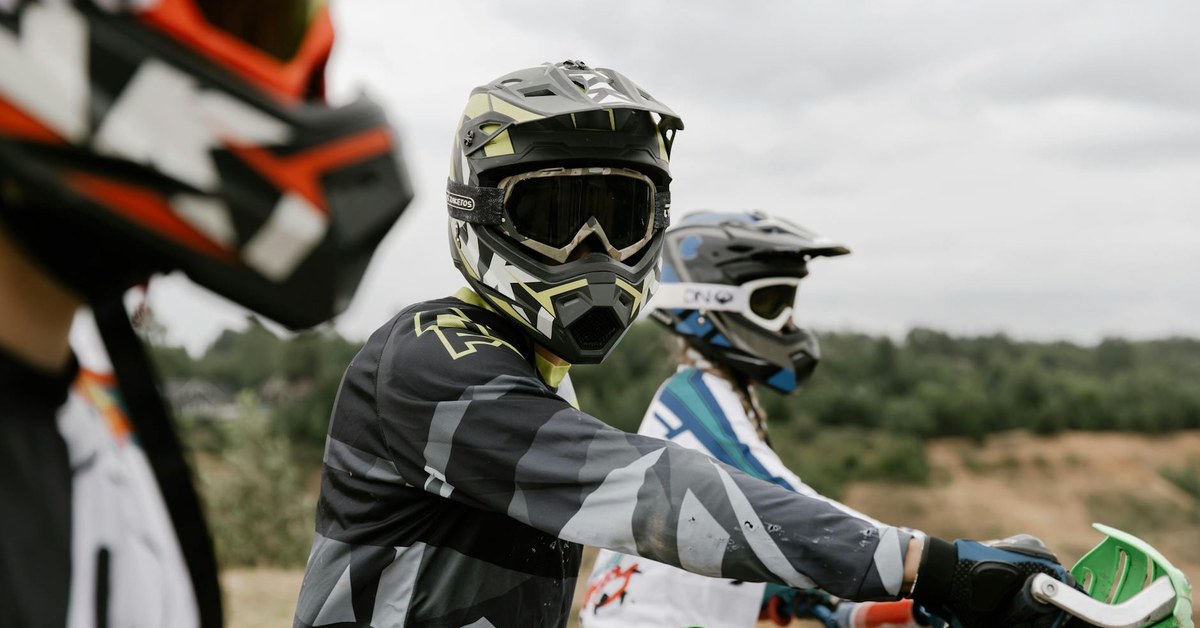
- Helmets: A properly fitted helmet is non-negotiable. It should meet recognised safety standards (e.g., CPSC, EN 1078). Helmets can reduce the risk of head injury by 48% and severe head injury by 60%, according to a meta-analysis published in the Journal of Injury Prevention.
- Knee and Elbow Pads: These protect joints from scrapes and fractures during falls, especially important for new riders or those attempting tricks.
- Wrist Guards: Falls often result in instinctively putting hands out, making wrist injuries common. Guards offer vital protection.
- High-Visibility Clothing: Especially crucial during dawn, dusk, or night-time. Bright colours and reflective materials make you more visible to others.
Equipment Pre-Ride Checks
Before every ride, quickly inspect your scooter or skateboard:
- Brakes: Test both front and rear brakes (if applicable) to ensure they are responsive and effective.
- Tyres/Wheels: Check for adequate tyre pressure on scooters and ensure skateboard wheels are free of debris and spin smoothly.
- Steering/Trucks: Ensure handlebars are secure and skateboard trucks are properly tightened.
- Lights and Reflectors: Verify that all lights (front and rear) are working and reflectors are clean and visible.
Key Takeaway: Always wear a helmet and conduct a thorough equipment check before riding. This significantly reduces the risk of injury and enhances your visibility to others.
Next Steps: Invest in high-quality, certified safety gear and make pre-ride checks a regular habit.
Rules of the Shared Path: Coexisting with Pedestrians and Cyclists
Shared paths are designed for various users, demanding a considerate approach from everyone. As a scooter or skateboard rider, your behaviour directly influences the safety and comfort of others.
Speed and Control
Maintain a speed that allows you to react safely to unexpected obstacles, pedestrians, or cyclists. On busy shared paths, this often means reducing your pace significantly. The National Cycle Network, managed by Sustrans in the UK, advises cyclists to “go at a speed appropriate for the conditions and the presence of other users.” This advice applies equally to scooter and skateboard users.
Awareness and Communication
- Scan Ahead: Constantly look far ahead to anticipate potential hazards and movements of other path users. Avoid distractions like mobile phones or headphones that block ambient sounds.
- Audible Warnings: Use a bell or a clear, polite verbal warning (“Excuse me,” “Passing on your left”) when approaching pedestrians or slower cyclists from behind. Announce your presence well in advance, giving others time to react.
- Eye Contact: Make eye contact with pedestrians and cyclists at intersections or when navigating busy areas to confirm mutual awareness.
Passing Etiquette
When passing, always do so safely and considerately:
- Pass on the Right (or as per local convention): In countries that drive on the left, pass on the right. In countries that drive on the right, pass on the left. Always confirm local rules.
- Allow Ample Space: Give pedestrians and cyclists plenty of room, at least an arm’s length, when passing.
- Reduce Speed: Slow down significantly when passing, especially children or pets.
- Avoid Weaving: Ride in a predictable, straight line. Sudden swerving can startle others and lead to collisions.
Next Steps: Practise maintaining a steady, moderate speed and using clear communication signals during your rides.
Navigating Intersections Safely
Intersections are high-risk areas where different modes of transport converge. For scooter and skateboard users, extra vigilance is essential.
Approach with Caution
- Slow Down: Always reduce your speed as you approach an intersection, regardless of whether you have the right of way.
- Look Both Ways (and Again): Even if you have a green light or a clear path, always check for turning vehicles, pedestrians, or other users who might not see you.
- Assume You Are Unseen: A defensive riding mindset is critical. Many drivers and even pedestrians may not expect a fast-moving scooter or skateboard.
Signalling and Positioning
- Hand Signals: Use clear hand signals to indicate your intentions (turning left, turning right, stopping). This communicates your movements to drivers, cyclists, and pedestrians.
- Predictable Path: Ride in a predictable line. Do not weave between lanes or through traffic.
- Visibility: Position yourself where you can be seen by drivers. Avoid “blind spots” near large vehicles.
“At intersections, the golden rule is ‘see and be seen’,” advises a community safety officer. “Make your intentions clear and confirm others have seen you before proceeding.”
Next Steps: Rehearse hand signals and make a conscious effort to slow down and scan thoroughly at every intersection.
Preventing Conflicts: Pedestrian and Cyclist Coexistence
The key to preventing conflicts is mutual respect and understanding of different user needs.
For Pedestrians
- Yield to Pedestrians: Pedestrians generally have the right of way on shared paths. Always yield to them, slow down, or stop if necessary.
- Maintain Distance: Avoid riding too close to pedestrians, especially those with children or pets.
- Be Patient: Wait for clear openings rather than trying to squeeze past.
For Cyclists
- Understand Speed Differences: Cyclists can often travel faster than scooters or skateboards. Be aware of their approach and allow them space to pass safely.
- Follow Traffic Flow: On shared paths, maintain your position and avoid sudden changes in direction that might surprise cyclists.
- Use Shared Infrastructure Wisely: Some areas have separate lanes for pedestrians and cyclists; respect these designations.
Data on Conflict Prevention
A study by the European Transport Safety Council (ETSC) in 2021 noted that a significant percentage of micro-mobility accidents involved collisions with pedestrians or other vehicles, often due to a lack of awareness or appropriate infrastructure. Implementing clear rules and educating users on shared space etiquette can dramatically reduce these incidents. For example, cities that have implemented speed limits for scooters on shared paths have reported a 15-20% decrease in pedestrian-scooter collisions.
Next Steps: Consciously practise yielding to pedestrians and giving ample space to cyclists during your rides.
Age-Specific Guidance for Urban Scooter and Skateboard Safety
Safety advice should be tailored to the rider’s age and developmental stage.
Children (Ages 5-10)
- Supervision: Children in this age group should always be supervised by an adult, especially when riding on shared paths or near roads.
- Designated Areas: Encourage riding in parks, driveways, or quiet, traffic-free areas. Avoid busy shared paths and intersections.
- Basic Skills: Focus on mastering balance, steering, and braking in a safe environment before introducing them to more complex shared spaces.
- Full Protective Gear: Helmets, knee, elbow, and wrist guards are essential.
Pre-Teens and Early Teens (Ages 11-15)
- Gradual Introduction: Begin with less crowded shared paths and gradually introduce them to more complex environments.
- Rules of the Road: Teach them comprehensive rules for shared paths and basic road safety, including signalling and understanding traffic signs.
- Increased Awareness: Emphasise the importance of being alert to their surroundings, avoiding distractions, and predicting the actions of others.
- Peer Influence: Discuss the importance of making safe choices even when riding with friends.
Older Teens and Adults (Ages 16+)
- Advanced Urban Navigation: Focus on advanced defensive riding techniques, understanding complex intersections, and anticipating driver behaviour.
- Legal Compliance: Ensure full understanding and adherence to local laws and regulations regarding micro-mobility devices, including any age restrictions or licensing requirements.
- Role Modelling: Adults and older teens should set a positive example for younger riders through their safe riding practices.
- Night Riding: If riding at night, ensure excellent visibility with bright lights (front and rear) and reflective clothing.
Next Steps: Assess the rider’s age and skill level, then apply the appropriate safety guidelines and supervision.
What to Do Next
- Review Local Regulations: Research and understand your specific city or region’s laws concerning scooters and skateboards on shared paths and roads.
- Equip Safely: Purchase and consistently wear appropriate safety gear, prioritising a certified helmet and high-visibility accessories.
- Practise Defensive Riding: Regularly practise scanning your surroundings, signalling intentions, and maintaining a moderate, controlled speed, especially on shared paths.
- Educate Others: Share these safety tips with family and friends who use micro-mobility devices to foster a safer community.
- Report Hazards: If you encounter unsafe conditions on shared paths or intersections, report them to local authorities to improve infrastructure for all users.
Sources and Further Reading
- World Health Organisation (WHO): Global status report on road safety
- Sustrans: The National Cycle Network Code of Conduct
- Royal Society for the Prevention of Accidents (RoSPA): Cycling and Scooter Safety
- European Transport Safety Council (ETSC): Road Safety Performance Index (PIN) reports
- UNICEF: Child injury prevention resources