Water Safety: How to Stay Safe When Swimming, at the Beach,
Drowning is one of the leading causes of accidental death worldwide, and young adults are disproportionately represented in open water fatalities. Understanding water safety could save your life.

Water Safety: How to Stay Safe When Swimming, at the Beach,
“Drowning is one of the leading causes of accidental death worldwide, and young adults are disproportionately represented in open water fatalities. Understanding water safety could save your life.”
The Underestimated Danger of Water
Drowning is the third leading cause of unintentional injury death globally, claiming around 320,000 lives per year according to the World Health Organisation. Young adults, particularly young men, are significantly overrepresented in drowning statistics. Many drowning incidents among this age group occur in open water, often after alcohol consumption, and often in people who considered themselves capable swimmers. Understanding why open water is much more dangerous than a swimming pool, how cold water affects the body, and what to do in a water emergency are all important forms of practical safety knowledge.
Open Water Is Not a Swimming Pool
Swimming pools provide controlled conditions: the temperature is regulated, the depth is marked, the visibility is clear, and trained lifeguards are present. Open water environments, including rivers, lakes, reservoirs, the sea, quarries, and canals, are entirely different. The risks that make them more dangerous include the following.
Cold water shock: Natural water in most parts of the world is significantly colder than a swimming pool, often between 10 and 15 degrees Celsius and sometimes much colder. Entering cold water unexpectedly or suddenly triggers an involuntary gasp reflex, which can cause inhalation of water if the face is submerged at that moment. Cold water shock can also trigger cardiac arrhythmia and can impair swimming ability within minutes. Even a strong swimmer can become unable to swim effectively very quickly in cold water.
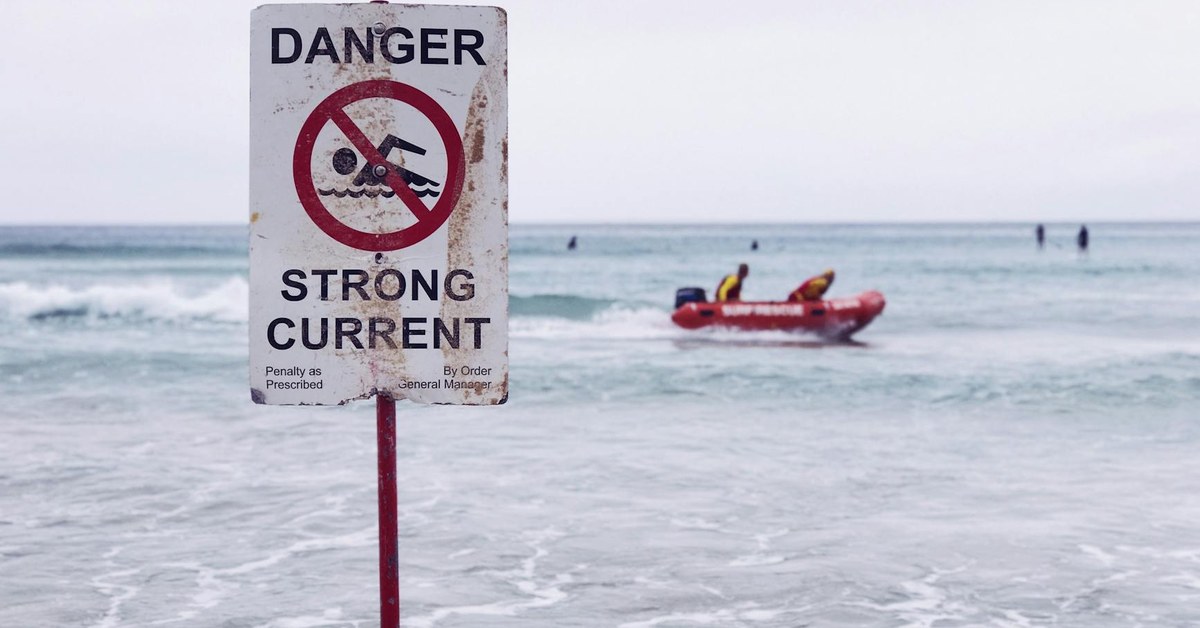
Currents and undertow: Rivers, tidal waters, and sea beaches all have currents that are invisible from above the surface. Rip currents at beaches can carry even strong swimmers away from shore rapidly. River currents can be far stronger than they appear, particularly after rainfall. These forces can overwhelm even experienced swimmers.
Weeds and underwater obstacles: In lakes, rivers, and canals, underwater vegetation can entangle swimmers' legs and trap them beneath the surface. Submerged rocks, structures, and debris create collision and entrapment hazards that are invisible until it is too late.
No lifeguard: Most open water locations have no lifeguard supervision. If someone gets into difficulty, response time is far longer than in a supervised pool, and the chances of survival decrease rapidly with each passing minute.
Distance and fatigue: It is easy to misjudge distances in open water. What looks like a short swim can be much further than it appears, and the same current that carries you away from shore can require significantly more effort to swim against on the return.
Alcohol and Water: A Dangerous Combination
A significant proportion of adult drowning incidents involve alcohol. Alcohol impairs judgement, reduces coordination and swimming ability, reduces cold water tolerance, and creates overconfidence that leads people to enter water they would not attempt sober. Swimming or engaging in water activities after drinking is strongly associated with drowning risk. This applies to seemingly safe activities like paddling and sitting near water, not just swimming, as a fall into water while intoxicated carries significant risk.
Beach Safety
When swimming in the sea, the most important safety decision you can make is to swim at a lifeguarded beach and to swim between the flags, which mark the safest area for swimmers. Lifeguarded beaches with flag systems exist in many countries and provide the best chance of rescue if something goes wrong.
If you are caught in a rip current, which pulls you away from shore in a strong, fast-moving channel, the instinct to swim directly back to shore against the current is typically the wrong response and leads to exhaustion. Instead, swim parallel to shore until you are out of the rip current channel, then swim diagonally back to shore with the waves. If you cannot escape, float calmly and signal for help. Most rip currents do not travel far before dissipating.
Be aware of tides. Tidal changes can strand people on cut-off beaches, rocks, or sand bars with surprising speed. Check tide times before exploring coastal areas and know your return route will remain passable.
Rivers, Lakes, and Reservoirs
Rivers are particularly dangerous for recreational swimming because their hazards, including strong currents, cold water, turbulence below the surface, and underwater obstacles, are completely invisible from the bank. Rivers that look calm on the surface can be moving very powerfully underneath. Water around weirs, where water flows over a ledge, creates a recirculating hydraulic effect that can trap and hold a swimmer underwater. These are among the most dangerous features in any river and should never be approached in the water.
Reservoirs are often extremely cold even in summer, as they are filled from deep underground sources. The cold water shock risk is particularly severe, and sudden death in apparently fit and strong people who enter reservoirs is unfortunately documented. Many reservoirs also have steep sides with no easy exit point if you get into difficulty.
What to Do in a Water Emergency
If you see someone in difficulty in water, the first instinct for many people is to jump in to help. This is almost always the wrong response unless you are a trained lifesaver, because an untrained person who jumps in to help a panicking swimmer is at very high risk of being pulled underwater by the panicking person. More rescuers die attempting untrained in-water rescues than are successfully helped by them.
The safer response is to reach, throw, or call before going. Reach to the person using a pole, rope, towel, or clothing while keeping yourself on dry land. Throw something that floats to them. Call emergency services immediately. Only enter the water yourself if you are a trained lifeguard or swift water rescue professional, or if no other option exists and someone is about to die.
If you are the person in difficulty in cold water, the priority is to fight the cold water shock response, resist the urge to swim hard, and float on your back to conserve energy while you wait for rescue or regain control. A technique called HELP, standing for Heat Escape Lessening Position, involves drawing your knees to your chest in a ball shape to slow heat loss while floating in a buoyancy aid.
Building Water Safety Awareness
Learning to swim to a basic competent level is one of the most important safety skills a young person can have, and adult swimming lessons are available in most countries for those who did not learn as children. Beyond swimming ability, water safety education, understanding currents, reading conditions, respecting cold water, and knowing the emergency response for water incidents, significantly reduces risk. Respecting water, even familiar water, is not timidity. It is a realistic assessment of a genuinely powerful natural force.