When Your Child Is the Bully
Discovering that your child has been bullying others is one of the most difficult moments a parent can face. This guide helps you understand what to do, how to talk to your child, and what genuinely helps children stop bullying behaviour.

When Your Child Is the Bully
“Discovering that your child has been bullying others is one of the most difficult moments a parent can face. This guide helps you understand what to do, how to talk to your child, and what genuinely helps children stop bullying behaviour.”
The Moment You Find Out
Being told that your child has been bullying another child is a shock for almost every parent. The instinctive responses vary: disbelief ("my child wouldn't do that"), defence ("I'm sure there's another side to this"), shame, or anger directed at your child. All of these responses are understandable. None of them, if they are the thing you lead with, will help.
What helps your child is a parent who can hold the discomfort of the news long enough to respond thoughtfully rather than reactively. This guide is designed to help you do that: to understand what is actually happening when a child bullies, to respond in a way that takes the concern seriously without crushing your child, and to put in place the kind of support that genuinely changes behaviour.
What Bullying Behaviour Actually Tells You
Children who bully others are not simply bad children. They are children who, for whatever reason, have found that using power over others meets some need. That need might be status among peers. It might be a sense of control in a life that feels chaotic or unpredictable elsewhere. It might be an attempt to manage their own feelings of inadequacy or anxiety. It might be that bullying behaviour has been modelled for them in their home environment or peer group and has never been clearly named as wrong.
This does not excuse bullying, and it does not mean the child who has been bullied does not matter. It means that the most effective response to bullying behaviour addresses the underlying dynamic rather than simply punishing the behaviour and hoping it stops. Punishment without understanding tends to suppress bullying in the immediate context while allowing it to continue or shift to different targets.
Research consistently shows that children who bully others at high rates are themselves at elevated risk of mental health difficulties, relationship problems, and involvement in criminal behaviour in adulthood. Intervening effectively in bullying behaviour is therefore as important for the child doing the bullying as it is for the child being bullied.
How to Talk to Your Child
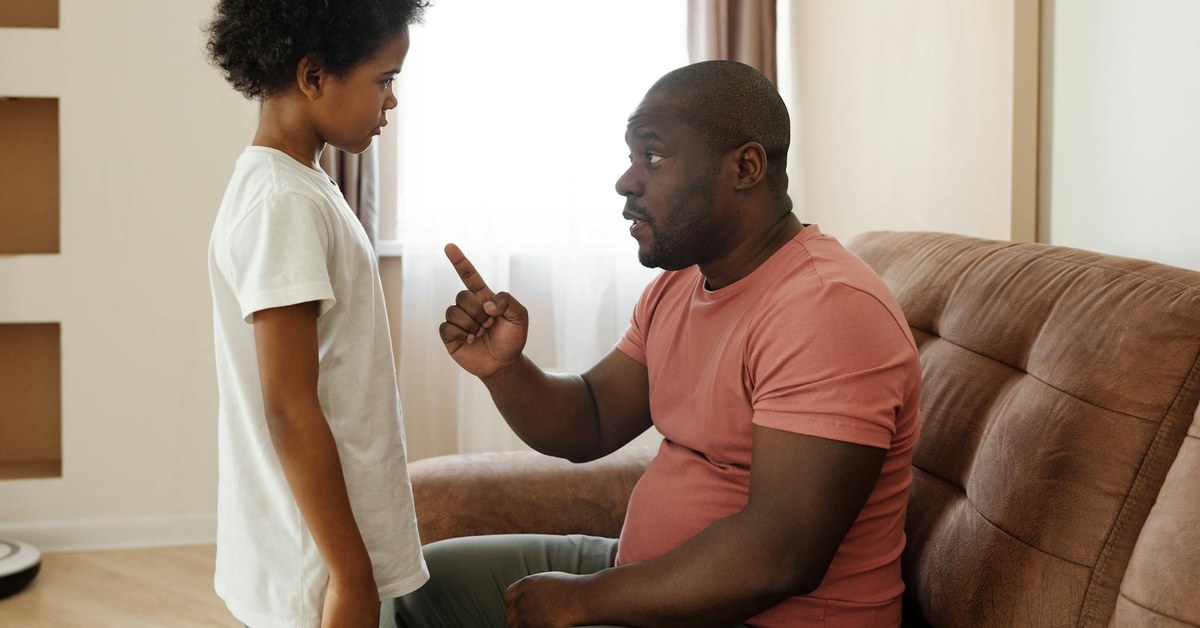
Begin the conversation when you are calm and when you have enough time for a proper discussion rather than a rushed exchange. Start by telling your child what you have been told, calmly and specifically, without embellishment or accusation. "I've been told by your teacher that you have been saying unkind things about Jayden to other children and excluding him from games. I'd like to understand what's been happening."
Listen to what your child says. They may minimise what has happened, claim it was mutual, or provide context that genuinely adds nuance. Take this seriously without using it to dismiss the concern. It is possible for a situation to be complicated and for your child's behaviour to still be wrong. These are not mutually exclusive.
Avoid shaming your child. There is a significant difference between "what you did was wrong and has hurt someone" (which addresses behaviour) and "you are a bully" or "I am so ashamed of you" (which attacks identity). Children who feel that their core identity is being condemned are less able to think clearly about their behaviour and less motivated to change it. Children who understand that they have behaved badly and are capable of doing better are more able to engage with change.
Helping Your Child Develop Empathy
One of the most consistent findings in research on bullying behaviour is that children who bully others often have difficulty understanding or caring about the impact of their actions on the person being bullied. The experience of the target is abstract rather than real to them.
One of the most effective things you can do is help your child connect with that experience concretely. Not by forcing them to apologise immediately, which can be empty and performative, but by asking genuine questions: "What do you think Jayden felt when that happened?" "Has anyone ever left you out of something? What did that feel like?" "What would it feel like to come to school every day knowing some people had decided to make things hard for you?"
These conversations may need to happen more than once and do not always produce immediate insight. But they plant seeds, and combined with consistent consequences and expectations, they are more effective than punishment alone.
Working With the School
When a school informs you that your child has been bullying, treat this as an opportunity for partnership rather than a confrontation. The school has an interest in resolving the situation and has access to your child's behaviour in a context you cannot directly observe. Listen to what they tell you, ask what specific behaviour has been observed, and ask what they are doing and what they would like you to do in parallel.
Follow through on what you commit to. Children quickly learn whether their home environment and school environment are aligned, and consistency between the two is one of the most important factors in changing behaviour. If the school is running any kind of restorative process, support it. These programmes, which bring together the person who has caused harm and the person who has been harmed with facilitation from a trained adult, have good evidence for effectiveness when they are done well.
What to Look For at Home
Sometimes bullying behaviour at school reflects something happening at home that is worth paying attention to. Changes in your child's own social situation, including being bullied themselves, can sometimes manifest as bullying behaviour toward others as a displacement of difficult feelings. Stress related to family changes, academic pressure, or social difficulties may be expressed through aggression or control toward more vulnerable peers.
If you cannot identify an obvious reason for the behaviour, it may be worth asking your child's GP for a referral to a school counsellor or CAMHS (Child and Adolescent Mental Health Services) assessment if the behaviour is persistent and concerning. This is not about labelling your child; it is about making sure they have the support they need.
The Long View
Children are not fixed. The child who is bullying today, with the right support and consistent expectations, can learn to build relationships based on kindness and mutual respect. Many adults who behaved badly as children look back with genuine regret and have built lives that are evidence of their capacity for change.
Your child's bullying behaviour does not define who they will become. But your response to it will shape what they learn from the experience. Taking it seriously, addressing it thoughtfully, and staying engaged with both your child and the school is the most powerful thing you can do.