Active Supervision & Layers of Protection: Preventing Drowning in Bathtubs & Toilets for Infants and Toddlers
Learn vital strategies for active supervision and implementing layers of protection to prevent accidental drowning in bathtubs and toilets for infants and toddlers.
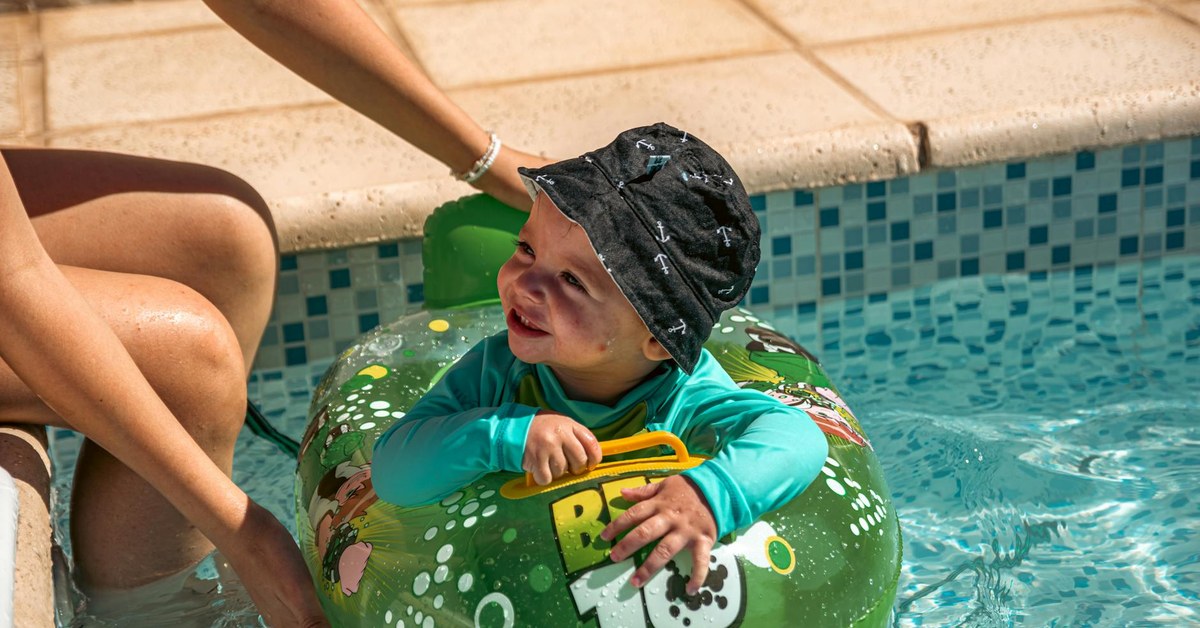

Active Supervision & Layers of Protection: Preventing Drowning in Bathtubs & Toilets for Infants and Toddlers
“Learn vital strategies for active supervision and implementing layers of protection to prevent accidental drowning in bathtubs and toilets for infants and toddlers.”
Accidental drowning represents a devastating risk to young children, and alarmingly, many incidents occur in the home, often in bathrooms. Understanding and implementing robust strategies for preventing drowning bathroom infants toddlers is not just recommended; it is essential for every family. This article outlines the critical importance of active supervision and introduces multiple layers of protection to safeguard your little ones from the silent danger of water in bathtubs and toilets.
Understanding the Hidden Dangers in Your Bathroom
For infants and toddlers, even a few centimetres of water pose a severe drowning hazard. Their large heads and underdeveloped motor skills mean they can easily tip into water and struggle to right themselves, often silently. Globally, drowning is a leading cause of unintentional injury death for children aged 1-4 years. According to the World Health Organisation (WHO), drowning accounts for a significant proportion of these fatalities, with many occurring in domestic settings.
Bathrooms, often perceived as safe, contain multiple water sources that present serious risks: * Bathtubs: Filled for bathing, even briefly. * Toilets: The bowl can hold enough water for an infant or toddler to drown. * Buckets and basins: Used for cleaning or washing, these can be overlooked.
A child safety expert states, “Parents often underestimate how quickly and silently a child can drown. It takes mere seconds, and there is rarely any splashing or yelling to alert an adult.” This underscores the necessity of constant vigilance and proactive safety measures.
Why Young Children Are Most Vulnerable
Infants (0-12 months) and toddlers (1-3 years) possess specific developmental characteristics that increase their vulnerability to water hazards: * Limited Mobility: Infants cannot lift their heads if submerged. Toddlers, while mobile, lack the coordination and strength to pull themselves out of water or call for help effectively. * Curiosity: Toddlers are naturally curious and attracted to water, often exploring without understanding the danger. * Lack of Fear: Young children do not recognise the inherent danger of water, making them prone to impulsive actions. * Rapid Submersion: They can lose consciousness quickly when submerged, often within minutes, leading to irreversible brain damage or death.
Active Supervision: The Golden Rule for Water Safety
Active supervision is the single most effective defence against drowning. It means more than just being in the same room; it requires constant, direct, and undistracted attention to your child whenever they are near water. This is especially crucial for bathroom water safety children.
What Active Supervision Entails:
- Constant Eye Contact: Your eyes should remain on your child at all times when they are in the bath or near any water source.
- Within Arm’s Reach: You must be close enough to physically reach and grab your child instantly if they begin to struggle or get into difficulty.
- No Distractions: Avoid using mobile phones, reading, watching television, or engaging in conversations that divert your attention. Even a momentary lapse can have tragic consequences.
- Designated Supervisor: If multiple adults are present, clearly designate one person as the supervisor. This prevents assumptions and ensures continuous oversight.
- Preparation is Key: Gather all necessary items (towels, soap, toys, clean clothes) before bath time begins. If you must leave the bathroom, even for a second, take your child with you.
Key Takeaway: Active supervision means maintaining constant, direct eye contact and staying within arm’s reach of your child whenever they are near water, without any distractions.
Age-Specific Guidance for Active Supervision
- Infants (0-12 months): Never leave an infant unattended in a bath, not even for a second. Use a non-slip bath mat and ensure the water level is low, just enough to cover their body, no higher than their waist when sitting. Always hold them securely.
- Toddlers (1-3 years): Continue with constant supervision. While they may be able to sit up independently, their risk of falling or slipping remains high. Teach them water safety rules appropriate for their age, such as “we sit in the bath” and “we don’t play with the toilet.”
Layers of Protection: Beyond Supervision
While active supervision is paramount, implementing additional layers of protection creates a safer environment by providing backup in case supervision is momentarily compromised. These strategies are vital for preventing drowning bathroom infants toddlers.
1. Secure Bathroom Access
- Door Locks: Install child-resistant locks or door handle covers on bathroom doors to prevent unsupervised access. Ensure these are installed high enough that a toddler cannot reach them.
- Safety Gates: Consider using safety gates to block access to bathrooms, especially in homes with open-plan layouts. [INTERNAL: child proofing home safety]
2. Toilet Safety Measures
- Toilet Lid Locks: Install child-proof locks on all toilet lids. These prevent toddlers from opening the lid and accessing the water. This is a simple, inexpensive, yet highly effective measure.
- Keep Lids Down: Always close the toilet lid immediately after use and, if possible, keep the bathroom door closed and locked.
3. Bathtub Safety Enhancements
- Never Leave Water Unattended: Immediately drain the bathwater after use. Do not leave a filled or partially filled bathtub unattended for any reason.
- Non-Slip Mats: Place a non-slip mat in the bath to prevent slips and falls.
- Bath Seats/Rings (with extreme caution): While bath seats can help support an infant, they are not safety devices and do not reduce the need for active supervision. A child can still slip out or tip over in a bath seat. They should never be used as a substitute for an adult’s hands-on presence.
- Water Temperature: Always test the water temperature with your elbow or a thermometer before placing your child in the bath to prevent scalds. The ideal temperature is around 37-38°C (98.6-100.4°F). [INTERNAL: preventing scalds and burns]
4. Remove Water Hazards
- Empty Buckets and Basins: Never leave buckets, basins, or other containers with water in them on the floor. Empty them immediately after use and store them upside down or out of reach.
- Washing Machine/Dryer Doors: Keep the doors of washing machines and tumble dryers closed, as they can collect small amounts of water or become entrapment hazards.
Promoting a Culture of Safety
Educating everyone in the household, including older siblings and visitors, about water safety is crucial. Ensure that anyone caring for your child understands the importance of active supervision and the specific safety measures in place.
- CPR Training: Consider taking a paediatric first aid and CPR course. Knowing how to respond in an emergency can save a life. Organisations like the Red Cross often offer such training.
- Communication: Talk to your children about water safety as they grow, teaching them to respect water and understand its dangers.
What to Do Next
- Install Toilet Lid Locks: Purchase and install child-proof locks on all toilet lids in your home immediately.
- Implement Bathroom Door Security: Fit child-resistant locks or high-mounted latches on bathroom doors to restrict unsupervised access.
- Review Bath Time Routine: Designate a single, undistracted adult supervisor for every bath time and ensure all necessary items are ready before water enters the tub.
- Empty Water Containers Promptly: Make it a habit to empty all buckets, basins, and other water-holding containers immediately after use and store them out of reach.
- Consider First Aid Training: Enrol in a local paediatric first aid and CPR course to be prepared for emergencies.
Sources and Further Reading
- World Health Organisation (WHO): Drowning Prevention - www.who.int/news-room/fact-sheets/detail/drowning
- UNICEF: Child Safety and Injury Prevention - www.unicef.org/parenting/child-safety-injury-prevention
- NSPCC: Water Safety for Children - www.nspcc.org.uk/keeping-children-safe/safety-advice/water-safety/
- The Royal Society for the Prevention of Accidents (RoSPA): Water Safety - www.rospa.com/leisure-safety/water