Beyond Stranger Danger: Modern Approaches to Teaching
A guide for parents on why the traditional stranger danger approach to child safety is outdated and sometimes counterproductive, and how modern personal safety education better equips children to recognise and respond to real risk.
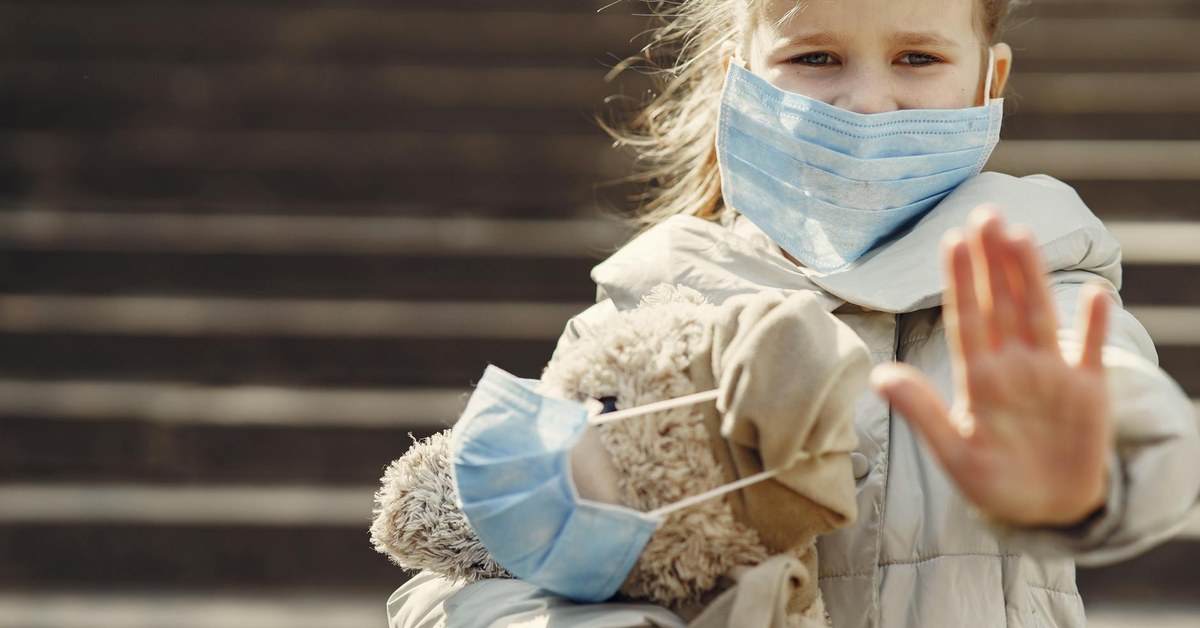

Beyond Stranger Danger: Modern Approaches to Teaching
“A guide for parents on why the traditional stranger danger approach to child safety is outdated and sometimes counterproductive, and how modern personal safety education better equips children to recognise and respond to real risk.”
Why Stranger Danger Falls Short
For decades, stranger danger was the dominant framework for child personal safety education. Children were taught to be wary of strangers, to never go with someone they did not know, and to stay away from unfamiliar people who offered gifts or asked for help. The intention was protective: to reduce the risk of abduction and abuse at the hands of unknown adults.
The problem is that stranger danger does not accurately reflect the reality of how most child abuse occurs, and in some ways actively misleads children in ways that reduce their safety. Understanding why it falls short is the starting point for a more effective approach.
The most fundamental problem is statistical. Research consistently finds that the vast majority of abuse against children is perpetrated not by strangers but by people the child knows: family members, family friends, family acquaintances, authority figures, and others in the child's established social network. A child who has been taught only to be wary of strangers has been given a framework that leaves them unequipped to recognise or respond to the most common form of risk they actually face.
The second problem is that stranger danger can undermine children's safety in situations where strangers are actually their best resource. A lost child who has been taught to fear and avoid strangers may hesitate to approach a stranger for help. A child who is being followed may not know that getting close to other adults, or entering a shop and asking for help, are effective safety strategies. Teaching children that all strangers are dangerous removes a significant safety resource from their toolkit.
Third, the concept of stranger is not as clear as it appears. Children often refer to adults they have met even briefly as people they know, making the distinction less practically useful than it seems in theory.
Modern Personal Safety Education: Key Principles
Contemporary evidence-informed approaches to child personal safety education replace the stranger danger framework with a set of principles that more accurately reflect the reality of risk and more effectively equip children to protect themselves.
Body autonomy and the right to say no: Children are taught from an early age that their body belongs to them and that no one has the right to touch them in a way they do not want or are not comfortable with. This principle applies regardless of who the person is: a relative, a family friend, a coach, or any other adult. This is the foundation from which all other personal safety education builds.
Safe and unsafe touches: Rather than focusing on safe and unsafe people, modern approaches focus on safe and unsafe behaviours. A safe touch is one that the child consents to and that does not involve private body parts in inappropriate ways. An unsafe touch is one the child does not want, or that involves private body parts in ways that are not appropriate medical care. This distinction applies regardless of the relationship between the child and the adult.
Trusted adults and telling: Children are taught to identify a network of trusted adults, typically three to five people, to whom they can go with a problem or concern. This network should include people both inside and outside the family. The key message is that children should always tell a trusted adult about any touch or situation that feels wrong or uncomfortable, and that they should keep telling until someone helps.
Secrets and surprises: Children are taught the distinction between surprises, which are positive and will eventually be shared, and unsafe secrets, which involve asking the child to keep something from their trusted adults. Any adult who asks a child to keep a secret from their parents or other trusted adults is behaving in a way that should prompt the child to tell.
Recognising unsafe situations: Rather than trying to identify unsafe people, children are taught to recognise unsafe situations: situations where an adult is asking them to do something that feels wrong, is asking them to keep secrets, is trying to get them to go somewhere private, or is offering gifts or special attention that feels uncomfortable.
Teaching Children to Trust Their Instincts
One of the most practically useful elements of modern personal safety education is the explicit validation of children's gut feelings. Children naturally experience discomfort in certain situations, a feeling that something is wrong even when they cannot identify exactly what. Teaching children to trust and act on this feeling, rather than override it in deference to adult authority, is genuinely protective.
Adults who want to harm children frequently rely on children's socialisation to be polite, to defer to adults, and not to make a scene. A child who has been taught that their own discomfort is a valid signal, and that they are allowed to refuse, leave, or call for help even if this is awkward or seems rude, is harder to manipulate into a dangerous situation.
Some children find it genuinely difficult to say no to adults because of their developmental stage or temperament. Role-playing scenarios, both at home and in structured personal safety programmes, build the specific skill of refusing or leaving an uncomfortable situation in ways that make it more available in a real situation.
About Strangers: A More Nuanced Message
The replacement of stranger danger does not mean teaching children that all strangers are fine. The more nuanced and accurate message is that most strangers are safe, that children cannot reliably identify the rare unsafe stranger by appearance or behaviour, and that the appropriate response to someone they do not know varies by context.
For a lost child, the safest strategy is to approach someone who works in a shop, a police officer, or another family with children, and to ask for help. This requires that children know they can approach strangers in appropriate circumstances.
For a child who feels they are being followed or is in an unsafe situation in a public space, getting close to other people, entering a public building, or approaching any adult to ask for help, are all effective safety strategies that require children to interact with strangers.
Teaching children that most adults they encounter are good people who would help them if they needed it, while also teaching them the specific situations in which adult behaviour toward children is inappropriate and what to do in those situations, is more accurate and more useful than blanket stranger danger messaging.
Age-Appropriate Teaching
Personal safety education works best when it is introduced early and built upon throughout childhood. Very young children can begin learning about body autonomy and the right to refuse physical affection. Primary school children can learn about trusted adults, unsafe secrets, and unsafe touches. Older children and teenagers can engage with more complex content about recognising manipulation, grooming, and the specific ways that online and real-world risks can develop.
This is not one conversation: it is an ongoing, evolving discussion that uses everyday opportunities to reinforce and develop the child's personal safety framework. Parents who approach this matter-of-factly, without excessive alarm, give children information and tools without creating fear that is disproportionate to the actual risk children face in their daily lives.