Beyond Tantrums: Spotting Anxiety When Kids Act Out with Irritability or Defiance
Don't mistake meltdowns for misbehavior. Learn how to recognize anxiety in children when it presents as irritability, defiance, or acting out instead of fear.
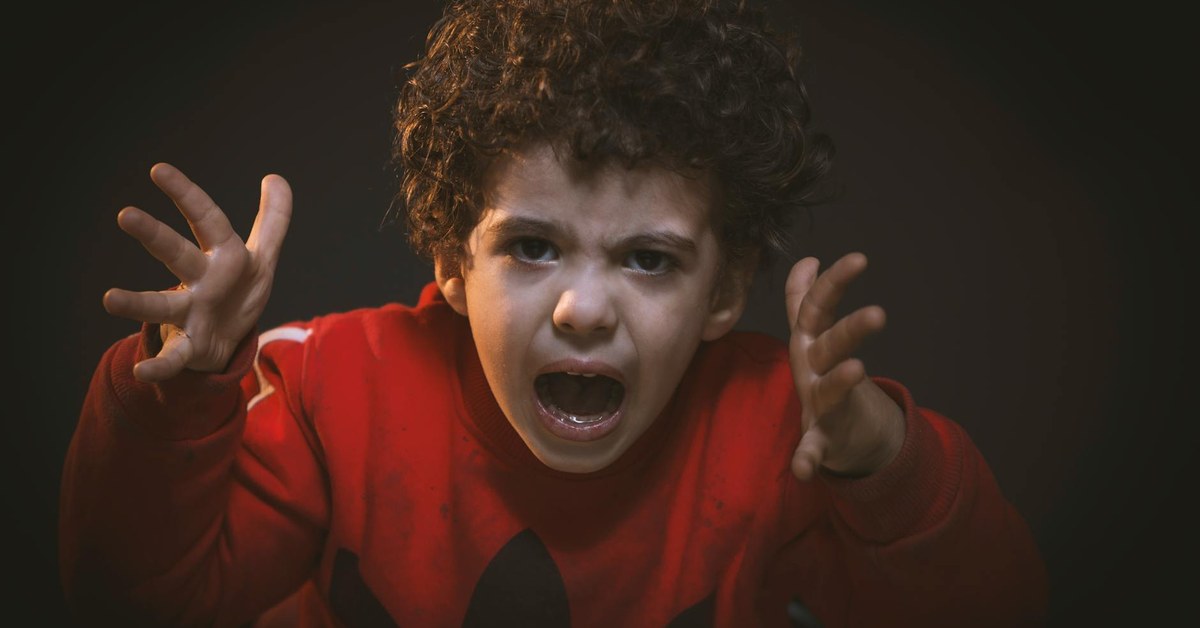

Beyond Tantrums: Spotting Anxiety When Kids Act Out with Irritability or Defiance
“Don't mistake meltdowns for misbehavior. Learn how to recognize anxiety in children when it presents as irritability, defiance, or acting out instead of fear.”
For many parents, a child’s sudden outburst, persistent defiance, or unexplained irritability can feel like a direct challenge to their authority or a sign of poor behaviour. However, what often appears as a ‘bad attitude’ might actually be anxiety manifesting as irritability in children. Understanding this subtle but crucial distinction is vital for providing the support children truly need, transforming disciplinary struggles into opportunities for connection and healing. This article will help you look beyond the surface and recognise the hidden anxieties driving these challenging behaviours.
The Hidden Face of Child Anxiety: Why it Doesn’t Always Look Like Fear
When we picture an anxious child, we often imagine someone shy, withdrawn, or visibly worried. While these are common presentations, anxiety is a complex emotion that can express itself in many less obvious ways. For some children, particularly those who struggle to articulate their feelings, anxiety can trigger a ‘fight’ response rather than ‘flight’ or ‘freeze’. This ‘fight’ response often translates into irritability, defiance, or oppositional behaviour.
A 2023 report by the World Health Organisation (WHO) highlighted that one in seven adolescents aged 10-19 years globally experiences a mental disorder, with anxiety disorders being among the most prevalent. Yet, many cases go unrecognised because symptoms are misinterpreted. As a child psychology expert notes, “Children often lack the vocabulary to express internal distress like ‘I feel overwhelmed’ or ‘I am scared’. Instead, their bodies and behaviours speak for them, often through anger, frustration, or outright refusal.” This is particularly true for younger children, but adolescents can also mask their anxiety with defiance as a way to regain control or avoid perceived failures.
Key Takeaway: Anxiety in children does not always present as fear or worry. It can frequently manifest as irritability, defiance, or acting out, especially when children lack the words to express their internal distress.
Recognising Child Anxiety Symptoms: Beyond the Obvious
Identifying child anxiety symptoms irritability requires keen observation and a shift in perspective. Instead of immediately labelling behaviour as ‘naughty’, consider what might be driving it.
Common Signs of Anxiety-Driven Irritability and Defiance:
- Frequent Meltdowns or Tantrums: Especially over seemingly minor issues. These outbursts might be more intense or prolonged than typical age-appropriate tantrums.
- Oppositional Behaviour: Persistent refusal to comply with requests, even simple ones, or an unwillingness to cooperate. This isn’t just a power struggle; it might be a child trying to avoid a perceived threat or overwhelming situation.
- Excessive Complaining: Constant negativity, finding fault with everything, or expressing dissatisfaction about daily routines or activities.
- Difficulty with Transitions: Extreme resistance to moving from one activity to another, or from home to school, or even from one room to another. This can be a significant defiance as anxiety in kids indicator.
- Sleep Problems: Difficulty falling asleep, frequent waking, or nightmares. Anxiety often interferes with a child’s ability to relax and rest.
- Physical Complaints: Frequent stomach aches, headaches, or general feelings of being unwell without a clear medical cause. These are common psychosomatic symptoms of anxiety.
- Perfectionism and Avoidance: Anxious children might become highly critical of themselves or others, or avoid tasks where they fear making mistakes, leading to frustration and defiance when pressured.
- Social Withdrawal or Clinginess: Some children might become withdrawn, while others might become unusually clingy, especially in new or challenging situations.
Age-Specific Manifestations:
- Preschoolers (3-5 years): May show increased tantrums, separation anxiety, difficulty with toilet training regression, or clinginess. Their irritability might stem from not being able to articulate their fears about new environments or changes.
- Primary School Children (6-11 years): Often exhibit misunderstood anxiety children symptoms through school refusal, intense reactions to minor setbacks, difficulty concentrating, or excessive worry about performance (academic, social, or sports). They might be defiant about homework or social events.
- Adolescents (12-18 years): Can display significant mood swings, withdrawal from family, increased arguments, risk-taking behaviour (as a distraction or coping mechanism), or an intense need for control. Their defiance might be a defence mechanism against social pressures, academic stress, or future uncertainties.
Unpacking the Triggers: What Might Be Causing the Anxiety?
To address anxiety manifesting as irritability in children, we must understand its root causes. Anxiety can stem from various sources, and often several factors combine:
- Environmental Stressors: Changes in routine, family conflict, moving house, new school, or even over-scheduling can be overwhelming.
- Social Pressures: Concerns about fitting in, friendships, bullying, or social performance are significant for school-aged children and adolescents. UNICEF reported in 2021 that 13% of adolescents aged 10-19 globally live with a diagnosed mental disorder, with social pressures being a key contributing factor.
- Academic Expectations: Pressure to perform well in school, fear of failure, or difficulty keeping up can lead to significant academic anxiety.
- Uncertainty and World Events: Children are highly attuned to their environment. News events, family health concerns, or general instability can create a sense of unease.
- Sensory Sensitivities: Some children are highly sensitive to noise, light, textures, or smells, and these can contribute to sensory overload and subsequent anxiety.
- Temperament: Some children are naturally more prone to anxiety due to their inherent temperament.
It is important to remember that the trigger for the anxiety might seem trivial to an adult, but for a child, it represents a genuine threat to their sense of safety or control.
Practical Strategies for Supporting Anxious Children
Once you recognise that irritability or defiance might be a cry for help, you can implement strategies to support your child. The goal is not to eliminate anxiety entirely, but to equip children with coping mechanisms and create an environment where they feel safe and understood.
- Validate Their Feelings: Acknowledge their distress without necessarily agreeing with their behaviour. Say, “I see you’re feeling really frustrated right now,” or “It looks like you’re having a hard time with this.” This helps them feel heard and understood.
- Teach Emotional Literacy: Help your child identify and name their emotions. Use feeling charts or simple language to discuss what ‘anxious’ or ‘frustrated’ feels like in their body. This empowers them to communicate their internal state.
- Co-Regulate and Co-Solve: When a child is anxious, their fight-or-flight system is activated. Help them calm down before trying to reason. Use calming techniques together, such as deep breathing exercises or a quiet activity. Once calm, collaboratively problem-solve the situation that triggered the anxiety.
- Create Predictability and Routine: A structured environment can reduce anxiety by making the world feel safer and more manageable. Communicate changes in advance and involve your child in planning where appropriate.
- Empower with Coping Skills: Teach simple relaxation techniques like counting breaths, progressive muscle relaxation, or visualisations. Provide a ‘calm down kit’ with sensory items like fidget toys, stress balls, or comforting objects.
- Encourage Gradual Exposure: If anxiety is linked to avoidance (e.g., school, social events), work with your child to gradually face their fears in small, manageable steps. Celebrate small victories.
- Limit Over-Stimulation: Ensure your child has enough downtime, especially after school or busy periods. Reduce screen time before bed and create a calming sleep routine.
- Seek Professional Help When Needed: If anxiety is persistent, significantly impacts your child’s daily life, or if you feel overwhelmed, consult a healthcare professional, educational psychologist, or child therapist. Organisations like the NSPCC and YoungMinds in the UK offer valuable resources and helplines. [INTERNAL: Finding the Right Support: A Guide to Child Mental Health Professionals]
Remember, your calm presence and understanding are powerful tools. By looking beyond the outward behaviour, you can uncover the underlying anxiety and provide the compassionate response your child truly needs.
What to Do Next
- Observe and Document: Keep a journal of your child’s challenging behaviours, noting triggers, duration, and what happened before and after. This can reveal patterns linked to anxiety.
- Communicate Openly: Talk to your child in a calm, non-judgmental way about their feelings. Use open-ended questions like, “What’s making things feel tricky right now?”
- Implement Calming Strategies: Introduce one or two simple calming techniques, such as deep breathing or a ‘feeling check-in’ at a regular time each day.
- Consult School Staff: Share your observations with your child’s teacher or school counsellor, as they might see similar patterns or offer additional insights and support.
- Consider Professional Guidance: If concerns persist, schedule an appointment with your GP or a child mental health specialist for an assessment and tailored advice.
Sources and Further Reading
- World Health Organisation (WHO): Mental health of adolescents. Available at: who.int
- UNICEF: The State of the World’s Children 2021: On My Mind – promoting, protecting and caring for children’s mental health. Available at: unicef.org
- NSPCC: Worried about a child? Available at: nspcc.org.uk
- YoungMinds: Parents A-Z mental health guide. Available at: youngminds.org.uk