Calm Chaos: Effective Mindfulness Exercises for High-Energy Children to Boost Focus
Discover practical mindfulness exercises designed specifically for high-energy children. Cultivate focus, reduce fidgeting, and bring calm to their day.
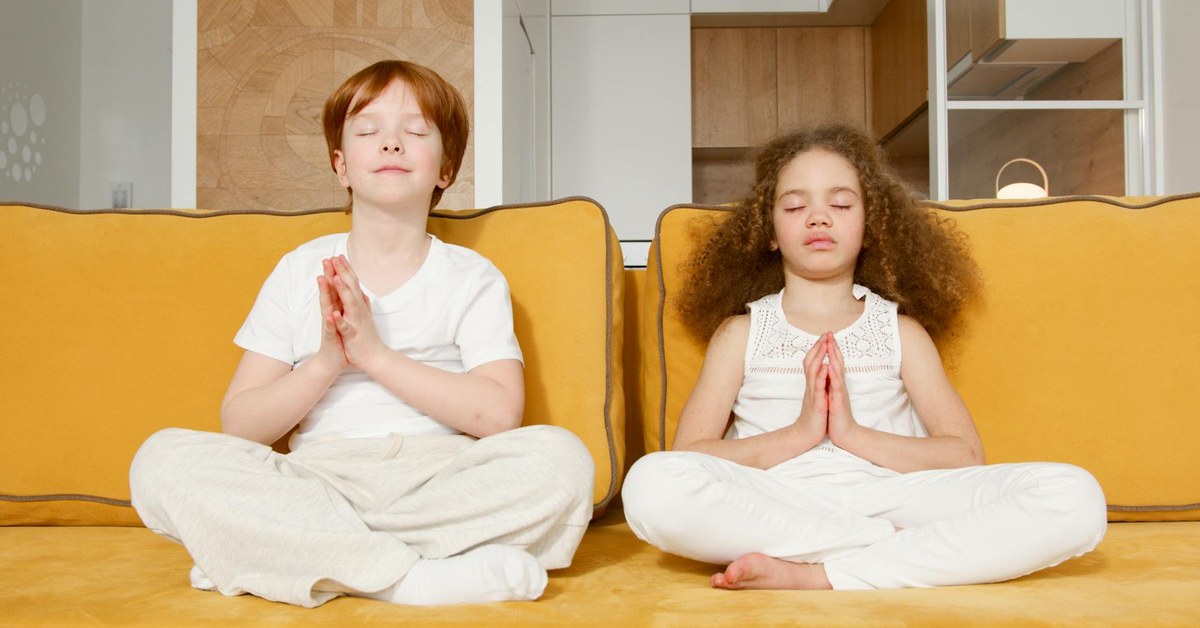

Calm Chaos: Effective Mindfulness Exercises for High-Energy Children to Boost Focus
“Discover practical mindfulness exercises designed specifically for high-energy children. Cultivate focus, reduce fidgeting, and bring calm to their day.”
Children possess boundless energy, a wonderful trait that can sometimes feel overwhelming for both them and their carers. Channelling this energy effectively, especially for high-energy children who may struggle with focus or fidgeting, is crucial for their development and wellbeing. Incorporating mindfulness exercises for high-energy children offers a powerful, gentle approach to help them cultivate inner calm, improve concentration, and better understand their emotions. These practices are not about suppressing their natural exuberance, but rather equipping them with tools to navigate their internal world with greater awareness and intention.
Understanding High Energy and the Power of Mindfulness
High energy in children often manifests as constant movement, difficulty sitting still, quick shifts in attention, and a tendency to be easily distracted. While these behaviours are a normal part of childhood, persistent patterns can sometimes hinder learning, social interactions, and emotional regulation. Mindfulness, simply put, is the practice of paying attention to the present moment without judgment. For energetic children, this can seem challenging, but it is precisely why it is so beneficial.
According to a 2022 report by the World Health Organisation (WHO), promoting mental wellbeing in children from an early age is vital for lifelong health, highlighting the importance of skills like emotional regulation and focus. Mindfulness teaches children to pause, observe their thoughts and feelings, and then choose how to respond, rather than reacting impulsively. It helps them build a stronger connection between their mind and body, leading to increased self-awareness and self-control.
Key Takeaway: Mindfulness provides high-energy children with practical tools to observe their inner world, manage impulses, and develop a calmer, more focused approach to daily activities, without diminishing their natural vitality.
Practical Mindfulness Exercises for High-Energy Children
Integrating mindfulness into a child’s routine does not require lengthy, silent meditation. For energetic children, these exercises should be short, engaging, and often involve movement or sensory input. Here are some age-specific activities designed to capture their attention and guide them towards a calmer state.
For Ages 3-6 (Preschool/Early Primary)
Young children learn best through play and simple, concrete actions. Keep these exercises brief, usually 1-3 minutes.
- Balloon Breath: Ask your child to lie down and place a small, light toy (like a teddy bear) on their tummy. Instruct them to imagine their tummy is a balloon. As they breathe in, the balloon inflates and lifts the toy; as they breathe out, the balloon deflates, and the toy lowers. This simple visual helps them focus on their breath.
- Listening Game: Find a quiet spot or even go outdoors. Ask your child to close their eyes (if comfortable) and listen for three different sounds. After a minute or two, ask them to share what they heard. This sharpens their auditory focus and present-moment awareness.
- Body Scan Adventure: Turn this into a playful story. “Let’s go on an adventure through our bodies! What do your toes feel like? Are they wiggly? Now let’s travel to your knees…” Guide them slowly through different body parts, asking them to notice any sensations. This builds body awareness, a foundation for self-regulation.
For Ages 7-11 (Primary School)
Children in this age group can engage with slightly more complex instructions and concepts. Exercises can last 3-5 minutes.
- Mindful Walking: Encourage your child to pay close attention to the act of walking. “Notice how your feet feel as they touch the ground. Are they soft or hard? Can you feel the movement in your legs? What sounds do you hear as you walk?” This can be done on a nature walk or even just walking from one room to another.
- Sensory Scavenger Hunt: Give your child a list of sensory items to find: something soft, something rough, something that smells nice, something smooth, something with an interesting texture. The focus is on truly experiencing each item with their senses, not just finding it quickly.
- Gratitude Jar: Provide a jar and small slips of paper. Each day, encourage your child to write or draw one thing they are grateful for and place it in the jar. Periodically, read them aloud. This shifts focus to positive aspects and cultivates a sense of appreciation. [INTERNAL: positive psychology for children]
For Ages 12+ (Adolescence)
Teenagers can understand abstract concepts and benefit from exercises that help manage stress and self-awareness. Exercises can be 5-10 minutes.
- Thought Cloud Observation: Explain that thoughts are like clouds passing in the sky. Encourage them to sit or lie down, close their eyes, and simply observe any thoughts that arise, letting them float by without judgment or attachment. This helps create distance from overwhelming thoughts.
- Mindful Movement (Yoga/Stretching): Simple yoga poses or stretching routines can be incredibly grounding. Focus on the sensation of the stretch, the breath coordinating with movement, and the stability of each pose. Online resources offer many child-friendly yoga sequences.
- Digital Detox Moments: Schedule short periods (e.g., 15-30 minutes) where all screens are put away. During this time, encourage an alternative mindful activity like drawing, listening to music, reading a physical book, or simply observing their surroundings. This helps reset attention spans. [INTERNAL: managing screen time for children]
Tips for Parents and Carers
Introducing mindfulness to high-energy children requires patience, consistency, and a playful approach.
- Lead by Example: Children learn by watching. Practise mindfulness yourself, and they will be more likely to engage.
- Keep it Short and Sweet: Start with very brief sessions and gradually increase the time as their attention span grows.
- Make it Fun: Frame exercises as games or adventures. Use props, stories, and imagination to keep them engaged.
- No Pressure: If a child resists, do not force it. Mindfulness should be a positive experience, not a chore. Try again another time or with a different exercise.
- Create a Calm Space: Designate a quiet corner or a specific time of day for these practices, making it a predictable and safe routine.
- Consistency is Key: Regular, even short, practice is more effective than infrequent long sessions. Try to integrate a small mindfulness moment daily.
“A child psychologist notes that introducing mindfulness in a playful and non-demanding way helps children develop essential self-regulation skills, fostering resilience and emotional intelligence that benefits them throughout their lives,” says a spokesperson from the NSPCC.
Benefits Beyond Focus
While the primary goal for high-energy children is often to boost focus and reduce fidgeting, the benefits of mindfulness extend far beyond:
- Emotional Regulation: Children learn to recognise and understand their emotions without being overwhelmed by them, leading to fewer outbursts and more thoughtful responses.
- Stress Reduction: Mindfulness can lower stress hormones, promoting a sense of calm and improving overall mood.
- Improved Sleep: Regular practice can help children wind down before bed, leading to more restful sleep.
- Enhanced Empathy and Social Skills: By understanding their own feelings, children often become more attuned to the feelings of others, improving their social interactions.
- Increased Self-Compassion: Mindfulness teaches self-acceptance, helping children to be kinder to themselves when they make mistakes.
These skills are invaluable for navigating the complexities of childhood and adolescence, equipping children with lifelong tools for wellbeing.
What to Do Next
- Choose One Exercise: Select just one mindfulness exercise from the age-appropriate suggestions above and try it with your child for a few minutes each day this week.
- Observe and Adapt: Pay attention to how your child responds. If an exercise is not working, try a different one or adjust the duration and approach.
- Integrate Mindful Moments: Look for natural opportunities throughout the day to practise mindfulness, such as during meal times (mindful eating) or while waiting in a queue (mindful observation).
- Explore Resources: Seek out age-appropriate mindfulness books, apps (like guided meditations for children), or online videos to diversify your approach and provide new ideas.
Sources and Further Reading
- World Health Organisation (WHO): Mental Health of Children and Adolescents. (www.who.int)
- NSPCC: The National Society for the Prevention of Cruelty to Children. (www.nspcc.org.uk)
- Mind: For better mental health. (www.mind.org.uk)
- UNICEF: United Nations Children’s Fund. (www.unicef.org)