How Can Parents Effectively Prepare Children for Independent Pedestrian Travel in Complex Urban Environments?
Discover expert strategies for parents to equip children with essential skills for safe, independent pedestrian travel in busy, complex urban settings.
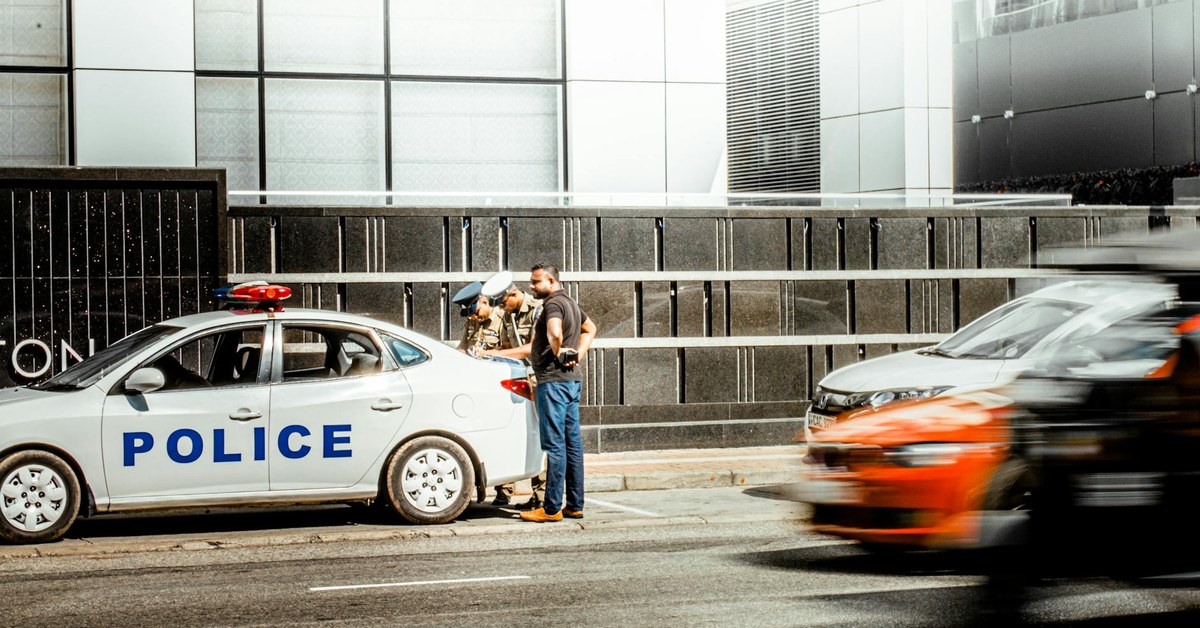

How Can Parents Effectively Prepare Children for Independent Pedestrian Travel in Complex Urban Environments?
“Discover expert strategies for parents to equip children with essential skills for safe, independent pedestrian travel in busy, complex urban settings.”
As children grow, fostering their independence is a crucial aspect of development, and learning to navigate their local environment independently is a significant milestone. For families living in bustling metropolitan areas, the challenge to prepare children for independent walking in urban settings can seem daunting due to complex traffic, numerous distractions, and varied infrastructure. This article provides evidence-informed strategies to equip children with the necessary skills, knowledge, and confidence to travel safely as pedestrians in busy urban landscapes.
Understanding the Urban Pedestrian Landscape and Child Readiness
Urban environments present a unique set of challenges for young pedestrians. High traffic volumes, complex intersections, varied road user behaviours, and numerous visual and auditory distractions demand a high level of cognitive and practical skill. Children’s developmental stages influence their readiness for independent travel, with cognitive abilities, impulse control, and perception skills evolving over time.
Research indicates that children under the age of nine often struggle with crucial pedestrian safety skills. For instance, a study published in the Journal of Safety Research highlighted that children under eight typically have difficulty accurately judging vehicle speed and distance, localising sounds, and processing multiple stimuli simultaneously. The World Health Organisation (WHO) reports that road traffic injuries remain a leading cause of death for children and young adults globally, underscoring the importance of comprehensive preparation.
Developmental Milestones for Independent Walking
- Under 6 years old: Children at this age lack the cognitive maturity for independent road crossing. They require constant supervision and hand-holding. Their peripheral vision is still developing, and they are easily distracted.
- 6-9 years old: Children begin to develop a better understanding of traffic rules but still struggle with judging speed, distance, and the intentions of drivers. They can often follow simple instructions but may not consistently apply them in real-world, dynamic situations. Direct supervision remains essential.
- 9-12 years old: Most children start to develop the cognitive and perceptual skills required for independent decision-making in traffic. They can better assess risks, understand complex traffic situations, and plan routes. This is often the ideal age to begin structured, supervised training for independent travel.
- 12+ years old: Teenagers typically possess the full range of cognitive abilities for independent travel. However, peer influence and increased distractions (like mobile phones) can introduce new risks. Continued reinforcement of safety principles is vital.
A child safety expert advises, “Before allowing any independent travel, parents must assess their child’s individual maturity, not just their age. Observe their impulse control, attention span, and ability to follow instructions consistently in varied environments.”
Essential Skills for Child Urban Pedestrian Safety
Equipping children for safe urban walking involves teaching a range of practical and cognitive skills. These should be introduced progressively, building from basic awareness to complex decision-making.
Core Road Safety Principles
- Stop, Look, Listen, Think: This fundamental mantra teaches children to pause at the kerb, scan for traffic in all directions, listen for vehicles they cannot see, and then make a conscious decision about when it is safe to cross. Emphasise looking right, left, and right again.
- Recognising Traffic Signals and Crossings: Teach children the meaning of traffic lights, pedestrian signals (red and green figures), and different types of crossings (zebra, pelican, puffin). Explain how to activate push-button crossings and wait for the appropriate signal.
- Understanding Vehicle Behaviour: Children need to grasp that vehicles move quickly and cannot stop instantly. Discuss blind spots for larger vehicles like lorries and buses.
- Being Seen: Emphasise the importance of visibility. Advise children to wear bright or reflective clothing, especially in low light conditions or bad weather. [INTERNAL: choosing safe children’s clothing].
Navigating Urban Obstacles and Distractions
- Pavement Safety: Teach children to walk on pavements, away from the kerb, and to be aware of other pedestrians. Explain how to navigate around obstacles like street furniture, construction sites, and parked cars without stepping into the road.
- Managing Distractions: Discuss how mobile phones, headphones, and even conversations with friends can impair their awareness of surroundings. Encourage them to keep distractions to a minimum when walking near roads.
- Identifying Safe Routes: Work with children to identify the safest routes to common destinations, prioritising paths with fewer road crossings, good visibility, and well-maintained pavements.
Key Takeaway: Comprehensive child urban pedestrian safety relies on a child’s developmental readiness combined with explicit teaching of core road safety principles and practical skills for navigating dynamic urban environments.
Practical Training and Gradual Independence
Theoretical knowledge alone is insufficient. Practical, supervised training is indispensable for children to internalise safety rules and develop confidence.
Step-by-Step Training Approach
- Joint Exploration (Ages 6-9+): Begin by walking together, holding hands, and narrating your observations and decisions. “We are stopping here at the kerb. I am looking left, then right, then left again. I hear a car approaching, so we will wait.” Point out potential hazards and safe crossing points.
- Guided Practice (Ages 9-11+): Allow the child to lead, with you walking slightly behind but close enough to intervene. Ask them to verbalise their decisions: “Why are we stopping here? What are you looking for?” Correct mistakes gently and reinforce good choices. Practise the exact route they will eventually take independently.
- Shadowing (Ages 10-12+): Walk the route a short distance behind your child, out of sight if possible, to observe their independent decision-making. This allows you to assess their readiness without direct intervention.
- Emergency Preparedness:
- What if I get lost? Teach children a specific action plan: stay put, ask a parent/trusted adult for help, or go to a pre-arranged ‘safe place’ like a specific shop or public building.
- Who to contact? Ensure they know essential contact numbers (parents, guardians) and how to use a mobile phone for emergencies. Consider a simple, pre-programmed phone for younger children.
- Stranger Awareness: Teach children about ‘safe adults’ (e.g., police officers, shop assistants in uniform) and the importance of never going with someone they do not know, even if that person claims to know their parents.
Leveraging Technology and Tools
While technology should never replace practical training, it can offer an additional layer of safety and reassurance for both parents and children.
- GPS Tracking Devices/Apps: Consider wearable GPS trackers or smartphone apps that allow parents to monitor a child’s location. Discuss this with your child so they understand its purpose.
- Reflective Gear: High-visibility jackets, reflective strips on backpacks, and even LED clip-on lights can significantly increase a child’s visibility to drivers, particularly during darker months or in areas with poor street lighting.
- Emergency Contact Cards: A small card with essential contact numbers and any critical medical information can be invaluable in an emergency.
Organisations like the Royal Society for the Prevention of Accidents (RoSPA) and Living Streets advocate for structured pedestrian training programmes, highlighting their effectiveness in reducing child pedestrian injuries.
Building Confidence and Decision-Making Skills
True independence comes from a child’s ability to assess situations, make sound decisions, and act confidently, not just follow rules blindly.
Empowering Risk Assessment
Encourage children to think critically about potential risks rather than just memorising rules. Ask open-ended questions: “What do you think is the safest way to cross this road?” or “What are the risks if we cross here now?” This promotes active learning and problem-solving.
Consistent Reinforcement and Positive Feedback
Regularly review safety rules and scenarios. Praise their good decisions and discuss any errors as learning opportunities. Consistency helps embed safe behaviours.
Gradual Expansion of Routes
Once a child masters a familiar route, gradually introduce new, slightly more complex routes. This builds adaptability and confidence in varied urban settings. For example, moving from a quiet residential street to a route involving a main road crossing, or incorporating public transport.
What to Do If Lost or Unsure
Role-play scenarios where the child gets lost or feels unsure about a situation. Practise what they would say and do. This builds resilience and reduces panic in real-life situations. Remind them it is always acceptable to ask for help from a safe adult or to call home.
What to Do Next
- Assess Your Child’s Readiness: Observe your child’s impulse control, attention span, and ability to follow instructions consistently. Start practical training when they are developmentally ready, typically from age 9-10 for initial independent steps.
- Map and Practise Safe Routes: Walk the exact routes your child will use independently multiple times, first together, then with them leading, and finally by shadowing them. Identify and discuss all potential hazards and safe crossing points.
- Teach and Reinforce Core Safety Skills: Consistently apply the “Stop, Look, Listen, Think” method, explain traffic signals, vehicle behaviour, and the importance of visibility. Discuss potential distractions and how to manage them.
- Establish Emergency Protocols: Ensure your child knows what to do if they get lost, how to contact you, and who constitutes a ‘safe adult’ to ask for help. Provide them with emergency contact information.
- Utilise Safety Tools: Consider generic safety tools like reflective gear for visibility and, if appropriate for your family, a simple mobile phone or GPS tracker for emergencies and peace of mind.
Sources and Further Reading
- World Health Organisation (WHO): Road Safety for Children. (www.who.int/news-room/fact-sheets/detail/road-traffic-injuries)
- Royal Society for the Prevention of Accidents (RoSPA): Pedestrian Safety. (www.rospa.com/road-safety/advice-for-road-users/pedestrians)
- UNICEF: Child Safety and Injury Prevention. (www.unicef.org/protection/child-safety-and-injury-prevention)
- Living Streets: Walk to School Campaign. (www.livingstreets.org.uk/walk-with-us/walk-to-school)
- NSPCC: Online Safety and Child Protection. (www.nspcc.org.uk)