Beyond the Bellyache: Recognizing Childhood Anxiety Through Unexplained Physical Symptoms
Learn to identify hidden childhood anxiety when it presents as unexplained physical symptoms like stomach aches, headaches, or fatigue. Understand the signs beyond typical complaints.
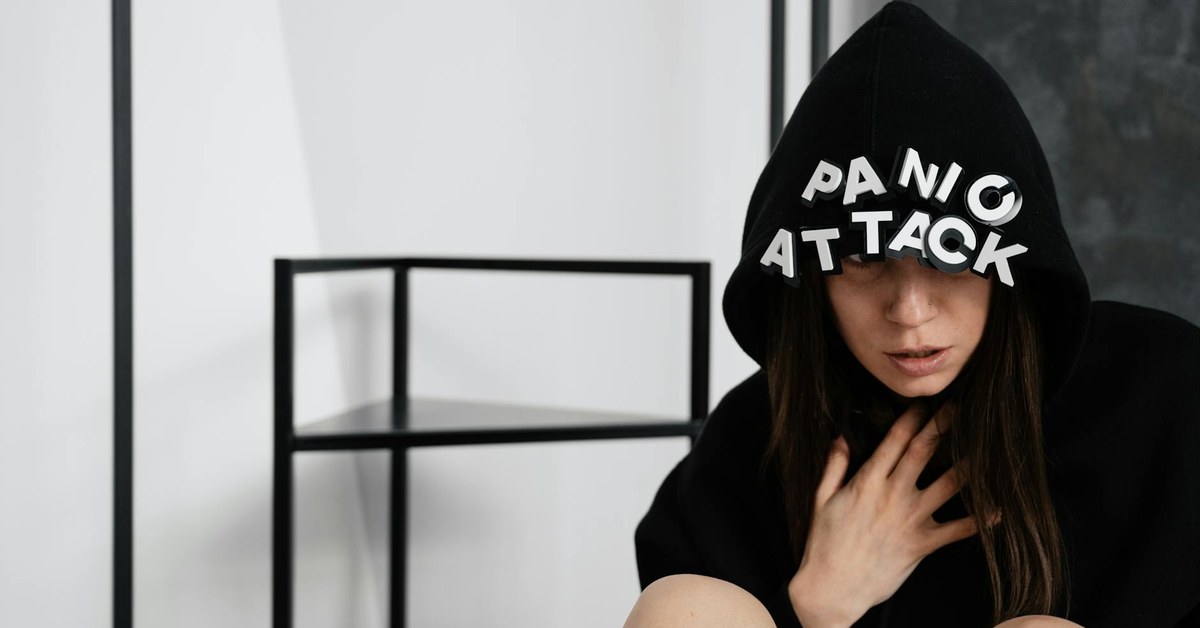

Beyond the Bellyache: Recognizing Childhood Anxiety Through Unexplained Physical Symptoms
“Learn to identify hidden childhood anxiety when it presents as unexplained physical symptoms like stomach aches, headaches, or fatigue. Understand the signs beyond typical complaints.”
Parents often dismiss a child’s complaints of a stomach ache or headache, assuming it is a minor ailment or perhaps a bid for attention. However, these seemingly innocent physical symptoms can sometimes be the body’s way of signalling something deeper: childhood anxiety unexplained physical symptoms. Unlike adults, children frequently lack the vocabulary or emotional insight to articulate feelings of worry, fear, or stress, leading their bodies to manifest these internal struggles in tangible, physical ways. Recognising these hidden signs is crucial for early intervention and supporting your child’s wellbeing.
The Connection: How Anxiety Manifests Physically in Children
Anxiety is more than just a feeling; it triggers a physiological response in the body, often referred to as the “fight or flight” mechanism. When a child feels anxious, their nervous system activates, releasing stress hormones like cortisol and adrenaline. These hormones prepare the body for perceived danger, leading to a range of physical changes. While adults might recognise these as racing hearts or sweaty palms, children might experience them as persistent pains or general discomfort.
According to a 2023 report from UNICEF, an estimated 1 in 7 adolescents aged 10-19 globally live with a diagnosed mental health condition, with anxiety disorders being among the most prevalent. A significant proportion of these young people, especially younger children, will present with somatic symptoms – physical complaints that have no clear medical cause – as their primary indicator of distress.
Key Takeaway: Childhood anxiety often presents physically because children may not have the words to express their emotional distress. Their bodies react to stress hormones, leading to real, felt symptoms without an obvious medical explanation.
Common Physical Manifestations of Childhood Anxiety
Recognising childhood anxiety unexplained physical symptoms requires careful observation and ruling out other medical conditions. If a doctor has confirmed there is no underlying physical illness, it is time to consider anxiety. Here are some of the most common ways anxiety can show up physically in children:
- Stomach Aches and Nausea: This is perhaps the most common physical symptom. Children might complain of a “tummy ache” before school, social events, or any perceived stressful situation. They might also experience nausea, vomiting, or even changes in bowel habits like constipation or diarrhoea. The gut is highly sensitive to stress, often referred to as the “second brain.”
- Headaches: Frequent headaches, often tension-type headaches, can be a sign of anxiety. These might be described as a dull ache or pressure around the head and can intensify during stressful periods.
- Fatigue and Tiredness: Despite adequate sleep, an anxious child might appear constantly tired, lack energy, or struggle to concentrate. The constant activation of the stress response can be physically exhausting.
- Muscle Tension and Aches: Anxiety can cause muscles to tense up, leading to aches and pains, particularly in the neck, shoulders, and back. Some children might even complain of “growing pains” more frequently.
- Dizziness or Light-headedness: Feelings of being unsteady or dizzy, sometimes accompanied by a racing heart, can be frightening for a child and are often linked to anxiety or panic.
- Difficulty Sleeping: While not strictly a ‘pain’, sleep disturbances such as difficulty falling asleep, frequent waking, or nightmares are classic signs of anxiety. Children might resist bedtime due to worries.
- Changes in Appetite: Anxiety can either suppress appetite, leading to food refusal, or, less commonly, increase it as a coping mechanism.
- Frequent Urination: Increased trips to the toilet, especially before or during anxiety-provoking situations, can be a physiological response to stress.
Why Children Express Anxiety Physically
Children’s developing brains and emotional regulation skills play a significant role in how they experience and express anxiety.
“Young children, in particular, are still developing their emotional literacy,” explains a paediatric psychologist. “They might feel a knot in their stomach but interpret it simply as a stomach ache because they haven’t yet learned to connect that sensation to feelings of worry or fear.”
Several factors contribute to this physical expression:
- Limited Vocabulary: Children often lack the words to describe complex emotions like ‘dread’, ‘overwhelm’, or ‘nervousness’. It is easier for them to articulate a physical sensation.
- Modelling and Reinforcement: If physical complaints often lead to comfort or avoidance of a perceived stressful situation (like school), a child might unconsciously learn to express distress this way.
- Physiological Sensitivity: Some children are simply more physiologically sensitive to stress, meaning their bodies react more intensely to anxious thoughts.
- Developmental Stage: Younger children are more concrete in their thinking. An abstract feeling like anxiety can be confusing, but a concrete symptom like a headache is something they can understand and communicate.
Age-Specific Signs of Anxiety
The way childhood anxiety unexplained physical symptoms appear can vary significantly with age:
- Toddlers (1-3 years): May show increased clinginess, tantrums, sleep disturbances, changes in eating habits, or regression in toilet training. They cannot articulate physical symptoms well but might point to their tummy.
- Preschoolers (3-5 years): Might complain of stomach aches, headaches, or insist they feel unwell to avoid certain activities. They may also exhibit separation anxiety, nightmares, or excessive worrying about minor things.
- Primary School Children (6-11 years): More likely to verbalise stomach aches, headaches, or fatigue. They might avoid school, extracurricular activities, or social situations. Perfectionism, difficulty concentrating, and irritability can also be present.
- Adolescents (12-18 years): While they might still have physical complaints, adolescents are more likely to also express emotional symptoms like excessive worry, social withdrawal, or mood swings. They may also experience panic attacks, which involve intense physical symptoms like heart palpitations, shortness of breath, and dizziness.
When to Seek Professional Help
It is important to consult a healthcare professional if your child’s physical symptoms are persistent, severe, or interfere with their daily life, school, or social activities. A doctor can rule out any medical causes. If no physical cause is found, consider seeking help from a child psychologist, therapist, or counsellor.
Signs that professional help might be needed include:
- Symptoms that persist for several weeks or months.
- The child’s behaviour or mood changes significantly.
- They start avoiding school, friends, or activities they once enjoyed.
- The physical symptoms are debilitating or cause significant distress.
- The child expresses feelings of hopelessness or excessive fear.
Early intervention can prevent anxiety from becoming more entrenched and impacting a child’s development and long-term wellbeing. [INTERNAL: Understanding the Long-Term Impact of Untreated Childhood Anxiety]
Supporting Your Child: Practical Strategies
Once you suspect childhood anxiety unexplained physical symptoms, there are many ways you can support your child at home. These strategies focus on validating their feelings, teaching coping mechanisms, and creating a supportive environment.
- Listen Actively and Validate Feelings: When your child complains of a physical symptom, listen without judgement. Say things like, “I hear your tummy hurts, and I know that feels unpleasant. We’ve checked with the doctor, and your body is healthy, so I wonder if your worries are making your tummy feel poorly.” This helps them connect the physical sensation to their emotions.
- Teach Emotional Vocabulary: Help your child identify and name emotions. Use emotion cards, books, or talk about characters’ feelings in stories. “The character looks sad. What do you think is making them feel that way?”
- Practise Relaxation Techniques: Simple breathing exercises, like “belly breathing” (breathing deeply into the stomach), progressive muscle relaxation (tensing and releasing different muscle groups), or guided visualisations, can help calm the nervous system. Many apps offer child-friendly guided meditations.
- Establish Predictable Routines: A consistent daily schedule can provide a sense of security and reduce uncertainty, a common trigger for anxiety.
- Encourage Physical Activity: Exercise is a powerful stress reliever. Regular physical activity can help children burn off excess energy, reduce muscle tension, and improve mood.
- Ensure Adequate Sleep and Nutrition: A healthy diet and sufficient sleep are fundamental for both physical and mental health. Limit screen time before bed.
- Problem-Solve Together: Help your child identify what might be causing their anxiety. Brainstorm solutions or coping strategies for specific situations. For example, if school causes anxiety, discuss what makes it difficult and how to approach it differently.
- Model Healthy Coping: Children learn by observing. Demonstrate how you manage your own stress and worries in a healthy way.
- Create a “Worry Time” or “Worry Box”: Designate a specific, limited time each day for your child to talk about their worries, or have them write or draw their worries and place them in a “worry box” to be addressed later. This can prevent worries from consuming their entire day.
- Limit Exposure to Stressors: While you cannot shield your child from all stress, be mindful of their exposure to overly stimulating environments, frightening media, or excessive pressure.
What to Do Next
- Consult a Medical Professional: Always rule out physical causes for symptoms first with your GP or paediatrician.
- Observe and Document: Keep a diary of your child’s physical symptoms, noting when they occur, how long they last, and any potential triggers. This information is invaluable for professionals.
- Open Communication: Create a safe space for your child to express their feelings, both good and bad, without fear of judgement.
- Implement Coping Strategies: Introduce simple relaxation techniques and routine adjustments at home to help manage potential anxiety.
- Seek Specialist Support: If symptoms persist or significantly impact your child’s life, consult a child psychologist or therapist experienced in paediatric anxiety. [INTERNAL: Finding the Right Mental Health Professional for Your Child]
Sources and Further Reading
- World Health Organisation (WHO): www.who.int
- UNICEF: www.unicef.org
- National Society for the Prevention of Cruelty to Children (NSPCC): www.nspcc.org.uk
- Child Mind Institute: www.childmind.org