Room-by-Room Childproofing for Toddler Climbers: Preventing Furniture Tip-Overs & Fall Hazards Safely
Protect your adventurous toddler. Learn room-by-room strategies to secure furniture, prevent tip-overs, and eliminate fall hazards for curious climbers. Keep them safe!

Room-by-Room Childproofing for Toddler Climbers: Preventing Furniture Tip-Overs & Fall Hazards Safely
“Protect your adventurous toddler. Learn room-by-room strategies to secure furniture, prevent tip-overs, and eliminate fall hazards for curious climbers. Keep them safe!”
Toddlers possess boundless energy and an insatiable curiosity, often expressed through climbing. This natural developmental stage, while exciting, introduces significant safety risks, particularly from furniture tip-overs and falls. Effective childproofing toddler climbers involves systematically identifying and mitigating hazards throughout your home to create a secure environment where your little explorer can thrive safely. This guide provides a room-by-room strategy to prevent serious injuries.
Understanding the Climbing Instinct and Associated Risks
Toddlers, typically between one and three years old, begin to explore their physical capabilities, including climbing. They climb to reach interesting objects, test their balance, or simply explore their surroundings from a new perspective. This behaviour, though normal, presents substantial dangers:
- Furniture Tip-Overs: Unsecured chests of drawers, bookshelves, televisions, and wardrobes can easily tip over if a child climbs on them or pulls out drawers to create makeshift steps. According to the US Consumer Product Safety Commission (CPSC), between 2000 and 2021, there were 581 fatal tip-over incidents involving furniture, televisions, and appliances, with 479 (82%) of these fatalities involving children under 18. This highlights the critical need for robust furniture tip-over safety measures.
- Falls from Heights: Climbing onto windowsills, tables, or other elevated surfaces can lead to falls, resulting in fractures, head injuries, or worse.
- Access to Hazards: Climbing can also give toddlers access to dangerous items previously out of reach, such as cleaning products, medicines, or sharp objects.
Child development specialists emphasise that consistent supervision, combined with a thoroughly childproofed home, forms the most effective defence against these risks.
Key Takeaway: Toddlers climb as a natural part of their development, but this instinct poses serious risks like furniture tip-overs and falls. Proactive childproofing and constant supervision are essential to protect them from harm.
General Principles for Securing Your Home
Before delving into specific rooms, adopt these overarching principles:
- Anchor All Furniture: This is the single most crucial step for furniture tip-over safety. Use anti-tip brackets or straps to secure all tall, heavy, or unstable furniture to the wall. This includes chests of drawers, wardrobes, bookshelves, and television stands. Many furniture items now come with these kits, but you can purchase them separately.
- Mount Televisions Securely: Flat-screen televisions are particularly prone to tipping if not mounted. Securely mount wall-mounted TVs or place freestanding TVs on sturdy, low furniture specifically designed for their weight, ensuring it is also anchored.
- Clear Pathways and Surfaces: Keep floors clear of clutter and remove tempting objects from low surfaces that might encourage climbing.
- Regular Hazard Checks: Conduct a monthly walk-through of your home, getting down to your toddler’s eye level to spot potential climbing hazards or unsecured items you might have missed.
Room-by-Room Childproofing Strategies
Implementing a systematic approach ensures comprehensive coverage for childproofing toddler climbers.
The Bedroom
The bedroom should be a sanctuary, not a climbing challenge.
- Chests of Drawers and Wardrobes: Secure all chests of drawers, wardrobes, and tallboys to the wall using anti-tip kits. Ensure heavy items are stored in lower drawers to improve stability. Consider removing drawer knobs or using drawer locks if your toddler uses drawers as steps.
- Cots and Beds: Once your toddler can climb out of their cot, it is time to transition them to a toddler bed or a floor bed to prevent falls from the cot rails. Ensure the new bed is low to the ground.
- Changing Tables: Never leave your child unattended on a changing table, even for a second. Use safety straps and keep all changing supplies within your reach but out of your child’s. As they grow, consider changing them on a mat on the floor.
- Windows: Install window guards or stops that prevent windows from opening more than 10-15 cm (4-6 inches). Ensure cords from blinds or curtains are secured with cleat hooks or safety devices to prevent strangulation hazards if a child climbs to reach them. [INTERNAL: Window Safety for Children]
The Living Room
This central hub often contains many climbing temptations.
- Television and Media Units: Secure your television to the wall or to a sturdy, anchored entertainment unit. Anchor the unit itself to the wall. Keep remote controls and other small, tempting items out of reach.
- Bookshelves and Display Cabinets: Anchor all bookshelves and display cabinets to the wall. Store heavier books and items on lower shelves. Consider adding cabinet locks to glass display doors.
- Coffee Tables and End Tables: Opt for sturdy, heavy tables less likely to tip. Consider using corner protectors on sharp edges. Remove any tempting items like magazines or decorative pieces that might encourage climbing.
- Fireplaces: Install a sturdy fireplace guard or hearth gate to prevent access to the hot surface or objects within. Ensure any decorative items on the mantelpiece are secure or removed.
The Kitchen and Dining Area
The kitchen is full of potential hazards for a curious climber.
- Ovens and Stoves: Use oven door locks and stove knob covers. Consider installing a stove guard to prevent access to hot burners.
- Refrigerators: Secure your refrigerator with an appliance latch, especially if it is top-heavy or has easily accessible handles that a toddler might use for climbing.
- Chairs and Tables: Teach your child that chairs are for sitting, not climbing. Push chairs fully under tables when not in use. Avoid leaving items on tables that might entice a child to pull themselves up or climb.
- Cabinets and Drawers: Install child-resistant latches or locks on all lower cabinets and drawers, especially those containing cleaning products, sharp utensils, or heavy dishes.
The Bathroom
Water and hard surfaces make the bathroom a high-risk area.
- Toilets: Keep toilet lids down and use toilet locks to prevent toddlers from opening them and falling in, or accessing cleaning tablets.
- Cabinets: Secure all bathroom cabinets with child-resistant latches, especially those containing medicines, cosmetics, or cleaning supplies.
- Bath Tubs: Never leave a child unattended in the bath. Ensure non-slip mats are used.
- Stools: Remove any step stools unless directly supervised for handwashing or tooth brushing, as they can be used to reach dangerous items or climb into the sink.
Hallways, Stairs, and Other Areas
These transition zones require careful attention to fall prevention toddlers.
- Stair Gates: Install safety gates at the top and bottom of all staircases. Gates at the top of stairs should be hardware-mounted for maximum security. Ensure gates are securely latched and in good repair. [INTERNAL: Choosing the Right Safety Gates]
- Clear Pathways: Keep hallways and landings clear of clutter, rugs that can slip, or furniture that could be climbed on.
- Doors: Use door stoppers to prevent fingers from being trapped and door knob covers to restrict access to unsafe rooms.
Outdoor and Play Areas
Even outside, vigilance is key.
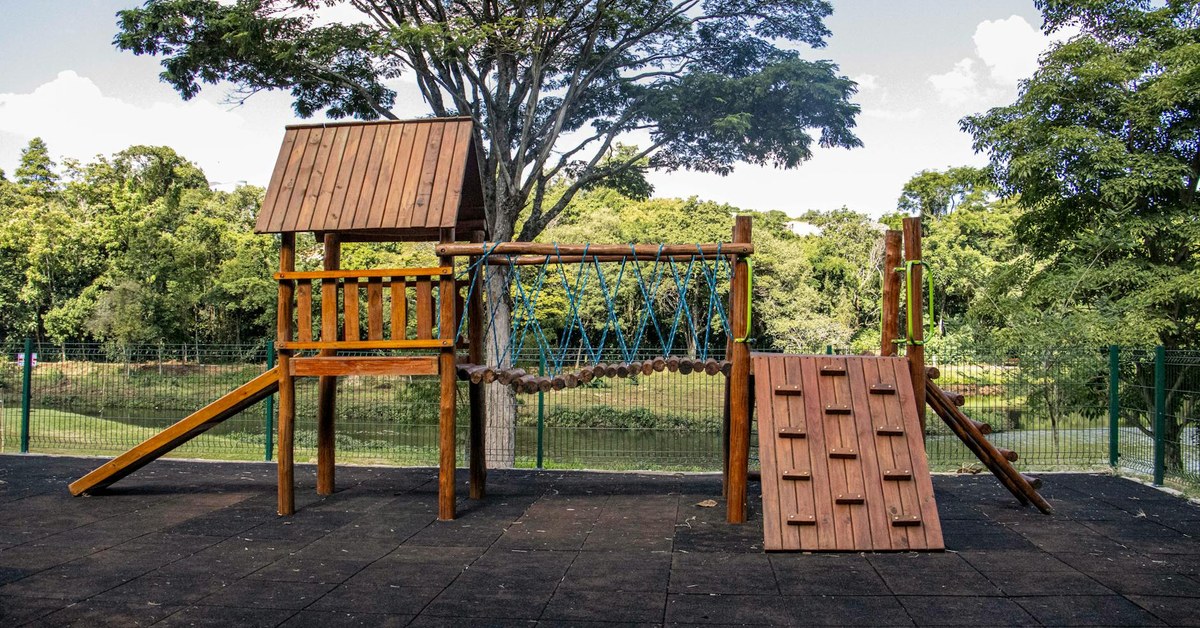
- Play Equipment: Ensure all outdoor play equipment (swings, slides, climbing frames) is age-appropriate, installed correctly, and regularly inspected for wear and tear. Place soft surfacing like wood chips or sand underneath.
- Fencing: Securely fence your garden or outdoor play area to prevent unsupervised wandering.
- Supervision: Always supervise your toddler closely when they are playing outdoors, especially near water features, steep drops, or large objects they might attempt to climb.
What to Do Next
- Conduct a Home Safety Audit: Get down on your hands and knees and crawl through each room of your home from your toddler’s perspective. Identify all potential climbing, tip-over, and fall hazards.
- Purchase and Install Safety Equipment: Acquire high-quality furniture anchor kits, safety gates, window guards, cabinet locks, and other childproofing items. Install them immediately and correctly following manufacturer instructions.
- Educate All Caregivers: Ensure anyone caring for your child, including grandparents or babysitters, understands your childproofing measures and the importance of constant supervision.
- Regularly Re-evaluate: As your child grows and develops new skills, their abilities and the associated risks will change. Re-evaluate your childproofing every few months to ensure it remains effective.
Sources and Further Reading
- Child Accident Prevention Trust (CAPT): https://www.capt.org.uk/
- Royal Society for the Prevention of Accidents (RoSPA): https://www.rospa.com/
- UNICEF Child Safety Resources: https://www.unicef.org/
- U.S. Consumer Product Safety Commission (CPSC) – Furniture Tip-over Information: https://www.cpsc.gov/