Choking Prevention for Babies and Toddlers
A comprehensive guide for parents on preventing choking in babies and toddlers, covering high-risk foods, dangerous objects, how to prepare food safely, and what to do in a choking emergency.
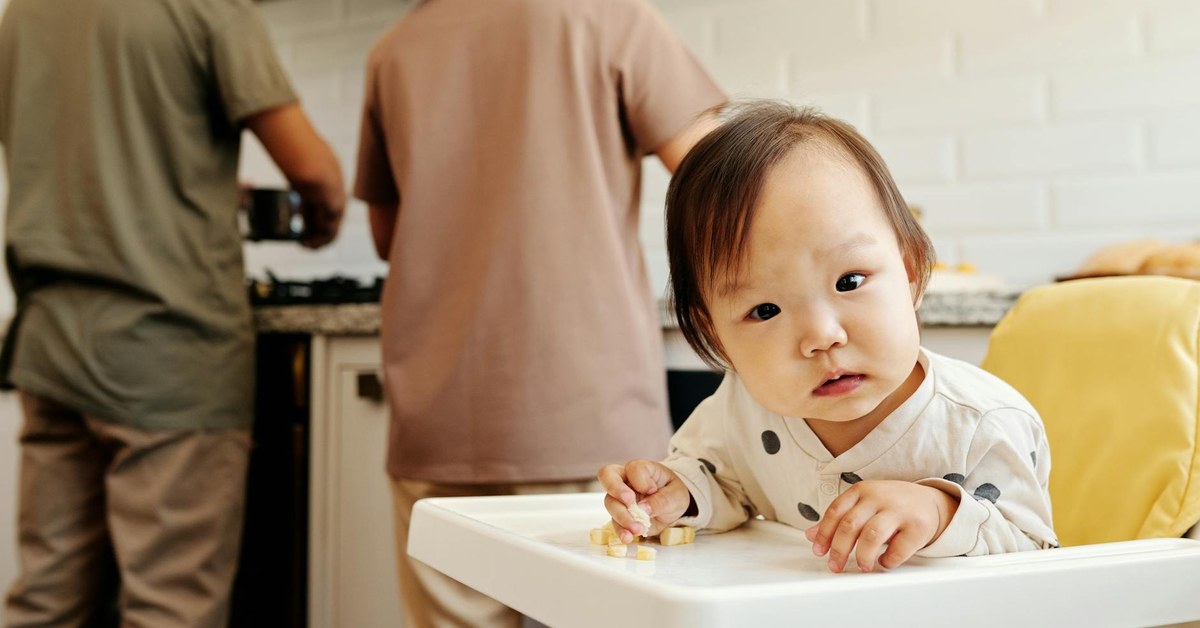

Choking Prevention for Babies and Toddlers
“A comprehensive guide for parents on preventing choking in babies and toddlers, covering high-risk foods, dangerous objects, how to prepare food safely, and what to do in a choking emergency.”
Why Choking Is a Serious Risk for Young Children
Choking is a leading cause of injury and death in children under five. Young children are at elevated risk for several developmental reasons: they have small airways, are still learning to chew effectively, are easily distracted while eating, and explore the world by putting things in their mouths. Understanding which foods and objects pose the greatest risk, and knowing what to do if a child chokes, can be lifesaving knowledge for every parent and carer.
High-Risk Foods for Babies and Toddlers
Some foods are particularly dangerous for young children because of their size, shape, texture, or consistency. The following foods are most commonly associated with choking in under-fives and should be modified or avoided:
- Whole grapes and cherry tomatoes: Their round shape and smooth surface make them perfectly sized to block a young airway. Always cut grapes and cherry tomatoes into quarters lengthways, not just halves.
- Whole nuts and seeds: Avoid giving whole nuts to children under five. Nut butters spread thinly are generally safe for children without nut allergies from around six months.
- Hard raw vegetables: Carrots, celery, and similar hard vegetables should be finely grated or cooked until soft for young children.
- Whole blueberries and similar berries: These should be cut in half for children under two.
- Hot dogs and sausages: These should be cut lengthways and then into small pieces, not just sliced into rounds which are the exact size and shape to block an airway.
- Hard sweets and boiled sweets: Avoid entirely for children under five.
- Popcorn: Not recommended for children under five.
- Large pieces of meat or cheese: Cut all meat and cheese into very small pieces for young children.
- Stringy or tough foods: Stringy vegetables, tough meat, and similar textures can be hard for young children to manage safely.
Preparing Food Safely for Young Children
Safe food preparation for young children includes:
- Cutting food into pieces no larger than 1 to 1.5 cm for children under two, and no larger than 2 cm for children aged two to five
- Cutting round foods such as grapes into quarters lengthways
- Cooking vegetables until soft enough to mash between fingers
- Removing all bones from meat and fish before serving
- Checking for unexpected hard pieces in products like bread rolls (seeds) or ready meals
Dangerous Household Objects
Young children explore with their mouths and can choke on a wide range of non-food objects. The most commonly dangerous include:
- Coins of any denomination
- Small toys and toy parts, particularly those from older children sets
- Batteries, especially small button batteries which can also cause chemical burns in the airway
- Marbles, beads, and small balls
- Pen caps, lids, and small plastic pieces
- Balloons (both uninflated and pieces of burst balloons)
- Hair clips and hair bands
- Small magnets
The general rule used by safety organisations: if an object fits inside a toilet roll tube, it is small enough to be a choking hazard for a child under three. Store small objects out of reach, store older children toys in a space young siblings cannot access, and get down to floor level periodically to check for small items that have been dropped or missed.
Button batteries deserve special mention: if a child swallows a button battery, go to the nearest emergency department immediately without delay. A button battery can cause severe chemical burns to the oesophagus within two hours and is a medical emergency.
Safe Eating Practices
Beyond food preparation, how children eat matters as much as what they eat:
- Always sit children down to eat. Never allow young children to walk, run, or play while eating.
- Supervise mealtimes closely for young children.
- Encourage children to take small bites and chew thoroughly. Model this yourself.
- Avoid distracting young children excessively during meals, as distraction causes them to swallow before food is adequately chewed.
- Do not rush mealtimes.
Recognising Choking in a Young Child
A child who is choking may: be unable to cry, speak, or make sound; turn red and then blue or grey around the mouth; look frightened and be clutching at their throat; be making high-pitched noises or no noise at all while clearly struggling to breathe.
A child who is coughing forcefully is not choking: an effective cough is the body doing exactly what it should. Encourage the cough and stand by. Only intervene with back blows and abdominal thrusts if the cough is ineffective and the child is clearly in distress.
What to Do If a Child Is Choking
First aid for choking differs between babies under one year and older children. Every parent and carer should learn infant and child first aid from a qualified instructor and keep that knowledge refreshed. The following is a general overview and does not replace hands-on training.
For a baby under one year: hold the baby face-down along your forearm with their head lower than their body. Give up to five firm back blows between the shoulder blades with the heel of your hand. If the object has not dislodged, turn the baby face-up and give up to five chest thrusts using two fingers on the centre of the chest. Repeat the sequence and call emergency services if the obstruction does not clear.
For a child over one year: give up to five back blows between the shoulder blades with the heel of your hand while bending the child forward. If back blows do not work, give up to five abdominal thrusts (the Heimlich manoeuvre). Repeat the sequence. Call emergency services immediately if the object does not clear or if the child loses consciousness.
Learning these techniques from a certified first aid instructor is strongly recommended for all parents and carers of young children. Many local organisations offer infant and child first aid courses, and the investment of a few hours can genuinely save a life.