Cruise Safety for Older Adults: How to Stay Safe
Cruises are enormously popular with older travellers, offering a blend of comfort, varied destinations, and social connection. But a cruise also presents specific safety considerations around health, onboard security, shore excursions, and emergency preparedness. This guide covers everything you need to know before you set sail.

Cruise Safety for Older Adults: How to Stay Safe
“Cruises are enormously popular with older travellers, offering a blend of comfort, varied destinations, and social connection. But a cruise also presents specific safety considerations around health, onboard security, shore excursions, and emergency preparedness. This guide covers everything you need to know before you set sail.”
Why Cruises Appeal to Older Travellers
Cruise holidays have long been popular with older adults, and with good reason. The combination of comfortable accommodation, meals included, entertainment, and the ability to visit multiple destinations without repeatedly packing and unpacking creates a style of travel that suits many people in later life. For those who might find independent travel increasingly tiring or logistically complicated, the structured environment of a cruise ship offers genuine reassurance.
However, the nature of cruising also creates some specific safety considerations. Being at sea means that access to specialised medical care can be limited. Shore excursions in unfamiliar ports carry their own risks. Infectious illnesses can spread quickly in an enclosed environment. And the combination of moving decks, wet surfaces, and unfamiliar layouts means that falls are a real concern. Understanding these risks and preparing accordingly means you can enjoy all the pleasures of a cruise with confidence.
Pre-Cruise Health Preparation
Before any cruise, particularly a long one or one visiting regions with specific health risks, a visit to your GP or a travel health clinic is worthwhile. This is especially true if you have ongoing health conditions that require regular medication or monitoring.
Discuss your planned itinerary and ask whether any vaccinations are recommended for the ports you will visit. Hepatitis A vaccination is commonly recommended for cruise passengers visiting developing countries. Other vaccines may be relevant depending on the specific destinations, including typhoid, yellow fever, or rabies depending on shore excursion activities.
Bring sufficient medication for the entire voyage plus a reserve of at least a week in case of delays. Keep medication in its original labelled packaging and carry it in your hand luggage rather than in checked baggage. A written list of all medications, including the generic names rather than only brand names, is extremely useful if you need medical care onboard or in a foreign port where local doctors may not recognise specific brand names.
Obtain a letter from your GP summarising your medical history, current conditions, and medications. This document is invaluable if you require treatment onboard or in a foreign healthcare system. It saves time and reduces the risk of medication interactions or contraindications being overlooked in an unfamiliar healthcare setting.
Travel Insurance for Cruise Passengers
Standard travel insurance may not adequately cover cruise-specific risks, so it is essential to check your policy carefully or to purchase specialist cruise insurance.
Medical evacuation from a ship at sea, or from a remote port, can cost tens of thousands of pounds or dollars. Ensure your policy covers emergency medical evacuation to a facility capable of treating your condition, not simply to the nearest hospital in any port. Some policies cap evacuation costs at levels that would not cover a real emergency at sea.
Missed port coverage is a cruise-specific consideration. If you are unable to embark because of illness, injury, or circumstances beyond your control, or if you miss a port stop because the ship cannot dock, you may lose excursion costs and related expenses. Good cruise insurance covers these eventualities.
Pre-existing conditions must be declared. Failing to declare a condition that subsequently requires treatment abroad can invalidate your policy entirely, leaving you responsible for potentially enormous costs. Be thorough and honest when completing insurance applications.
Check the upper limit on medical expenses. Given that medical care on a cruise ship or in emergency situations abroad can be very expensive, a policy with a medical limit below one million pounds or an equivalent amount in another currency may not provide adequate coverage.
Onboard Health: Preventing Norovirus and Respiratory Illness
Gastrointestinal illness, particularly Norovirus, is one of the most common health problems on cruise ships. The close quarters, shared surfaces, and communal dining areas create conditions where illnesses can spread rapidly once introduced. Respiratory illnesses including influenza and COVID-19 also circulate in the enclosed shipboard environment.
Frequent and thorough handwashing is the single most effective preventive measure. Wash your hands with soap and warm water for at least twenty seconds before meals, after using the toilet, after touching shared surfaces such as handrails and lift buttons, and after disembarking and returning to the ship. Many cruise ships have hand sanitiser stations at the entrance to dining areas and encourage passengers to use them. Taking this encouragement seriously makes a real difference.
If you feel unwell with symptoms of gastroenteritis, including nausea, vomiting, or diarrhoea, report to the ship's medical centre immediately rather than attempting to continue your activities. Isolating yourself while infectious is a social responsibility as well as a health one. Cruise lines take outbreaks seriously and have protocols to contain them, but these only work if passengers report symptoms promptly.
Ensure your influenza vaccination is up to date before travelling. Older adults are at higher risk of serious complications from flu, and the enclosed shipboard environment makes transmission more likely than in everyday settings. Some cruise lines encourage or require passengers to be vaccinated.
Mobility and Fall Prevention Onboard
A cruise ship is not a static environment. The ship moves, decks can be wet from sea spray or rain, and the combination of unfamiliar layouts, narrow corridors, and varied deck surfaces creates fall risks that do not exist in most daily environments.
Wear shoes with non-slip soles throughout the ship, not just on deck. Even carpeted corridors can present unexpected hazards when the ship rolls. If you use a walking aid at home, bring it with you. Many cruise ships are well equipped for passengers with mobility needs, but it is worth contacting the cruise line before booking to confirm that accessibility features meet your specific requirements.
Be particularly careful when moving between the ship and the dock or tender boat. This transition involves crossing a gap that may move as the vessel shifts, often on a gangway that has a slight slope. Take your time, hold the handrail, and accept assistance from crew members when offered. There is no benefit in rushing this step.
When the ship is at sea in rough weather, additional caution is warranted. The sea conditions can change quickly, and unexpected large waves can cause the ship to roll significantly. If conditions feel rough, hold handrails when moving through the ship, consider spending more time in lower and more central parts of the vessel where motion is reduced, and postpone activities on open decks until conditions improve.
Shore Excursions: Staying Safe in Port
Shore excursions are often the highlight of a cruise itinerary, but they also represent the period of greatest safety exposure. You are in an unfamiliar city or country, potentially without clear communication options if your mobile phone does not work locally, and often in an environment where tourist-targeting criminals know cruise ship arrival schedules.
Booking excursions through the cruise line rather than independently provides a layer of protection. If something goes wrong, or if an excursion runs late and you miss the ship's departure time, the cruise line is more likely to wait or assist if you are on one of their organised tours. Independent excursions offer more flexibility but place all responsibility for timing and safety on you.
If you arrange your own activities in port, research the area before you arrive. Understand which neighbourhoods are considered safe for tourists, what common local scams look like, and how to contact emergency services in that country. Keep the ship's phone number, your travel insurance emergency number, and a backup contact number easily accessible.
Carry only what you need in port. Leave valuables including large amounts of cash, extra bank cards, and your passport (unless required for immigration) in the ship's safe. A photocopy of your passport and a note of your cabin number is usually sufficient for a day excursion.
In crowded tourist areas such as markets, historic sites, and transport hubs, pickpocketing is common in many parts of the world. Wear bags across your body rather than over one shoulder, be aware of anyone who crowds you unexpectedly, and keep your phone in a secure pocket rather than in your hand.
The Ship's Medical Facilities
Most large cruise ships have medical centres staffed by qualified doctors and nurses, equipped to handle common medical situations including injuries, heart events, and minor surgery. However, these facilities are not full hospitals and have significant limitations. Major trauma, complex surgery, certain specialist interventions, and the treatment of serious ongoing conditions may require evacuation to a land-based facility.
If you have a medical event onboard, report to the medical centre promptly. Do not attempt to manage a significant health event alone in your cabin. The medical staff are trained and equipped to assess the situation and, if necessary, to coordinate with emergency services ashore or to arrange medical evacuation.
Medical care on cruise ships is not free. You will be billed for consultations, treatment, and medications. This is another reason why comprehensive travel insurance, including medical coverage, is not optional but essential. Ensure you have your insurance documentation and emergency contact number easily accessible.
Sun, Heat, and Dehydration at Sea
Cruise itineraries in warm regions, including the Mediterranean, Caribbean, and Southeast Asia, expose passengers to significant sun and heat. Older adults are more susceptible to heat-related illness than younger people, partly because the body's ability to thermoregulate declines with age, and partly because common medications including diuretics and blood pressure tablets can affect the body's response to heat.
Apply sunscreen with a high SPF before going on deck or ashore, and reapply it every two hours and after swimming. Wear a hat and lightweight, breathable clothing that covers your arms. Seek shade during the hottest parts of the day, typically between 11am and 3pm.
Stay well hydrated. Drink water regularly throughout the day without waiting to feel thirsty. Be aware that alcohol, which is widely available on cruise ships, is dehydrating and can increase your risk of heat-related illness. Symptoms of heat exhaustion include heavy sweating, weakness, cold and pale skin, a fast weak pulse, nausea, and fainting. If you or someone with you experiences these symptoms, move to a cool environment immediately and seek medical assistance.
Security Onboard the Ship
Modern cruise ships take passenger security seriously, with controlled access systems, CCTV coverage, and trained security personnel. However, a ship carrying thousands of passengers from diverse backgrounds requires personal vigilance from passengers as well.
Use the safe in your cabin for valuable items, passports, and excess cash. Do not leave these items on display in your cabin or unattended on deck. Keep your cabin key card secure, and if it is lost, report it to reception immediately for cancellation and replacement.
Social events and the relaxed atmosphere of a cruise can encourage people to be less guarded than they would be in other settings. Be thoughtful about the personal information you share with other passengers, and be cautious about accepting drinks from strangers. The same common sense that applies in any social setting applies onboard.
Preparing an Emergency Plan
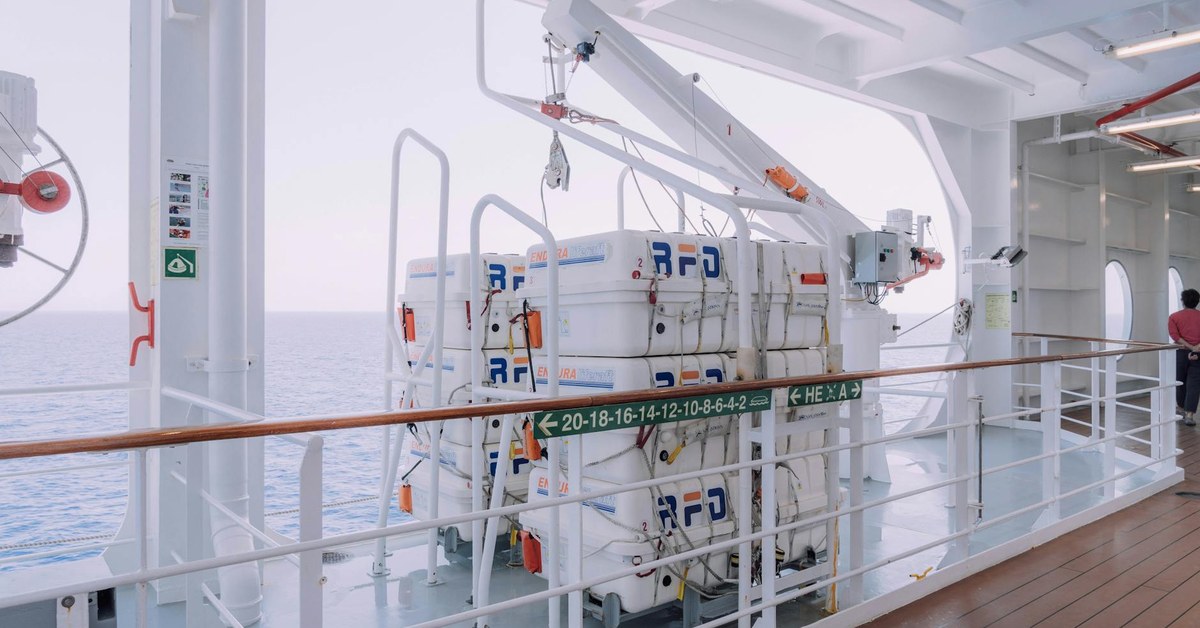
All passengers on a cruise ship are required to attend a safety drill, also called a muster drill, before the ship departs on its first voyage. This drill shows you the location of life jackets, your muster station, and the basic emergency procedures. Take this seriously and pay attention rather than treating it as an inconvenience.
Know how to locate your muster station and your life jacket in the dark or in a hurry. Familiarise yourself with the layout of the ship, including the nearest stairways to your cabin, as lifts may be out of service in an emergency. If you have any mobility limitations, inform the cruise line at the time of booking so that appropriate arrangements can be made.
Keep a charged mobile phone in your cabin at night. If you feel unwell or encounter an emergency during the night, being able to call for help from your cabin is important. Most cabins have direct telephone lines to reception and to the medical centre as well.
Enjoying Your Cruise With Confidence
The vast majority of cruise passengers have uneventful, enjoyable holidays. The preparation described in this guide is not intended to create anxiety but to give you the knowledge and tools to handle anything that does go wrong quickly and effectively.
Booking with a reputable cruise line, preparing thoroughly before departure, carrying comprehensive insurance, and practising sensible day-to-day safety habits onboard and ashore are all you need to turn a cruise into exactly what it should be: a relaxing, enriching, and memorable travel experience.