Beyond Coping Skills: How to Help Your Child Cultivate a Resilient 'Inner Coach' for Emotional Strength
Discover how to guide your child in developing a powerful 'inner coach' for positive self-talk and lasting emotional resilience, beyond basic coping strategies.
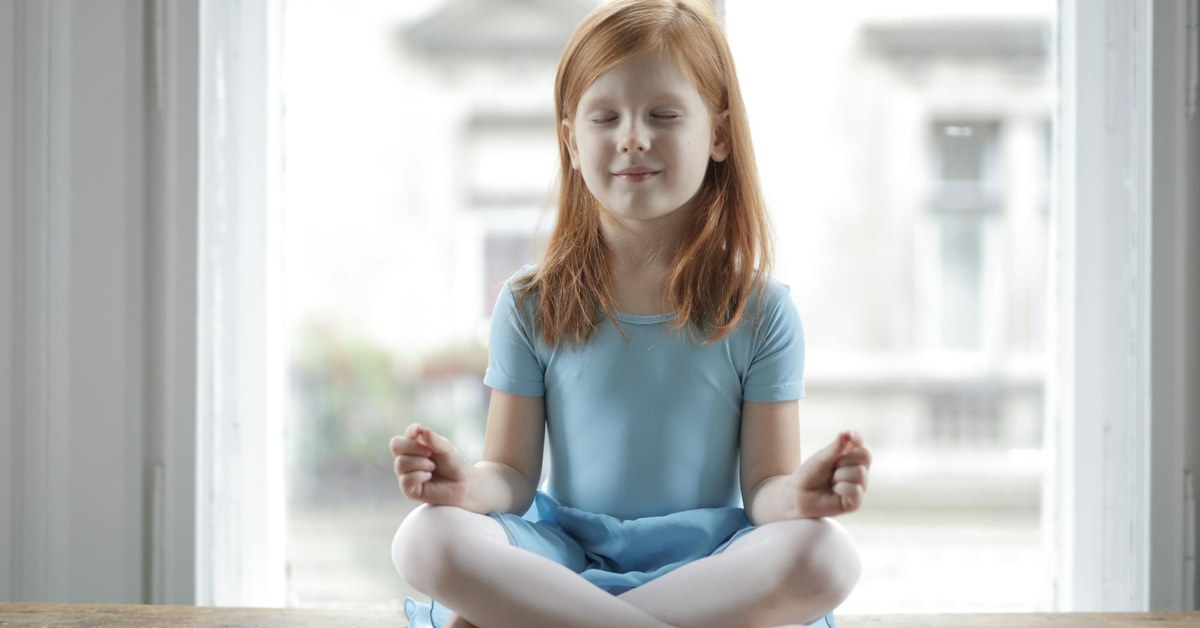

Beyond Coping Skills: How to Help Your Child Cultivate a Resilient 'Inner Coach' for Emotional Strength
“Discover how to guide your child in developing a powerful 'inner coach' for positive self-talk and lasting emotional resilience, beyond basic coping strategies.”
Every parent hopes their child will navigate life’s challenges with courage and composure. While teaching coping skills for difficult moments is valuable, true emotional strength comes from within. This article explores how to go beyond reactive strategies and proactively help your child cultivate an inner coach for resilience – a powerful internal voice that promotes positive self-talk, problem-solving, and a growth mindset. This inner mentor helps children build foundational emotional strength, equipping them not just to get through tough times, but to thrive.
Understanding the ‘Inner Coach’ and Its Power
The ‘inner coach’ is a metaphor for a child’s internal monologue, their self-talk, when it is constructive, encouraging, and solution-focused. It stands in contrast to an ‘inner critic,’ which can undermine confidence and foster negative thinking. Developing this positive internal voice is crucial for building emotional strength in children because it transforms how they interpret and respond to setbacks.
According to a 2021 UNICEF report, mental health conditions account for 13% of the global disease burden in young people aged 10-19 years, underscoring the urgent need for proactive mental wellbeing strategies. While coping mechanisms like deep breathing or taking a break are important, they often serve as immediate responses to distress. An ‘inner coach,’ however, fosters a deeper, more enduring form of resilience. It is not just about managing stress; it is about building the psychological architecture that helps a child approach challenges with optimism and self-belief.
“Cultivating an inner coach empowers children to become active participants in their own emotional regulation and problem-solving,” explains a leading child psychologist. “It shifts them from feeling like passive recipients of circumstances to capable agents of change in their own lives.” This internal guidance system helps children recognise their abilities, learn from mistakes, and maintain perspective, which are vital components of long-term mental wellbeing.
Key Takeaway: The ‘inner coach’ is a child’s positive, encouraging internal voice that promotes self-belief and problem-solving, offering a deeper, more proactive form of resilience than reactive coping skills alone.
Foundational Steps to Develop an Inner Coach
Building an inner coach requires consistent effort and a supportive environment. Parents play a pivotal role in laying this groundwork.
Model Positive Self-Talk
Children learn by observing. When you articulate your own positive self-talk, you provide a blueprint for your child. For instance, instead of saying, “I messed that up,” try, “That didn’t go as planned, but I can learn from it and try a different approach next time.” * Verbalise your thought process: “This task feels challenging, but I’ll break it down into smaller steps.” * Acknowledge mistakes constructively: “Oops, I made a mistake, but everyone does. What can I do to fix it?” * Celebrate small wins: “I finally finished that difficult chore. I feel good about sticking with it.”
Name and Validate Emotions
Before a child can coach themselves, they need to understand their emotional landscape. Help them identify and label their feelings without judgment. This emotional literacy is the first step towards self-regulation. * Use feeling words: “It looks like you’re feeling frustrated right now because your tower fell down.” * Validate their experience: “It’s completely understandable to feel sad when something you worked hard on breaks.” * Connect feelings to actions: “When you feel angry, your body might feel hot. What does your inner coach say you can do when you feel that way?”
Encourage Problem-Solving
Shift your child’s focus from dwelling on problems to actively seeking solutions. This nurtures their ability to think critically and take initiative, core functions of an inner coach. 1. Ask open-ended questions: Instead of solving the problem for them, ask, “What ideas do you have to fix this?” or “What could you try differently next time?” 2. Brainstorm together: Offer a few suggestions alongside theirs, showing them various approaches. 3. Focus on effort and process: Praise their attempts and persistence, not just the outcome. “You really kept trying with that puzzle, even when it was tricky. That shows great determination!”
Practical Strategies for Cultivating Inner Coach Child Resilience
Once the foundation is set, specific strategies can help children actively develop and strengthen their inner coach.
The Power of Affirmations and Positive Language
Positive affirmations are short, powerful statements that can reprogram negative thought patterns. Encourage your child to create their own, making them personal and meaningful. * Start simple: “I am strong,” “I am kind,” “I can do hard things.” * Make it a routine: Say affirmations in the mirror, before school, or at bedtime. * Use ‘I can’ statements: Shift from “I can’t do this” to “I can learn how to do this.”
Storytelling and Role-Playing
Children often process complex ideas through imaginative play. Use stories and role-playing to illustrate how an inner coach might speak to them. * Create a character: Invent a wise, encouraging character who helps a protagonist overcome challenges. This character can represent the inner coach. * Scenario play: Act out situations where your child faces a challenge (e.g., not being chosen for a game). Discuss what their inner coach would say to help them feel better or find a solution. * Read books about resilience: Many children’s books feature characters who demonstrate perseverance and positive self-talk. [INTERNAL: Recommended Books for Building Child Resilience]
Journaling and Reflection
Journaling provides a private space for children to explore their thoughts and feelings, giving their inner coach a voice. * For younger children (ages 3-6): Encourage drawing pictures about their day, feelings, or what they did well. Ask them to “tell the story” of their drawing. * For primary school children (ages 7-12): Provide a simple notebook or a dedicated journaling kit. Prompt them with questions like: “What was one challenge you faced today, and what did you tell yourself to get through it?” or “What is something you are proud of yourself for?” * For adolescents (ages 13+): Encourage freeform writing about their experiences, reflections on their inner dialogue, and setting personal goals. This helps in developing inner voice children and fostering self-awareness.
Focusing on Strengths and Growth Mindset
Help your child recognise their unique strengths and understand that abilities can grow with effort. This is central to building emotional strength kids. * Highlight specific strengths: “You were so patient helping your friend with that task; your kindness is a real strength.” * Praise effort, not just outcome: “I saw how hard you worked on that project, even when it was tough. That dedication is amazing.” * Discuss brain growth: Explain that brains are like muscles that get stronger with practice and learning from mistakes. * Encourage new challenges: Support them in trying new activities, even if they initially struggle, to reinforce the idea of growth.
Age-Specific Guidance for Developing Inner Voice Children
The approach to cultivating an inner coach evolves as children grow.
- Ages 3-6: Focus on basic emotional vocabulary, simple positive affirmations (“I am brave,” “I am loved”), and modelling positive self-talk. Use puppets or toys to represent the “inner helper.”
- Ages 7-12: Introduce more complex emotional language, encourage simple journaling, discuss how thoughts affect feelings, and practice problem-solving scenarios. Help them identify their personal strengths and how these can help them.
- Ages 13+: Encourage deeper self-reflection through journaling, discuss the difference between an inner coach and an inner critic, and empower them to set their own goals and strategies for managing challenges. Promote critical thinking about media messages and peer influences on their self-talk.
By consistently applying these strategies, you help your child develop their inner voice children into a powerful, resilient inner coach, equipping them with lasting emotional strength for all of life’s journey.
What to Do Next
- Start Small: Choose one strategy, such as modelling positive self-talk or introducing a simple affirmation, and practise it consistently for a week.
- Observe and Reflect: Pay attention to your child’s reactions and internal dialogue. Discuss their feelings openly and without judgment.
- Create a ‘Strength Spotting’ Habit: Regularly point out your child’s efforts, persistence, and kindness to reinforce their positive qualities.
- Engage in Role-Play: Use imaginative scenarios to help your child practise what their inner coach would say in challenging situations.
- Seek Resources: Explore books, online materials, or workshops from reputable organisations like UNICEF or the NSPCC on child mental wellbeing strategies and resilience building. [INTERNAL: Resources for Child Mental Wellbeing]
Sources and Further Reading
- UNICEF. (2021). The State of the World’s Children 2021: On My Mind – promoting, protecting and caring for children’s mental health. Available at: www.unicef.org
- World Health Organisation (WHO). Child and adolescent mental health. Available at: www.who.int/news-room/fact-sheets/detail/child-and-adolescent-mental-health
- NSPCC. Helping children deal with their feelings. Available at: www.nspcc.org.uk/keeping-children-safe/support-for-parents/childrens-feelings/
- The Red Cross. Psychological First Aid for Children. Available at: www.redcross.org/get-help/how-to-prepare-for-emergencies/types-of-emergencies/disaster-mental-health/pfa-children.html