Cultivating Compassion: How Mindfulness Practices Help Children Develop Empathy and Kindness
Discover how simple mindfulness practices can nurture empathy and kindness in children, fostering deeper connections and emotional intelligence from a young age.
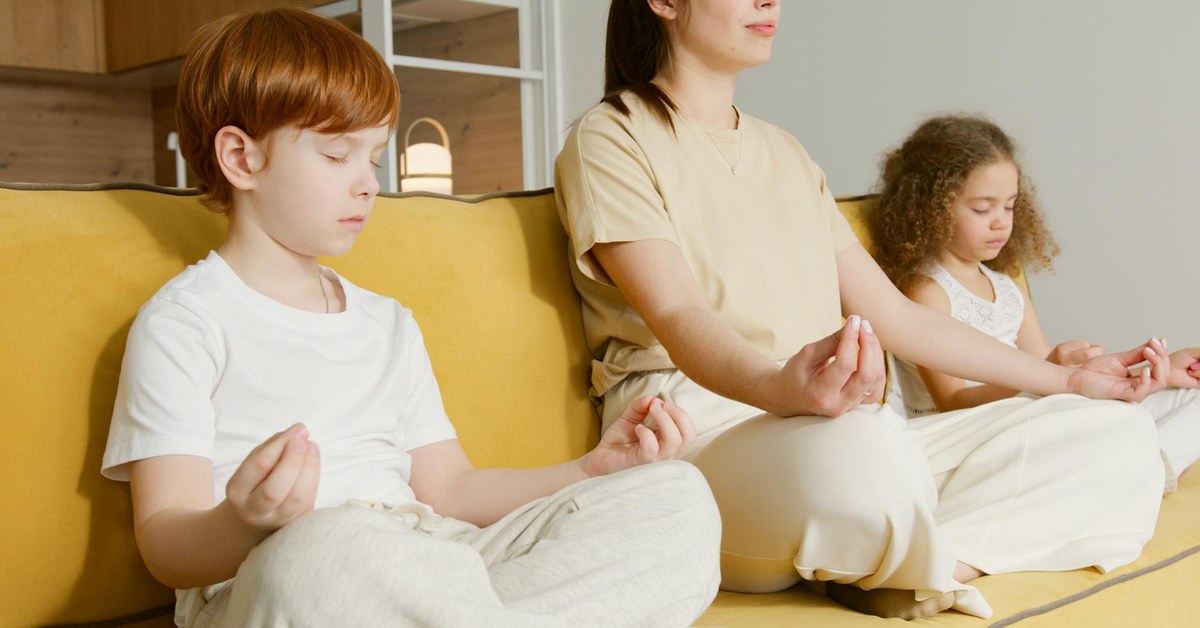

Cultivating Compassion: How Mindfulness Practices Help Children Develop Empathy and Kindness
“Discover how simple mindfulness practices can nurture empathy and kindness in children, fostering deeper connections and emotional intelligence from a young age.”
Fostering a sense of connection and understanding in children is paramount for their healthy development and the creation of harmonious communities. One powerful approach gaining recognition is the integration of mindfulness for empathy in children. By teaching young people to be present and aware, we equip them with the foundational skills to recognise, understand, and share the feelings of others, paving the way for profound kindness and compassionate behaviour. This article explores how simple mindfulness practices can cultivate empathy and kindness, helping children build stronger relationships and navigate the complexities of their emotional worlds.
Understanding Empathy and Its Crucial Role in Child Development
Empathy involves the ability to understand and share the feelings of another. It extends beyond mere sympathy, which is feeling sorry for someone; empathy means truly putting oneself in another’s shoes. Psychologists often distinguish between cognitive empathy (understanding another’s perspective) and emotional empathy (sharing their feelings). Both are vital for healthy social interaction.
Children begin to show rudimentary forms of empathy from a very young age. Toddlers might cry when another child cries, demonstrating a basic emotional contagion. As they grow, their capacity for perspective-taking develops, allowing them to grasp that others have different thoughts, feelings, and experiences from their own.
Research consistently highlights the profound benefits of empathy. According to a 2018 study published in the Journal of Applied Developmental Psychology, children with higher levels of empathy tend to exhibit better social skills, less aggressive behaviour, and stronger academic performance. The World Health Organisation (WHO) recognises social and emotional learning, which includes empathy, as a critical component of holistic child development, contributing to mental wellbeing and resilience. Children who develop strong empathy skills are better equipped to resolve conflicts peacefully, form meaningful friendships, and contribute positively to their families and wider society. [INTERNAL: Benefits of Social-Emotional Learning for Children]
The Synergistic Link Between Mindfulness and Empathy
Mindfulness, at its core, is the practice of paying attention to the present moment without judgment. This seemingly simple act lays crucial groundwork for developing empathy. When children learn mindfulness, they first become more attuned to their own internal states – their thoughts, feelings, and bodily sensations. This self-awareness is the bedrock for understanding others.
“By learning to observe their own emotions with curiosity rather than reactivity, children develop a greater capacity to recognise and validate the emotions they see in others,” explains a leading child psychologist specialising in developmental neuroscience. “Mindfulness cultivates a calm, open state of mind, which is essential for truly listening and responding with compassion.”
Here’s how mindfulness directly supports empathy development:
- Enhanced Self-Awareness: Children learn to identify their own emotions (e.g., “I feel frustrated,” “I feel happy”). This internal mapping helps them recognise similar emotions in others.
- Emotional Regulation: Mindfulness teaches children to pause before reacting, giving them space to choose a kind response instead of an impulsive one. This self-control is key to compassionate action.
- Perspective-Taking: Mindful observation encourages children to consider different viewpoints. When they observe a situation without immediate judgment, they become more open to understanding why someone might feel or act in a particular way.
- Increased Compassion: Regular mindfulness practice, especially loving-kindness meditation, directly cultivates feelings of warmth and goodwill towards themselves and others, naturally extending to empathy.
Key Takeaway: Mindfulness strengthens a child’s internal awareness and emotional regulation, which are fundamental building blocks for understanding and sharing the feelings of others, thereby fostering genuine empathy and kindness.
Practical Mindfulness Activities for Developing Compassion
Integrating mindfulness into a child’s routine does not require lengthy meditation sessions. Short, playful activities can be incredibly effective. Tailor these suggestions to your child’s age and attention span.
For Younger Children (Ages 3-6)
- Belly Breathing Buddies: Have your child lie down and place a small, soft toy (their “breathing buddy”) on their tummy. Encourage them to watch their buddy rise and fall with each breath. This teaches awareness of breath and body.
- Next Step: Ask them how their buddy feels when they breathe slowly or quickly.
- Mindful Listening Game: Sit quietly for one minute and listen to all the sounds around you, inside and outside. Afterwards, ask your child to name everything they heard.
- Next Step: Discuss how different sounds make them feel.
- Kindness Rocks: Decorate smooth stones with positive words or drawings (e.g., “kindness,” “share,” a heart). Place them in a visible spot as a reminder to be kind.
- Next Step: Discuss how they might use their rock to inspire kindness in others.
For Primary School Children (Ages 7-11)
- Gratitude Jar/Journal: Provide a jar and slips of paper, or a simple notebook. Each day, have your child write down one thing they are grateful for. Regularly review these together.
- Next Step: Discuss how expressing gratitude can make them feel, and how acts of kindness from others make them feel.
- Loving-Kindness Meditation (Simplified): Guide them through a short meditation, repeating phrases like, “May I be happy. May I be safe. May I be healthy. May I be peaceful.” Then extend this to loved ones, friends, and even people they find challenging.
- Next Step: Encourage them to visualise sending these kind wishes to someone specific.
- Mindful Movement: Practice simple yoga poses or take a “mindful walk” where they pay attention to their senses – what they see, hear, smell, and feel under their feet.
- Next Step: Discuss how their body feels during and after the movement, linking it to self-care and respect for their own body. [INTERNAL: Introducing Yoga to Children]
For Older Children (Ages 12+)
- Mindful Journaling: Encourage them to write about their feelings, thoughts, and experiences without judgment. This can help process emotions and gain perspective.
- Next Step: Ask them to reflect on a challenging interaction and consider it from the other person’s point of view.
- Compassionate Communication Practice: Role-play difficult conversations, focusing on active listening and expressing feelings using “I” statements, rather than blame.
- Next Step: Discuss how understanding another’s feelings can change how they respond.
- Digital Detox Moments: Encourage short periods away from screens to engage in present-moment activities like reading, drawing, or simply being outdoors.
- Next Step: Reflect on how these breaks impact their mood and ability to connect with others offline.
Integrating Mindfulness into Daily Family Life
Mindfulness is not just a set of exercises; it is a way of being. Families can weave mindfulness into their daily routines to create a naturally compassionate environment.
- Mindful Mealtimes: Encourage children to notice the colours, textures, smells, and tastes of their food. Discuss where the food came from and the effort involved in preparing it. This fosters gratitude and connection.
- Mindful Transitions: Use a chime or a specific phrase to signal transitions (e.g., from playtime to homework, or before bedtime). Take a few deep breaths together to reset and prepare for the next activity.
- Mindful Problem-Solving: When conflicts arise, instead of immediate judgment or punishment, encourage children to pause, breathe, and reflect on their own feelings and the feelings of others involved. Ask questions like, “How do you think [person’s name] feels right now?”
- Modelling Mindful Behaviour: Children learn best by observing. When parents and carers practice mindfulness, manage their own emotions calmly, and demonstrate empathy, children naturally absorb these behaviours.
- Creating a “Calm Corner”: Designate a quiet space in the home with comforting items like cushions, books, or a calming sensory toy. Children can retreat here when feeling overwhelmed, practicing self-regulation. A simple hourglass timer can help them manage their time in this space.
Observing and Nurturing Progress
Developing empathy and kindness through mindfulness is a gradual process. Celebrate small victories and acknowledge effort. Look for these signs of progress:
- Increased Emotional Vocabulary: Children start using more nuanced words to describe their feelings and the feelings of others.
- Improved Conflict Resolution: They might try to understand another’s perspective during disagreements or offer solutions that consider everyone’s feelings.
- Acts of Spontaneous Kindness: Noticing when they share without being asked, comfort a sibling, or offer help to a friend.
- Greater Patience and Listening: They show more willingness to listen to others without interrupting or rushing to judgment.
- Self-Compassion: They are kinder to themselves when they make mistakes, understanding that everyone has challenges.
Reinforce these positive behaviours through praise and discussion. For instance, “I noticed you shared your toy with your friend when they looked sad; that was very kind and thoughtful.” Or, “You really listened to your sister’s problem, and that helped her feel better.” These affirmations strengthen the connection between their actions and the positive impact on others.
What to Do Next
- Start Small: Choose one simple mindfulness activity, like “Belly Breathing Buddies” or a mindful minute of listening, and try it for a few days.
- Be Consistent: Short, regular practice is more effective than infrequent long sessions. Aim for 2-5 minutes daily.
- Model the Behaviour: Let your children see you practising mindfulness and expressing empathy in your own interactions.
- Discuss Feelings Openly: Create a safe space for children to talk about their emotions and to ask about the feelings of others.
- Explore Resources: Look for age-appropriate mindfulness books, apps, or guided meditations specifically designed for children.
Sources and Further Reading
- World Health Organisation (WHO). Guidance on Mental Health Promotion in Schools. www.who.int
- UNICEF. The State of the World’s Children Reports. www.unicef.org
- NSPCC. Understanding Child Development. www.nspcc.org.uk
- Mindfulness in Schools Project (MiSP). Resources for Parents and Educators. www.mindfulnessinschools.org
- Journal of Applied Developmental Psychology. (Referenced for 2018 study on empathy and social skills).