Is Your Child Stressed? Decoding the Hidden Signs and Empowering Them to Cope
Learn to recognize the subtle and overt signs of childhood stress. Decode behavioural cues, understand symptoms, and discover effective strategies to help your child cope and thrive.
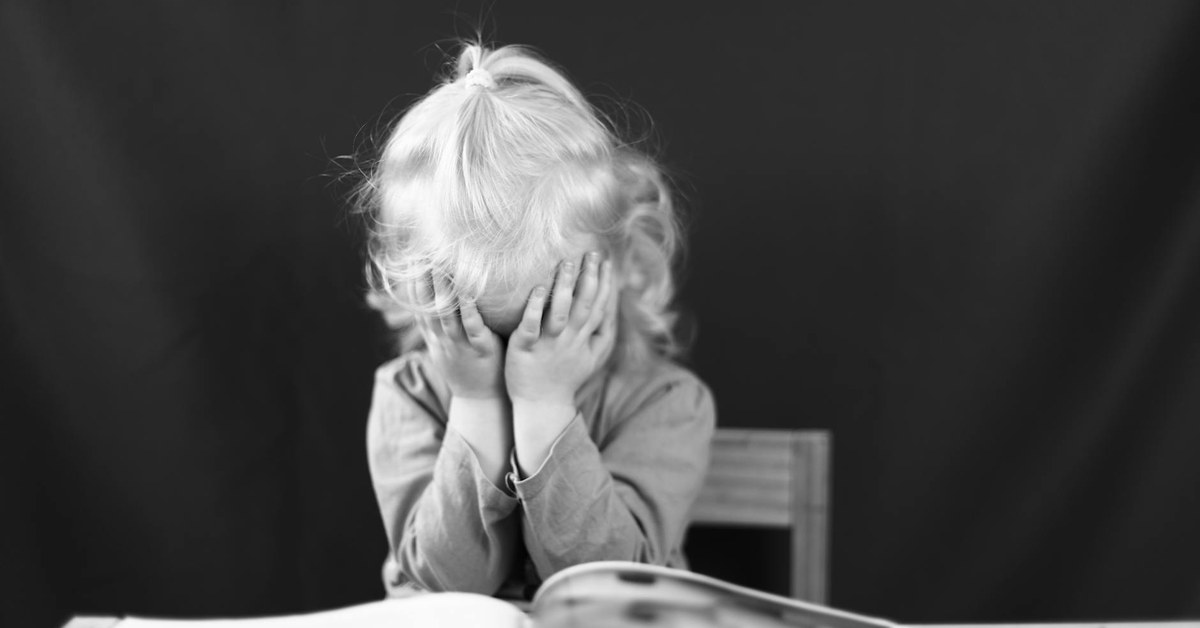

Is Your Child Stressed? Decoding the Hidden Signs and Empowering Them to Cope
“Learn to recognize the subtle and overt signs of childhood stress. Decode behavioural cues, understand symptoms, and discover effective strategies to help your child cope and thrive.”
Children, much like adults, navigate a complex world filled with expectations, changes, and challenges. While many children exhibit resilience, some may struggle with stress that manifests in ways not immediately obvious. Recognising the signs of childhood stress is crucial for parents and caregivers to provide timely support and prevent long-term impacts on a child’s wellbeing and development. This article will help you identify these indicators, understand their root causes, and equip your child with effective coping mechanisms.
Understanding Childhood Stress: More Than Just a Bad Mood
Stress in children is a natural response to perceived threats or demands that exceed their current coping resources. It is not simply about having a “bad day” but rather a sustained or intense emotional and physiological reaction. Children can experience stress from various sources, ranging from everyday pressures to significant life events.
Common stressors for children include: * Academic pressures: Homework, exams, peer competition, bullying. * Family changes: Parental separation or divorce, a new sibling, moving house, financial difficulties. * Social challenges: Friendship issues, feeling excluded, social media pressures. * Health concerns: Chronic illness, injury, or a family member’s health issues. * Global or community events: Natural disasters, pandemics, or community unrest, which children often absorb from adult conversations or media. * Developmental transitions: Starting school, puberty, moving to a new educational stage.
“Children often lack the vocabulary to express their internal struggles,” explains a paediatric psychologist. “Their stress frequently appears as changes in behaviour or physical complaints, making it vital for adults to observe and interpret these cues.”
Key Takeaway: Childhood stress is a natural, yet often hidden, response to perceived challenges, manifesting differently from adult stress. Identifying its varied sources is the first step towards intervention.
Recognising the Signs of Childhood Stress
The signs of childhood stress can be subtle and varied, often mimicking other conditions or simply being dismissed as “just a phase.” However, consistent patterns of change in behaviour, emotions, or physical health warrant closer attention.
Behavioural Changes
Behavioural shifts are often the most noticeable indicators that a child is struggling. These can include: * Increased irritability or aggression: Short temper, frequent outbursts, arguing more than usual with siblings or peers. * Withdrawal: Becoming quieter, spending more time alone, losing interest in previously enjoyed activities, avoiding social interactions. * Regression: Reverting to younger behaviours, such as bedwetting after being toilet trained, thumb-sucking, or demanding constant attention. * Changes in eating habits: Eating significantly more or less than usual, developing an aversion to certain foods, or secretive eating. * Sleep disturbances: Difficulty falling asleep, frequent nightmares, waking up repeatedly during the night, or excessive sleeping. * Increased clinginess or separation anxiety: Especially in younger children, an increased fear of being separated from a parent or caregiver. * Defiance or non-compliance: Pushing boundaries more frequently, refusing to follow rules, or acting out in school. * Risk-taking behaviour: In older children and teenagers, this might include experimenting with substances or engaging in dangerous activities.
Emotional Indicators
Children experiencing stress may exhibit a range of emotional difficulties: * Persistent sadness or tearfulness: Crying more easily or frequently without an obvious reason. * Anxiety and worry: Expressing constant fears, excessive worrying about future events, or being overly concerned about making mistakes. * Mood swings: Rapid shifts from happy to sad, angry, or anxious. * Fearfulness: Developing new or intensified fears, such as fear of the dark, specific animals, or being alone. * Low self-esteem: Expressing feelings of inadequacy, worthlessness, or self-blame. * Lack of enthusiasm: Appearing disinterested or apathetic towards activities they once enjoyed.
Physical Symptoms
Stress can manifest physically, particularly when children lack the words to express their distress. These child stress symptoms are often dismissed as physical ailments but can be stress-related: * Frequent headaches: Complaining of head pain, especially when there is no obvious medical cause. * Stomach aches or digestive issues: Recurrent tummy pains, nausea, or changes in bowel habits (constipation or diarrhoea). * Fatigue or low energy: Feeling tired even after adequate sleep, lethargy, or a lack of usual energy. * Muscle tension or aches: Complaining of stiff neck, shoulders, or general body aches. * Changes in appetite or weight: Unexplained weight loss or gain. * Skin conditions: Flare-ups of eczema or development of new rashes. * Frequent illness: A weakened immune system can lead to more frequent colds or infections.
Cognitive Manifestations
Stress can also impact a child’s thinking and learning abilities: * Difficulty concentrating: Struggling to focus on tasks, easily distracted, or forgetful. * Academic decline: A sudden drop in school performance, trouble keeping up with schoolwork, or reluctance to attend school. * Negative self-talk: Expressing pessimistic thoughts, saying “I can’t do it,” or being overly critical of themselves. * Decision-making difficulties: Struggling to make choices, even simple ones.
Age-Specific Manifestations of Stress
Understanding how to tell if a child is stressed often requires considering their developmental stage, as signs can vary significantly with age.
Toddlers and Preschoolers (Ages 0-5)
Young children often express stress through physical and behavioural regression. * Increased tantrums: More frequent or intense emotional outbursts. * Separation anxiety: Becoming extremely distressed when a parent leaves. * Sleep problems: Difficulty sleeping alone, frequent waking, or nightmares. * Toilet training regression: Starting to wet themselves again after being toilet trained. * Changes in eating: Refusing food or demanding specific comfort foods. * Clinginess: Needing constant physical closeness or reassurance.
Primary School Children (Ages 6-12)
Children in this age group may start to express their feelings more verbally but still show behavioural signs. * School refusal: Expressing reluctance or refusal to go to school, often with physical complaints (stomach aches, headaches) that disappear once they stay home. * Social withdrawal: Avoiding friends, preferring to play alone, or difficulty making new friends. * Aggression or defiance: Arguing with teachers, fighting with peers, or pushing boundaries at home. * Increased worry: Expressing concerns about school performance, friendships, or family issues. * Physical complaints: Frequent, unexplained headaches or stomach aches. * Perfectionism: Becoming overly focused on getting things “just right” and distressed by mistakes.
Teenagers (Ages 13-18)
Adolescents often exhibit stress through mood changes, social withdrawal, and sometimes risky behaviours. * Significant mood swings: More intense and frequent shifts in mood than typical adolescent irritability. * Social isolation: Withdrawing from friends, family, or social activities. * Academic decline: A sudden and sustained drop in grades or lack of interest in school. * Changes in appearance or hygiene: Neglecting personal care or an obsession with appearance. * Increased conflict: Frequent arguments with parents, teachers, or peers. * Substance use: Experimenting with alcohol, nicotine, or drugs as a coping mechanism. * Self-harm ideation: Expressing thoughts of self-harm or engaging in self-injurious behaviours (e.g., cutting). * Sleep pattern changes: Staying up late, difficulty waking, or sleeping excessively. * Excessive screen time: Using digital devices as an escape from real-world problems.
“A concerning statistic from UNICEF indicates that globally, approximately 1 in 7 adolescents aged 10-19 years lives with a diagnosed mental disorder,” states a mental health expert. “Many of these disorders are exacerbated or triggered by unmanaged stress, highlighting the need for early recognition and support.” [INTERNAL: Adolescent Mental Health]
When to Seek Professional Help
While many stress responses are temporary, persistent or severe child stress symptoms require professional intervention. Consider seeking help if: * The signs of stress are severe, impacting daily functioning (school, friendships, family life). * Symptoms last for several weeks or months without improvement. * Your child expresses thoughts of self-harm, harming others, or appears hopeless. * You feel overwhelmed and unsure how to support your child effectively. * There is a significant change in your child’s personality or behaviour.
Organisations like the NSPCC in the UK or ChildLine internationally offer valuable resources and helplines for children and parents. A general practitioner (GP) can also provide initial guidance and referrals to child psychologists, therapists, or counsellors.
Empowering Children: Effective Coping Mechanisms
Once you recognise the signs of childhood stress, the next crucial step is to empower your child with healthy kids coping mechanisms. This involves creating a supportive environment and teaching practical skills.
Creating a Supportive Environment
- Open Communication: Foster an environment where your child feels safe to talk about their feelings without judgment. Listen actively and validate their emotions, even if you do not fully understand them. Say things like, “It sounds like you’re feeling really frustrated right now, and that’s okay.”
- Predictable Routine: Children thrive on predictability. Establish consistent routines for meals, homework, playtime, and bedtime. This creates a sense of security and control.
- Quality Time: Spend dedicated, one-on-one time with your child. This strengthens your bond and provides opportunities for them to open up.
- Sense of Safety: Ensure your child feels physically and emotionally safe at home and at school. Address any bullying or conflict promptly.
- Praise and Encouragement: Recognise and celebrate their efforts and achievements, boosting their self-esteem and resilience.
Teaching Practical Coping Skills
Help your child develop a toolkit of strategies to manage stressful moments. 1. Deep Breathing Exercises: Teach simple techniques like “smell the flower, blow out the candle” or “balloon breathing” (imagine your tummy is a balloon inflating and deflating). Practice these together when calm, so they can use them when stressed. 2. Mindfulness and Grounding: Introduce age-appropriate mindfulness exercises, such as noticing five things they can see, four things they can hear, three things they can feel, two things they can smell, and one thing they can taste. 3. Problem-Solving Skills: Guide them through identifying the problem, brainstorming solutions, evaluating pros and cons, and choosing a course of action. For example, if they are worried about a test, help them create a study schedule. 4. Emotional Regulation Techniques: Help them label their emotions (e.g., “I feel angry,” “I feel sad”). Discuss healthy ways to express these feelings, such as drawing, writing in a journal, or talking to a trusted adult. 5. Positive Self-Talk: Encourage them to challenge negative thoughts. Instead of “I can’t do it,” suggest “I will try my best.”
Encouraging Healthy Habits
A strong foundation of physical and mental health is vital for stress resilience. * Adequate Sleep: Ensure your child gets enough sleep for their age. The American Academy of Sleep Medicine recommends 9-12 hours for 6-12 year olds and 8-10 hours for 13-18 year olds. A consistent bedtime routine is key. [INTERNAL: Sleep Hygiene for Children] * Balanced Nutrition: A diet rich in fruits, vegetables, and whole grains supports brain function and mood regulation. Limit sugary drinks and processed foods. * Regular Physical Activity: Exercise is a powerful stress reliever. Encourage daily active play, sports, or outdoor activities. * Creative Expression: Provide opportunities for drawing, painting, music, writing, or imaginative play. These outlets can help children process emotions non-verbally. * Limited Screen Time: Excessive screen use, especially before bed, can disrupt sleep and increase anxiety. Set clear boundaries for digital device usage.
Role-Modelling Resilience
Children learn by observing. Your own coping mechanisms significantly influence theirs. * Manage Your Own Stress: Demonstrate healthy ways you handle stress, whether it is through exercise, hobbies, or talking about your feelings. * Positive Outlook: Show your child how to approach challenges with a positive attitude and view mistakes as learning opportunities. * Seek Support: Do not be afraid to seek support for yourself if you are struggling. This teaches your child that it is okay to ask for help.
Key Takeaway: Empowering children to cope with stress involves creating a nurturing home environment, teaching specific emotional and practical skills, and consistently modelling healthy behaviours.
What to Do Next
Recognising and addressing childhood stress is an ongoing process that requires patience and understanding. Take these concrete steps to support your child’s wellbeing:
- Observe and Document: Keep a discreet record of any changes in your child’s behaviour, emotions, or physical symptoms. Note when they occur and what might have triggered them. This can help identify patterns and provide valuable information if you seek professional help.
- Initiate Open Conversations: Choose a calm, quiet moment to talk with your child. Start by expressing your observations and concerns gently, using “I” statements (e.g., “I’ve noticed you seem a bit quieter lately, and I’m wondering if something is bothering you”). Listen more than you speak.
- Implement Coping Strategies: Introduce one or two new coping mechanisms, such as deep breathing or a designated “worry time,” and practice them regularly. Make it a family activity to normalise these skills.
- Review Routines and Environment: Assess your child’s daily schedule for potential stressors. Are they overscheduled? Is their sleep adequate? Are there unresolved conflicts at home or school? Make necessary adjustments to create a more supportive and less demanding environment.
- Consult a Professional if Needed: If your child’s stress signs are persistent, severe, or you feel overwhelmed, contact your GP or a child mental health specialist. Early intervention can make a significant difference in a child’s long-term mental health.
Sources and Further Reading
- World Health Organisation (WHO): Adolescent mental health. www.who.int/news-room/fact-sheets/detail/adolescent-mental-health
- UNICEF: The State of the World’s Children 2021 - On My Mind: promoting, protecting and caring for children’s mental health. www.unicef.org/reports/state-worlds-children-2021
- National Society for the Prevention of Cruelty to Children (NSPCC): Children’s mental health. www.nspcc.org.uk/keeping-children-safe/childrens-mental-health/
- American Academy of Pediatrics: HealthyChildren.org - Stress and Children. www.healthychildren.org/English/healthy-living/emotional-wellness/Pages/Stress-and-Children.aspx
- Red Cross: Helping children cope with stress. www.redcross.org.uk/get-help/get-help-as-a-parent-or-carer/helping-children-cope-with-stress