Decoding Your Child's Silence: Unspoken Signs They're Facing Bullying and How to Notice Them
Is your child quiet about bullying? Learn to recognize the subtle, unspoken behavioral and emotional signs your child is being bullied, even when they don't tell you.
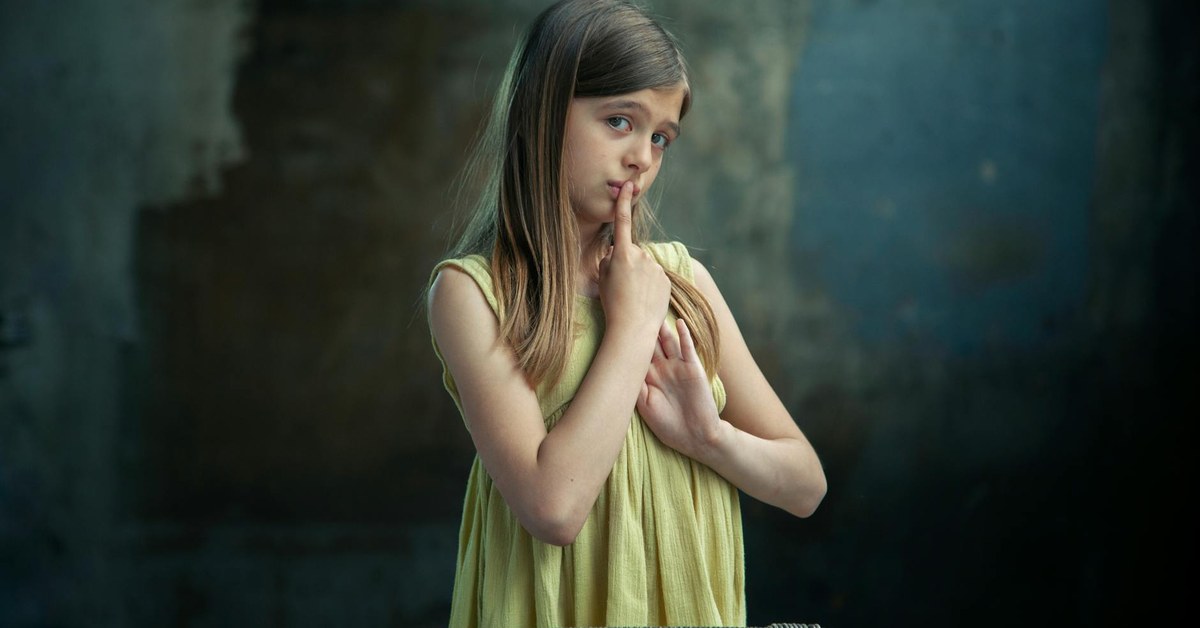

Decoding Your Child's Silence: Unspoken Signs They're Facing Bullying and How to Notice Them
“Is your child quiet about bullying? Learn to recognize the subtle, unspoken behavioral and emotional signs your child is being bullied, even when they don't tell you.”
When a child experiences bullying, they often suffer in silence, making it incredibly challenging for parents and guardians to intervene. Recognising the unspoken signs child is being bullied is crucial for providing timely support and protection. While some children might confide in an adult, many will not, fearing retaliation, embarrassment, or believing adults cannot help. This article explores the subtle behavioural, emotional, and physical cues that indicate a child might be struggling with bullying, even when their lips remain sealed.
Why Children Often Stay Silent About Bullying
Understanding the reasons behind a child’s silence is the first step towards breaking through it. Children might not report bullying for a variety of complex reasons, which can include:
- Fear of Retaliation: The bully might threaten them with worse treatment if they tell an adult.
- Shame and Embarrassment: Children may feel humiliated by the bullying itself or believe it’s their fault.
- Fear of Disappointment: They might worry about disappointing their parents or being seen as weak.
- Belief Adults Won’t Help: Past experiences, or stories from peers, might lead them to believe that telling an adult will not resolve the situation or could even make it worse.
- Desire to Handle It Themselves: Some children feel a need to prove their independence or resilience.
- Lack of Vocabulary or Understanding: Younger children might not have the words to describe what is happening, or they may not recognise certain behaviours as bullying.
“A child’s silence is not an absence of distress, but often a profound cry for help that manifests in other ways,” explains a leading child welfare expert. “Parents must become detectives of their child’s daily life, observing changes in patterns, mood, and physical wellbeing.” According to UNICEF, bullying affects one in three children globally, with many incidents going unreported. This highlights the urgent need for adults to look beyond verbal communication.
Behavioural Indicators of Bullying
Changes in a child’s behaviour are often the most noticeable unspoken signs child is being bullied. These shifts can be gradual, making them easy to miss if you are not actively observing.
School-Related Changes
- School Refusal: A sudden reluctance or refusal to go to school, feigning illness, or developing anxiety about school mornings.
- Changes in Academic Performance: A noticeable drop in grades, loss of interest in schoolwork, or difficulty concentrating.
- Altered Routes or Routines: Taking unusual routes to or from school, avoiding specific areas, or changing their usual schedule to avoid certain people.
- Isolation: Avoiding social events, school clubs, or playdates they once enjoyed.
- Increased Secrecy: Becoming evasive when asked about their day at school, specific friends, or activities.
Social and Home Behaviour
- Withdrawal: Retreating from family activities, spending more time alone in their room, or showing less interest in socialising.
- Loss of Interest: Giving up hobbies, sports, or activities they previously loved.
- Aggression or Irritability: Uncharacteristic outbursts, short temper, or snapping at family members. This can be a sign of displaced anger or frustration.
- Changes in Eating Habits: Significant increase or decrease in appetite, hoarding food, or skipping meals.
- Sleep Disturbances: Difficulty falling asleep, nightmares, waking up frequently, or bedwetting in children who were previously dry.
Key Takeaway: Consistent, unexplained changes in a child’s daily routines, particularly those related to school or social interaction, are strong indicators that something is amiss and warrant further investigation.
Next Steps: Keep a log of any observed behavioural changes, noting the date, time, and specific behaviour. This can help identify patterns and provide concrete examples should you need to speak with school staff or other professionals.
Emotional and Psychological Shifts
Bullying deeply affects a child’s emotional landscape. These internal struggles often manifest as subtle, yet powerful, emotional signs bullying is occurring.
- Increased Anxiety or Fear: Exhibiting signs of nervousness, constant worry, or panic attacks. They might seem jumpy or easily startled.
- Sadness or Depression: Persistent low mood, frequent crying spells, or expressing feelings of hopelessness.
- Low Self-Esteem: Negative self-talk, constant self-criticism, or a sudden loss of confidence in their abilities or appearance.
- Mood Swings: Rapid shifts from happy to irritable, or withdrawn to overly excitable.
- Unexplained Tears: Crying without a clear reason, especially after school or social interactions.
- Loss of Humour: Seeming less joyful, laughing less, or struggling to find amusement in things they once did.
- Self-Harm or Suicidal Ideation: In severe cases, children might express thoughts of harming themselves or ending their life. These signs require immediate professional intervention. Organisations like the NSPCC offer vital support for children and families facing these extreme challenges.
“Children experiencing bullying often carry a heavy emotional burden that can impact their mental wellbeing for years,” states a child psychologist. “Observing shifts in their emotional resilience and overall happiness can be more telling than any verbal complaint.”
Next Steps: Create a safe, non-judgmental space for your child to express feelings. Consider introducing a mood tracking journal or a ‘feelings chart’ for younger children to help them articulate their emotions non-verbally. [INTERNAL: ‘Building Trust and Open Communication with Your Child’]
Physical Manifestations and Health Changes
The stress and trauma of bullying can also manifest physically. These non-verbal cues bullying are often overlooked but can be critical clues.
- Unexplained Injuries: Bruises, cuts, scratches, or torn clothing that cannot be logically explained. The child might be vague or defensive when asked about them.
- Frequent Headaches or Stomach Aches: Regular complaints of physical pain, especially on school days, without a clear medical cause. This is a common psychosomatic response to stress.
- Changes in Hygiene: A sudden lack of interest in personal hygiene, such as not wanting to shower, change clothes, or brush their teeth, or conversely, an obsessive need to clean themselves.
- Damaged or Lost Belongings: Regularly losing or having personal items like schoolbooks, electronics, or clothes damaged.
- Bedwetting: For children who were previously toilet trained, a regression to bedwetting can be a significant sign of severe stress or anxiety.
A 2022 study by the World Health Organisation (WHO) indicated that children exposed to bullying are significantly more likely to experience psychosomatic symptoms such as headaches, abdominal pain, and sleep difficulties.
Next Steps: Gently inspect your child for any physical signs while helping them get ready, or during bath time. Address any unexplained injuries with concern, not accusation, and seek medical advice for persistent physical complaints to rule out underlying health issues.
Age-Specific Observations
The subtle bullying signs can vary depending on a child’s developmental stage.
Early Years (Ages 3-6)
- Regression: Reverting to earlier behaviours like thumb-sucking, clinging, or separation anxiety.
- Play Changes: Play becomes aggressive, anxious, or depicts themes of exclusion or power imbalance.
- Increased Crying or Tantrums: More frequent or intense emotional outbursts.
Primary School (Ages 7-11)
- Friendship Changes: Suddenly avoiding a particular friend or group, or having no one to play with.
- Secretive Device Use: Becoming guarded about their phone or tablet if cyberbullying is a factor.
- Changes in School Attitude: Expressing a dislike for school or specific teachers/classmates.
Secondary School (Ages 12-16)
- Social Withdrawal: Drastically reducing social interactions, both online and offline.
- Self-Harm Ideation: Expressing feelings of worthlessness, hopelessness, or showing signs of self-harm such as cuts or burns (seek immediate professional help).
- Substance Use: Engaging in risky behaviours like alcohol or drug use as a coping mechanism.
- Sudden Anger or Defiance: Outbursts at home, or defiance towards parental authority, which can be a sign of feeling powerless elsewhere.
Next Steps: Tailor your approach to your child’s age. For younger children, use puppets or storybooks to discuss feelings. For older children, ensure privacy and respect their need for independence, while still making your presence felt and known as a safe harbour. [INTERNAL: ‘Understanding Cyberbullying: A Parent’s Guide’]
What to Do Next
If you suspect your child is being bullied, immediate and thoughtful action is essential.
- Open a Dialogue, Gently: Create opportunities for casual conversation. Avoid direct accusations or intense questioning initially. Try phrases like, “I’ve noticed you seem a bit quiet lately, is everything okay?” or “Remember, you can always talk to me about anything, no matter how big or small.”
- Document and Gather Information: Continue to log any unusual behaviours, emotional shifts, or physical signs. This detailed record will be invaluable if you need to approach the school or other authorities.
- Contact the School or Organisation: Once you have gathered sufficient information, arrange a meeting with your child’s teacher, head of year, or school counsellor. Share your observations calmly and factually, working collaboratively to find a solution.
- Seek Professional Support: If bullying persists, or your child’s emotional distress is severe, consider consulting a child psychologist, counsellor, or organisations like Childline or the Red Cross for guidance and support.
- Empower Your Child: Teach your child coping strategies, such as walking away, using assertive language, or seeking help from a trusted adult. Reassure them that they are not alone and that it is never their fault.
Sources and Further Reading
- UNICEF: End Violence Against Children - https://www.unicef.org/end-violence/
- NSPCC: Bullying and Cyberbullying - https://www.nspcc.org.uk/what-is-child-abuse/types-of-abuse/bullying-and-cyberbullying/
- World Health Organisation (WHO): Health for the World’s Adolescents - https://www.who.int/news-room/fact-sheets/detail/adolescent-health
- Childline: Bullying and Cyberbullying - https://www.childline.org.uk/info-advice/bullying-abuse-safety/bullying-cyberbullying/
- Red Cross: Supporting Children’s Mental Health - https://www.redcross.org.uk/get-help/get-help-as-a-parent-or-carer/mental-wellbeing-support-for-children-and-young-people