Decoding Subtle Cues: How to Spot Hidden Anxiety in Quiet or Masking Children
Learn to recognize the often-missed subtle cues of hidden anxiety in quiet or masking children. Understand behavioral shifts and offer early support.
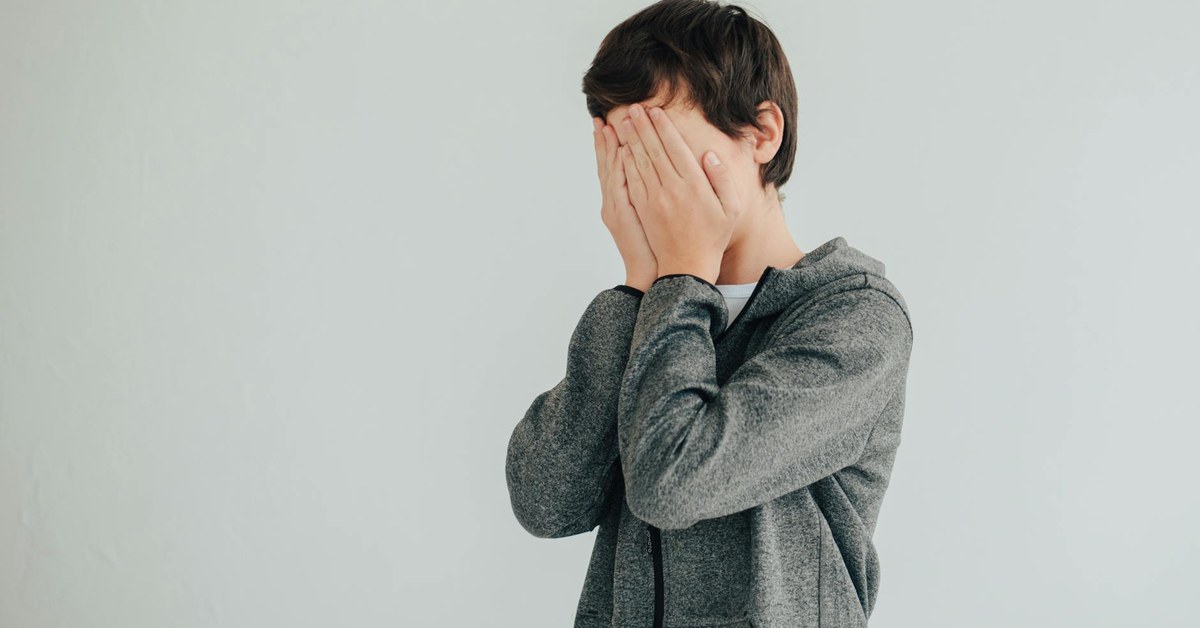

Decoding Subtle Cues: How to Spot Hidden Anxiety in Quiet or Masking Children
“Learn to recognize the often-missed subtle cues of hidden anxiety in quiet or masking children. Understand behavioral shifts and offer early support.”
Recognising anxiety in children can be challenging, especially when dealing with quiet, introverted, or highly compliant personalities. These children often become adept at masking their inner struggles, making spotting hidden anxiety in quiet children a critical skill for parents and caregivers. Unlike children who might act out or express distress overtly, quiet children internalise their worries, presenting a calm exterior while battling significant emotional turmoil within. Early detection and support are vital for preventing long-term impacts on their well-being and development.
Why Quiet Children Mask Anxiety: Understanding the Internal Battle
Quiet or introverted children often process emotions internally, preferring observation and reflection over outward expression. This natural inclination can make them particularly susceptible to masking anxiety, as they may fear burdening others, drawing attention to themselves, or simply lack the words to articulate their complex feelings. According to a 2019 UNICEF report, mental health conditions, including anxiety, account for 13% of the global burden of disease in adolescents aged 10-19 years, yet many cases go undiagnosed, particularly in those who do not exhibit obvious distress.
Several factors contribute to a child’s tendency to mask anxiety:
- Personality Traits: Introverted children often gain energy from solitude and can find social interactions draining. When experiencing anxiety, they may withdraw further, making their quietness seem normal rather than a symptom of distress.
- Fear of Judgement: Children may believe their worries are irrational or that expressing them will lead to negative reactions from adults or peers. They might worry about being seen as weak or different.
- High Compliance: Highly compliant children often strive to please adults. They may suppress their anxiety to avoid causing trouble or disappointment, maintaining a ‘good’ child persona even when deeply struggling.
- Difficulty Articulating Feelings: Young children, or those with limited emotional vocabulary, may not have the language skills to describe what they are feeling. They might experience physical symptoms without connecting them to an emotional cause.
- Observational Learning: Children might learn to mask anxiety by observing adults or siblings who do the same, or by internalising societal messages that discourage emotional vulnerability.
Key Takeaway: Quiet children frequently mask anxiety due to personality traits, fear of judgement, high compliance, and difficulty articulating feelings. This internalisation makes their anxiety less visible but no less impactful.
Subtle Signs and Behavioural Shifts to Look For
While an anxious child might not explicitly state “I am worried,” their behaviour often provides crucial clues. Look for changes from their typical patterns, no matter how small. These shifts can indicate underlying anxiety, particularly in children aged 5-12 years, but also in younger and older age groups.
Physical Manifestations
Anxiety often presents physically before it is verbally expressed. Pay attention to unexplained bodily complaints.
- Frequent Somatic Complaints: Regular headaches, stomach aches, nausea, or muscle tension without a clear medical cause. A child might complain of feeling unwell, especially before school or social events.
- Changes in Sleep Patterns: Difficulty falling asleep, frequent waking, nightmares, or wanting to sleep more than usual. The child might resist bedtime or express fear of being alone at night.
- Changes in Appetite: Eating significantly more or less than usual, or developing picky eating habits. Some children might avoid certain foods or complain of a “knot” in their stomach.
- Restlessness or Fidgeting: Though seemingly quiet, an anxious child might exhibit subtle physical signs like tapping feet, picking at skin, nail-biting, hair-twirling, or constantly adjusting clothing.
- Fatigue or Low Energy: Despite adequate sleep, the child may appear unusually tired, lethargic, or lack enthusiasm for activities they once enjoyed.
Behavioural Indicators
These are often the most telling signs for spotting hidden anxiety in quiet children, as they represent deviations from typical behaviour.
- Increased Irritability or Mood Swings: A child who is usually calm might become easily frustrated, tearful, or prone to sudden outbursts, particularly when overwhelmed or stressed.
- Withdrawal from Social Activities: Avoiding playdates, school events, or family gatherings. They might prefer to stay in their room or cling to a trusted adult, even if they previously enjoyed socialising.
- Excessive Reassurance Seeking: Repeatedly asking “Are you sure?” or “What if…?” about minor things, or constantly seeking approval. This can be a subtle way of trying to manage uncertainty.
- Perfectionism or Over-Responsibility: An intense need to get things ‘just right’, fear of making mistakes, or taking on adult-like responsibilities. This can stem from a desire to control their environment and avoid perceived failure.
- Difficulty Concentrating: Struggling to focus on schoolwork, games, or conversations, appearing distant or ‘checked out’. Anxiety can consume mental energy, making concentration difficult.
- Avoidance Behaviours: Actively finding excuses to skip school, avoid specific people, or refrain from participating in certain activities. This is a common coping mechanism for anxiety.
- Regression in Behaviour (Younger Children): Returning to earlier behaviours like bedwetting, thumb-sucking, or baby talk. This is particularly noticeable in children aged 3-7 years.
- Changes in Play: Play becoming less spontaneous, more rigid, or repetitive, sometimes reflecting underlying worries or fears.
Emotional and Cognitive Cues
While internal, these signs can sometimes surface through indirect communication or observed patterns.
- Excessive Worry or Fear: Though not always verbalised, you might observe them fretting over future events, past mistakes, or hypothetical scenarios. A child might repeatedly ask questions about safety or outcomes.
- Negative Self-Talk: Overhearing phrases like “I’m not good enough,” “I’ll never get it right,” or “Everyone else is better than me.”
- Difficulty with Transitions: Struggling with changes in routine, new environments, or unexpected events. This can manifest as increased clinginess or resistance.
- Sensitivity to Criticism: Reacting strongly to perceived failures or minor corrections, sometimes with tears or anger.
- Limited Emotional Expression: While quiet children are often reserved, an almost complete lack of emotional expression, even in situations that would typically evoke joy or sadness, could be a sign of emotional numbing due to anxiety.
“A key indicator of hidden anxiety is a noticeable shift in a child’s baseline behaviour,” explains a Child Psychologist specialising in developmental behaviour. “If a child who was once engaged becomes withdrawn, or a typically calm child starts exhibiting new physical complaints without medical cause, these are red flags that warrant closer attention. It is not about a single symptom, but rather a cluster of changes over time.”
Age-Specific Considerations for Spotting Hidden Anxiety
Anxiety manifests differently across age groups.
- Preschoolers (3-5 years): May show separation anxiety, excessive crying, temper tantrums, clinging, bedwetting, or specific fears (e.g., monsters, darkness).
- Primary School Children (6-11 years): Might exhibit school refusal, perfectionism, social withdrawal, constant reassurance-seeking, stomach aches, headaches, or difficulty concentrating. They may worry about school performance, friendships, or family issues.
- Adolescents (12-18 years): Can present with irritability, social isolation, academic decline, substance use (though less common in masking children, it’s a possibility), sleep disturbances, body image concerns, or an intense fear of failure. They might internalise these feelings profoundly, making them difficult to detect.
Practical Strategies for Supporting an Anxious Child
Once you begin spotting hidden anxiety in quiet children, the next step is offering sensitive and effective support.
Creating a Safe Space for Communication
- Observe and Reflect: Spend time quietly observing your child without pressure. Note patterns in their behaviour, especially during transitions or challenging situations.
- Choose the Right Time: Initiate conversations when both you and your child are relaxed, perhaps during a quiet activity like drawing, walking, or driving. Avoid direct questioning or confronting them when they are already distressed.
- Use Open-Ended Questions: Instead of “Are you worried?”, try “I’ve noticed you seem a bit quiet lately. Is there anything on your mind?” or “Sometimes when I feel a bit overwhelmed, I find it helps to talk. How about you?”
- Validate Their Feelings: Even if you do not understand the source of their anxiety, acknowledge their emotions. “It sounds like you’re feeling really nervous about that” or “It’s okay to feel sad/scared sometimes.”
- Share Your Own Experiences (Age-Appropriate): Briefly mention a time you felt anxious and how you coped. This normalises the feeling and shows them it’s okay to talk about it.
Building Coping Skills
- Teach Relaxation Techniques: Simple deep breathing exercises (“smell the flower, blow out the candle”), progressive muscle relaxation, or mindfulness activities can be incredibly helpful. [INTERNAL: child mindfulness techniques]
- Encourage Expressive Outlets: Provide opportunities for creative expression through drawing, writing, music, or imaginative play. A journal or a “worry box” can be useful tools.
- Problem-Solving Skills: Help your child break down overwhelming situations into smaller, manageable steps. Practice ‘what-if’ scenarios to build resilience.
- Gradual Exposure: For specific fears, help your child face them in small, controlled steps. For example, if they fear social situations, start with a short playdate with one trusted friend.
- Limit Over-Scheduling: Ensure your child has downtime and unstructured play. An overly packed schedule can exacerbate anxiety.
Seeking Professional Help
If your observations suggest persistent anxiety affecting your child’s daily life, school, or relationships, consider seeking professional guidance. Organisations like the NSPCC (UK), the American Academy of Paediatrics (USA), or local child mental health services offer resources and support. A GP can provide an initial assessment and refer you to a child psychologist, therapist, or counsellor. Early intervention can significantly improve outcomes for children experiencing anxiety.
What to Do Next
- Start a Gentle Observation Log: Keep a private record of any subtle behavioural changes, physical complaints, or emotional shifts you notice. This helps identify patterns and provides valuable information if you seek professional help.
- Create Opportunities for Connection: Dedicate daily one-on-one time with your child, even if it’s just 15 minutes of reading together or playing a game. This strengthens your bond and creates a natural opening for them to share.
- Introduce Simple Calming Techniques: Practice deep breathing or guided relaxation exercises together as a family, making them a normal part of your routine rather than a response to distress.
- Consult Your GP or a School Professional: If concerns persist for several weeks or significantly impact your child’s functioning, speak to your family doctor or a trusted school counsellor for advice and potential next steps.
Sources and Further Reading
- World Health Organisation (WHO): Mental Health of Adolescents
- UNICEF: The State of the World’s Children 2021 - On My Mind: Promoting, protecting and caring for children’s mental health
- National Society for the Prevention of Cruelty to Children (NSPCC): Children’s mental health
- YoungMinds: What is anxiety?
- Child Mind Institute: How to Help Kids With Anxiety