When Defiance is Distress: Recognizing Anxiety Masked as Anger in School-Aged Children
Discover how to differentiate between defiance and distress. Learn to recognize anxiety masked as anger or irritability in your school-aged child and how to respond effectively.
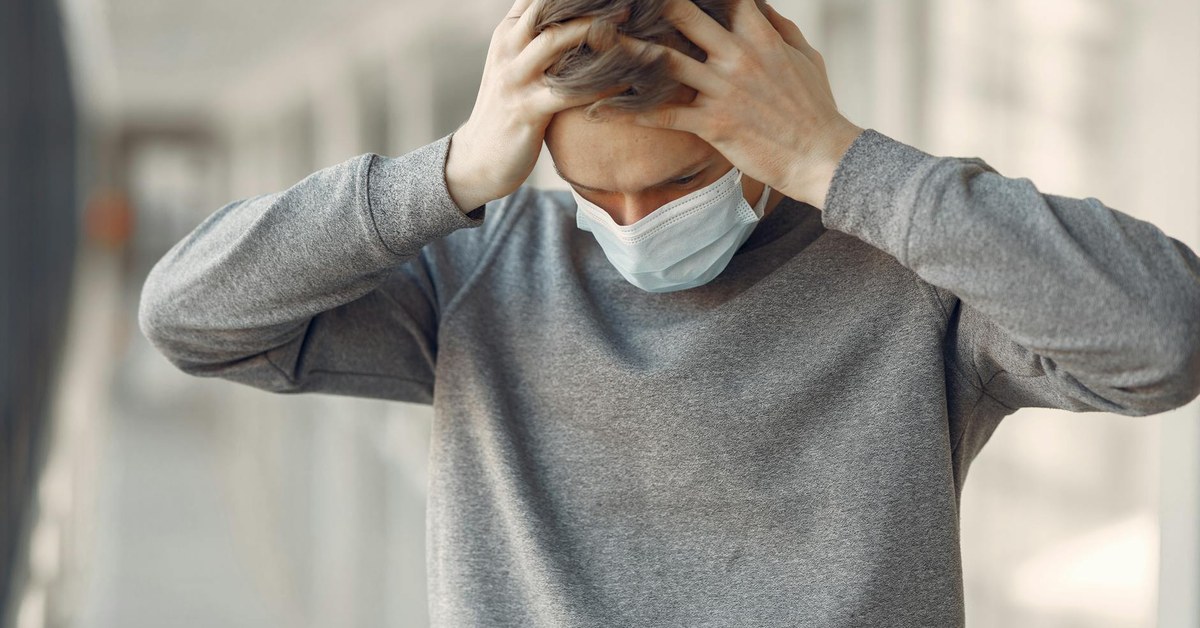

When Defiance is Distress: Recognizing Anxiety Masked as Anger in School-Aged Children
“Discover how to differentiate between defiance and distress. Learn to recognize anxiety masked as anger or irritability in your school-aged child and how to respond effectively.”
Observing a child lash out in anger or display defiance can be incredibly challenging for parents. While it is natural to interpret such behaviours as wilfulness or a lack of discipline, these reactions are often a cry for help. For many school-aged children, particularly those struggling with internal turmoil, anger or irritability can serve as a powerful mask for underlying anxiety. Recognising anxiety masked as anger in kids is the first crucial step towards offering the support and understanding they truly need.
The Hidden Language of Anxiety: Why Anger Becomes a Mask
Anxiety is a complex emotion, and children, especially younger ones, may lack the vocabulary or emotional regulation skills to articulate what they are feeling. Instead of saying, “I’m scared,” “I’m overwhelmed,” or “I don’t know what to do,” their internal distress can manifest externally as anger, frustration, or defiance. This is often an unconscious protective mechanism, a way to push away perceived threats or regain a sense of control when they feel out of control.
According to a 2023 report by the World Health Organisation (WHO), one in eight children globally experiences a mental health condition, with anxiety disorders being among the most prevalent. When children are anxious, their “fight, flight, or freeze” response is activated. While some children might freeze or flee (withdraw), others enter “fight” mode, which can present as aggression, outbursts, or intense irritability. This can be particularly confusing for parents and teachers, who might misinterpret these actions as bad behaviour rather than a signal of distress.
A child psychologist notes, “When a child consistently reacts with anger to seemingly minor stressors, it is often a cry for help, signalling an underlying struggle with anxiety. Their anger isn’t necessarily directed at you, but at the uncomfortable feelings they cannot manage.”
This phenomenon is not simply defiance; it is a desperate attempt to manage overwhelming emotions. When a child feels cornered, misunderstood, or unable to meet expectations, anger can serve as a shield, creating distance or avoiding situations that trigger their anxiety.
Key Indicators: Spotting Anxiety Behind the Anger
Distinguishing between genuine defiance and anxiety-driven anger requires careful observation and empathy. Here are common signs that your child’s anger or irritability might be a manifestation of anxiety:
- Disproportionate Reactions: The anger seems far too intense for the situation. A minor change in routine or a small setback leads to a full-blown meltdown.
- Difficulty with Transitions: Intense resistance, anger, or meltdowns around transitions (e.g., going to school, changing activities, bedtime) can signal anxiety about the unknown or losing control.
- Avoidance Behaviours: The anger or defiance frequently occurs when the child is asked to do something they are anxious about, such as schoolwork, social interactions, or trying new things. They might refuse, argue, or become aggressive to avoid the perceived threat.
- Physical Symptoms: Alongside the anger, you might notice physical signs of anxiety, such as stomach aches, headaches, rapid breathing, fidgeting, restlessness, or difficulty sleeping.
- Perfectionism and Self-Criticism: Anxious children often have high expectations for themselves. When they fall short, their frustration can turn inwards as self-criticism or outwards as anger at others or the situation.
- Seeking Reassurance: Despite their angry outbursts, they may still seek frequent reassurance or become distressed if they perceive a lack of approval.
- Post-Outburst Remorse: After an angry episode, the child might appear genuinely upset, regretful, or withdrawn, indicating that the anger was not malicious but a loss of control.
- Sensitivity to Criticism: They might react with anger or extreme defensiveness to even mild criticism, suggesting underlying insecurity and fear of failure.
- Specific Triggers: The anger often appears in predictable situations related to performance, social situations, new environments, or separation from caregivers.
Key Takeaway: Recognising anxiety masked as anger involves looking beyond the surface behaviour and asking, “What emotion is my child struggling to express right now?” Disproportionate reactions, avoidance, physical symptoms, and post-outburst remorse are strong indicators.
Age-Specific Manifestations of Anxiety-Masked Anger
How anxiety manifests as anger can vary with a child’s developmental stage:
Early Primary Years (Ages 5-8)
At this age, children are still developing emotional literacy. Their anger might look like: * Frequent tantrums that seem “too old” for their age. * Physical aggression (hitting, kicking, throwing objects) when overwhelmed. * Refusal to go to school or participate in activities, often accompanied by shouting or crying. * Intense frustration over minor changes in routine. * Complaints of stomach aches or headaches often preceding angry outbursts.
Later Primary Years (Ages 9-12)
As children grow, their anger might become more verbal and strategic: * Sarcasm, back talk, or argumentative behaviour. * Intense irritability, particularly around homework or social pressures. * Withdrawing and lashing out if approached. * Procrastination followed by angry outbursts when deadlines loom. * Perfectionism leading to anger when tasks are not “perfect.” * Becoming upset and angry if plans change unexpectedly.
Early Adolescence (Ages 13+)
Teenagers may exhibit more complex forms of anger masking anxiety: * Explosive arguments with parents over seemingly trivial matters. * Moodiness, defiance, and a general negative attitude. * Intense reactions to academic pressure or social conflicts. * Refusal to communicate, often accompanied by slamming doors or shouting. * Self-critical remarks followed by angry outbursts towards others. * Expressing frustration or anger about future uncertainties.
Responding Effectively: Shifting from Punishment to Support
Once you recognise that your child’s anger stems from anxiety, your response needs to shift from punitive measures to supportive strategies.
- Stay Calm and Regulate Yourself First: Your child needs a calm presence. If you react with anger, it will escalate their anxiety and the situation. Take a few deep breaths before responding.
- Validate Their Feelings (Not the Behaviour): Acknowledge their distress without condoning destructive behaviour. You might say, “I can see you’re really upset right now,” or “It looks like something is making you very angry.” This helps them feel understood.
- Create a Safe Space: During an outburst, offer a quiet space for them to calm down. Avoid lecturing or interrogating during peak emotional states.
- Identify the Triggers: After they’ve calmed down, gently try to understand what sparked the anger. Ask, “What was happening just before you got so angry?” or “What were you worried about?” This helps both of you connect the anger to the underlying anxiety.
- Teach Coping Skills: Provide tools for managing anxiety. These could include:
- Deep breathing exercises: “Belly breathing” or “square breathing.”
- Mindfulness techniques: Simple meditation apps or guided visualisations.
- Emotion regulation workbooks: Resources designed for children to identify and manage feelings.
- Physical activity: Encouraging movement to release tension.
- Creative expression: Drawing, writing, or playing music.
- Practise Problem-Solving: Once calm, discuss alternative ways to handle similar situations in the future. “Next time you feel overwhelmed by your homework, what could you do instead of shouting?”
- Set Clear Boundaries with Empathy: While understanding the anxiety, it’s still vital to set limits on unacceptable behaviour. “It’s okay to feel angry, but it’s not okay to hit. When you calm down, we can talk about what made you so upset.”
- Build Emotional Vocabulary: Help your child name their emotions. Use emotion cards or feeling charts. Read books that explore different feelings. [INTERNAL: building emotional resilience in children]
- Encourage Self-Care: Ensure your child gets enough sleep, eats nutritious meals, and has time for play and relaxation. These are fundamental for managing anxiety.
When to Seek Professional Help
Recognising and responding to anxiety masked as anger is a significant step, but sometimes professional intervention is necessary. Consider seeking help from a GP, child psychologist, or therapist if:
- The anger and anxiety are significantly impacting your child’s daily life, school performance, or relationships.
- The outbursts are frequent, intense, and destructive, causing harm to themselves or others.
- Your child consistently struggles to cope despite your best efforts.
- You notice signs of persistent sadness, withdrawal, or changes in eating/sleeping patterns alongside the anger.
- You feel overwhelmed and unsure how to support your child effectively.
Organisations like the NSPCC (National Society for the Prevention of Cruelty to Children) and UNICEF offer valuable resources and guidance for parents concerned about their child’s emotional wellbeing. Early intervention can make a significant difference in helping children develop healthy coping mechanisms and thrive. [INTERNAL: understanding child anxiety]
What to Do Next
- Observe and Document: Keep a brief record of when angry outbursts occur, what happened just before, and how your child reacted afterwards. This can help identify patterns and triggers.
- Prioritise Connection: Spend dedicated, quality time with your child each day. A strong parent-child bond is a powerful buffer against anxiety.
- Learn and Educate: Read more about child anxiety and emotional regulation. Share age-appropriate information with your child to help them understand their own feelings.
- Practise Calming Techniques Together: Introduce deep breathing or mindfulness as a family activity, normalising these tools for everyone.
- Consult a Professional: If concerns persist, speak to your child’s school welfare officer or a healthcare professional for guidance and potential support options.
Sources and Further Reading
- World Health Organisation (WHO): Mental Health of Adolescents.
- UNICEF: The State of the World’s Children 2021, On My Mind: promoting, protecting and caring for children’s mental health.
- NSPCC: Anxiety in children.
- YoungMinds UK: Understanding Anger.