Depression in Older Adults: Recognising the Signs
Depression in older adults is far more common than most people realise, yet it remains one of the most frequently missed and misunderstood health conditions in later life. This guide explains what to look for and how to help.
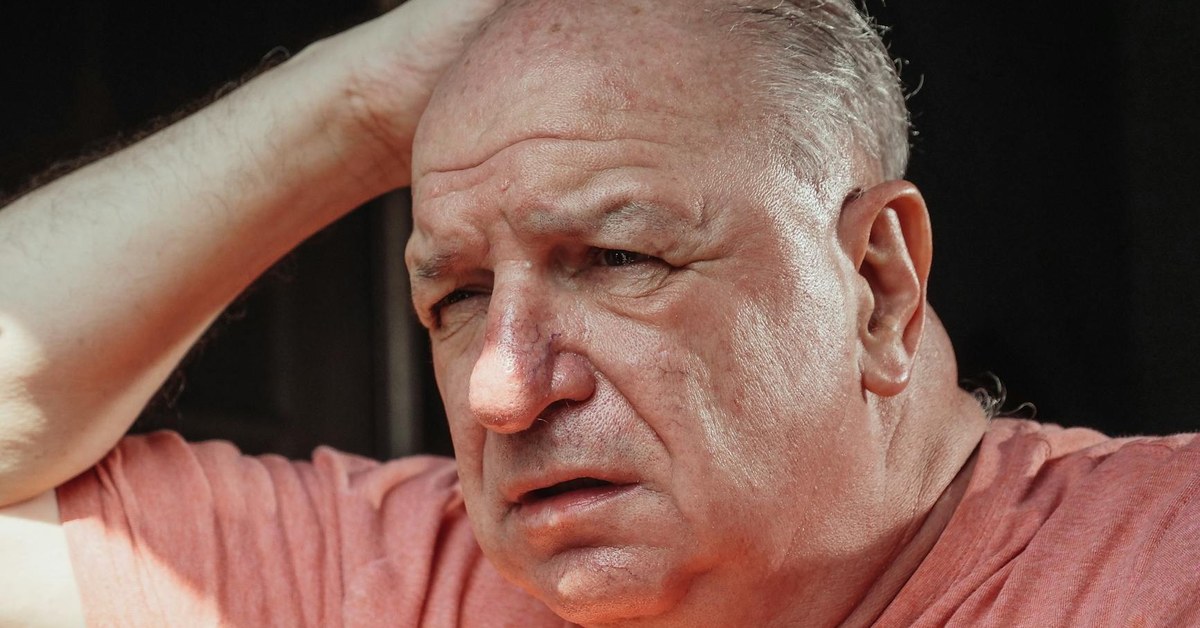

Depression in Older Adults: Recognising the Signs
“Depression in older adults is far more common than most people realise, yet it remains one of the most frequently missed and misunderstood health conditions in later life. This guide explains what to look for and how to help.”
Depression in older adults affects an estimated one in five people over the age of 65 in the UK, yet it is consistently underdiagnosed and undertreated. It is not a natural part of ageing, it is not a sign of weakness, and it is not something that simply has to be endured. It is a medical condition, it is treatable, and recognising it early can make an enormous difference to a person's quality of life. Whether you are reading this for yourself, or because you are worried about someone you love, understanding how depression presents in later life is the first and most important step.
Why Depression in Older Adults Is So Often Missed
One of the most significant barriers to getting help is that depression in older people frequently looks different from the version most of us are familiar with. The image of depression as persistent sadness and tearfulness is not wrong, but it is incomplete, and in older adults it can be especially misleading.
Many older people grew up in an era when mental health was not spoken about openly. Emotional difficulties were something to be managed privately, pushed through, or simply not mentioned. There was, and in some communities still is, a strong association between mental illness and shame. Seeking help for low mood might have felt, to previous generations, like admitting failure. This cultural context matters enormously when we try to understand why so many older adults do not come forward.
Alongside this, both older adults themselves and the medical professionals who care for them can sometimes attribute the symptoms of depression to the natural ageing process, to physical illness, to grief, or to circumstances that are simply seen as understandable. Of course it makes sense that someone would feel low after losing a spouse, or after a health diagnosis. But understandable sadness that persists, deepens, and begins to interfere with daily life is not something to be accepted without question.
How Depression Presents Differently in Older Adults Compared to Younger People
Understanding the distinct presentation of depression in older adults is crucial, both for individuals themselves and for the families, carers, and healthcare professionals around them.
Physical symptoms take centre stage
Older adults with depression are significantly more likely to report physical complaints than emotional ones. Persistent fatigue that is out of proportion to activity levels, unexplained aches and pains, digestive problems, headaches, and a general sense of bodily heaviness are all common. Because these symptoms overlap with so many other conditions common in later life, they are frequently investigated medically without the underlying mood disorder being considered.
This is not deception or avoidance. In many cases, older adults are genuinely more aware of physical sensations than emotional states, partly because of the cultural conditioning described above, and partly because the brain-body connection in depression is expressed differently as we age.
Irritability and agitation rather than sadness
While younger people with depression often report feeling sad, empty, or tearful, older adults are more likely to present with irritability, frustration, restlessness, and a short temper. Family members may notice that a previously patient and gentle person has become snappy or difficult to please. This can be mistakenly attributed to personality change, dementia, or the general grumpiness sometimes unfairly associated with old age.
Memory problems and cognitive slowing
Depression in older adults can cause genuine cognitive symptoms, including difficulty concentrating, slowed thinking, and problems with memory. This cluster of symptoms is sometimes called pseudodementia, because it can closely resemble the early stages of dementia. Crucially, these cognitive effects are largely reversible once depression is treated. Misdiagnosis in either direction, treating depression as dementia, or missing depression in someone with dementia, is a serious and unfortunately common problem.
Withdrawal from social life and previously enjoyed activities
A gradual withdrawal from social contact, from hobbies, from community groups, or from family gatherings is one of the most telling signs. This is sometimes explained away as a natural preference for a quieter life, or as the inevitable result of reduced mobility or bereavement. But there is an important difference between a person who chooses solitude contentedly and a person who withdraws because nothing feels worthwhile any more.
Changes in appetite, sleep, and self-care
Significant changes in eating habits, either eating very little or seeking comfort in food, disrupted sleep, and a decline in personal hygiene or self-care are all indicators worth taking seriously. A person who was previously meticulous about their appearance or home and who has stopped caring about these things may be struggling far more than they are letting on.
Expressions of hopelessness or worthlessness
Comments such as "I'm just a burden," "There's not much point any more," or "I've had my time" should never be brushed aside as idle remarks. In older adults, these expressions can carry very real weight. Suicide rates among older men in the UK are among the highest of any demographic group. Taking these comments seriously, and responding to them with calm compassion rather than dismissal, can be lifesaving.
Common Causes and Risk Factors
Depression does not arise from a single cause, and in older adults, a number of factors often combine to create vulnerability.
Loss is one of the most significant. Bereavement, the loss of independence, the loss of a professional identity after retirement, the loss of physical capability, and the loss of peers and contemporaries all accumulate in later life in ways that younger people do not typically face. Chronic pain and long-term physical health conditions, particularly heart disease, stroke, Parkinson's disease, and cancer, are strongly associated with depression. Isolation and loneliness, which affect a significant proportion of older adults in the UK, are both a risk factor for and a consequence of depression.
Certain medications can contribute to low mood as a side effect, and older adults are more likely to be taking multiple medications simultaneously. A review with a GP of all current medications is always worth raising. Alcohol use in older adults, which tends to be underreported and under-discussed, can also play a significant role.
Recognising Depression in Older Adults: A Practical Checklist
If you are concerned about yourself or someone you care about, the following signs, particularly when several are present together for more than two weeks, warrant a conversation with a GP.
Persistent low mood, emptiness, or unexplained sadness. Not occasional low days, but a sustained flatness that does not lift.
Loss of interest or pleasure in things that used to matter. Grandchildren, gardening, television programmes, reading, social engagements: when these stop holding any appeal, it is significant.
Fatigue and low energy that is disproportionate to physical activity or health conditions.
Sleep disturbances, particularly waking very early in the morning and being unable to return to sleep, or sleeping far more than usual.
Changes in appetite and unexplained weight loss or gain.
Difficulty concentrating, remembering things, or making decisions.
Increased irritability, anxiety, or agitation.
Withdrawal from social contact and formerly enjoyed activities.
Expressions of hopelessness, worthlessness, or being a burden.
Neglect of personal hygiene, household tasks, or physical health.
Talking about death, not necessarily in a dramatic way, but repeatedly returning to the subject or expressing a wish not to be here any more.
How Family Members and Carers Can Help
If you are worried about an older person in your life, your role is not to diagnose or to fix. It is to notice, to reach out, and to help bridge the gap between where they are and the support that is available.
Start with a gentle, honest conversation
Choose a quiet moment and approach the subject with warmth rather than alarm. Saying something like "I've noticed you haven't seemed yourself lately, and I want you to know I'm here" is far more likely to open a conversation than expressing concern in a way that feels critical or alarming. Be prepared to listen without offering immediate solutions. Sometimes the most important thing is simply to feel heard.
Be patient with resistance
Many older adults will initially push back. They may say they are fine, that they do not want to be a bother, or that "people in my day just got on with things." This is not dishonesty; it is the echo of a lifetime's conditioning. Gentle persistence, returning to the subject with care and without pressure, is often more effective than a single, urgent conversation.
Help with practical barriers to seeking support
The path to help can feel overwhelming. Offer to sit with them while they call a GP, to accompany them to an appointment, to help them write down what they want to say, or to research local support options. Practical help with small logistical barriers can make an enormous difference.
Do not minimise or compare
Avoid saying things like "You have so much to be grateful for" or "Other people have it much worse." These responses, however well-intentioned, tend to increase feelings of shame and inadequacy rather than alleviating them. Depression is not a rational response to circumstances; it is a medical condition that does not respond to being argued out of.
Look after yourself too
Supporting someone with depression is emotionally demanding. Carers and family members need their own support networks, and there is no shame in seeking guidance or a listening ear for yourself.
Professional Help and Treatment Options
The first port of call should always be a GP. A good GP will conduct a thorough assessment, rule out physical causes, review medications, and discuss treatment options. In older adults, treatment is very often effective.
Talking therapies, particularly cognitive behavioural therapy (CBT), are available on the NHS and have strong evidence for effectiveness in older adults. Waiting times vary, but it is worth asking about referral to a psychological therapies service. Some areas have specialist older adult mental health teams who can provide more intensive support where needed.
Antidepressant medication can be appropriate and effective, though decisions about medication in older adults need to be made carefully given the potential for interactions with other drugs. A conversation with a GP who takes the time to explain the options is essential. It is always reasonable to ask questions and to feel comfortable with any treatment plan before agreeing to it.
Social prescribing, where GPs or other health professionals connect patients with community activities, befriending services, or local groups, is increasingly available and can be especially valuable where loneliness and isolation are contributing factors.
UK Helplines and Support Services for Depression in Older Adults
No one needs to face this alone, and there are people ready to help right now.
Age UK offers information, advice, and a free helpline for older people and their families. Call 0800 678 1602 (available 8am to 7pm, 365 days a year). Their website also provides detailed guidance on depression and mental health in later life.
The Silver Line is a free, confidential helpline specifically for older people, available around the clock, every day of the year. Call 0800 4 70 80 90. It offers information, friendship, and a link to local services.
Samaritans provides confidential emotional support for anyone in distress, at any hour of the day or night. Call 116 123 (free, 24 hours). You do not have to be in crisis to call; the line is there for anyone who needs to talk.
Mind offers information and support on all aspects of mental health, including a helpline: 0300 123 3393 (Monday to Friday, 9am to 6pm). Mind also has local branches across England and Wales that provide community-based support.
CALM (Campaign Against Living Miserably) runs a free, confidential helpline and webchat for anyone who is struggling. Call 0800 58 58 58 (5pm to midnight every day).
NHS 111 can also provide guidance and direct you to mental health support in your area if you are unsure where to turn.
A Final Word on Stigma
Depression in older adults carries a particular weight of stigma that is worth naming directly. A generation that lived through war, economic hardship, and the expectation of stoicism did not have the language or the permission to talk about mental health the way younger people might today. That resilience is genuinely admirable. But resilience does not mean suffering in silence, and there is no honour in enduring something that can be treated.
Asking for help is not weakness. It is, in fact, one of the most courageous and self-aware things a person can do. And for the families and friends reading this: your noticing, your concern, and your willingness to reach out may be the most important thing that happens in someone's life this year. Depression in older adults is real, it is serious, and it responds to care. That is worth saying as clearly and as often as possible.