Staying Safe Around Dogs: What Every Young Child Needs
Dogs are wonderful, but even friendly dogs can bite, and young children are at the highest risk of dog bites. This guide teaches children and parents the simple rules that keep encounters with dogs safe and enjoyable.
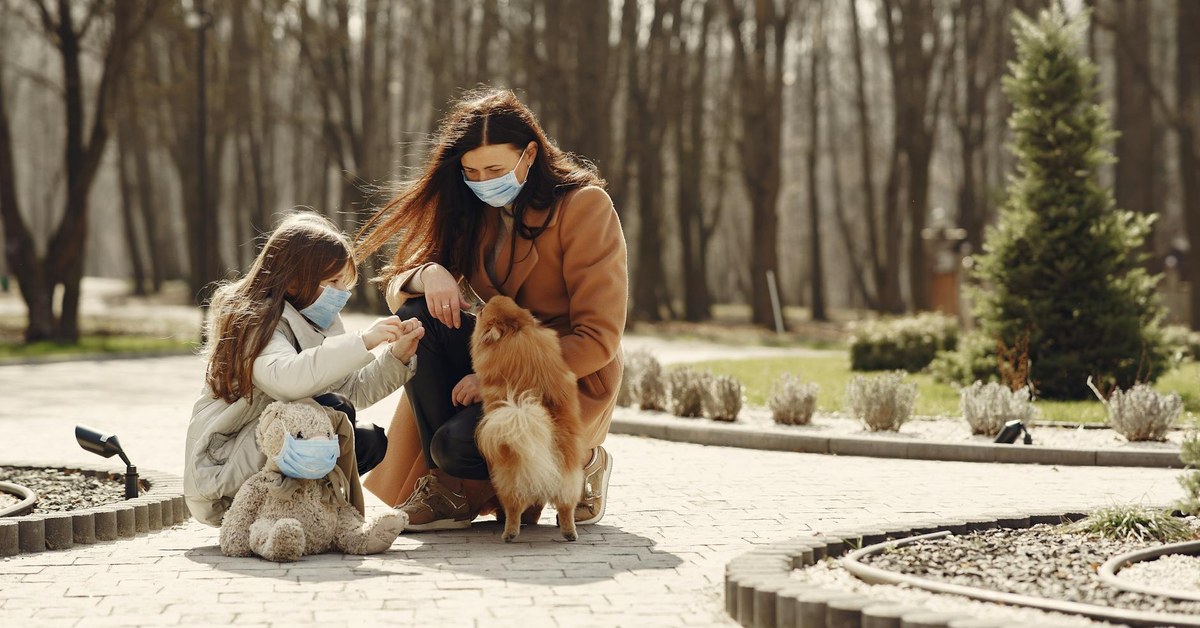

Staying Safe Around Dogs: What Every Young Child Needs
“Dogs are wonderful, but even friendly dogs can bite, and young children are at the highest risk of dog bites. This guide teaches children and parents the simple rules that keep encounters with dogs safe and enjoyable.”
Why Dog Safety Matters for Young Children
Dogs are among the most popular pets in the UK, and most children grow up loving them. The vast majority of dog interactions are warm, joyful encounters. But dog bites are also one of the most common injuries among children, with children aged five to nine at the highest risk. Most bites happen in circumstances that seemed safe: a familiar dog, a friendly approach, a well-loved family pet.
Teaching young children simple, consistent rules about dogs does not diminish their enjoyment of dogs. It ensures that enjoyment continues safely. The rules in this guide can be taught as a game and practised at home, giving children the habits they need before they need them.
The First Rule: Always Ask
The single most important rule for young children around dogs they do not know is always ask the owner before touching. Not every dog likes being approached by strangers, especially small, fast-moving ones. Even a friendly dog may be startled by sudden movement or touch when it is not expecting it.
Teach your child the routine: see the dog, want to stroke it, find the grown-up with the dog and ask, "Can I stroke your dog?" If the owner says yes, then follow the next step. If the owner says no, or if there is no owner present, the dog stays untouched.
This rule applies even to dogs the child has met before. Dogs can have bad days, sore spots, or feel protective of their owner or their space in ways that were not present in a previous encounter. Always ask is always the rule.
How to Approach a Dog Safely
Once the owner has given permission, teach your child to approach calmly. No running, no shouting, no sudden movements. Let the dog sniff you first; dogs greet the world through their nose, and allowing a dog to sniff your closed fist (not an open palm, which can look threatening to some dogs) before touching gives the dog time to assess whether the interaction is welcome.
If the dog sniffs and looks relaxed, with a loose body, wagging tail, and relaxed face, it is generally safe to stroke it gently on the shoulder or back. Do not reach over a dog's head to stroke it; this can feel threatening. Never hug a dog, even one you know well; dogs do not naturally show affection this way and many find it stressful.
Reading Dog Body Language
Young children can learn the basics of dog body language. A happy dog has a loose, wiggly body, a tail that wags from side to side (not stiffly), ears in a natural position, and a relaxed open mouth. An uncomfortable or anxious dog may show a stiff body, a tail held low or tucked, ears back, whale eye (showing the whites of the eyes), yawning or licking its lips when not eating, or turning away from the interaction.
If a dog shows these signs, the interaction should end calmly. The child should calmly and slowly move away from the dog rather than continuing to approach or engage. An anxious dog that feels trapped is more likely to bite than one that has the freedom to move away from something that is worrying it.
If a Dog Growls or Seems Aggressive
A growl is communication. It means the dog is uncomfortable and is warning that a bite may follow if the situation continues. If a dog growls at your child, teach them to stop immediately, stand still like a tree (no eye contact, arms down, no sudden movements), and wait until the dog loses interest and moves away. Then walk calmly away.
If a dog knocks your child over, teach them to curl up like a ball, covering their face and neck with their arms, and stay still. Dogs are less likely to continue if the child is not moving or making noise. Shouting and struggling can escalate the situation.
If a dog is approaching and your child feels frightened, they should stop, stand still, avoid eye contact, and speak in a calm, low voice. Running triggers a chase instinct in dogs; staying still is almost always the better option.
Dogs in the Family Home
Even family dogs that are well-known to children require respectful interaction. Teach children never to disturb a dog that is sleeping, eating, or drinking. Never take food or toys from a dog. Never approach a dog that is behind a barrier or in its own space, including its bed or crate, as this is the dog's safe space and it may feel threatened by intrusion.
Always supervise young children with dogs, even your own. The majority of dog bites to young children happen in the home, with family pets, in moments when adult supervision was briefly absent. This is not a reflection of your dog's character; it is a reflection of the unpredictability of any interaction between young children and animals when an adult is not actively watching.