Beyond Outlet Covers: Comprehensive Electrical Safety for Children in Homes with Outdated Wiring
Worried about electrical safety for your kids in an older home? Go beyond basic outlet covers. Learn comprehensive childproofing tips for outdated wiring and hidden hazards.

Beyond Outlet Covers: Comprehensive Electrical Safety for Children in Homes with Outdated Wiring
“Worried about electrical safety for your kids in an older home? Go beyond basic outlet covers. Learn comprehensive childproofing tips for outdated wiring and hidden hazards.”
Ensuring the electrical safety for children in older homes presents unique challenges that extend far beyond simply plugging safety caps into wall sockets. While outlet covers offer a basic defence, the hidden dangers of outdated wiring can pose serious risks, from electrical shocks and burns to house fires. For families living in period properties, understanding these specific hazards and implementing robust safety measures is paramount to protecting curious little ones.
Understanding the Risks of Outdated Wiring for Kids
Older homes, charming as they are, often come with electrical systems that pre-date modern safety standards. These systems were not designed to handle the sheer volume of electrical devices common in households today, leading to potential hazards that can be particularly dangerous for children.
Common outdated wiring issues include: * Knob-and-Tube Wiring: Found in homes built before the 1940s, this system lacks a grounding wire, increasing the risk of shock. The insulation can also become brittle over time, exposing live wires. * Aluminium Wiring: Used in some homes from the mid-1960s to the mid-1970s, aluminium wiring can expand and contract more than copper, leading to loose connections at outlets and switches. These loose connections can overheat and cause fires. According to Electrical Safety First, aluminium wiring is associated with a significantly higher fire risk than copper wiring. * Frayed or Damaged Insulation: Over decades, insulation on wires can degrade, crack, or be chewed by rodents, exposing live conductors. Children, especially toddlers, might poke objects into exposed wires or chew on damaged cords. * Ungrounded Outlets (Two-Prong): These outlets lack the third, round hole for a ground wire, which is a critical safety feature in modern electrical systems. Without grounding, fault currents cannot safely dissipate, increasing the risk of severe electric shock if an appliance malfunctions. * Overloaded Circuits: Older homes typically have fewer circuits and lower amperage capacities. Plugging in multiple modern appliances can easily overload these circuits, causing breakers to trip frequently or, worse, wires to overheat and start a fire. The World Health Organisation (WHO) highlights electrical accidents as a significant cause of unintentional injury globally, with children being particularly vulnerable.
“An older home’s electrical system is like an ageing person’s heart; it needs regular check-ups and sometimes significant upgrades to function safely under modern demands,” explains a senior electrical safety inspector. “Ignoring these signs can have devastating consequences, particularly when children are present.”
Key Takeaway: Outdated wiring in older homes presents significant fire and shock risks due to lack of grounding, degraded insulation, and insufficient capacity, making comprehensive electrical safety for children a crucial concern.
Identifying Red Flags and Hidden Dangers
Recognising the signs of problematic wiring is the first step towards ensuring home safety for kids. Many hazards are not immediately visible, but your home will often provide clues.
Look out for these warning signs: * Flickering or Dimming Lights: This can indicate loose connections or overloaded circuits. * Warm or Discoloured Outlets and Switches: Heat is a sign of excessive resistance, often from loose wiring or an overloaded circuit, posing a fire risk. * Burning Smell: A burning odour, especially near outlets or appliances, is a critical warning sign of overheating wires or insulation. * Frequent Tripping Circuit Breakers or Blowing Fuses: While occasional trips can happen, consistent occurrences suggest an overloaded circuit or a fault in the system. * Buzzing or Sizzling Sounds: Strange noises from outlets or walls can indicate faulty wiring. * Mild Shocks: Receiving a mild shock or tingling sensation when touching appliances can indicate improper grounding or faulty wiring. * Scorched Plugs or Cords: Visible damage to appliance plugs or extension cords points to overheating.
Age-Specific Guidance: * Crawlers (6-18 months): At this stage, children explore by touching and putting objects in their mouths. Focus on securing all cords, covering unused outlets, and ensuring no accessible frayed wires. * Toddlers (18 months - 3 years): Toddlers are more mobile and curious, often poking fingers or objects into openings. Reinforce outlet covers, secure furniture to prevent tipping that could expose wires, and teach “no touch” rules for electrical outlets and appliances. * Preschoolers and Young Children (3-6 years): These children can understand simple rules. Educate them about the dangers of electricity, never playing with cords or outlets, and reporting any damaged electrical items to an adult. Supervise them closely, especially around new appliances or electronics.
Essential Electrical Safety Measures for Older Homes
Moving beyond outlet covers, a multi-layered approach is necessary for childproofing electrical hazards in an older property.
- Professional Electrical Inspection: The most crucial first step is to hire a qualified electrician to conduct a thorough electrical inspection. They can identify outdated wiring risks for kids, assess the overall condition of your system, and recommend necessary upgrades or repairs. This is particularly vital when moving into an older home or before major renovations.
- Install Ground Fault Circuit Interrupters (GFCIs) and Arc Fault Circuit Interrupters (AFCIs):
- GFCIs: These devices detect imbalances in electrical current and quickly shut off power, protecting against severe electric shocks, especially in areas near water (kitchens, bathrooms, outdoor outlets).
- AFCIs: AFCIs detect dangerous electrical arcs (sparks) that can lead to fires and trip the circuit. They are highly recommended for bedrooms and living areas.
- Upgrade Wiring and Electrical Panel: If an inspection reveals significant issues, consider a partial or full electrical upgrade. Replacing knob-and-tube or aluminium wiring with modern copper wiring and upgrading the electrical panel can dramatically improve safety and capacity.
- Secure and Manage Cords:
- Use cord covers or conduits to protect wires from damage and prevent children from tripping or pulling on them.
- Keep cords out of reach and sight, especially behind furniture.
- Avoid running cords under rugs, which can cause overheating and damage.
- Secure dangling cords from blinds and curtains, as these pose strangulation hazards in addition to electrical risks.
- Appliance Safety:
- Always unplug small appliances when not in use.
- Ensure all appliances are in good working order, with no frayed cords or damaged plugs.
- Use surge protectors for electronics, but do not overload them. Overloading can be a significant old house electrical danger.
- Never use appliances near water.
- Childproof Outlets and Switches:
- While basic plastic outlet caps are a start, consider self-closing outlet covers or tamper-resistant receptacles (TRRs) for a more permanent and effective solution. TRRs have internal shutters that prevent foreign objects from being inserted.
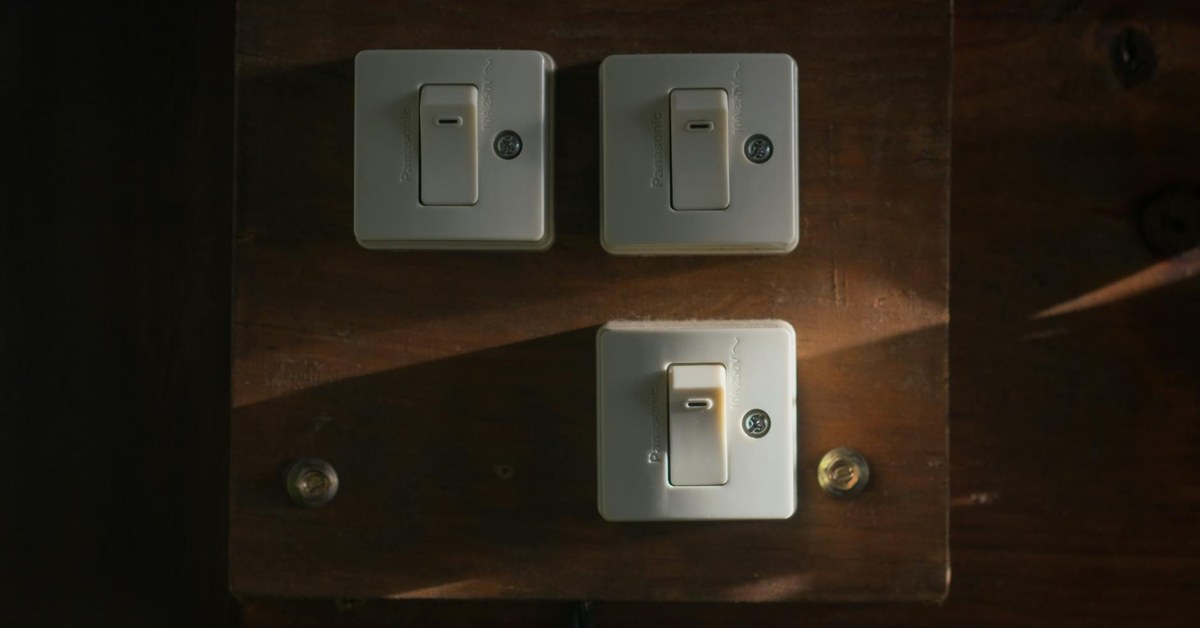
- Install safety covers over light switches or dimmer switches that children might play with.
- Educate Your Children: As children grow, teach them about electrical safety. Use simple, clear language: “Electricity can hurt you,” “Never touch a plug with wet hands,” and “Tell an adult if you see a broken cord.” UNICEF often stresses the importance of child education in preventing home-based accidents.
When to Call a Professional Electrician
While many minor safety measures can be implemented by homeowners, certain situations absolutely demand professional intervention. Attempting DIY repairs on an old electrical system can be incredibly dangerous and may violate local building codes.
Call a qualified electrician immediately if you observe: * Any of the red flags mentioned above persist after basic troubleshooting. * Your home still has knob-and-tube or aluminium wiring. * You have ungrounded two-prong outlets in critical areas. * You plan to add major appliances or undertake renovations that will increase electrical load. * You need to install GFCIs, AFCIs, or replace your electrical panel. * You experience frequent power surges or inexplicable power outages.
A professional electrical inspection for families moving into or residing in an older property is an investment in safety that pays dividends in peace of mind. They can provide a comprehensive assessment and implement solutions that meet current safety standards, ensuring your family’s protection. [INTERNAL: Benefits of Professional Home Safety Audits]
What to Do Next
- Schedule a Professional Electrical Inspection: Contact a certified electrician to assess your home’s wiring, especially if it’s an older property.
- Install GFCIs and AFCIs: Prioritise installing these life-saving devices in kitchens, bathrooms, laundry rooms, and children’s bedrooms.
- Implement Cord Management: Secure all exposed electrical cords using covers, ties, or conduits, keeping them out of children’s reach.
- Educate Your Family: Teach children age-appropriate electrical safety rules and ensure all adults understand the signs of electrical hazards.
- Replace or Repair Damaged Items: Immediately replace any frayed cords, broken plugs, or malfunctioning appliances.
Sources and Further Reading
- Electrical Safety First: www.electricalsafetyfirst.org.uk
- World Health Organisation (WHO) - Child Injury Prevention: www.who.int/teams/social-determinants-of-health/safety-and-mobility/child-injury
- UNICEF - Child Safety at Home: www.unicef.org
- National Society for the Prevention of Cruelty to Children (NSPCC) - Child Safety Advice: www.nspcc.org.uk