Empowering Elementary Kids: Simple Mindfulness & Breathing Exercises to Self-Manage Daily Stress
Discover age-appropriate mindfulness and breathing techniques to teach elementary school children how to effectively self-manage daily stress and build emotional resilience.
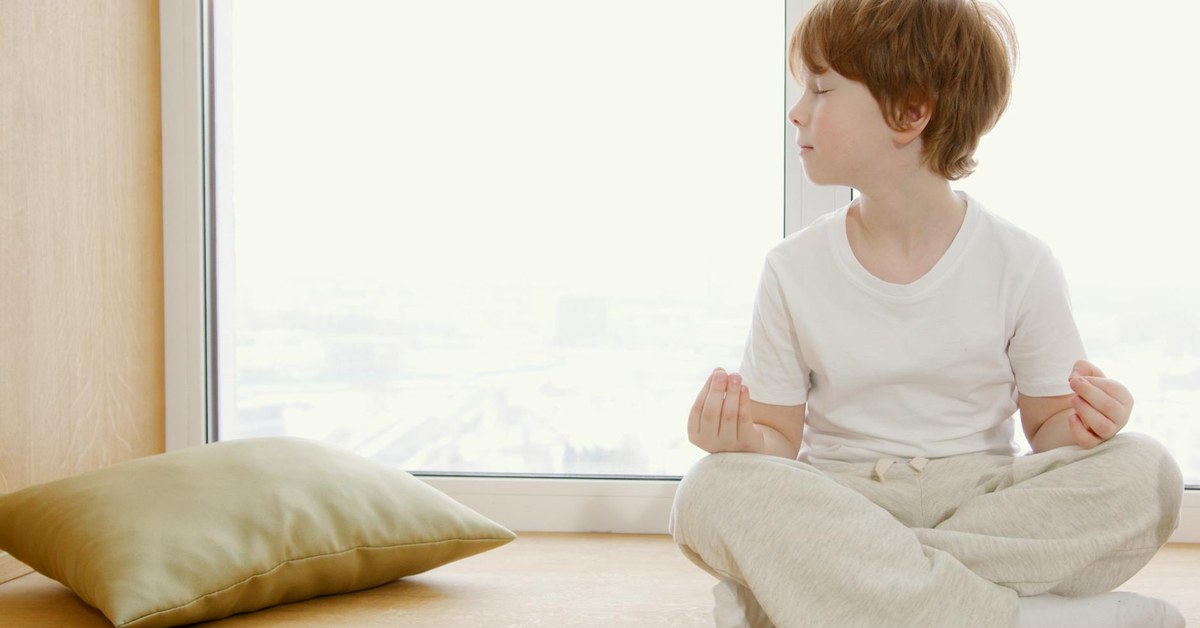

Empowering Elementary Kids: Simple Mindfulness & Breathing Exercises to Self-Manage Daily Stress
“Discover age-appropriate mindfulness and breathing techniques to teach elementary school children how to effectively self-manage daily stress and build emotional resilience.”
In today’s fast-paced world, elementary school children often face various pressures, from academic expectations to social dynamics, which can lead to daily stress. Equipping young ones with effective coping mechanisms is crucial for their emotional wellbeing and development. This article explores simple, age-appropriate mindfulness and breathing exercises for elementary kids stress relief, offering practical tools to help them recognise and manage their feelings, fostering resilience and a sense of calm.
Understanding Stress in Elementary Children
Children aged 6-10 years old experience stress much like adults do, though they may express it differently. Common stressors include school challenges, friendship issues, family changes, or even exposure to news events. Unmanaged stress can manifest as irritability, sleep problems, difficulty concentrating, or physical complaints such as headaches or stomach aches.
According to a 2022 report by UNICEF, mental health conditions among children and adolescents are a significant global concern, with stress and anxiety being prevalent. “Early intervention and teaching self-regulation skills are vital,” states a child development specialist. “By providing children with tools like mindfulness, we empower them to navigate life’s challenges more effectively, rather than being overwhelmed by them.” Learning kids stress relief techniques at a young age builds a strong foundation for future emotional health.
The Power of Mindfulness for Young Minds
Mindfulness involves paying attention to the present moment without judgement. For children, this means noticing their thoughts, feelings, and bodily sensations, as well as the sights, sounds, and smells around them, with a sense of curiosity. It is not about stopping thoughts, but rather observing them as they come and go.
The benefits of mindfulness for children are extensive: * Improved emotional regulation: Children learn to recognise feelings before they become overwhelming. * Increased focus and attention: Practising mindfulness can enhance concentration in school and other activities. * Reduced anxiety and stress: Regular practice helps calm the nervous system. * Better sleep: Children often find it easier to relax and fall asleep. * Enhanced empathy: Noticing their own feelings can help them understand others’ emotions.
Age-Appropriate Mindfulness Exercises (6-10 Years Old)
Introducing mindfulness to children requires creativity and making it fun. These exercises are suitable for elementary children and can be adapted for different age groups within this range.
1. The “Spaghetti Body” Scan (Ages 6-8)
This exercise helps children become aware of tension in their bodies. * How to do it: Ask your child to lie down comfortably, like a piece of cooked spaghetti – soft and relaxed. Then, ask them to imagine they are a piece of uncooked spaghetti – stiff and tense. Guide them to clench and then relax different parts of their body, from toes to head, noticing the difference between tense and relaxed. “Can you make your legs stiff like uncooked spaghetti? Now, let them go floppy and soft.” * Benefit: Teaches body awareness and how to consciously release physical tension.
2. “Sound Detective” Listening (Ages 7-10)
This exercise sharpens auditory attention and present-moment awareness. * How to do it: Find a quiet spot. Ask your child to close their eyes (if comfortable) or look softly at one point. Explain that they are going to be a “sound detective” for one minute. Their job is to notice every sound they hear, near or far, without naming or judging it, just observing. After a minute, ask them to share what sounds they noticed. * Benefit: Improves concentration and helps children tune into their environment, reducing mental clutter.
3. “Mindful Munching” (Ages 6-10)
This exercise can be done with a small piece of fruit, a raisin, or a cracker. * How to do it: Give your child a small piece of food. Ask them to look at it closely, noticing its colour, shape, and texture. Then, encourage them to smell it, describing any scents. Next, place it in their mouth but don’t chew yet. Notice how it feels on their tongue. Finally, ask them to slowly chew, noticing the flavours and textures, and how the taste changes. * Benefit: Enhances sensory awareness and appreciation, slowing down the experience of eating.
4. “Gratitude Garden” (Ages 6-10)
Fostering gratitude can shift focus from worries to positive aspects of life. * How to do it: At bedtime or during a quiet moment, ask your child to think of three things they are grateful for that day. These can be big or small – a sunny day, a yummy snack, a kind word from a friend. They can draw them, write them down, or simply share them aloud. * Benefit: Promotes positive thinking and helps children recognise the good things in their lives, reducing negative rumination.
Key Takeaway: Mindfulness for children is about making present-moment awareness accessible and enjoyable. Short, playful exercises that engage their senses can significantly help children aged 6-10 develop vital self-regulation skills and reduce stress.
Simple Breathing Exercises for Stress Relief
Breathing is a powerful tool for calming the nervous system. Teaching children simple breathing techniques provides an immediate way to manage strong emotions and reduce anxiety. These breathing exercises for children anxiety are easy to learn and can be used anywhere.
1. “Belly Breathing” or “Balloon Breath” (Ages 6-8)
This foundational breathing exercise teaches diaphragmatic breathing. * How to do it: Ask your child to lie down or sit comfortably. Place a small, soft toy (like a teddy bear) on their tummy. Instruct them to breathe in through their nose, imagining their tummy is a balloon filling with air, making the toy rise. Then, breathe out slowly through their mouth, watching the toy gently fall. Repeat 5-10 times. * Benefit: Activates the parasympathetic nervous system, promoting relaxation and calming the body.
2. “Box Breathing” (Ages 7-10)
A structured breathing technique that helps regulate breath. * How to do it: Imagine drawing a box in the air with a finger. Inhale slowly for a count of four (up one side of the box). Hold your breath for a count of four (across the top). Exhale slowly for a count of four (down the other side). Hold your breath again for a count of four (across the bottom). Repeat several times. * Benefit: Improves focus and provides a rhythmic pattern that can be very soothing during moments of stress.
3. “Starfish Breathing” (Ages 6-9)
A visual and tactile way to practise mindful breathing. * How to do it: Have your child spread one hand out like a starfish. Using the pointer finger of their other hand, they trace up and down each finger. As they trace up a finger, they inhale slowly. As they trace down, they exhale slowly. Repeat for all five fingers, then switch hands. * Benefit: Combines tactile sensation with breath, making it an engaging and grounding exercise for young children.
4. “Smell the Flower, Blow out the Candle” (Ages 6-10)
A simple, immediate technique for calming breath. * How to do it: Ask your child to imagine they are holding a beautiful flower. “Smell the flower” by taking a slow, deep breath in through their nose. Then, imagine they have a candle in front of them. “Blow out the candle” by exhaling slowly through their mouth. Repeat 5-10 times. * Benefit: Helps children practise deep, controlled breaths, which can quickly reduce feelings of agitation.
Integrating Mindfulness into Daily Family Life
To truly embed mindfulness for 6-10 year olds into their routine, parents and caregivers play a crucial role. * Model the Behaviour: Children learn by example. Practise mindfulness and breathing exercises yourself, showing them how you use these tools to manage your own stress. * Create a Calm Space: Designate a quiet corner or a specific time of day for these practices, even if it is just five minutes before bedtime. * Keep it Short and Consistent: Start with very short sessions (1-2 minutes) and gradually increase the duration as your child becomes more comfortable. Consistency is more important than length. * Make it Playful: Integrate these techniques into games, stories, or everyday activities. For instance, during a walk, play “I Spy” with sounds, or notice the different textures of leaves. * Be Patient and Non-Judgemental: Some days your child might be more receptive than others. Avoid forcing it. The goal is exploration and self-discovery, not perfection. * Use Visual Cues: Place a small bell or a picture of a calm place as a reminder to pause and breathe. * Read Together: Explore children’s books that introduce mindfulness concepts in an accessible way. [INTERNAL: Recommended Children’s Books for Emotional Intelligence]
By regularly incorporating these simple mindfulness and breathing exercises for elementary kids stress relief into their lives, children develop essential self-care skills. They learn that they possess the inner capacity to find calm, manage challenging emotions, and build a strong foundation for lifelong emotional wellbeing.
What to Do Next
- Choose One Exercise to Start: Select just one mindfulness or breathing exercise from the list above that you think your child might enjoy most.
- Practise Together Daily: Dedicate 2-5 minutes each day to practise the chosen exercise with your child, perhaps at bedtime or after school.
- Observe and Discuss: After practising, gently ask your child how they felt during and after the exercise. Encourage them to share their observations without pressure.
- Gradually Introduce More: Once your child is comfortable with one exercise, you can gradually introduce another, allowing them to build a repertoire of coping tools.
- Seek Professional Guidance if Needed: If your child’s stress or anxiety seems persistent or overwhelming, consult with a paediatrician or child psychologist for tailored support.
Sources and Further Reading
- UNICEF: The State of the World’s Children 2022 - www.unicef.org/reports/state-of-worlds-children-2022
- World Health Organisation (WHO): Mental health of adolescents - www.who.int/news-room/fact-sheets/detail/adolescent-mental-health
- NSPCC: Children’s mental health - www.nspcc.org.uk/keeping-children-safe/childrens-mental-health/
- Mindful.org: Mindfulness for Kids - www.mindful.org/mindfulness-for-kids/