Empowering Elementary Kids: Simple Mindfulness Practices to Calm Everyday Worries and Boost Focus
Discover easy mindfulness practices for elementary school children to manage daily anxiety, reduce worries, and improve concentration at home and school.
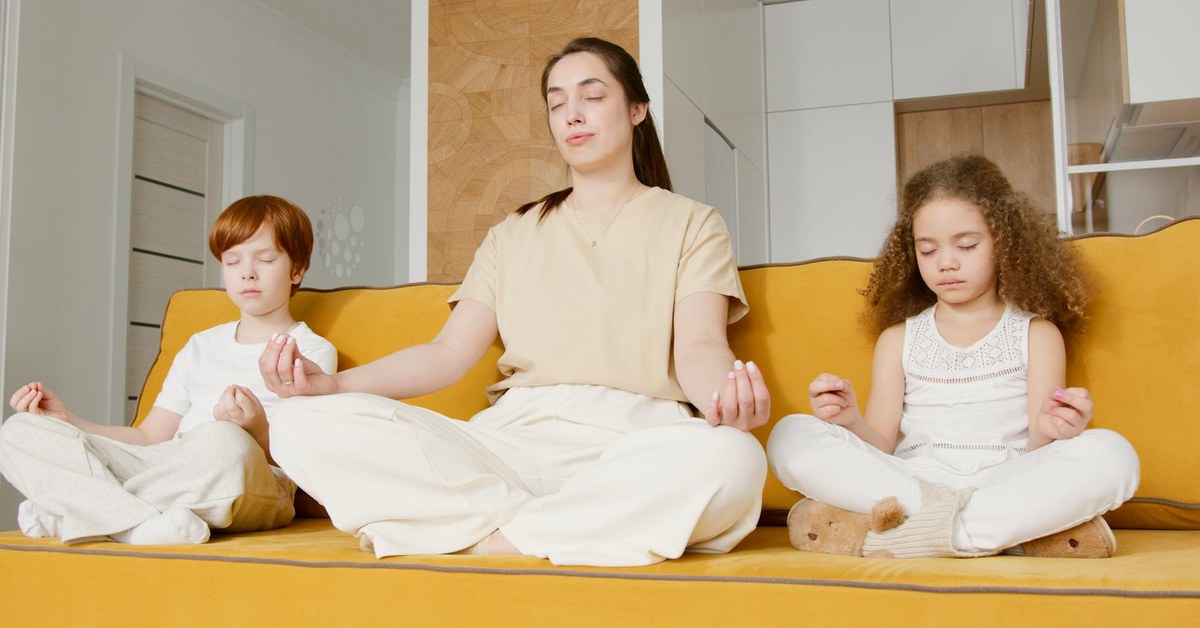

Empowering Elementary Kids: Simple Mindfulness Practices to Calm Everyday Worries and Boost Focus
“Discover easy mindfulness practices for elementary school children to manage daily anxiety, reduce worries, and improve concentration at home and school.”
Elementary school years are a time of immense growth and learning, but they can also bring new challenges and anxieties. From classroom pressures and friendship dynamics to changes at home, young children often navigate a complex emotional landscape. Learning effective mindfulness practices for elementary school children anxiety can provide them with invaluable tools to manage these feelings, reduce worries, and significantly boost their focus and overall wellbeing. This article explores how simple, engaging mindfulness techniques can empower your child to find calm amidst daily stressors and thrive both at home and in school.
Understanding Mindfulness for Young Minds
Mindfulness is the practice of paying attention to the present moment without judgment. It involves noticing thoughts, feelings, bodily sensations, and the surrounding environment with curiosity and acceptance. For children, this isn’t about deep meditation; it’s about developing an awareness of their internal and external worlds in a gentle, age-appropriate way.
What is Mindfulness?
At its core, mindfulness teaches children to observe their experiences as they happen, rather than getting swept away by them. It helps them recognise when their minds wander or when strong emotions arise, giving them a moment to pause before reacting. This skill builds emotional resilience and self-awareness, which are crucial for healthy development.
Why Elementary Children Benefit from Mindfulness
Children aged approximately 5 to 11 are at a prime stage for developing emotional regulation skills. Their brains are rapidly forming connections, making it an opportune time to introduce practices that support mental and emotional health. Organisations like the World Health Organisation (WHO) continually highlight the importance of early intervention in promoting mental wellbeing, noting that a significant proportion of mental health conditions begin in childhood. Mindfulness offers a proactive approach, equipping children with lifelong coping mechanisms.
A child psychologist explains, “Teaching mindfulness to elementary children isn’t about eliminating worry; it’s about giving them a toolkit to notice worry, understand it, and then choose how to respond. This sense of agency is incredibly empowering for a young person.”
Key Takeaway: Mindfulness for elementary children is about cultivating present-moment awareness and non-judgmental observation, offering a proactive approach to emotional regulation and mental wellbeing.
Recognising Anxiety in Elementary Children
Before implementing mindfulness techniques, it’s helpful to recognise the signs of anxiety in young children. Anxiety can manifest differently in each child, but there are common indicators that parents and caregivers should observe.
Common Signs of Worry
Elementary children might not articulate their worries in the same way adults do. Instead, their anxiety often appears as changes in behaviour or physical symptoms. These could include:
- Physical Complaints: Frequent headaches, stomach aches, or nausea without a clear medical cause.
- Sleep Disturbances: Difficulty falling asleep, nightmares, or waking up frequently.
- Changes in Appetite: Eating significantly more or less than usual.
- Irritability or Mood Swings: Unusual outbursts, tearfulness, or becoming easily frustrated.
- Avoidance: Refusing to go to school, participate in activities, or interact with friends.
- Difficulty Concentrating: Struggling to focus on tasks, often appearing distracted or restless (which can be mistaken for other issues).
- Excessive Reassurance Seeking: Repeatedly asking “What if…?” questions or seeking constant validation.
According to a 2023 report by UNICEF, childhood mental health concerns, including anxiety, are on the rise globally, underscoring the urgency of providing children with effective coping strategies.
The Impact of Unmanaged Anxiety
Left unaddressed, anxiety in elementary children can impact their academic performance, social relationships, and overall self-esteem. It can lead to a cycle of avoidance, where children miss out on enriching experiences due to fear, further isolating them. Early intervention with strategies like mindfulness can help break this cycle, fostering resilience and a positive outlook.
Practical Mindfulness Practices for Everyday Calm
Introducing mindfulness for kids focus and anxiety management doesn’t require complex rituals. Simple, short exercises integrated into daily life can make a significant difference.
Mindful Breathing Techniques
Mindful breathing is the cornerstone of many calming techniques for children. It helps them connect with their bodies and regulate their nervous system.
- Balloon Breathing (Ages 5-7): Ask your child to lie down and place a small, soft toy on their tummy. Instruct them to imagine their tummy is a balloon. As they breathe in slowly through their nose, their balloon inflates, lifting the toy. As they breathe out slowly through their mouth, the balloon deflates, and the toy lowers. Repeat for 3-5 breaths.
- Five-Finger Breathing (Ages 7-11): Have your child hold one hand up, fingers spread. Using the index finger of their other hand, they slowly trace up one finger, pause at the top, and trace down the other side. They breathe in as they trace up and breathe out as they trace down. Repeat for all five fingers.
- Bumblebee Breath (Ages 5-11): This calming breath can be done anywhere. Have your child sit comfortably, close their eyes (if they wish), and cover their ears gently with their thumbs. They inhale deeply through their nose and then, as they exhale, make a soft, humming sound like a bumblebee, feeling the vibration. Repeat 3-5 times. This is excellent for anxiety management for young children.
Sensory Awareness Exercises
Engaging the senses helps ground children in the present moment, shifting their focus away from worries.
- Mindful Eating (Any age): Choose a small snack like a raisin, a piece of fruit, or a biscuit. Encourage your child to look at it, feel its texture, smell it, and then take a tiny bite, noticing the flavour, texture, and how it feels in their mouth before swallowing. This simple mindfulness exercise kids can do helps them slow down and savour.
- Sound Safari (Ages 6+): Ask your child to sit quietly for a minute or two and listen intently. What sounds can they hear inside the room? What sounds can they hear outside? Are the sounds loud or soft, near or far? Just notice, without judgment.
- Body Scan (Ages 7+): Lying down or sitting comfortably, guide your child to bring their attention to different parts of their body, starting from their toes and moving up to their head. Ask them to notice any sensations – warmth, coolness, tingling, relaxation – without trying to change them.
Movement and Mindful Play
Incorporating movement can make mindfulness more engaging and accessible for active children.
- Mindful Walking (Ages 5+): Go for a walk together, focusing on the sensations of walking. How do their feet feel on the ground? What do they see, hear, and smell? Encourage them to notice the rhythm of their steps.
- Yoga Poses for Kids (Ages 5+): Simple yoga poses like ‘Tree Pose’ (balancing), ‘Cat-Cow’ (gentle stretching), or ‘Child’s Pose’ (rest and surrender) can help children connect with their bodies and release tension. Many online resources offer kid-friendly yoga routines. [INTERNAL: Yoga for Children: Benefits and Simple Poses]
- Calming Jar Creation (Ages 4+): Create a ‘calming jar’ together using a clear plastic bottle, glitter glue, warm water, and extra glitter. When shaken, the swirling glitter provides a visual metaphor for a busy mind and, as it settles, represents the mind becoming calm. This is a fantastic tool for emotional regulation elementary children can use.
Integrating Mindfulness into Daily Family Life
Consistency is key when developing new habits. Weaving simple mindfulness exercises kids can do into daily routines helps them become second nature.
At Home: Routine and Rituals
- Morning Moment: Start the day with a minute of quiet breathing or a quick body scan before breakfast.
- Transition Time: Use a mindful breath or a ‘calming jar’ observation to help children transition from school to home, or from playtime to homework.
- Bedtime Wind-Down: End the day with a gentle breathing exercise or a gratitude practice, where each family member shares one thing they are thankful for.
- Family Mindfulness: Engage in a short mindful activity together as a family once a week, such as a silent walk or mindful eating.
At School: Supporting Concentration
Children can use these techniques discreetly at school to manage anxiety and boost focus.
- Desk Breathing: Teach your child to place their hands on their desk and feel the rise and fall of their chest or tummy as they breathe quietly.
- Mindful Listening: Encourage them to practice mindful listening during lessons, focusing solely on the teacher’s voice for a few moments.
- Body Check-in: A quick mental check-in with their body to notice any tension and release it can be done during quiet work time.
- Movement Breaks: Suggest simple stretches or a mindful walk to the water fountain during breaks to reset their focus.
Addressing Challenges and Sustaining Practice
Introducing mindfulness may present some challenges, but with patience and creativity, it can become a cherished part of your child’s life.
Making it Fun and Engaging
- Storytelling: Use books or stories that incorporate mindfulness themes.
- Games: Turn exercises into games, like “Simon Says” for mindful movements or “Guess the Sound” for listening.
- Short and Sweet: Keep practices brief, especially at first. A minute or two is often enough for younger children.
- Lead by Example: Children learn best by observing. Practice mindfulness yourself and talk about how it helps you.
When to Seek Additional Support
While mindfulness is a powerful tool, it is not a substitute for professional help when anxiety is severe or persistent. If your child’s anxiety significantly disrupts their daily life, causes distress, or if you notice prolonged changes in behaviour, it is important to consult a healthcare professional, such as a GP, paediatrician, or child mental health specialist. Organisations like the NSPCC and the Red Cross offer valuable resources and support for families navigating children’s mental health challenges.
Key Takeaway: Integrate short, playful mindfulness practices into daily routines at home and school. Remember that while mindfulness is highly beneficial, professional help should be sought if anxiety is severe or persistent.
What to Do Next
- Start Small: Choose one simple mindfulness practice, such as Balloon Breathing or Five-Finger Breathing, and introduce it for just 1-2 minutes daily.
- Practise Together: Engage in mindfulness alongside your child to model the behaviour and make it a shared, positive experience.
- Observe and Adapt: Pay attention to which practices resonate most with your child and adjust your approach based on their feedback and engagement.
- Create a Calm Space: Designate a quiet corner in your home where your child can go to practise mindfulness or simply decompress when feeling overwhelmed.
Sources and Further Reading
- World Health Organisation (WHO): www.who.int/health-topics/child-and-adolescent-mental-health
- UNICEF: www.unicef.org/mental-health
- NSPCC (National Society for the Prevention of Cruelty to Children): www.nspcc.org.uk/keeping-children-safe/childrens-mental-health
- Mindful.org: www.mindful.org/mindfulness-for-kids
- [INTERNAL: Understanding and Supporting Your Child’s Emotional Wellbeing]