Emergency Preparedness at Home
Older adults face specific and heightened risks during emergencies such as fires, floods, severe storms, and power outages. Understanding these risks and preparing for them in advance, when there is time to think clearly and act without pressure, makes a decisive difference in outcomes. This guide covers practical steps to prepare your home and yourself for a range of emergency scenarios.

Emergency Preparedness at Home
“Older adults face specific and heightened risks during emergencies such as fires, floods, severe storms, and power outages. Understanding these risks and preparing for them in advance, when there is time to think clearly and act without pressure, makes a decisive difference in outcomes. This guide covers practical steps to prepare your home and yourself for a range of emergency scenarios.”
Why Preparedness Matters More With Age
Emergencies at home, whether fires, floods, severe weather, prolonged power outages, or other sudden disruptive events, affect everyone, but they affect older adults with particular severity for several reasons. Reduced mobility may slow evacuation. Sensory changes such as hearing loss may mean that alarms are not heard. Chronic health conditions may require medications, equipment, or services that are disrupted by emergencies. Cognitive changes may make decision-making under pressure more difficult. And older adults are disproportionately likely to live alone, meaning there may be no one immediately present to help.
These are not reasons for fatalism. They are reasons for preparation. An older adult who has thought through emergency scenarios in advance, who has their household organised for rapid response, and who has established relationships with neighbours and services is far better placed to navigate an emergency safely than one who has not. Preparation converts a reactive situation into one with a plan already in place.
Fire Safety: Prevention and Response
Fire is one of the most significant and potentially lethal home emergencies for older adults. The risk of dying in a home fire increases with age, partly because older adults are more likely to be home at the times when fires are most common, partly because slower evacuation capability means less time to escape, and partly because some conditions, including the use of sedating medications, can make people less responsive to an alarm at night.
Working smoke alarms on every floor of your home and in every sleeping area are the single most important fire safety measure. Test smoke alarms monthly and replace batteries annually, or choose alarms with sealed ten-year batteries that eliminate the need for battery replacement. If you have any hearing impairment, consider interconnected alarms with a vibrating pad placed under the mattress and a flashing light alarm in the bedroom, both of which activate when the alarm sounds.
Carbon monoxide detectors are equally important, particularly in homes with gas appliances, wood-burning stoves, or attached garages. Carbon monoxide is colourless and odourless and can cause loss of consciousness before you are aware of any danger.
Plan and practise a fire evacuation route from every room of your home. Know at least two ways out of each room where possible and identify a meeting point outside the building. If you use a walking aid, wheelchair, or other mobility equipment, plan for this in your evacuation. If you live in a flat above ground floor, know the building's evacuation procedures and whether lift use is prohibited during a fire alarm.
Tell your local fire service about any mobility or sensory limitations. In many countries, fire services offer free home safety visits for older adults and people with disabilities, during which a firefighter will assess your specific situation and provide tailored advice, sometimes including fitting additional equipment free of charge. Contact your local fire service or council to ask about this service.
Flooding: Knowing Your Risk and How to Respond
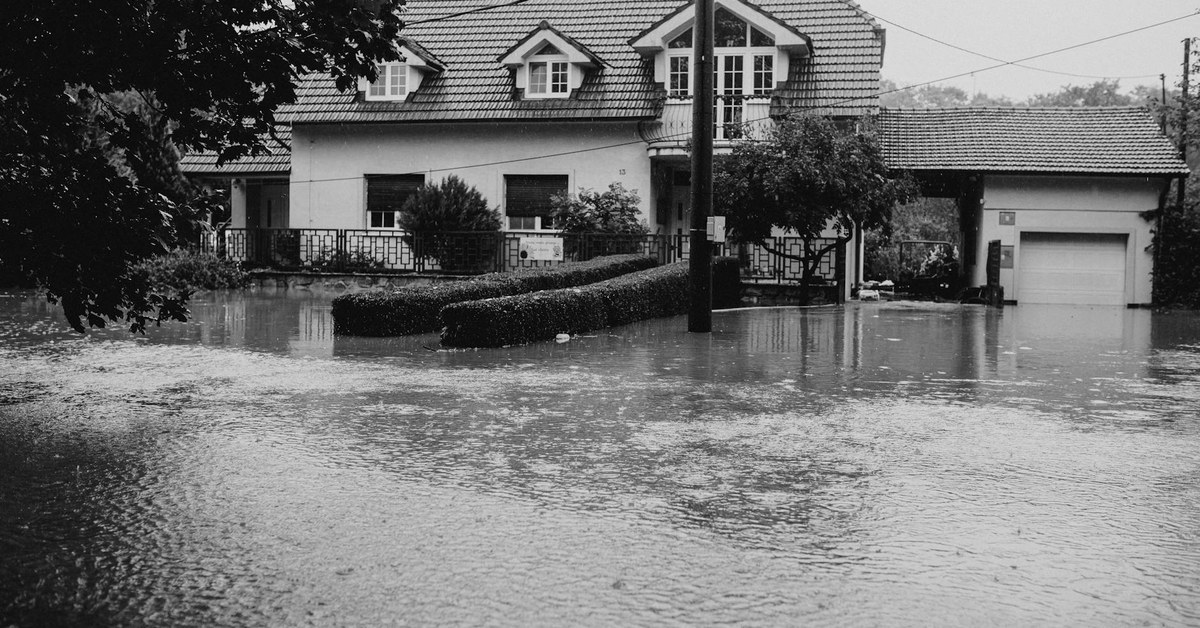
Flood risk varies significantly by location and dwelling type. Ground floor and basement properties near rivers, coasts, or in low-lying areas face much greater flood risk than elevated properties, though surface water flooding from overwhelmed drainage systems can affect any area during intense rainfall. Knowing your specific flood risk is the starting point for flood preparation.
In most countries, national or regional environment agencies provide flood risk mapping tools online that allow you to enter your address and see your assessed level of flood risk. Registering for flood warnings, where these services exist, means you receive alerts in advance of a predicted flood event, giving time to move belongings to upper floors, turn off electricity at the mains, and if necessary evacuate before water reaches the property.
A basic flood preparation kit stored in an accessible upper-floor location should include waterproof bags for important documents such as passports, insurance documents, medication lists, and financial account information; a supply of medications adequate for several days; torch and spare batteries; bottled water; non-perishable food; warm clothing; and any mobility or medical equipment that would need to come with you during evacuation.
Flood barriers, door guards, and airbrick covers can help reduce the amount of water entering a property during a flood event and are worth investigating if you live in a higher-risk area. Contact your local council or the relevant water authority for advice on flood protection measures specific to your property and location.
Power Outages: Managing Without Electricity
Extended power outages present specific challenges for older adults, particularly in cold weather when heating systems that depend on electric power or electric ignition fail, and for those who use electrically powered medical equipment such as nebulisers, oxygen concentrators, or powered wheelchairs.
If you use electrically powered medical equipment, contact your equipment supplier and your electricity network operator to register as a priority customer. Most electricity network operators maintain registers of customers whose health or safety is at risk during power outages and provide additional communication and support to registered customers during outages. Your GP or specialist can advise on what backup arrangements are appropriate for specific equipment.
Keep a supply of torches with working batteries, or rechargeable torches kept charged, in accessible locations throughout your home. Candles are an alternative but present a fire risk, particularly if used by someone who might leave them unattended or fall asleep near them. Battery-powered LED lanterns are a safer option.
In cold weather, know how to keep warm without central heating. Layering clothing, remaining in a single room and using a draught excluder to retain heat, and having an emergency supply of warm bedding are all practical measures. Neighbours, local community centres, and council services often provide warming centres during significant outages and cold spells; know in advance where these are in your area.
Keep a portable power bank charged and accessible for mobile phone charging during outages. Communication capability is particularly important during extended power outages, both for your own reassurance and for maintaining contact with family and emergency services.
Severe Weather Preparation
Depending on your location and climate, severe weather events relevant to you might include storms, ice, high winds, heat waves, or blizzards. Each has specific implications for safety at home.
For storms and high winds, secure any garden furniture, plant pots, or other objects that might become airborne and cause damage. Know how to turn off your gas and water mains in case of damage to pipes. Keep away from windows during severe storms. Have a battery-powered radio available so you can receive emergency broadcasts if power is lost.
Ice and snow can make venturing outside extremely dangerous. Having a basic supply of essential provisions at home, including medications, food, and water, sufficient to last several days without needing to go out, eliminates the need to navigate icy surfaces during severe weather. Rock salt or sand for your immediate path and steps allows you to make the immediate exterior of your home safer if you do need to go out.
Heat waves, which are increasing in frequency and intensity across many regions, present serious risks for older adults. Core body temperature regulation becomes less efficient with age, and many common medications reduce heat tolerance further. During a heat wave, keep your home as cool as possible by closing curtains and windows during the day and opening them in the evening when external temperature drops. Stay hydrated consistently throughout the day. Check on neighbours and be alert to symptoms of heat exhaustion and heat stroke in yourself and others.
Building an Emergency Contact Network
A practical emergency contact network is one of the most important preparedness resources an older adult can have, and it costs nothing to establish. This network has two directions: people who can help you in an emergency, and people who will notice if something is wrong and act on it.
Identify at least two or three people who have a key to your home, or who know where a key is stored, and who you can contact in an emergency at any hour. These might be family members, close friends, or neighbours. Ensure they know about any medical conditions or special needs you have that would be relevant in an emergency.
Establish a regular check-in arrangement with at least one person, so that an absence from the routine triggers a welfare check. This is particularly important for people who live alone. The check-in can be as simple as a daily text message or a wave through the window; what matters is that the routine is consistent enough that a deviation is noticed promptly.
Know your local emergency services and what they can provide. In many areas, non-emergency police lines can be contacted for welfare checks. Social services can arrange emergency support. Community emergency response teams exist in some areas and provide neighbourhood-level assistance during and after emergencies. Knowing these resources before you need them means you can access them quickly when you do.
Emergency Supplies: What to Keep at Home
A modest emergency supply kit stored in an accessible location in your home provides the basics you need to manage independently for several days during any disruption. The key items are:
- A supply of all regular medications adequate for at least a week, rotated regularly to remain within their use-by dates
- Copies of key documents including identification, insurance policies, medication lists, and emergency contacts, stored in a waterproof bag
- A torch with spare batteries or a rechargeable torch
- A battery-powered or hand-cranked radio for emergency broadcasts
- A fully charged portable power bank for mobile phones
- Bottled water, at a minimum of two litres per person per day for three days
- Non-perishable food items sufficient for three to five days, with a manual tin opener if tins are included
- Warm clothing and a blanket
- Basic first aid supplies
- Any specialist items relevant to your health needs, such as spare batteries for hearing aids, insulin storage supplies, or catheter supplies
Review and update your emergency kit every six months. Check medication dates, test torch batteries, and refresh any food items approaching their use-by date. An emergency kit that has been allowed to become depleted or out of date provides a false sense of security rather than genuine preparedness.