The Power of Play: Building Emotional Resilience in Children Through Engaging Activities
Discover engaging activities and play-based strategies to build emotional resilience in children. Empower your child with vital coping skills for a happier, healthier future.
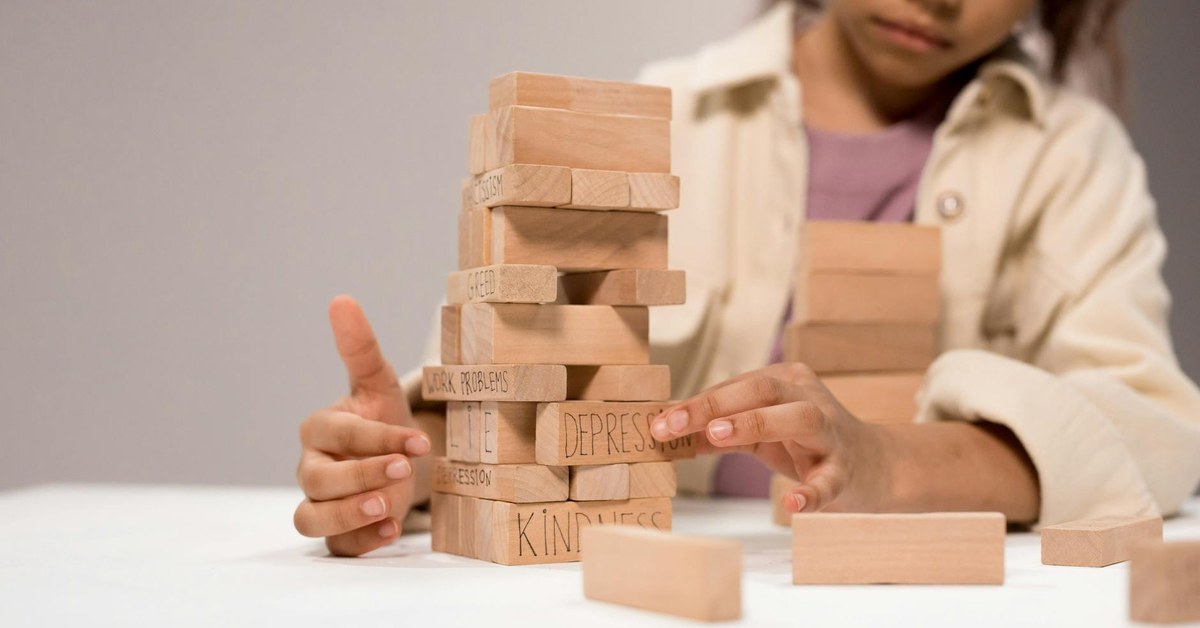

The Power of Play: Building Emotional Resilience in Children Through Engaging Activities
“Discover engaging activities and play-based strategies to build emotional resilience in children. Empower your child with vital coping skills for a happier, healthier future.”
Childhood is a time of immense growth and discovery, but it also presents countless challenges, from minor disappointments to significant life changes. Equipping children with the ability to navigate these ups and downs is crucial for their long-term wellbeing. This is where the power of emotional resilience comes into play. Developing robust emotional resilience activities for children helps them bounce back from adversity, adapt to stress, and maintain a positive outlook. Far from being an innate trait, resilience is a skill nurtured through experience, guidance, and, perhaps most effectively, through the magic of play.
Understanding Emotional Resilience and Its Importance
Emotional resilience refers to a child’s capacity to cope with stress, overcome adversity, and adapt to change. It is not about avoiding difficult emotions, but rather about developing healthy ways to experience and process them. A resilient child can face setbacks, learn from mistakes, and emerge stronger, rather than being overwhelmed or defeated.
Developing emotional strength in children is paramount in an increasingly complex world. Children with high emotional resilience are better equipped to: * Manage strong emotions like anger, sadness, and frustration. * Build healthy relationships and communicate effectively. * Solve problems creatively and adapt to new situations. * Maintain self-esteem and a sense of self-worth. * Seek help and support when needed.
The World Health Organisation (WHO) highlights the critical importance of early childhood development, noting that investments in this area yield significant returns for individuals and societies, including improved mental health outcomes. Fostering emotional strength in children through proactive strategies can reduce the risk of mental health issues later in life.
Key Takeaway: Emotional resilience is a vital life skill enabling children to navigate challenges, manage emotions, and thrive. It is a learned ability, not an inherent trait, making early intervention and support crucial.
The Science Behind Play and Emotional Development
Play is far more than just fun; it is a fundamental aspect of child development, serving as a natural laboratory for learning and growth. Through play, children explore the world, experiment with social roles, and practise coping mechanisms in a safe, low-stakes environment.
Experts universally recognise play as essential for healthy development. UNICEF states that play is “how children learn to make sense of the world around them,” fostering cognitive, social, emotional, and physical skills.
Here is how play specifically contributes to building emotional resilience: * Emotional Expression: Play provides a non-threatening outlet for children to express complex emotions they might struggle to articulate verbally. A child might act out frustrations with a toy or draw a picture representing their sadness. * Problem-Solving: Many games inherently involve challenges and obstacles, requiring children to think creatively, strategise, and adapt. This develops their ability to find solutions and persist through difficulties. * Social Skills: Group play teaches negotiation, compromise, sharing, and empathy. Learning to navigate social dynamics, resolve conflicts, and understand others’ perspectives are foundational components of resilience. * Risk-Taking and Failure: In play, the stakes are low. Children can try new things, fail, and try again without severe consequences. This builds tolerance for failure and teaches them that mistakes are opportunities for learning. * Self-Regulation: Games often have rules that children must follow, helping them practise impulse control and delayed gratification. Pretend play allows them to try on different emotions and learn how to manage them. * Sense of Control: In play, children often dictate the narrative or rules, giving them a sense of agency and control, which is empowering and builds confidence.
A child development specialist at the NSPCC emphasises that “structured and unstructured play offers invaluable opportunities for children to process experiences, develop coping strategies, and build their internal resources for facing future challenges. It’s their primary language for learning about themselves and the world.”
Age-Specific Play for Building Resilience
The types of emotional resilience activities for children will naturally evolve as children grow. Tailoring play experiences to a child’s developmental stage maximises their effectiveness.
Early Years (Ages 0-5)
For infants and preschoolers, resilience is built through secure attachments and exploring their environment safely. * Responsive Caregiving: A consistent, loving caregiver who responds to their needs helps children feel secure, a fundamental building block for resilience. * Sensory Play: Activities like playing with sand, water, playdough, or sensory bins help children process information, calm their nervous system, and explore textures and feelings safely. * Simple Pretend Play: Dressing up, playing house, or using toy animals allows children to imitate adult behaviours, experiment with roles, and express emotions through characters. For example, a child might comfort a ‘sad’ teddy bear. * Cause and Effect Toys: Blocks, shape sorters, and stacking toys teach persistence and problem-solving. When a tower falls, they learn to rebuild.
Primary School Years (Ages 6-11)
Children in this age group are developing more complex social skills and a stronger sense of self. Play can focus on collaborative problem-solving and emotional understanding. * Board Games and Card Games: These teach turn-taking, following rules, dealing with winning and losing gracefully, and strategic thinking. Games like chess, draughts, or even simple card games can be excellent emotional regulation games. * Team Sports and Group Activities: Participation teaches cooperation, communication, dealing with disappointment, and celebrating successes together. It fosters a sense of belonging and mutual support. * Creative Arts: Drawing, painting, sculpting, or writing stories provide outlets for emotional expression. A child can draw how they feel or create a narrative where a character overcomes a challenge, reflecting their own experiences. * Role-Playing Scenarios: Acting out common social situations, like dealing with a bully, resolving a friendship conflict, or managing frustration, helps children practise different responses and develop coping skills.
Early Adolescence (Ages 12-14)
As children enter adolescence, they face new social pressures and a greater need for independence. Play shifts towards more complex social interactions and self-reflection. * Collaborative Projects: Group projects, whether building a model, creating a short film, or planning a community event, require teamwork, problem-solving, and negotiation, teaching resilience in a real-world context. * Strategic Games: More complex board games, strategy video games (with appropriate supervision and time limits), or escape room-style puzzles challenge critical thinking, planning, and perseverance. * Debate and Discussion Groups: Safe spaces for discussing current events, ethical dilemmas, or personal feelings help adolescents articulate their thoughts, listen to others, and develop empathy and perspective-taking. * Creative Writing and Journaling: Encouraging journaling or writing fiction can be a powerful way for adolescents to process complex emotions, reflect on experiences, and develop self-awareness, which is key to fostering emotional strength.
Specific Emotional Resilience Activities for Children
Here are practical emotional resilience activities for children that parents and educators can implement.
1. Role-Playing and Storytelling
- Emotion Charades: Write down various emotions (happy, sad, angry, scared, surprised) on separate slips of paper. Children pick one and act it out without speaking, while others guess. This helps them recognise and label emotions.
- Problem-Solving Puppets: Use puppets or action figures to act out common scenarios (e.g., sharing a toy, losing a game, feeling left out). Guide children to explore different ways the characters can resolve the conflict or manage their feelings.
- “What If” Stories: Start a story with a challenging “what if” scenario (e.g., “What if your favourite toy broke?”). Encourage the child to continue the story, exploring how the character feels and what they do to cope. This develops creative problem-solving and adaptive thinking.
- Hero’s Journey Play: Encourage children to create stories or act out scenarios where a character faces obstacles, makes mistakes, and ultimately learns and grows. This reinforces the idea that challenges can lead to strength.
2. Creative Expression
- Feelings Art: Provide art supplies (crayons, paints, clay) and ask children to create a picture or sculpture representing how they feel about a specific event or emotion. This non-verbal outlet can be very therapeutic.
- Music and Movement: Encourage dancing, singing, or playing simple instruments to express mood. Upbeat music can lift spirits, while calmer tunes can help regulate emotions.
- “Worry Box” or “Happy Jar”: Children can write or draw their worries and place them in a designated box, symbolically releasing them. Similarly, a “happy jar” can collect notes about positive experiences, offering a tangible reminder of good times.
- Build a “Resilience Robot”: Using recycled materials, children can construct a robot that has ‘superpowers’ for dealing with emotions (e.g., a ‘calm button,’ ‘problem-solving gears’). This externalises coping mechanisms in a playful way.
3. Problem-Solving Games
- Building Challenges: Provide open-ended building materials like LEGO, magnetic tiles, or even natural items (sticks, stones) and give a challenge (e.g., “Build a bridge strong enough for this toy car,” “Create a house for this animal”). Children learn to plan, troubleshoot, and adapt when things do not go as expected.
- Logic Puzzles and Riddles: These encourage critical thinking, persistence, and the satisfaction of solving a mental challenge.
- Outdoor Adventure Play: Creating obstacle courses, going on a nature scavenger hunt, or navigating a park playground encourages children to assess risks, overcome physical challenges, and work collaboratively.
- “Choose Your Own Adventure” Books: Reading or creating these books allows children to explore different outcomes based on their choices, teaching them about consequences and decision-making.
4. Mindfulness and Sensory Play
- “Mindful Moment” Games: Simple breathing exercises, like “balloon breathing” (imagine your tummy as a balloon inflating and deflating), or “five senses check-in” (name five things you see, four things you hear, etc.) can help children self-regulate and calm down.
- Sensory Bottles/Jars: Fill clear bottles with water, glitter, beads, and glue. Shaking them and watching the contents settle can be a calming, focusing activity for children experiencing big emotions.
- Nature Exploration: Spending time outdoors, observing insects, feeling different textures of leaves, or listening to birdsong can ground children and reduce stress. This connects them to the natural world and fosters a sense of peace.
- Calm-Down Corner: Create a designated quiet space with soft cushions, blankets, books, and sensory tools where a child can retreat when feeling overwhelmed. This teaches them to recognise their need for space and self-soothe.
5. Physical Play and Teamwork
- Cooperative Games: Games where everyone works together towards a common goal (e.g., passing a ball without dropping it, building a fort together) teach collaboration, communication, and mutual support, rather than competition.
- Movement Breaks: Incorporate active play throughout the day. Physical activity is a powerful stress reliever and helps regulate mood.
- “Follow the Leader” with a Twist: Instead of just mimicking, the leader names an emotion, and everyone has to perform a movement that expresses that emotion, then transition to another.
- Building a Den or Fort: This classic activity requires planning, negotiation, problem-solving, and often involves working together, fostering a sense of shared accomplishment.
Key Takeaway: A diverse range of emotional resilience activities, from role-playing and creative arts to problem-solving games and mindfulness practices, can significantly contribute to a child’s ability to cope with life’s challenges.
Integrating Resilience-Building Play into Daily Life
Fostering emotional strength in children is not about scheduling rigid ‘resilience lessons,’ but about weaving these opportunities naturally into their everyday experiences.
- Prioritise Unstructured Play: Allow children ample time for free play, where they can choose their activities, direct their own learning, and practise self-regulation without constant adult intervention. A 2021 study in Psychological Science indicated that less structured time in early childhood correlated with better self-directed executive function.
- Be Present and Engaged: When children invite you into their play, participate genuinely. Ask open-ended questions (“What happens next?”, “How does your character feel?”), and offer support without taking over.
- Create a ‘Yes’ Environment: Offer choices and opportunities for children to make decisions, even small ones, to build their sense of agency.
- Embrace Mess and Mistakes: Allow children to experiment, even if it means making a mess or getting things wrong. Frame mistakes as learning opportunities, modelling a growth mindset.
- Use Everyday Moments: Turn daily tasks or unexpected challenges into mini-resilience lessons. “Oh dear, the milk spilled! How can we clean it up?” or “It’s raining, so we can’t go to the park. What else could we do that’s fun inside?”
- Read Stories About Resilience: Share books where characters face difficulties and overcome them. Discuss the characters’ feelings and coping strategies. [INTERNAL: Recommended children’s books on emotions]
- Limit Screen Time: While some digital games can offer problem-solving, excessive screen time can displace opportunities for imaginative, physical, and social play crucial for resilience. The American Academy of Paediatrics recommends limiting screen time for young children and balancing it with other activities.
Parental Role: Guiding and Supporting Resilient Play
Parents and caregivers are the primary architects of a child’s resilient foundation. Your behaviour, responses, and the environment you create are powerful influences.
- Model Resilience: Children learn by observing. Show them how you cope with stress, manage disappointment, and solve problems. Talk about your own feelings and how you handle them. “I’m feeling a bit frustrated that this didn’t work, but I’ll take a deep breath and try a different approach.”
- Validate Emotions: When a child expresses a strong emotion, acknowledge it without judgment. “I can see you’re very angry that your block tower fell down. It’s okay to feel angry.” This teaches them that all emotions are acceptable.
- Coach, Don’t Fix: When a child faces a challenge, resist the urge to immediately solve it for them. Instead, guide them with questions: “What could you try next?”, “Who could help you?”, “What have you tried before that worked?” This empowers them to develop their own solutions.
- Provide a Safe Space: Ensure your home is a place where children feel safe to express themselves, make mistakes, and learn without fear of harsh criticism.
- Encourage Independence: Allow children to take age-appropriate risks and responsibilities. Let them tie their own shoelaces, even if it takes longer, or choose their own outfit, even if it doesn’t match perfectly.
- Celebrate Effort, Not Just Outcome: Praise their perseverance, creativity, and problem-solving attempts, regardless of whether they ‘succeeded’ in the end. “You worked so hard to figure that out!”
- Build a Support Network: Help your child connect with friends, family, and community groups. A strong social network is a significant protective factor for mental wellbeing. [INTERNAL: Building strong family bonds]
Fostering emotional strength in children through play is an ongoing journey, not a destination. By actively incorporating these strategies, you empower your child with invaluable coping skills that will serve them throughout their lives, helping them to navigate challenges with confidence and a positive spirit.
What to Do Next
- Observe Your Child’s Play: Take time this week to simply watch your child play. Identify what emotions they express, what challenges they create, and how they attempt to resolve them. This observation will inform which emotional resilience activities might be most beneficial for them.
- Introduce One New Activity: Choose one or two of the suggested emotional resilience activities for children that resonate with your child’s age and interests. Integrate it into your family routine, perhaps a weekly “feelings art” session or a new board game night.
- Practise Emotional Validation: The next time your child expresses a strong emotion, pause and simply validate their feeling first, without immediately offering solutions or distractions. “I hear you’re feeling really frustrated right now.”
- Model Your Own Resilience: Share a small, age-appropriate example of a challenge you faced and how you coped with it, demonstrating healthy emotional processing and problem-solving.
- Create a Calm-Down Space: If you don’t already have one, designate a quiet, comfortable corner in your home where your child can retreat to self-regulate when feeling overwhelmed.
Sources and Further Reading
- World Health Organisation (WHO). Early Childhood Development. https://www.who.int/health-topics/early-childhood-development
- UNICEF. The importance of play. https://www.unicef.org/parenting/child-development/importance-play
- NSPCC. Helping children cope with difficult feelings. https://www.nspcc.org.uk/keeping-children-safe/childrens-mental-health/dealing-with-difficult-feelings/
- American Academy of Paediatrics. Media and Young Minds. https://publications.aap.org/pediatrics/article/138/5/e20162591/60384/Media-and-Young-Minds
- The Red Cross. Psychological First Aid for Children. https://www.redcross.org.uk/get-help/prepare-for-emergencies/what-to-do-in-an-emergency/psychological-first-aid