Empowering Children: Digital Literacy & Self-Protection Against Exploitation
Equip children with vital digital literacy and self-protection skills to recognize and prevent child exploitation online and offline. Learn how to empower them safely.
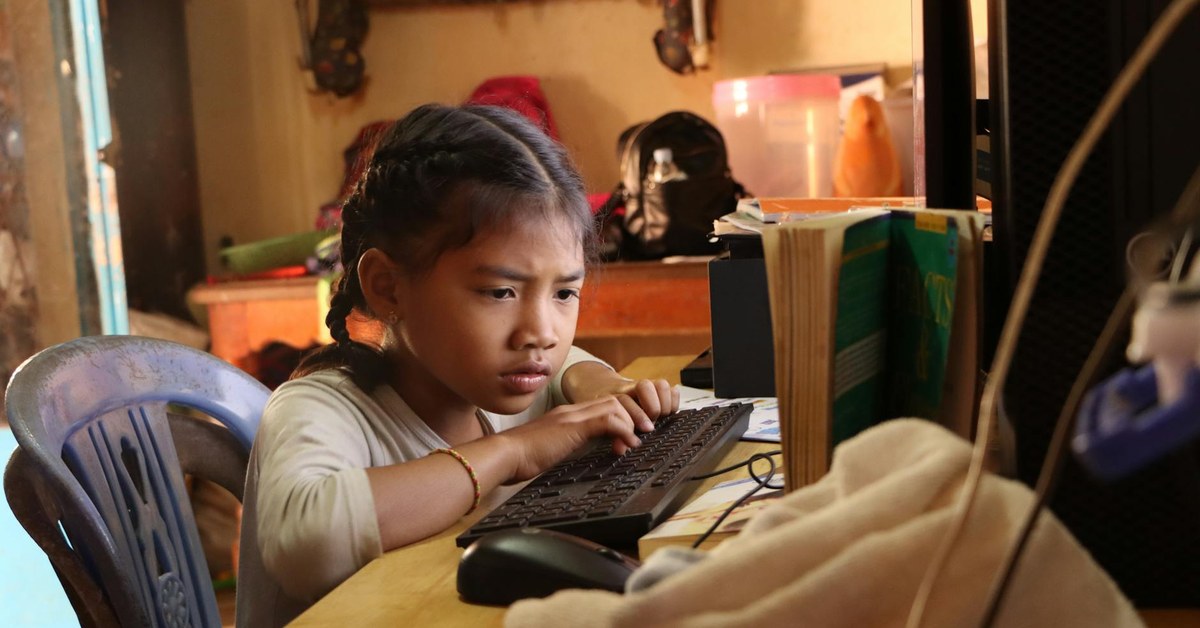

Empowering Children: Digital Literacy & Self-Protection Against Exploitation
“Equip children with vital digital literacy and self-protection skills to recognize and prevent child exploitation online and offline. Learn how to empower them safely.”
Ensuring the safety and well-being of children in an increasingly connected world presents significant challenges for parents and guardians. Empowering Children Digital Safety means equipping them with the knowledge and skills to navigate both the online and offline environments securely, recognise potential threats, and confidently seek help. This comprehensive guide explores how to foster digital literacy and self-protection skills, helping children identify and prevent exploitation in all its forms.
Understanding the Landscape of Child Exploitation
Child exploitation is a grave concern, manifesting in various forms both online and offline. It involves any act where a child is used, abused, or manipulated for the benefit or gratification of another person, often resulting in harm to the child’s physical, emotional, or psychological well-being. The digital realm has unfortunately opened new avenues for exploiters, making digital literacy and self-protection skills more critical than ever.
Statistics Highlighting the Risk: * According to a 2022 UNICEF report, one in three children globally are internet users, making them increasingly exposed to online risks. * The Internet Watch Foundation (IWF) reported a 34% increase in the number of child sexual abuse images and videos found online in 2022 compared to the previous year, underscoring the escalating challenge. * A 2023 study by the World Health Organisation (WHO) indicated that millions of children worldwide experience some form of violence, abuse, or neglect, with a significant proportion having an online component.
Child exploitation can take many forms, including: * Sexual Exploitation: This involves the sexual abuse or manipulation of a child, often through grooming, image-sharing, or direct contact. * Trafficking: The recruitment, transportation, transfer, harbouring, or receipt of a child for the purpose of exploitation. * Labour Exploitation: Forcing children into work that is harmful to their health and development, depriving them of education and childhood. * Online Grooming: The process where an individual builds a relationship with a child online with the intention of sexual abuse or exploitation. * Cyberbullying: While not always leading to exploitation, severe cyberbullying can isolate children and make them vulnerable to predators who offer false comfort.
“Understanding the evolving tactics of exploiters is crucial for parents and educators,” states a child safety expert. “The digital world offers anonymity, which predators often exploit, making education about online interactions paramount.”
Key Takeaway: Child exploitation is a multifaceted problem, with alarming statistics demonstrating its prevalence both online and offline. Digital platforms have expanded the reach of exploiters, necessitating proactive education and vigilance.
The Crucial Role of Digital Literacy for Children
Digital literacy extends beyond simply knowing how to use a device; it encompasses the ability to navigate, evaluate, and create information using digital technologies safely and responsibly. For children, this means understanding the implications of their online actions and recognising potential dangers.
Components of Digital Literacy for Children: 1. Critical Thinking Online: Teaching children to question information, identify misinformation, and understand that not everything they see or read online is true. This includes recognising clickbait, scams, and manipulated images. 2. Privacy Awareness: Helping children understand what personal information is, why it needs protection, and how sharing it can create risks. This covers names, addresses, photos, and school details. 3. Digital Footprint Management: Explaining that everything posted online leaves a permanent trace. Children need to grasp the long-term consequences of sharing photos, comments, and personal details. 4. Responsible Online Communication: Guiding children on appropriate behaviour in online interactions, including respectful language, understanding consent in sharing content, and recognising when an interaction feels uncomfortable or inappropriate. 5. Technical Safety Skills: Teaching the basics of secure passwords, recognising phishing attempts, understanding privacy settings on apps and social media, and knowing how to block or report users. 6. Media Literacy: Helping children understand the motivations behind online content, including advertising, influencer marketing, and the curated nature of social media feeds.
“Effective digital literacy empowers children to be active participants in their own safety,” advises a cybersecurity specialist. “It moves beyond simply telling them ‘don’t do that’ to explaining ‘why’ and equipping them with the tools to make informed decisions.”
Practical Steps for Building Digital Literacy: * Co-Explore Online Content: Sit with your child as they explore new websites, apps, and games. Discuss what they see and hear. * Discuss Real-World Scenarios: Use news stories (age-appropriately) or hypothetical situations to discuss online risks and appropriate responses. * Review Privacy Settings Together: Show children how to adjust privacy settings on their favourite apps and games, explaining the purpose of each setting. * Encourage Critical Questioning: When they encounter new information or a request online, ask them: “Who created this? Why? Is it true? What might happen if you share this?”
Building Self-Protection Skills: Beyond “Stranger Danger”
While “stranger danger” was a foundational concept, modern self-protection goes much deeper, focusing on empowering children to recognise unsafe situations, trust their instincts, and communicate effectively. This is particularly vital when considering that many instances of exploitation involve individuals known to the child.
Core Self-Protection Skills: 1. Body Autonomy and Boundaries: Teach children that their body belongs to them, and they have the right to say “no” to any touch or interaction that makes them feel uncomfortable, even from someone they know. 2. Recognising Uncomfortable Feelings: Help children identify physical and emotional cues that signal an unsafe situation (e.g., a “funny feeling” in their tummy, anxiety, fear). Emphasise that these feelings are important signals to pay attention to. 3. The “No, Go, Tell” Rule: * No: Say “no” firmly to anything that makes them feel uncomfortable or unsafe. * Go: Get away from the situation or person immediately. * Tell: Report what happened to a trusted adult. 4. Identifying Trusted Adults: Create a list of 3-5 trusted adults (parents, guardians, teachers, relatives) whom the child can approach with any concerns, without fear of punishment or disbelief. 5. Understanding Grooming Tactics: Explain, in an age-appropriate way, how exploiters might try to build trust, offer gifts, ask for secrets, or try to isolate a child from their family and friends. Emphasise that these are manipulative behaviours, not genuine friendship. 6. Permission and Consent: Teach children about asking for permission before touching others or sharing their images, and the importance of others asking for their permission. This lays the groundwork for understanding consent.
“Self-protection is about building resilience and assertiveness,” notes a child psychologist. “It’s about empowering children to believe their feelings are valid and that they have a right to safety, even when an adult is acting inappropriately.”
Examples of Self-Protection in Action: * A child receives a message online asking for a photo in exchange for game currency: They say “no,” block the user, and tell a trusted adult. * An adult known to the family asks the child to keep a “secret” that makes the child feel uncomfortable: The child remembers their right to say “no” to secrets and tells a parent. * A new online friend pressures a child to meet in person without parental knowledge: The child recognises this as a red flag, declines, and informs a trusted adult.
Age-Specific Guidance for Digital Literacy and Self-Protection
Empowering children effectively requires tailoring advice to their developmental stage and understanding.
Ages 3-6 (Early Childhood): * Focus: Basic safety rules, body autonomy, identifying trusted adults. * Digital Literacy: * Introduce screens as a family activity. * Teach simple rules: “Ask before you click,” “Only watch what Mummy/Daddy says.” * Explain that some characters online are pretend, and some people are real. * Self-Protection: * Teach “private parts” and that no one should touch them without permission. * “No secrets from Mummy/Daddy.” * Practise saying “no” loudly and running to a trusted adult. * Identify 3-5 trusted adults. * Next Steps: Use storybooks and age-appropriate videos to discuss safety. Role-play scenarios like asking for help.
Ages 7-12 (Middle Childhood): * Focus: Expanding digital boundaries, identifying online risks, understanding consequences. * Digital Literacy: * Discuss what constitutes personal information and why it’s private. * Explain the idea of a “digital footprint” – what goes online stays online. * Teach how to use privacy settings on games/apps. * Introduce the concept of “stranger danger” online – people might not be who they say they are. * Self-Protection: * Deepen understanding of uncomfortable feelings and trusting instincts. * Reinforce “No, Go, Tell.” * Discuss different types of secrets (good secrets vs. bad secrets). * Introduce concepts of online grooming in simple terms (e.g., “someone trying to be your friend too quickly or asking for too much information”). * Next Steps: Have regular family discussions about online activities. Co-create family rules for internet use. [INTERNAL: guide to family online safety agreements]
Ages 13-18 (Adolescence): * Focus: Critical evaluation, sophisticated online behaviour, managing peer pressure, advanced self-advocacy. * Digital Literacy: * Discuss media literacy: identifying fake news, sponsored content, and manipulative advertising. * Emphasise critical thinking about online challenges and trends. * Reinforce strong password creation, two-factor authentication, and phishing awareness. * Discuss the legal implications of sharing explicit content (sexting) and online harassment. * Self-Protection: * Discuss complex grooming tactics, including emotional manipulation and love bombing. * Empower them to set firm boundaries in online and offline relationships. * Reinforce the importance of reporting and seeking help without fear of judgment. * Discuss online consent, image-sharing, and the right to privacy. * Next Steps: Maintain open, non-judgmental communication. Encourage them to seek help from school counsellors or helplines if needed. Discuss consequences of online actions.
Key Takeaway: Tailor digital literacy and self-protection education to a child’s age and developmental stage, gradually introducing more complex concepts as they mature. Consistent, open dialogue is paramount.
Creating a Safe Digital Environment at Home
While empowering children with skills is vital, parents and guardians also play a crucial role in establishing a secure home environment.
Practical Steps for Parents and Guardians: 1. Establish Clear Family Rules: Create a family agreement for internet and device use, including screen time limits, appropriate content, and places where devices can be used. Display these rules prominently. 2. Use Parental Control Software: Implement parental control tools on devices and your home network to filter inappropriate content, monitor activity, and manage screen time. Many internet service providers offer these services. 3. Activate Privacy Settings: Ensure all devices, apps, and social media platforms used by children have the highest possible privacy settings enabled. Regularly review and update these. 4. Keep Devices in Common Areas: Encourage children to use devices in communal family spaces rather than isolated bedrooms, allowing for natural supervision and conversation. 5. Lead by Example: Demonstrate responsible digital behaviour yourself. Show children how you manage your own screen time, think critically about online content, and protect your privacy. 6. Regularly Check-In: Have frequent, casual conversations about their online lives. Ask about their favourite games, what they’ve seen, and who they’re talking to. Listen actively and non-judgmentally. 7. Stay Informed: Keep abreast of new apps, games, and online trends that children are using. Resources from organisations like the NSPCC or Internet Matters provide up-to-date information. 8. Understand Reporting Mechanisms: Know how to report suspicious or harmful content to platforms, internet service providers, and relevant authorities.
“A safe digital home environment is built on a foundation of trust, open communication, and clear boundaries,” says a family well-being advocate. “It’s not about surveillance, but about shared responsibility and protection.”
Recognising Warning Signs and Responding Effectively
Even with the best preventative measures, it is essential for parents and guardians to recognise potential warning signs of exploitation and know how to respond.
Warning Signs of Potential Exploitation: * Behavioural Changes: Sudden secrecy about online activities, withdrawal from family/friends, increased anxiety, aggression, or depression. * Emotional Indicators: Unexplained sadness, fear, anger, mood swings, or loss of interest in hobbies. * Physical Signs: Unexplained injuries, changes in sleep patterns or appetite, reluctance to go to school or certain places. * Online Indicators: * Receiving gifts or money from unknown sources. * Having multiple online accounts they keep secret. * Spending excessive time online, especially at night. * Deleting browsing history or messages regularly. * Becoming secretive about who they are communicating with online. * Expressing fear or anxiety about meeting someone online. * Having inappropriate images or messages on their device.
Responding Effectively: 1. Stay Calm: Your calm demeanour will help your child feel safe and encouraged to share more. 2. Listen Without Judgment: Create a safe space for your child to talk. Reassure them that they are not to blame and that you are there to help. 3. Believe Them: Children rarely lie about abuse. Take their concerns seriously. 4. Gather Information (Carefully): Ask open-ended questions to understand what happened, who was involved, and where it occurred. Avoid leading questions. 5. Do Not Confront the Alleged Abuser Yourself: This can escalate the situation and potentially put your child at further risk. 6. Seek Professional Help Immediately: * Child Protection Services: Contact your local child protection agency. * Police: Report any suspected criminal activity to the police. * Helplines: Utilise national child protection helplines (e.g., NSPCC in the UK, Childline). * Medical/Therapeutic Support: Arrange for professional counselling and medical evaluation for your child.
Remember, your priority is your child’s safety and well-being. Acting quickly and involving the appropriate authorities is critical.
Legal Frameworks and Reporting Mechanisms (Global Context)
Many countries operate under legal frameworks designed to protect children from exploitation, often aligned with international conventions like the UN Convention on the Rights of the Child. While specific laws vary, common elements include:
- Criminalisation of Child Exploitation: Laws that criminalise child sexual abuse, child trafficking, and the production/distribution of child sexual abuse material.
- Mandatory Reporting: In many jurisdictions, certain professionals (teachers, doctors) have a legal obligation to report suspected child abuse.
- International Cooperation: Organisations like Interpol and Europol facilitate cross-border investigations into child exploitation, recognising its global nature.
General Reporting Advice: * Emergency Services: If a child is in immediate danger, contact your local emergency services (e.g., 999 in the UK, 911 in the US, 112 in Europe). * National Child Protection Helplines: Most countries have dedicated helplines for reporting child abuse or seeking advice (e.g., NSPCC in the UK, Childline International). * Law Enforcement: Contact your local police or a dedicated cybercrime unit to report online exploitation. * Internet Watch Foundation (IWF) / National Centre for Missing and Exploited Children (NCMEC): These organisations work to identify and remove child sexual abuse material from the internet and can be critical reporting points. * Platform Reporting: Report inappropriate content or suspicious users directly to the platform (social media, gaming app) where the interaction occurred.
Empowering children with digital literacy and self-protection skills forms a crucial shield against exploitation. By fostering open communication, setting clear boundaries, and staying informed, families can create a safer environment where children can thrive both online and offline.
What to Do Next
- Initiate an Open Conversation: Sit down with your child and discuss online safety, privacy, and personal boundaries in an age-appropriate, non-judgmental way. Make it an ongoing dialogue, not a one-off lecture.
- Review and Adjust Privacy Settings: Work with your child to check and strengthen privacy settings on all their devices, apps, and social media accounts. Explain why these settings are important.
- Create a Family Online Safety Plan: Develop clear family rules for internet and device use, including screen time, appropriate content, and communication with strangers. Ensure everyone understands and agrees to these rules.
- Identify Trusted Adults: Help your child identify at least three trusted adults they can talk to if anything makes them feel uncomfortable or unsafe, assuring them they will be believed and supported.
- Stay Informed and Engaged: Regularly update your knowledge on new online trends and threats. Actively participate in your child’s digital life by exploring their favourite apps and games with them.
Sources and Further Reading
- UNICEF: www.unicef.org
- World Health Organisation (WHO): www.who.int
- NSPCC (National Society for the Prevention of Cruelty to Children): www.nspcc.org.uk
- Internet Watch Foundation (IWF): www.iwf.org.uk
- Internet Matters: www.internetmatters.org
- Childline: www.childline.org.uk
- National Centre for Missing & Exploited Children (NCMEC): www.ncmec.org