Farm and Animal Safety: What Young Children Need to Know
Visits to farms and animal attractions are wonderful experiences for young children, but farm animals and even zoo animals can be dangerous without the right precautions. This guide prepares children and parents for safe, enjoyable animal encounters.
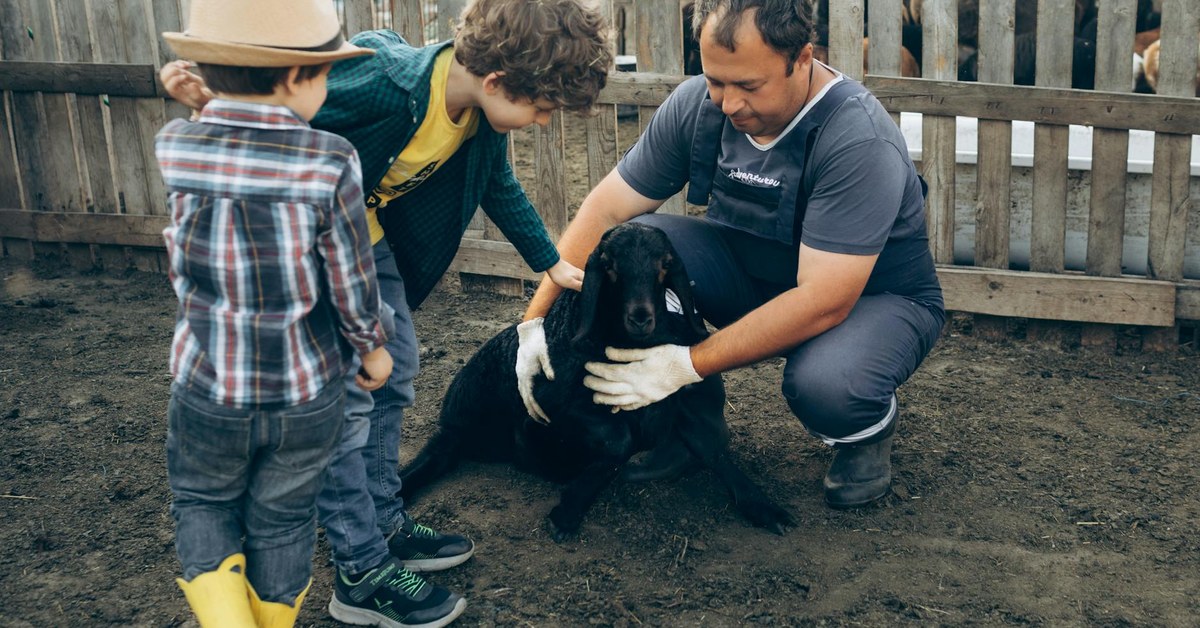

Farm and Animal Safety: What Young Children Need to Know
“Visits to farms and animal attractions are wonderful experiences for young children, but farm animals and even zoo animals can be dangerous without the right precautions. This guide prepares children and parents for safe, enjoyable animal encounters.”
Why Farm Visits Need Preparation
Farm visits and zoo trips are among the most memorable experiences of early childhood. The chance to see, and sometimes touch and feed, animals that young children know from books and television is genuinely exciting. They are also environments with real risks that are different from everyday life, and a short preparation conversation before you arrive can make the difference between a wonderful day and a frightening or dangerous one.
Farm animals, even those used to human contact, are unpredictable in ways that domestic pets are not. They are significantly larger than most children and can cause injury without any aggressive intent, simply through their size and instinctive movements. Wild animals at zoos and nature reserves are kept safely behind barriers, but children's instinct to reach toward animals they find exciting can create risks even in those controlled environments.
The Basic Rules for Young Children Around Farm Animals
Teach these rules before you arrive, and review them on the way. Young children who have heard the rules before they need them are much more likely to remember and follow them in the excitement of the moment.
Never touch an animal without asking a grown-up first. This applies even if the animal seems friendly and is approaching you. On farm visits, ask a farm worker whether an animal is safe to touch and how to approach it. On zoo visits, the barriers and signs tell you whether touching is possible; do not reach past them.
Never feed an animal without permission. Many farm animals are on specific diets and feeding them inappropriate food can cause illness. More immediately, reaching toward an animal with food can provoke unexpected behaviour, including biting or nudging that can knock a small child over. At farms and petting zoos that do provide food for visitors to use, the staff will guide you on how to feed safely.
Keep voices calm and movements slow around animals. Fast movements and loud noises can startle animals into defensive behaviour. This is especially important with horses, cattle, and goats, which are large enough to cause serious injury if they are startled.
Do not put fingers into cages, enclosures, or through barriers of any kind. Even small animals can bite fingers that are extended through barriers, and larger animals can cause serious injury to hands and arms that are within reach.
What to Do If an Animal Behaves Aggressively
If an animal moves toward your child in a way that seems threatening, the right response is to back away slowly and calmly. Running can trigger a chase response in some animals. Do not wave arms or shout. Get behind a barrier or fence if one is available, and alert a member of farm staff as soon as it is safe to do so.
If a child is knocked over by an animal, help them to get behind a barrier and away from the animal as quickly as possible. Check for injury and seek first aid from farm staff if needed. Even if there are no obvious injuries, a medical check is worth having if the child was knocked to the ground, as internal injuries are not always immediately visible.
Hygiene After Animal Contact
Farms and petting zoo environments carry bacterial risks that are particularly relevant for young children. E. coli, Cryptosporidium, and other organisms present in animal faeces can cause serious illness in young children, and young children are more likely than adults to touch contaminated surfaces and then put their hands near their mouths.
Thorough handwashing with soap and water after any animal contact, and before eating anything, is essential. Most farms have handwashing stations specifically for this purpose, and their use should be non-negotiable rather than optional. Do not allow children to eat snacks with unwashed hands in farm environments, even if the snacks are packaged.
Keep children's faces away from animals and do not allow children to kiss or nuzzle animals. Do not allow children to sit on the ground in animal enclosures. Remove and wash clothing worn during farm visits promptly after returning home.
Wild Animal Encounters: Wasps, Bees, and Other Insects
Outdoor environments near farms and nature reserves also bring encounters with insects. Teach young children what to do if a wasp or bee lands on them: stay still and calm. Waving, swatting, and running are the things that increase the likelihood of a sting. The insect is not interested in the child; it is looking for food or investigating something in the environment. Staying still until it moves away of its own accord is almost always the right response.
If a child is stung, remove the sting if it is visible by scraping it away (do not pinch it, as this can release more venom). Wash the area with soap and water. Apply a cold compress to reduce swelling. Pain and local swelling are normal responses. Seek emergency medical care immediately if the child develops signs of a severe allergic reaction: swelling of the face or throat, difficulty breathing, dizziness, or hives spreading across the body. If your child has a known allergy to insect stings, ensure that an auto-injector (EpiPen) is carried on any outdoor visit and that the adults present know how to use it.