Cooking Safety for Families with Young Children
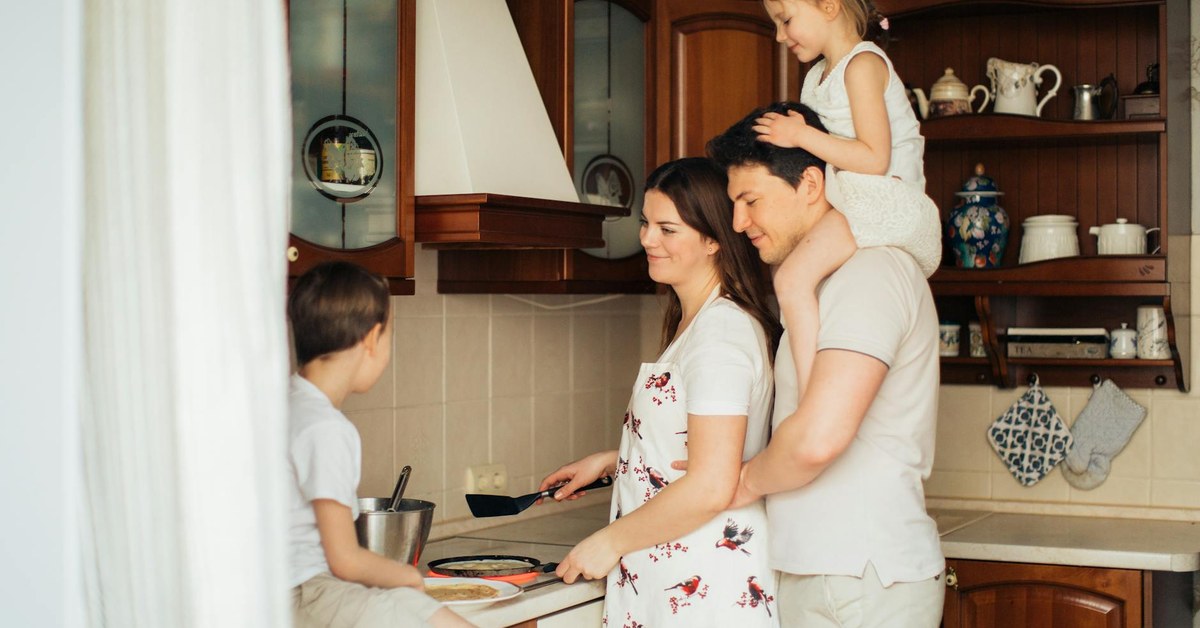

Cooking Safety for Families with Young Children
Cooking Safety for Families with Young Children: Preventing Burns and Accidents in the Kitchen
The kitchen is one of the most vibrant and engaging rooms in any home. It is where meals are prepared, conversations happen, and children often want to be close to the action. It is also, statistically, one of the most hazardous spaces for young children. Burns, scalds, cuts, and falls are among the most common home injuries in early childhood, and the kitchen is where a disproportionate number of them occur.
Teaching kitchen safety is not about keeping children out of the kitchen entirely. Quite the opposite: involving children in cooking in age-appropriate ways is valuable for their development, builds practical skills, and is an important part of family life in cultures around the world. The goal is to establish safe boundaries, build awareness, and ensure that when something does go wrong, children and adults know how to respond.
Understanding the Hazards
Before establishing rules, it helps to understand specifically what makes kitchens dangerous for young children.
Burns and Scalds
Burns are caused by direct contact with a hot surface or flame; scalds are caused by hot liquids or steam. Both are among the most painful and serious injuries young children sustain at home. Scalds in particular are often underestimated: a cup of tea or coffee can remain hot enough to cause a significant scald injury for up to 30 minutes after it is made. Hot water from a tap, steam from a kettle or saucepan, and spilt cooking oil are all common culprits.
Sharp Objects
Kitchen knives, peelers, graters, and the lids of open tins all pose a significant laceration risk. Children's fine motor skills and hand strength develop gradually, and even older children may lack the dexterity to use sharp tools safely without supervision and instruction.
Electrical Appliances
Kettles, microwaves, food processors, toasters, and hobs with electric controls all present risks ranging from burns to electric shocks. Microwaves in particular are often used independently by children at an age when they are not fully equipped to do so safely: superheated liquids and steam burns are a known hazard of microwave use.
Falls
Children who climb on chairs or stools to reach surfaces or hobs risk falls that may result in fractures or head injuries. This risk is compounded if they are also holding hot or heavy items.
Grease Fires
Cooking oil that overheats can ignite rapidly, and grease fires are among the most dangerous kitchen fires. They cannot be safely extinguished with water; doing so can cause a violent eruption of burning oil.
Safe Zones in the Kitchen
One of the most practical frameworks for kitchen safety with young children is the concept of safe and unsafe zones. This provides clear, concrete guidance that children can understand and remember.
Safe Zones
- The kitchen table or a low work surface away from the hob. These are appropriate spaces for children to help with tasks such as washing vegetables, tearing salad leaves, mixing cold ingredients, or kneading dough under supervision.
- A designated step stool in a fixed position. If a child needs height to help at a counter, a stable, non-slip step stool positioned well away from the hob is safer than improvised climbing.
Unsafe Zones
- The hob area. No child under the age of approximately 11 or 12 should be near the hob without very close adult supervision, and even then, only with proper instruction.
- The oven door area. When the oven is in use, the area directly in front of it is hot and should be off-limits for young children.
- The kettle and toaster area. Steam and heat from these appliances are unpredictable and can cause rapid scalding.
- Near hot liquids. Any pan, pot, or jug containing hot liquid should be considered an unsafe zone for young children, who should not reach across, carry, or interfere with these items.
Age-Appropriate Kitchen Activities
Ages 2 to 3
Very young children can be involved in kitchen activities that carry minimal risk. Washing fruit and vegetables under cold water, stirring cold ingredients in a bowl, and tearing soft foods such as bread or lettuce are all suitable. The emphasis at this age is on participation and sensory engagement rather than skill development.
Ages 4 to 7
Children in this age range can take on more meaningful roles with appropriate supervision:
- Measuring and pouring dry ingredients
- Stirring, whisking, and mixing cold or cooled ingredients
- Using a butter knife to spread soft foods
- Rolling pastry or dough with a rolling pin
- Washing and drying salad ingredients
- Helping to set the table
At this age, children should never operate the hob, use sharp knives, handle hot pans or liquids, or use the microwave without direct adult supervision and guidance.
Ages 8 to 11
With increasing dexterity and judgment, older children can begin learning more advanced kitchen skills under close supervision. Using a sharp knife with proper technique, learning to use the microwave safely, and beginning to understand how the hob works are all appropriate at this stage, provided they are taught gradually and with consistent adult oversight.
Hot Surface Awareness
Children often do not instinctively understand that surfaces can retain heat long after a heat source is removed. Teaching hot surface awareness involves making explicit what adults often take for granted:
- A pan or baking tray remains dangerously hot for many minutes after being removed from the heat.
- The hob surface on a ceramic or induction cooker may not change colour when hot, making visual judgement unreliable.
- The inside of a microwave after use, and the container used for heating, can be much hotter than expected.
- Oven gloves should always be used when handling hot items from the oven or hob.
Reinforce the rule: if something has been near heat, assume it is hot until you have checked. Teaching children to hover their hand near (not touching) a surface to feel for radiated heat is a practical skill.
Grease Fire Guidance
Grease fires, caused by overheated cooking oil, are a specific hazard that families should understand.
If cooking oil begins to smoke heavily, the heat should be reduced or the pan removed from the heat immediately. If oil ignites:
- Do not use water. Water causes a violent reaction with burning oil and can spread the fire dramatically.
- Slide a lid or damp cloth onto the pan to cut off oxygen to the fire. Do not drop it from above.
- Turn off the heat source if it is safe to do so without leaning over the fire.
- Leave the pan in place until it has fully cooled. Do not attempt to carry a burning pan.
- If the fire does not go out quickly, leave the kitchen, close the door, and call emergency services.
Families should keep a suitable fire extinguisher in the kitchen, appropriate for use on cooking fires (Class F in the UK and many other countries; Class K in the US). A fire blanket is also a practical and straightforward piece of safety equipment.
What to Do if Clothing Catches Fire
Children and adults alike should know the internationally recognised procedure if clothing catches fire: stop, drop, and roll.
- Stop immediately. Running feeds oxygen to the flames and makes them worse.
- Drop to the floor, covering your face with your hands.
- Roll back and forth until the flames are out.
Practising this procedure with children, including physically demonstrating how to drop and roll, significantly improves the likelihood of them being able to carry it out under the stress of an emergency. Many schools include this in fire safety education, but reinforcement at home is valuable.
Once flames are out, cool the burn under cool running water for at least 10 minutes. Do not use ice, butter, or any other substance on a burn. Seek medical attention for any burn larger than a 50-pence piece (approximately 2 cm across), or any burn on the face, hands, feet, or genitals, regardless of size.
Scald Prevention Strategies
Many kitchen scalds are preventable with simple behavioural changes:
- Keep hot drinks away from the edges of surfaces and out of reach of young children. Never hold a hot drink while holding a baby or toddler.
- Turn pan handles towards the back or side of the hob, not over another flame and not overhanging the edge.
- Use back burners on the hob when possible.
- Check the temperature of microwaved food before giving it to a child, particularly milk or formula.
- Be cautious with steam: lifting the lid of a saucepan or the cling film on a microwaved dish releases a burst of steam that can scald hands and faces.
Creating a Culture of Kitchen Safety
Rules and boundaries are most effective when they are explained, not just imposed. Children who understand why a rule exists are more likely to follow it, particularly in novel situations where an adult is not present.
Explaining the difference between a supervised activity and an unsupervised one, and building trust by gradually extending responsibility as children demonstrate readiness, creates a positive safety culture. This is more effective in the long run than a blanket prohibition that children may resent or disregard.
Across different cultural contexts, the kitchen is a space of enormous significance. Cooking together is a form of cultural transmission, a way of building family bonds, and a practical life skill that children carry into adulthood. Approaching kitchen safety not as a barrier to participation but as the foundation for safe participation honours this significance while protecting children from preventable harm.
Emergency Preparedness in the Kitchen
Every household should have a basic plan for responding to kitchen emergencies:
- Know the location of the main gas shut-off valve if your hob uses gas.
- Ensure smoke alarms are fitted, functional, and tested regularly. In most countries, a detector in or near the kitchen is a legal requirement as well as a practical necessity.
- Keep a first aid kit accessible and ensure adults in the household know basic burn treatment.
- Display emergency contact numbers in an accessible location, and ensure older children know how to call emergency services.
Kitchen safety, like all home safety, is built on preparation and education rather than fear. By treating children as capable learners who can understand and follow safety rules, families create safer kitchens and more confident young people.