Flood and Extreme Weather Safety for Older Adults
Floods, storms, and extreme weather events pose serious risks to older adults at home. Whether you live in a flood-prone area or a region increasingly affected by severe weather, this guide covers how to prepare, when to evacuate, and how to stay safe during and after an extreme weather event.
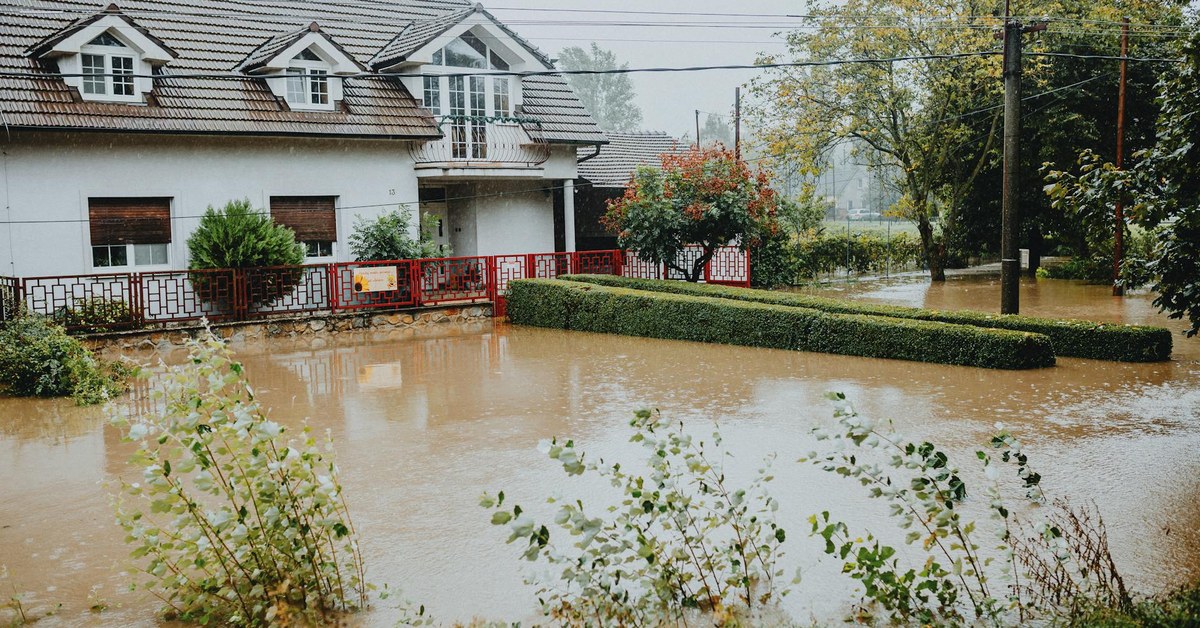

Flood and Extreme Weather Safety for Older Adults
“Floods, storms, and extreme weather events pose serious risks to older adults at home. Whether you live in a flood-prone area or a region increasingly affected by severe weather, this guide covers how to prepare, when to evacuate, and how to stay safe during and after an extreme weather event.”
Why Older Adults Face Greater Risks From Extreme Weather
Extreme weather events, including floods, storms, prolonged heatwaves, severe cold snaps, and wildfires, are among the most serious environmental risks facing communities worldwide. Climate data from meteorological agencies globally show that extreme weather events are increasing in frequency and severity. For older adults, the risks associated with these events are significantly elevated compared to younger age groups.
Several factors contribute to this heightened vulnerability. Older adults are more likely to have health conditions that are worsened by environmental extremes, including cardiovascular and respiratory diseases that are affected by temperature, air quality, and physical exertion. They may have reduced physical mobility that makes evacuation more difficult. Some may live alone with limited social contact to provide assistance or early warning. And conditions affecting cognition or sensory awareness may mean that dangers are recognised later than they would be by a younger, healthier person.
Statistics from major disaster events consistently reflect this vulnerability. Older adults accounted for the majority of deaths in the 2003 European heatwave, the 2005 Hurricane Katrina disaster in the USA, and numerous flood events across Asia, Europe, and the Americas. Understanding the risks and preparing for them in advance is the most effective action any older adult can take to protect themselves.
Flood Risk: Assessing Your Home
The first step in flood preparedness is understanding your specific risk level. Flood risk varies enormously between properties and locations, and knowing your risk allows you to prepare appropriately rather than either ignoring the hazard or preparing excessively for a risk that is remote.
Check your flood risk with the relevant national or local authority. In the UK, the Environment Agency provides a free online flood risk checker. In the USA, FEMA's flood map service centre provides information on flood zones. In Australia, local councils publish flood mapping data. Your local council, environment agency, or emergency management authority is the appropriate source for localised flood risk information.
Properties at higher flood risk include those in river valleys and floodplains, near coastlines exposed to storm surge, in low-lying urban areas where drainage can be overwhelmed by heavy rainfall (surface water flooding), and on hillsides where runoff from slopes can rapidly accumulate.
If you live in a flood-risk area, consider whether any low-cost flood resilience measures are appropriate for your property. Flood barriers or sandbags can be placed at door thresholds to reduce water ingress. Air brick covers can be fitted over ventilation bricks at ground level. Non-return valves on drains prevent floodwater entering through drain connections. Your local council's flood resilience team or a qualified contractor can advise on appropriate measures for your specific property.
Creating a Flood Emergency Plan
An emergency plan created and understood before an event happens is far more effective than improvised decision-making during the stress and confusion of an actual emergency.
Your plan should address several key questions. What is the trigger for action? Signing up for flood warnings from the national or local authority in your area means you receive early notification that allows time to prepare. In the UK, the Environment Agency's flood warning service provides text, email, and phone alerts. In many other countries, equivalent alert systems exist through emergency management agencies.
Where will you go if you need to evacuate? Identify in advance whether you would stay with family, with a friend on higher ground, or in a local authority emergency shelter. Know the location of the nearest emergency shelter and how to reach it from your home. If you rely on your own vehicle or on a mobility aid for transport, consider how you would manage if roads are closed or if your usual transport is unavailable.
What would you take? Prepare a flood emergency bag in advance containing: essential medications for at least three days; copies of important documents including insurance details, identification, and prescription information; phone charger; basic clothing; cash; a torch; a small first aid kit; and any essential medical equipment such as a CPAP machine, hearing aid batteries, or mobility aid accessories. Keeping this bag partially prepared and regularly updated means you can leave quickly if needed.
Who needs to know your plan? Tell family members, close neighbours, and anyone who would be concerned about your welfare where you plan to go and how to contact you if you evacuate. Register with your local council's vulnerable persons register or emergency support scheme if one exists in your area. Many councils maintain lists of residents who may need additional support during emergencies and can prioritise welfare checks and assistance accordingly.
During a Flood
If flooding occurs or is imminent, the sequence of actions prioritises your safety over property protection.
Move to higher ground within your property if flooding is entering the building. Upper floors provide safety from rising water. Do not attempt to walk or drive through floodwater. Even shallow, slow-moving water can sweep a person off their feet, and fast-moving floodwater of only a few inches can move a car. Floodwater frequently contains sewage, chemicals, and other contaminants and should not be waded through except as a last resort. Hidden hazards including open drains and displaced manhole covers beneath the surface make walking in floodwater particularly dangerous.
Avoid using electrical equipment in flooded areas. Do not switch on lights or appliances if the electrics may be affected by water. If it is safe to do so, turn off mains electricity, gas, and water supplies at the mains.
Call for help if needed. In a life-threatening emergency, call emergency services. If you need non-emergency flood assistance, contact your local council's emergency helpline. Keep your phone charged and accessible.
Storm Safety
Severe storms bring risks of high winds, structural damage, flying debris, and disruption to power and transport. Older adults living alone or in older properties face particular risks.
Before severe weather is forecast, secure any loose items in gardens and outdoor spaces that could become dangerous projectiles in high winds: garden furniture, plant pots, parasols, and ornaments. Trim any tree branches that overhang the property and that might break in high winds. Check that gutters and drains are clear so that heavy rainfall can drain away without causing water ingress.
Stay indoors during a severe storm and away from windows. If your property is at risk from structural damage, including from large trees that could fall, identify the safest room to be in during extreme wind. If significant damage occurs to your property during a storm, contact your home insurer promptly and, if the structure is unsafe, contact your local council for emergency support.
Power cuts are common during storms and can last from hours to days in severe events. Keep a torch with fresh batteries accessible. If you depend on electrically powered medical equipment such as an oxygen concentrator, infusion pump, or electric stair lift, discuss contingency planning with your equipment provider and ensure your GP is aware of your dependency. Some electricity providers maintain a priority register for customers with medical dependencies who will be given priority in power restoration. Ask your electricity provider about this service.
Heatwave Safety for Older Adults
Extreme heat is one of the most deadly environmental risks for older adults. The body's ability to regulate temperature through sweating and circulatory response is reduced with age, and many medications commonly prescribed to older adults affect the body's heat response.
During a heatwave, keep your home as cool as possible. Close blinds and curtains on south and west-facing windows during the hottest part of the day to reduce solar heat gain. Open windows on cooler shaded sides of the building during the evening and night to allow cooler air in. Use a fan if available, though note that fans circulate air without cooling it and become less effective as temperatures rise above approximately 35 degrees Celsius.
Stay hydrated. Drink water regularly throughout the day without waiting to feel thirsty. Limit alcohol and caffeine, which increase fluid loss. Eat cool, light meals and avoid using the oven during the hottest part of the day.
Avoid spending time outdoors during the hottest hours (usually 11am to 3pm). If you must go out, wear lightweight light-coloured clothing, a wide-brimmed hat, and sunscreen, and carry water. Check on neighbours who may be particularly vulnerable.
Know the signs of heat exhaustion and heat stroke. Heat exhaustion causes heavy sweating, cool pale skin, fast and weak pulse, nausea, and dizziness. Move to a cool place, drink water, and apply cool damp cloths to the skin. Heat stroke is a medical emergency causing hot dry skin, confusion, rapid strong pulse, and possible loss of consciousness. Call emergency services immediately.
Staying Registered and Connected
Two of the most effective protective measures for older adults facing extreme weather are registering with local emergency services schemes and maintaining regular contact with family, friends, or neighbours.
Register with your local council's vulnerable persons or emergency support register if one exists. Register with utility providers' priority service schemes if you have a medical condition or disability. Make sure at least one nearby person has a key to your property and knows to check on you during periods of extreme weather.
During any period of severe weather, increase the frequency of contact with family or trusted neighbours. A daily check-in call or visit during a heatwave or storm period takes only a few minutes but provides genuine protection. Many communities have voluntary neighbourhood support networks specifically for periods of extreme weather. Contact your local council or community organisation to find out what exists in your area and to connect with it before you need it.