Guiding Elementary Children Through Big Emotions: Practical Mindfulness Techniques for Anger & Frustration
Help elementary kids manage anger & frustration with practical mindfulness techniques. Empower your child with emotional regulation skills for a calmer, more focused life.
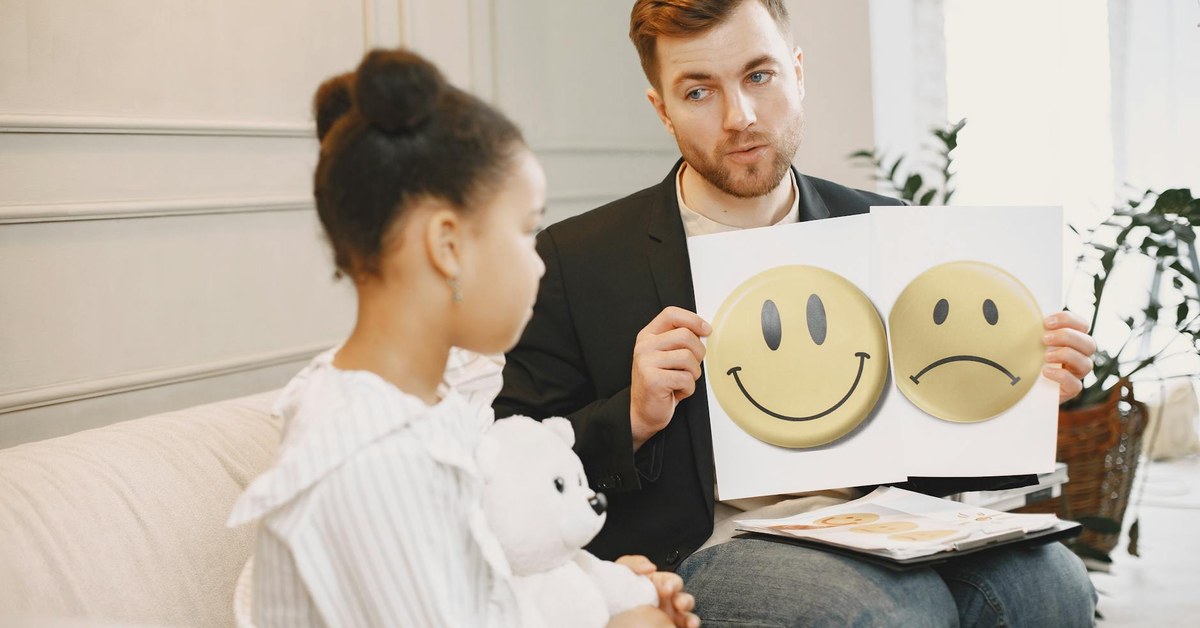

Guiding Elementary Children Through Big Emotions: Practical Mindfulness Techniques for Anger & Frustration
“Help elementary kids manage anger & frustration with practical mindfulness techniques. Empower your child with emotional regulation skills for a calmer, more focused life.”
Elementary school years (typically ages 6-11) are a period of immense growth, learning, and emotional development. While children in this age range are developing their independence and social skills, they often grapple with intense feelings of anger and frustration. These big emotions can be overwhelming for them and challenging for parents and carers to navigate. Equipping children with effective coping mechanisms is crucial for their long-term emotional wellbeing. This article explores how practical mindfulness for elementary children’s anger can provide powerful tools for emotional regulation, helping your child cultivate calmness and resilience.
Understanding Anger and Frustration in Elementary Children
Anger and frustration are natural human emotions, but for elementary-aged children, they can feel enormous and uncontrollable. They might manifest as tantrums, shouting, hitting, withdrawal, or even physical symptoms like stomach aches. Developmental factors play a significant role; children’s prefrontal cortex, responsible for impulse control and emotional regulation, is still maturing.
A 2022 report by the World Health Organisation (WHO) highlighted that emotional difficulties are increasingly prevalent among children globally, affecting up to 1 in 5 young people. While anger and frustration are normal responses to unmet needs, perceived unfairness, or challenges, persistent or intense outbursts can disrupt learning, relationships, and overall quality of life. Understanding the triggers – whether it’s academic pressure, social conflicts, changes at home, or sensory overload – is the first step towards effective intervention.
“Children often lack the vocabulary to express complex emotions,” explains an educational psychologist. “Their anger or frustration might be a secondary emotion, masking sadness, fear, or confusion. Mindfulness helps them identify these feelings before they escalate.”
Effective strategies for managing child anger focus on teaching children to recognise these early warning signs and develop constructive responses. This is where mindfulness offers a profound benefit.
Key Takeaway: Anger and frustration in elementary children are normal but can be overwhelming due to their developing brains. Recognising triggers and understanding that these emotions often mask deeper feelings are crucial first steps in helping children cope.
Why Mindfulness Works for Children
Mindfulness is the practice of paying attention to the present moment without judgment. It involves noticing thoughts, feelings, and bodily sensations as they arise, rather than getting carried away by them. For children, this translates into developing a greater awareness of their internal emotional landscape and learning to pause before reacting impulsively.
Several studies support the benefits of mindfulness for children: * Improved Emotional Regulation: Children learn to observe their anger or frustration rather than being consumed by it, giving them space to choose a response. * Enhanced Focus and Concentration: Regular mindfulness practice can improve attention spans, which benefits academic performance and daily tasks. * Reduced Stress and Anxiety: By focusing on the present, children can lessen worries about the past or future. * Increased Empathy: Mindfulness can foster greater self-awareness, which often extends to understanding the feelings of others. * Better Sleep Quality: Calming the mind before bed can lead to more restful sleep.
The principles of emotional regulation elementary children need are directly addressed by mindfulness. It teaches them to acknowledge their feelings, understand that emotions are temporary, and provides tools to return to a state of calm. Organisations like UNICEF advocate for mental wellbeing programmes that include mindfulness in schools, recognising its positive impact on child development.
Practical Mindfulness Techniques for Elementary Children
Introducing mindfulness to children doesn’t require complex meditation; it can be woven into daily life through simple, engaging activities. Here are some practical calm down techniques children can learn:
1. Balloon Breath (Ages 5-8)
This technique helps children regulate their breathing when feeling overwhelmed. * How to do it: Ask your child to place their hands on their tummy. Imagine their tummy is a balloon. As they breathe in deeply through their nose, their “balloon” inflates (tummy rises). As they breathe out slowly through their mouth, their “balloon” deflates (tummy falls). Repeat 3-5 times. * Focus: Emphasise feeling the rise and fall of the tummy.
2. Starfish Breath (Ages 7-10)
A visual and tactile breathing exercise. * How to do it: Your child holds one hand up, fingers spread wide like a starfish. Using the pointer finger of their other hand, they trace up one finger as they inhale, pause at the top, and trace down the other side as they exhale. They continue this for all five fingers. * Focus: The movement helps to anchor attention and slow breathing.
3. Mindful Listening (Ages 6-11)
This practice sharpens auditory awareness and brings children into the present. * How to do it: Find a quiet space. Ask your child to close their eyes or look at the floor. Challenge them to listen for three specific sounds – one very close, one a little further away, and one far away. After a minute or two, ask them to share what they heard without judgment. * Focus: Noticing sounds without labelling them as “good” or “bad.”
4. Body Scan for Relaxation (Ages 8-11)
A gentle way to become aware of physical sensations and release tension. * How to do it: Have your child lie down comfortably. Guide them to bring their attention to different parts of their body, starting from their toes, moving up to their feet, legs, tummy, arms, and head. Ask them to notice any sensations – warmth, tingling, tightness – and imagine those areas relaxing with each exhale. * Focus: Gently observing bodily sensations without trying to change them.
5. Mindful Movement / “Turtle Time” (Ages 5-9)
Helps children connect with their body and find a safe space when emotions are high. * How to do it: When your child feels angry or frustrated, suggest they pretend to be a turtle. They can sit on the floor, pull their arms and head into their “shell” (knees), and take a few slow, deep breaths. This creates a physical boundary and encourages introspection. * Focus: Using a physical action to create a sense of safety and encourage self-soothing.
6. Gratitude Jar (All elementary ages)
While not strictly a “calm down” technique, cultivating gratitude can shift perspective away from frustration. * How to do it: Decorate a jar together. Each day, encourage your child to write down one thing they are grateful for and put it in the jar. Periodically, you can read them out loud. * Focus: Shifting attention to positive experiences and cultivating a hopeful outlook.
These techniques are most effective when practised regularly, not just during moments of crisis. Consistent practice helps children build a “mindfulness muscle” that they can then draw upon when strong emotions arise.
Integrating Mindfulness into Daily Family Life
Developing mindful parenting strategies is key to supporting your child’s emotional growth. Children learn by example, so demonstrating your own mindfulness practices can be incredibly powerful.
- Establish a “Calm Corner”: Create a designated space in your home with soft cushions, books, drawing materials, and perhaps a stress ball or sensory toy. This is a non-punitive space where your child can go to self-regulate when feeling overwhelmed.
- Practice Together: Engage in short mindfulness exercises as a family. This could be a 5-minute breathing exercise before dinner or a mindful walk in nature.
- Use Mindful Language: Instead of “Stop being angry!” try “I see you’re feeling really frustrated right now. Let’s take a few deep breaths together.” Validate their feelings first.
- Incorporate into Routines: Suggest a ‘mindful minute’ before bedtime, focusing on the sounds of the night or the feeling of their blanket.
- Utilise Technology Wisely: Explore child-friendly mindfulness apps or guided meditations that can make the practice engaging for children. Look for apps that offer simple, short exercises.
- Encourage Self-Reflection: After a challenging situation, gently ask, “What did your body feel like when you were angry?” or “What helped you calm down?” This builds self-awareness and reinforces coping skills.
Remember that progress isn’t linear. There will be good days and challenging days. The goal is to equip your child with tools, not to eliminate emotions. Consistency and patience are paramount when fostering frustration in kids coping mechanisms. [INTERNAL: Building Resilience in Children: A Family Guide]
When to Seek Additional Support
While mindfulness is a powerful tool, it’s important to recognise when a child’s anger or frustration might indicate a need for professional support. Consider seeking help from a paediatrician, child psychologist, or school counsellor if: * Your child’s anger or frustration is consistently intense, frequent, and lasts for extended periods. * The behaviour is significantly impacting their social relationships, school performance, or family life. * Your child is frequently aggressive towards others or themselves. * You notice a sudden or dramatic change in their mood or behaviour. * Mindfulness techniques and other parenting strategies are not yielding any positive changes over time.
A professional can assess underlying issues, such as anxiety, ADHD, or learning difficulties, and provide tailored strategies or therapy.
What to Do Next
- Start Small: Choose one or two mindfulness techniques from this article and introduce them gently to your child. Practise for just a few minutes each day.
- Model Behaviour: Show your child how you manage your own big emotions using mindful breathing or taking a brief pause before reacting.
- Create a Calm Corner: Designate a quiet, comfortable space in your home where your child can go to self-regulate when they feel overwhelmed.
- Observe and Reflect: Pay attention to your child’s triggers and how different techniques impact their emotional state. Discuss what works best for them.
- Seek Guidance if Needed: If you are concerned about the intensity or frequency of your child’s anger and frustration, consult with a healthcare professional or child specialist.
Sources and Further Reading
- World Health Organisation (WHO): Mental health of adolescents and children. [www.who.int/news-room/fact-sheets/detail/mental-health-of-adolescents]
- UNICEF: The State of the World’s Children 2021 - On My Mind: Promoting, protecting and caring for children’s mental health. [www.unicef.org/reports/state-worlds-children-2021]
- NSPCC: Understanding child development and behaviour. [www.nspcc.org.uk/keeping-children-safe/support-for-parents/child-development-behaviour/]
- Mindfulness in Schools Project (MiSP): Resources and research on mindfulness for young people. [www.mindfulnessinschools.org/]