Heat Exhaustion and Heatstroke Prevention for Older Adults
Hot weather poses serious and underestimated risks for older adults. Heat exhaustion and heatstroke are medical emergencies that become more likely as we age. This guide explains why older adults are more vulnerable, how to recognise heat illness, and the practical steps that keep you safe when temperatures rise.

Heat Exhaustion and Heatstroke Prevention for Older Adults
“Hot weather poses serious and underestimated risks for older adults. Heat exhaustion and heatstroke are medical emergencies that become more likely as we age. This guide explains why older adults are more vulnerable, how to recognise heat illness, and the practical steps that keep you safe when temperatures rise.”
Heat Is a Serious Risk for Older Adults
Hot weather is responsible for a significant number of deaths and hospitalisations among older adults every year, far more than most people realise. During major heat events, such as the European heatwaves of 2003, 2019, and 2022, the excess mortality was concentrated overwhelmingly among people aged 75 and above. Yet heat illness is almost entirely preventable with the right awareness and preparation.
The challenge is that heat-related illness often develops gradually and without the person experiencing it being fully aware of the danger. By the time symptoms are severe, the situation may already require emergency medical intervention. This makes advance knowledge of the risks, warning signs, and preventive measures particularly important, especially for older adults who are more physiologically vulnerable and whose support network may not be in regular contact during hot weather.
Why Older Adults Are More Vulnerable to Heat
Several age-related changes in physiology increase the risk of heat illness in older adults.
The body's primary cooling mechanism is sweating. As core temperature rises, the body increases blood flow to the skin and produces sweat, which evaporates and carries heat away from the body. In older adults, sweat gland function declines, reducing the volume of sweat produced and the efficiency of this cooling system. The cardiovascular adjustments required to redirect blood to the skin and maintain circulation also become less efficient with age, placing greater strain on the heart during heat exposure.
The thirst sensation diminishes with age, meaning older adults are less likely to feel thirsty when they are becoming dehydrated. Since dehydration reduces the blood volume available for circulation and sweating, this creates a compounding risk: the body is losing its ability to cool itself precisely when it most needs to.
Common medications taken by older adults can further increase heat vulnerability. Diuretics, which are widely prescribed for heart failure and high blood pressure, increase fluid loss and can accelerate dehydration. Beta blockers reduce the heart's ability to increase its output in response to heat stress. Anticholinergic drugs, which include some treatments for bladder problems, allergies, and depression, can impair sweating. ACE inhibitors and certain blood pressure medications affect kidney function in ways that interact with dehydration. If you take any of these medication types, understanding their implications for heat exposure is worth discussing with your GP.
Finally, many older adults have less awareness of how hot their surroundings actually are, partly because the perception of ambient temperature can become less reliable, and partly because sedentary activities indoors can lead to rooms becoming very warm without the occupant noticing.
The Spectrum of Heat Illness
Heat illness exists on a spectrum from mild to life-threatening, and recognising where on that spectrum a person is determines the urgency and type of response needed.
Heat cramps are painful muscle spasms, often in the legs or abdomen, caused by fluid and electrolyte loss through sweating. They are unpleasant but not dangerous in themselves and typically resolve with rest, rehydration, and moving to a cooler environment.
Heat exhaustion is a more serious condition in which the body is struggling to maintain a safe core temperature. Symptoms include heavy sweating, cool and pale or clammy skin, a fast and weak pulse, nausea or vomiting, muscle cramps, tiredness and weakness, dizziness, headache, and fainting. The person may feel confused or anxious. Core temperature in heat exhaustion is elevated but typically below 40 degrees Celsius (104 degrees Fahrenheit).
Heat exhaustion requires prompt treatment but can usually be managed without emergency medical services if addressed quickly. Moving the person to a cool environment, removing excess clothing, applying cool damp cloths or cool water to the skin, fanning them, and encouraging slow sipping of cool water or a sports drink if they are conscious and able to swallow are the primary interventions. If symptoms worsen, do not improve within fifteen minutes, or if the person loses consciousness, call for emergency medical help immediately.
Heatstroke is a life-threatening emergency. It occurs when the core temperature rises above 40 degrees Celsius and the body's cooling mechanisms have failed. There are two forms: classic heatstroke, which develops over hours to days in sedentary people during hot weather, and exertional heatstroke, which occurs during physical exertion in heat. Older adults are predominantly at risk of classic heatstroke.
Symptoms of heatstroke include high body temperature (confirmed by thermometer if available), hot and dry skin (though some heatstroke patients may still sweat), confusion, disorientation, or altered consciousness, slurred speech, rapid and strong pulse, and in severe cases, loss of consciousness or seizures. If you suspect heatstroke, call emergency services immediately. While waiting, move the person to the coolest available environment, apply ice packs to the neck, armpits, and groin where large blood vessels run close to the surface, and use fans or cool water spray to reduce temperature as rapidly as possible.
Staying Cool at Home
The home environment is where the majority of heat-related illness in older adults occurs, often because the person has not recognised how hot indoor temperatures have become. Managing your home environment during hot weather is therefore the most important preventive measure available.
Keep curtains or blinds closed on the sunny side of the house during the hottest parts of the day. Sunlight entering through windows warms indoor spaces significantly. Opening windows during the cooler hours of morning and evening allows air to circulate and temperatures to fall. Once outdoor temperatures exceed indoor temperatures, closing windows traps the cooler air inside.
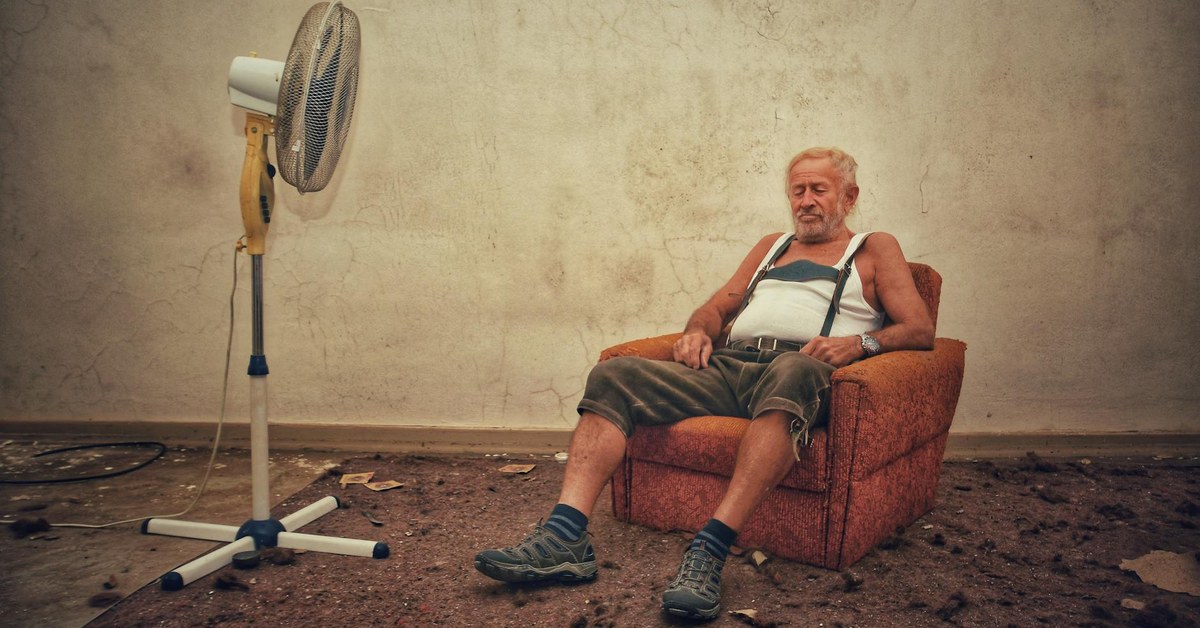
Electric fans provide relief in moderate heat by promoting evaporative cooling from the skin's surface. However, when outdoor temperatures exceed approximately 35 degrees Celsius and humidity is high, fans circulate hot air without providing meaningful cooling and can actually accelerate dehydration by increasing evaporation beyond what the body can safely sustain. In extreme heat, access to genuine air conditioning or moving to a naturally cool environment such as a basement, a library, a shopping centre, or a community cool space is more effective.
Many local authorities and community organisations open cooling centres or designate cool public spaces during heat events. These may be libraries, community halls, or other air-conditioned public buildings. Knowing where these are in your area before a heat event means you can use them when needed without having to search for information during the hottest part of the day.
Check your home temperature regularly during hot weather. A room thermometer in the living room and bedroom allows you to monitor conditions objectively rather than relying on comfort perception alone. If indoor temperatures exceed 28 degrees Celsius, particularly at night, active cooling measures become important for older adults.
Hydration in Hot Weather
Staying well hydrated is the single most consistently effective measure for preventing heat illness. In hot weather, fluid losses through sweating and respiration increase significantly, while the thirst signal that would normally prompt drinking may be unreliable in older adults.
Aim to drink regularly throughout the day without waiting to feel thirsty. Water is the most effective hydrating fluid. Herbal teas, diluted fruit juices, and other non-caffeinated, non-alcoholic drinks also contribute to hydration. Setting a regular reminder to drink, whether via a phone alarm, a clock, or simply a habit of drinking at each meal and several times between meals, is more reliable than relying on thirst alone.
Alcohol and caffeinated drinks have diuretic effects that increase fluid loss. During hot weather these drinks should be consumed in moderation and always accompanied by additional water intake. Cold fizzy drinks that feel refreshing in hot weather may contain significant sugar and caffeine; water or electrolyte drinks are generally better choices for sustained hydration.
Foods with high water content, including cucumber, melon, strawberries, tomatoes, and courgette, contribute meaningfully to daily fluid intake and are particularly pleasant in hot weather. Soups and broths, served cool if preferred, also provide both fluid and electrolytes.
If you notice dark yellow urine, this is a reliable indicator of dehydration. Pale straw-coloured urine suggests adequate hydration. Darker colours, reduced urine output, or urine that is concentrated and strong-smelling all indicate a need to increase fluid intake.
Dressing and Behaviour During Heat
Clothing choices affect how efficiently the body cools itself. Lightweight, loose-fitting clothing in natural fibres such as cotton or linen allows air circulation and absorbs moisture. Dark colours absorb more heat from sunlight than light colours; pale clothing is more appropriate for outdoor activities in bright sun.
Avoid strenuous physical activity during the hottest parts of the day. If exercise or outdoor tasks are necessary, schedule them for early morning or evening when temperatures are significantly lower. Even gentle tasks such as gardening can generate substantial body heat in combination with high ambient temperatures.
When going outdoors in hot weather, wear a wide-brimmed hat that shades the face and neck, and apply sunscreen with a high SPF. Apply sunscreen generously and reapply it every two hours and after sweating. Sun exposure increases heat absorption and also carries independent risks of sunburn and skin damage.
Checking on Older Adults During Heat Events
Social isolation is a significant risk factor for heat-related death among older adults. People who live alone, who have limited mobility, who lack air conditioning, or who have conditions that increase heat vulnerability are at greatest risk during sustained hot weather.
If you have older family members, neighbours, or friends who live alone, regular contact during heat events can be lifesaving. A daily phone call or visit to check that they are managing, that they have sufficient fluids, and that their home is not dangerously hot costs little time but provides an important safety net. Check that they know the signs of heat illness, understand the importance of hydration, and are aware of cool spaces they could use if needed.
Many councils and community organisations activate heat-health alert systems during forecast heat events, contacting registered vulnerable individuals and deploying welfare check services. Registering with these services in advance, or helping an older family member to do so, ensures that professional support is available when weather conditions warrant it.
When to Seek Medical Help
Heat exhaustion that does not improve with cooling and rehydration within thirty minutes requires medical assessment. Any confusion, loss of consciousness, seizure, or temperature confirmed above 40 degrees Celsius requires emergency medical help immediately. Do not wait to see whether symptoms resolve without emergency intervention in these circumstances.
After a significant heat illness episode, a follow-up consultation with a GP is advisable even if the person appeared to recover fully. Heat illness can affect kidney function, liver function, and other systems in ways that require monitoring. A doctor can also review whether any medications should be adjusted during prolonged hot weather.