Preventing Hidden Dangers: A Room-by-Room Childproofing Guide for Toddlers & Crawlers
Uncover often-missed childproofing hazards in every room. This guide helps parents of toddlers & crawlers prevent hidden dangers for a safer home.
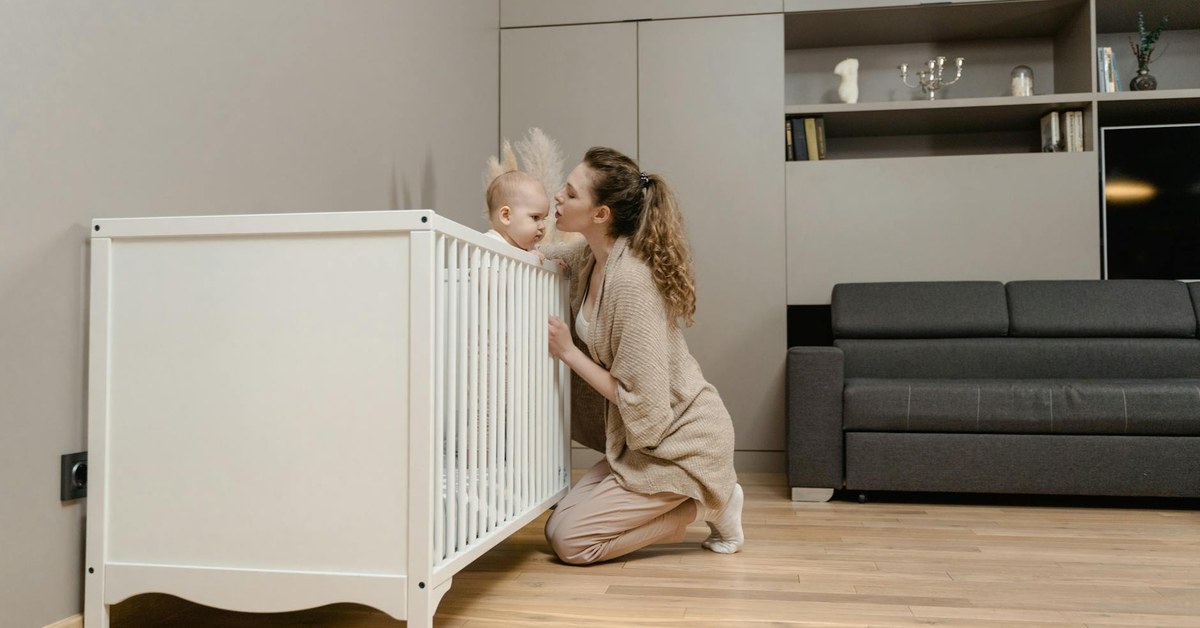

Preventing Hidden Dangers: A Room-by-Room Childproofing Guide for Toddlers & Crawlers
“Uncover often-missed childproofing hazards in every room. This guide helps parents of toddlers & crawlers prevent hidden dangers for a safer home.”
As soon as a baby starts crawling or taking their first wobbly steps, the entire home transforms into an exciting, yet potentially hazardous, playground. Their innate curiosity drives them to explore every nook and cranny, often putting them in harm’s way. Proactive childproofing hidden dangers room by room is not merely about blocking off obvious threats; it involves anticipating the less apparent risks that a curious toddler or crawler might encounter. This comprehensive guide will walk you through common and often-overlooked hazards in each area of your home, ensuring a safer environment for your little explorer.
The Unseen Risks: Why Thorough Childproofing Matters
Children aged 0-4 years are particularly vulnerable to home accidents due to their developing motor skills, limited understanding of danger, and natural desire to explore by touching, tasting, and climbing. According to a 2021 report by the Royal Society for the Prevention of Accidents (RoSPA), accidents in and around the home account for the largest number of accidental deaths in children under five in the UK. Many of these incidents are preventable with careful preparation and vigilance.
“Children learn by doing, and that includes exploring their environment with all their senses,” explains a child development specialist at UNICEF. “Our role as caregivers is to create a safe space where they can explore freely without encountering preventable dangers.” Implementing effective toddler safety tips room by room helps to build this essential foundation of safety.
Living Room & Play Areas: Beyond the Obvious
The living room, often the hub of family activity, can harbour numerous baby proofing overlooked areas for a crawling infant or a toddling child.
Furniture Stability & Corners
- Anchoring Furniture: Tall, unstable furniture like bookshelves, dressers, and television stands can easily tip over if a child attempts to climb or pull themselves up. Use anti-tip furniture straps to secure all heavy items to the wall.
- Sharp Edges: Coffee tables, entertainment units, and hearths often have sharp corners that are at eye-level for a child learning to stand or walk. Apply soft corner guards to minimise injury from bumps and falls.
- Heavy Decorations: Ornaments, heavy lamps, or sculptures placed on low tables or shelves can be pulled down by curious hands. Move these items out of reach or secure them firmly.
Electrical Outlets & Cords
- Outlet Covers: Install safety covers on all unused electrical outlets. Choose those that are difficult for a child to remove.
- Cord Management: Keep electrical cords for lamps, televisions, and charging devices neatly bundled and out of reach. Dangling cords are a strangulation hazard and can also lead to appliances being pulled down. Consider using cord shorteners or cable management boxes.
Small Objects & Choking Hazards
- Floor Sweeps: Regularly sweep or vacuum floors to remove small objects such as coins, buttons, batteries, pet food, or small toy parts that could pose a choking risk.
- Plants: Many common houseplants are toxic if ingested. Place all plants out of reach or remove them from areas accessible to children. Potting soil can also be a choking hazard.
Kitchen: A Hotbed of Hazards
The kitchen, with its array of appliances, cleaning products, and sharp utensils, requires meticulous attention to kitchen childproofing hazards.
Appliance Safety
- Oven & Stove Knobs: Install stove knob covers to prevent children from turning on burners. Consider an oven lock to stop them from opening the hot oven door.
- Refrigerator & Freezer: While less common, some children can open fridges or freezers. If this is a concern, use a child-resistant latch.
- Microwave & Toaster: Keep these appliances pushed back on counters, away from the edge, and ensure their cords are inaccessible.
Cleaning Products & Chemicals
- Locked Cabinets: Store all cleaning products, detergents, dishwasher pods, and other chemicals in high, locked cabinets. Magnetic or adhesive latches are effective.
- Original Containers: Never transfer hazardous chemicals into food or drink containers, as this can lead to accidental ingestion.
- Dishwasher: Keep the dishwasher door closed and latched, especially when it contains dirty dishes with sharp cutlery or when it is running.
Sharp Objects & Breakables
- Knives & Utensils: Store all knives, sharp utensils, and small kitchen gadgets in locked drawers or high up, out of reach.
- Glassware & Ceramics: Keep breakable items away from the edges of counters and tables. Consider using plastic alternatives for children’s mealtimes.
- Rubbish Bins: Use a rubbish bin with a secure, child-resistant lid to prevent access to potentially dangerous waste, sharp objects, or food scraps.
Key Takeaway: The most effective childproofing involves a multi-layered approach. Combine physical barriers like locks and gates with regular sweeps for small hazards and a conscious effort to store dangerous items out of sight and reach. This holistic strategy significantly reduces the risk of home accidents for curious toddlers and crawlers.
Bathroom: Water, Slips, and Poisons
The bathroom presents unique bathroom safety for toddlers due to water, hard surfaces, and numerous chemical products.
Water Safety
- Toilet Locks: Install a toilet lid lock to prevent toddlers from playing in the water, which can be a drowning hazard, and to stop them from accessing cleaning tablets or brushes.
- Bath Safety: Never leave a child unattended in the bath, even for a moment. Use a non-slip mat in the tub. Test water temperature carefully before placing a child in the bath, or consider a thermostatic mixing valve.
- Taps: Cover bath taps with a soft cover to prevent bumps and burns.
Medications & Toiletries
- Locked Cabinets: All medications, vitamins, toiletries (shampoo, conditioner, mouthwash, lotions), and cosmetics must be stored in a high, locked cabinet. Child-resistant caps are not foolproof.
- Razors & Scissors: Keep all sharp grooming tools out of reach and sight.
Slip & Fall Prevention
- Non-Slip Mats: Place non-slip mats outside the shower or bath to prevent falls on wet floors.
- Door Locks: Consider a child-resistant lock on the outside of the bathroom door to prevent unsupervised entry.
Bedrooms & Nurseries: Creating a Safe Haven
While often perceived as the safest room, bedrooms and nurseries still require careful attention to preventing child accidents home.
Cot & Bed Safety
- Cot Placement: Position cots away from windows, cords, and heavy furniture that could fall.
- Cot Mattress Height: Adjust the mattress height as your baby grows. Lower it to the lowest setting once they can sit up or pull themselves to standing, to prevent climbing out.
- No Loose Items: Remove bumpers, loose blankets, pillows, and large soft toys from the cot, as these can pose suffocation risks.
Window & Blind Cords
- Cordless Blinds: Install cordless blinds or shades. If you have blinds with cords, ensure they are secured with cleat hooks high on the wall, completely out of a child’s reach, to eliminate strangulation hazards.
- Window Guards: Install window guards or stops on all windows that restrict them from opening more than a few inches. Screens alone are not sufficient to prevent falls.
Dressers & Storage
- Anchoring: Secure all dressers, wardrobes, and chests of drawers to the wall using anti-tip straps.
- Drawer Locks: Use drawer latches to prevent children from opening drawers, which can lead to pinched fingers or access to dangerous items.
Hallways, Stairs, and Entryways: Navigating Transitions
These areas are crucial for controlling a child’s movement and preventing falls, a common cause of injury.
Safety Gates
- Top and Bottom of Stairs: Install safety gates at both the top and bottom of all staircases. Use hardware-mounted gates for the top of stairs, as pressure-mounted gates can be dislodged.
- Hazardous Areas: Use gates to block off access to rooms that cannot be fully childproofed, such as a home office with sensitive equipment or a laundry room.
Door Safety
- Door Stops/Holders: Use door stops or door holders to prevent doors from slamming on little fingers.
- Lever Handle Locks: If you have lever door handles, consider installing lever handle locks to prevent children from opening doors to unsafe areas.
Floor Hazards
- Rugs & Mats: Ensure all rugs and mats have non-slip backings or are securely taped down to prevent tripping.
- Clutter-Free: Keep hallways and entryways clear of clutter, shoes, and bags that a child could trip over.
What to Do Next
- Conduct a Room-by-Room Audit: Walk through your entire home, crawling at a child’s eye level, and identify all potential hazards. Pay close attention to
childproofing hidden dangers room by room. - Prioritise and Implement: Address the most immediate and severe dangers first. Purchase and install necessary safety equipment like gates, cabinet locks, and furniture anchors.
- Regularly Re-evaluate: As your child grows and develops new skills (e.g., climbing, opening doors), re-assess your home’s safety. What was safe yesterday might not be safe tomorrow.
- Educate Older Children: If you have older children, teach them about the importance of keeping small toys and hazardous items away from their younger sibling.
- Create a Safe Exploration Zone: Designate at least one area where your child can explore freely without constant supervision, knowing it is completely safe.
Sources and Further Reading
- Royal Society for the Prevention of Accidents (RoSPA): Home Safety Information. [INTERNAL: RoSPA Home Safety]
- UNICEF: Child Safety and Injury Prevention Resources. [INTERNAL: UNICEF Child Safety]
- National Society for the Prevention of Cruelty to Children (NSPCC): Child Safety at Home. [INTERNAL: NSPCC Home Safety]
- World Health Organisation (WHO): Child Injury Prevention. [INTERNAL: WHO Child Injury]