How Mindfulness Practices Cultivate Self-Compassion and Reduce Self-Criticism in Children
Discover how simple mindfulness practices can help children develop self-compassion, reduce harsh self-criticism, and foster lasting emotional resilience.
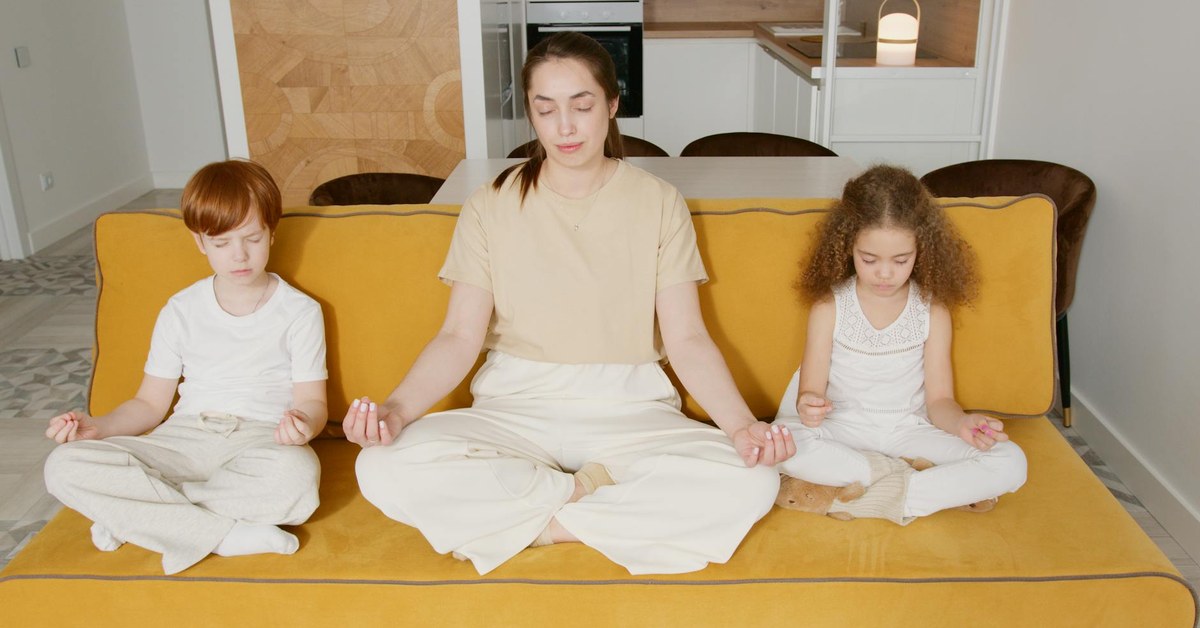

How Mindfulness Practices Cultivate Self-Compassion and Reduce Self-Criticism in Children
“Discover how simple mindfulness practices can help children develop self-compassion, reduce harsh self-criticism, and foster lasting emotional resilience.”
In a world filled with pressures and expectations, children often internalise a harsh inner critic, leading to feelings of inadequacy and low self-worth. Cultivating self-compassion from a young age is crucial for their emotional wellbeing and resilience. This article explores how mindfulness for self-compassion in children offers a powerful pathway to nurture kindness towards oneself, effectively reducing self-criticism and fostering a healthier self-image.
Understanding Children’s Self-Criticism and Its Impact
Children, much like adults, can develop a strong inner critic. This voice might tell them they are “not good enough” after a mistake, “silly” for feeling upset, or “unworthy” of success. This self-criticism often stems from various sources, including peer pressure, academic expectations, social media influence, or even unintentionally absorbed messages from adults.
The consequences of unchecked self-criticism in children are significant. According to a 2021 UNICEF report, one in seven young people aged 10-19 globally is estimated to live with a diagnosed mental disorder, with anxiety and depression being among the most prevalent. Self-criticism is a known risk factor, contributing to increased stress, anxiety, perfectionism, and a reluctance to try new things for fear of failure. It can also hinder healthy emotional development and social connections. Recognising the signs of self-criticism, such as excessive worry, withdrawal, or negative self-talk, allows parents and educators to intervene early and introduce supportive practices.
The Power of Mindfulness and Self-Compassion
Mindfulness involves paying attention to the present moment without judgement. It is about observing thoughts, feelings, and bodily sensations as they arise, rather than getting caught up in them. Self-compassion, on the other hand, extends this mindful awareness to include kindness and understanding towards oneself, especially during moments of perceived failure or suffering. It involves three core components:
- Mindfulness: Observing one’s thoughts and feelings without judgement.
- Common Humanity: Recognising that suffering and imperfection are part of the shared human experience, rather than feeling isolated by one’s struggles.
- Self-Kindness: Treating oneself with warmth and understanding, rather than harsh self-criticism, during difficult times.
When combined, mindfulness and self-compassion provide children with a robust toolkit for navigating life’s challenges. “Teaching children to be kind to themselves is as vital as teaching them to be kind to others,” states a child development psychologist with the NSPCC. “It equips them with internal resources to cope with adversity and build lasting emotional resilience.”
Key Takeaway: Self-criticism can significantly impact a child’s mental wellbeing, but mindfulness and self-compassion offer a powerful antidote by teaching children to observe their inner experiences with kindness and understanding, recognising their shared humanity.
How Mindfulness Reduces Self-Criticism and Fosters Self-Kindness
Mindfulness practices directly counter the patterns of self-criticism by:
- Creating Space: Mindfulness helps children notice critical thoughts without immediately believing or reacting to them. This creates a cognitive space where they can choose a different response, such as self-kindness.
- Developing Emotional Regulation: By becoming more aware of their emotions, children learn to identify when they are feeling upset or frustrated, which often triggers self-critical thoughts. Mindful breathing and body awareness can help them calm their nervous system, making it easier to respond with compassion.
- Promoting Self-Awareness: Mindful self-awareness for youth encourages children to understand their internal landscape – their strengths, challenges, and unique qualities – fostering a more balanced and realistic self-perception. This reduces the tendency to focus solely on perceived flaws.
- Cultivating Empathy: Practising self-compassion often extends to greater empathy for others. When children learn to be kind to themselves, they develop a deeper capacity for understanding and kindness towards peers and family members. [INTERNAL: benefits of empathy in children]
Practical Mindfulness Techniques for Children
Introducing mindfulness for self-compassion in children does not require formal meditation sessions. Simple, engaging activities woven into daily life can be highly effective. Here are age-specific ideas for teaching self-kindness to kids:
For Younger Children (Ages 3-7)
- Mindful Breathing Games:
- “Teddy Bear Breathing”: Have children lie down and place a favourite teddy bear on their tummy. Encourage them to watch the teddy bear rise and fall with each breath, noticing how their body moves.
- “Flower Breath”: Ask them to pretend to smell a beautiful flower (inhale deeply) and then blow out a candle (exhale slowly).
- Sensory Awareness:
- “Mindful Snack Time”: Encourage children to notice the colour, smell, texture, and taste of a piece of fruit or a small biscuit before eating it.
- “Listening Walk”: Go for a walk and ask them to pay attention to different sounds they hear – birds, cars, wind – without trying to name them immediately.
- “Kindness Touch”: When a child is upset, guide them to place a hand on their heart or tummy and gently remind them, “It’s okay to feel sad. I am here for you, and you can be kind to yourself.”
For Primary School Children (Ages 8-12)
- Body Scan Meditation (Simplified): Guide children to lie down or sit comfortably. Ask them to bring their attention to different parts of their body, noticing any sensations without judgement, from their toes to the top of their head. This builds body awareness and helps them connect with their physical self.
- Gratitude Practices: Encourage a daily “gratitude moment” where they name three things they are grateful for. This shifts focus from self-criticism to appreciation.
- “Self-Compassion Break”: Teach them a mini-practice for when they feel upset or make a mistake:
- Notice the feeling: “This is a moment of difficulty.” (Mindfulness)
- Connect to common humanity: “Everyone feels this way sometimes.” (Common Humanity)
- Offer kindness: “May I be kind to myself in this moment.” (Self-Kindness)
- Mindful Movement: Simple yoga stretches or mindful walking where they focus on the sensation of their feet on the ground. [INTERNAL: mindful movement activities for kids]
For Adolescents (Ages 13-18)
- Formal Meditation: Introduce short guided meditations using apps or recordings. Many resources focus specifically on self-compassion.
- Journaling with Self-Compassion: Encourage writing about difficult experiences, then revisiting entries to write a compassionate response to themselves, as if writing to a dear friend.
- Mindful Observation: Practise observing challenging thoughts or emotions as “clouds passing in the sky” – acknowledging their presence without letting them define or overwhelm.
- Self-Compassion Breaks and Phrases: Encourage adolescents to develop their own self-compassionate phrases or affirmations they can use when feeling critical or down, such as “I’m doing my best,” or “It’s okay to struggle.”
- Mindful Digital Breaks: Encourage regular breaks from screens to reconnect with the present moment and reduce comparison-driven self-criticism.
Integrating Mindfulness into Daily Family Life
Consistency is key when developing new habits. Parents and guardians can model self-compassion and integrate mindfulness into family routines:
- Family Mindful Moments: Designate a few minutes each day for quiet reflection, perhaps before dinner or bedtime.
- Compassionate Communication: Use language that validates feelings and encourages self-kindness. Instead of “You’re so clumsy!”, try “Oops, accidents happen. How can we fix this?”
- Embrace Imperfection: Share your own struggles and how you practise self-compassion. This normalises mistakes and shows children that everyone faces challenges.
- Create a “Calm Corner”: A designated space with cushions, calming objects, and perhaps some mindfulness cards, where children can go to regulate their emotions.
Organisations like Mind and the World Health Organisation (WHO) consistently highlight the importance of early intervention and preventative mental health strategies. Integrating mindfulness for self-compassion in children aligns perfectly with these recommendations, building foundational skills for lifelong wellbeing.
What to Do Next
- Start Small: Choose one simple mindfulness activity to try with your child this week, such as a “teddy bear breath” or a mindful snack.
- Model Self-Kindness: Pay attention to your own self-talk. When you make a mistake, acknowledge it with compassion rather than harsh criticism, verbalising this for your child.
- Explore Resources: Look for age-appropriate guided meditations or mindfulness stories online or through reputable apps designed for children and families.
- Discuss Feelings: Encourage open conversations about emotions, validating your child’s feelings and helping them name what they are experiencing.
- Seek Professional Guidance: If your child’s self-criticism is severe or impacting their daily life, consider consulting a child psychologist or therapist for tailored support.
Sources and Further Reading
- UNICEF. (2021). The State of the World’s Children 2021; On My Mind: promoting, protecting and caring for children’s mental health. UNICEF.
- Mind. (n.d.). Mindfulness. Retrieved from https://www.mind.org.uk/information-support/drugs-and-treatments/mindfulness/about-mindfulness/
- NSPCC. (n.d.). Mindfulness for children. Retrieved from https://www.nspcc.org.uk/keeping-children-safe/support-for-parents/mindfulness-for-children/
- World Health Organisation. (n.d.). Adolescent mental health. Retrieved from https://www.who.int/news-room/fact-sheets/detail/adolescent-mental-health
- Neff, K. (n.d.). Self-Compassion. Retrieved from https://self-compassion.org/