Integrating Mindfulness Naturally: Practical Daily Strategies for Children (Even the Fidgety Ones)
Discover practical, gentle strategies to weave mindfulness naturally into your child's daily routine, helping even the most energetic kids find calm and focus.
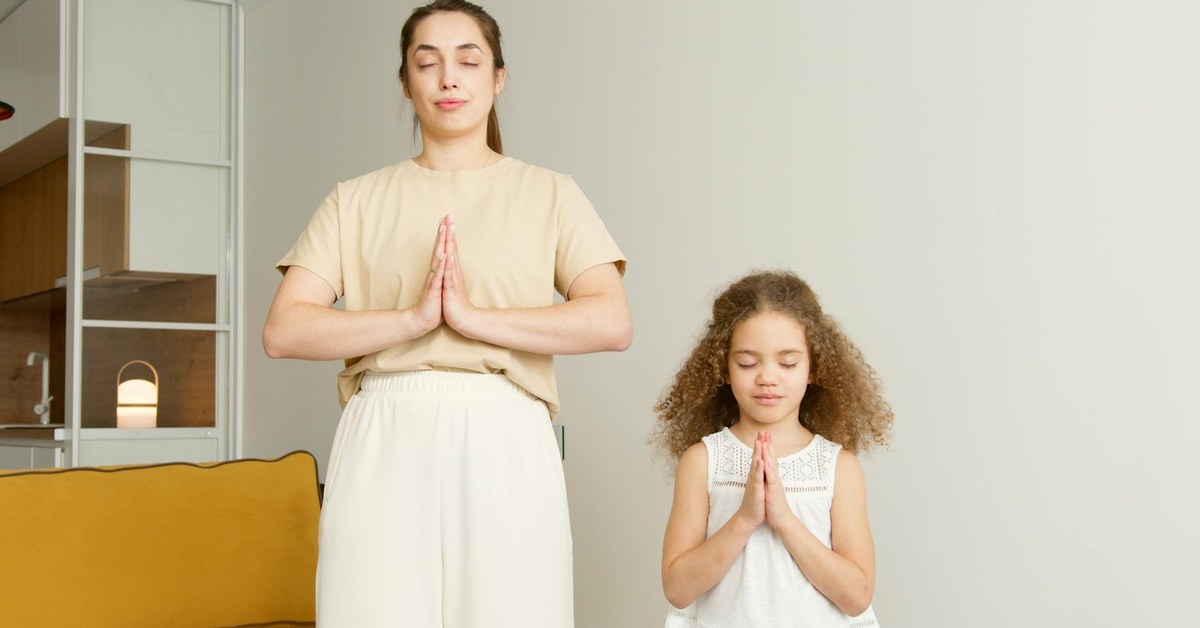

Integrating Mindfulness Naturally: Practical Daily Strategies for Children (Even the Fidgety Ones)
“Discover practical, gentle strategies to weave mindfulness naturally into your child's daily routine, helping even the most energetic kids find calm and focus.”
Helping children navigate their emotions, improve focus, and develop resilience is a core aspect of positive parenting. One highly effective approach is integrating mindfulness naturally for children into their daily lives. This isn’t about rigid meditation sessions; it’s about weaving gentle awareness practices into everyday moments, transforming routine activities into opportunities for calm and presence, even for the most energetic or fidgety youngsters.
Why Mindfulness Matters for Children, Especially the Energetic Ones
Mindfulness, at its heart, is about paying attention to the present moment without judgement. For children, this translates into an enhanced ability to understand their feelings, manage impulses, and concentrate better. Research consistently highlights the positive impact of mindfulness on young minds. For instance, a 2022 review published by the American Psychological Association indicated that mindfulness interventions can significantly reduce anxiety and improve emotional regulation in school-aged children.
For mindfulness for fidgety kids, these benefits are particularly pronounced. Children who struggle with sitting still or focusing often have busy minds and bodies. Mindfulness offers them tools to acknowledge their energy without being overwhelmed by it. It helps them to: * Recognise emotions: Understanding what they feel, rather than reacting instinctively. * Improve focus: Gradually extending their attention span. * Develop self-regulation: Learning to pause before acting, especially during moments of frustration or excitement. * Enhance empathy: By becoming more aware of their own inner state, they can better understand others.
Key Takeaway: Mindfulness provides children, especially those with high energy, with crucial skills for emotional regulation, focus, and self-awareness, fostering calmer behaviours and improved well-being.
Gentle Mindfulness Practices: Weaving Them into Daily Routines
The key to successful integrating mindfulness naturally for children lies in making it a seamless part of their day, rather than an additional chore. These gentle mindfulness practices kids can easily adopt are often short, playful, and sensory-focused.
Morning Moments: Starting the Day with Presence
Begin the day with simple acts of awareness. These practices can set a positive tone and help children prepare for the day ahead.
- Mindful Breakfast (Ages 3+): Encourage children to notice the colours, smells, textures, and tastes of their food. “Can you tell me three things you see in your apple? How does it feel in your hand? What do you hear when you bite into it?”
- Sensory Wake-Up (Ages 2+): Before getting out of bed, invite them to notice sounds in the room, the feeling of their pyjamas, or the warmth of their blanket. “What sounds can you hear from outside your window today?”
- Breath Awareness (Ages 4+): Before leaving for school, take three deep “belly breaths” together. Place a hand on their tummy and yours, feeling it rise and fall. This is an excellent daily mindfulness routine for children.
Playtime and Learning: Mindful Engagement
Play is a child’s natural way of learning. Incorporate mindfulness by encouraging focused attention during their activities.
- Nature Walks (All Ages): Turn a walk into a “listening walk” or a “colour hunt.” Challenge them to find five different shades of green or listen for three different bird calls. “What do you notice about the bark on this tree?”
- Mindful Movement (Ages 3+): Simple yoga poses or stretching can be mindful. Encourage them to notice how their body feels in each position. Animal poses like “cat-cow” or “downward dog” are engaging. [INTERNAL: Benefits of Yoga for Children]
- Focused Play (Ages 4+): When building with blocks or drawing, ask open-ended questions that encourage detailed observation: “Tell me about the texture of this block,” or “What colours did you choose for your drawing and why?”
An educational specialist from UNICEF stated, “Children thrive when they are given the space to observe and explore their world with focused attention. Mindfulness practices during play enhance their cognitive development and emotional resilience.”
Transition Times: Pausing and Resetting
Transitions can be challenging for children, often leading to meltdowns or resistance. Mindfulness can provide a helpful pause.
- “Stop, Breathe, Notice” (Ages 3+): Before moving from one activity to another (e.g., playtime to homework), invite them to stop what they are doing, take three deep breaths, and notice how they feel. This can be signalled with a chime or a special word.
- Mindful Waiting (Ages 5+): When waiting in a queue or for an appointment, play a game like “I Spy” using only senses: “I spy something red and smooth,” or “I hear a distant siren.”
Evening Rituals: Winding Down with Calm
Bedtime provides a perfect opportunity for reflective and calming mindfulness practices that support restful sleep.
- Gratitude Moment (Ages 4+): Before bed, ask each family member to share one thing they are grateful for from their day. This shifts focus to positive experiences.
- Body Scan (Ages 5+): While lying down, guide them to notice different parts of their body, from their toes to their head, without needing to change anything. “Notice how your feet feel against the bed… now your legs… your tummy…”
- Story Time with a Twist (All Ages): Read a story, but occasionally pause and ask, “What do you think that character is feeling right now?” or “What do you imagine that place smells like?”
Practical Tools and Resources for Daily Mindfulness Routines Children
You do not need special equipment to practise mindfulness, but some tools can enhance the experience and make it more engaging for children.
- Mindfulness Cards: These often feature simple prompts for breathing, feeling, or noticing. Many child-friendly sets are available.
- Calming Jars/Glitter Jars: Fill a jar with water, glitter, and a drop of glycerine. Shaking it and watching the glitter settle can be a visual metaphor for calming the mind.
- Breathing Buddies (Ages 2-6): Place a small stuffed animal on a child’s tummy and encourage them to watch it rise and fall with their breath.
- Mindfulness Apps for Kids (Ages 5+): Several apps offer guided meditations and stories specifically designed for children, making gentle mindfulness practices kids can enjoy accessible. Look for those that focus on short, engaging sessions.
- Chimes or Bells: A gentle sound can signal the beginning or end of a mindful moment, or prompt a “stop, breathe, notice” pause.
The Red Cross often promotes resilience-building activities for children, noting that simple, repeatable actions help children cope with stress. Integrating mindfulness through these tools supports that resilience.
Overcoming Challenges: When Kids Resist
It is normal for children, especially mindfulness for fidgety kids, to resist new practices or have days when they are simply not interested.
- Keep it Short and Sweet: Start with very brief moments, perhaps 30 seconds to a minute, and gradually extend the time as their attention grows.
- Make it Playful: Frame mindfulness as a game or a special secret. Avoid making it feel like a chore or a punishment.
- Lead by Example: Children learn by imitation. Practise mindfulness yourself, and they will naturally become more curious and open to it.
- Offer Choices: “Would you like to do a breathing exercise or a listening game?” Giving them agency can increase cooperation.
- Be Patient and Flexible: Some days will be easier than others. Celebrate small successes and do not push too hard. The goal is gentle integration, not perfection.
- Normalise Feelings: Help them understand that all feelings are okay. Mindfulness is not about getting rid of feelings, but about noticing them.
What to Do Next
- Choose One Small Practice: Select just one of the suggested practices, like mindful eating or a gratitude moment, and try to incorporate it into your family’s routine for a week.
- Model Mindfulness: Consciously practise mindfulness yourself. Take a deep breath before responding to a stressful situation, or notice the sensations while washing dishes.
- Engage in Mindful Play: Next time your child is playing, join them with full attention, describing what you see, hear, and feel together.
- Explore Resources: Look into child-friendly mindfulness books or apps that resonate with your child’s age and interests.
- Be Patient and Consistent: Remember that building new habits takes time. Celebrate small victories and approach each day with an open mind.
Sources and Further Reading
- American Psychological Association: www.apa.org
- UNICEF (United Nations Children’s Fund): www.unicef.org
- The British Psychological Society: www.bps.org.uk
- The Mindfulness in Schools Project: www.mindfulnessinschools.org