Managing Jet Lag and Travel Fatigue
Long-haul travel is an increasingly common part of young adult life, whether for gap years, study abroad, or visiting family internationally. Managing jet lag and travel fatigue effectively helps you arrive ready for whatever comes next.
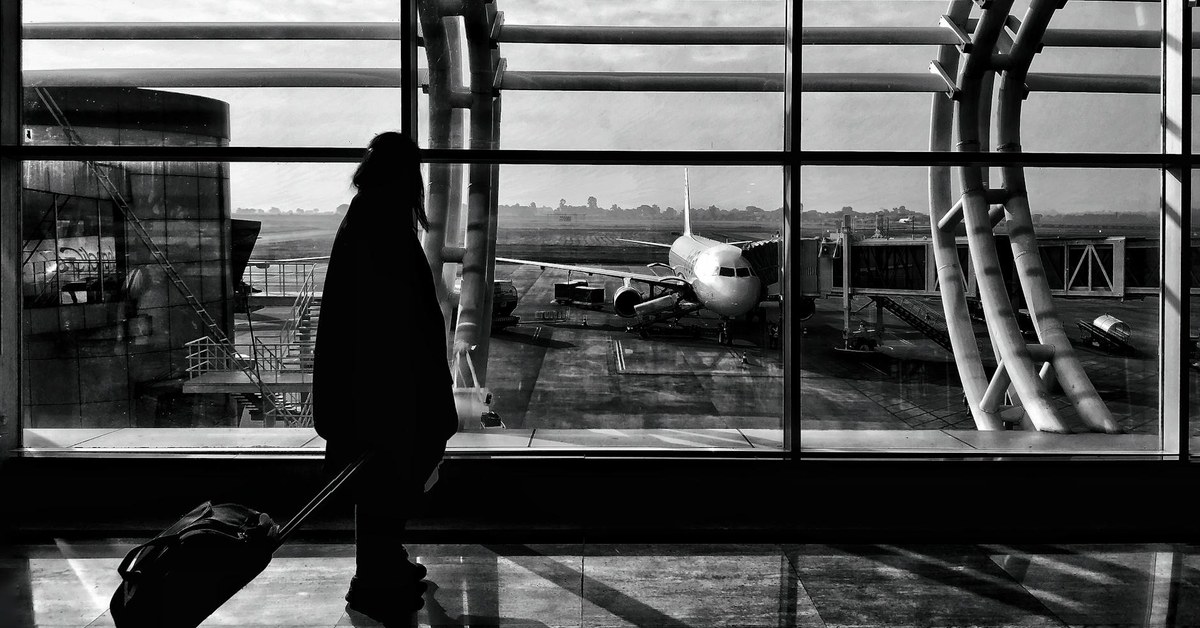

Managing Jet Lag and Travel Fatigue
“Long-haul travel is an increasingly common part of young adult life, whether for gap years, study abroad, or visiting family internationally. Managing jet lag and travel fatigue effectively helps you arrive ready for whatever comes next.”
Why Jet Lag and Travel Fatigue Matter
Long-haul travel has become a normal part of many young adults' lives, whether through studying abroad, international gap years, visiting family in other countries, or working remotely while travelling. The physical effects of crossing multiple time zones and spending extended periods in pressurised aircraft cabins are well-documented and can significantly affect your ability to function, enjoy your destination, and make sound decisions in the critical early days of a new environment. Understanding what jet lag and travel fatigue actually are, and having a practical strategy for managing them, makes every long-haul journey more productive and enjoyable.
What Jet Lag Actually Is
Jet lag is a temporary sleep disorder caused by rapid travel across time zones that disrupts your body's internal clock, the circadian rhythm that governs when you feel awake and sleepy, when you are hungry, and the timing of various biological processes. The circadian rhythm is anchored by light exposure and takes time to resynchronise to a new time zone: roughly one day of adjustment for each time zone crossed, though the direction of travel matters. Eastward travel, advancing your clock, is generally harder to adjust to than westward travel, delaying your clock, for most people.
Symptoms of jet lag include daytime fatigue and sleepiness, difficulty sleeping at the correct local time, impaired concentration and cognitive function, mood disturbances including irritability, and gastrointestinal disruption. The severity varies between individuals and with the number of time zones crossed. Crossing two or three time zones produces mild effects; crossing six or more produces significant disruption for most people.
Travel Fatigue: Separate From Jet Lag
Travel fatigue is distinct from jet lag and can occur even on flights that do not cross significant time zones. It is the cumulative effect of the physical and psychological stresses of air travel: dehydration from dry cabin air, prolonged immobility, pressure changes, disrupted sleep during the flight, airport stress and transit, and the general physical toll of extended travel. Arriving dehydrated, sleep-deprived, and physically stiff from many hours in a cramped seat impairs your judgement, resilience, and physical wellbeing regardless of the time zone destination.
Strategies Before and During the Flight
Hydration is the single most impactful thing you can do during a long flight. Cabin air is extremely dry, typically at humidity levels far below normal indoor environments, and dehydration occurs without the usual sensation of thirst. Drink water consistently throughout the flight, aiming for significantly more than you would normally drink at rest. Limit alcohol and caffeine during the flight, as both are dehydrating and disrupt sleep quality.
Sleep management during the flight depends on your strategy for the destination. If you are arriving at a time when you will need to be awake, prioritise sleeping during the flight. If you are arriving at a bedtime, staying awake during the flight can make it easier to fall asleep at the correct local time on arrival. Eye masks, earplugs or noise-cancelling headphones, a travel pillow, and comfortable clothing all improve the quality of sleep during a flight significantly. Avoid sleeping pills unless advised by a doctor, as they can impair alertness after landing and in some cases have been associated with reduced circulation in the legs.
Move regularly during long flights to reduce the risk of deep vein thrombosis. Get up and walk the aisle every hour or two, do in-seat leg exercises, and stay hydrated. Compression socks are recommended for flights over eight hours, particularly if you have any predisposing factors for blood clots.
Adjusting to a New Time Zone on Arrival
The most effective strategy for resynchronising to a new time zone is light exposure. Sunlight is the most powerful signal to the circadian system, and strategic exposure to bright light at the right times helps the body clock shift faster. If travelling eastward, seeking morning light at your destination and avoiding evening light in the days after arrival helps advance your clock. If travelling westward, evening light at your destination and sleeping in when your body wants to helps delay it.
Try to adopt local meal and sleep times as quickly as possible after arrival, even if this is uncomfortable initially. Eating at local meal times provides additional signals to the circadian system through food-related metabolic cues. Napping on arrival is a temptation but is generally counterproductive if it extends beyond twenty to thirty minutes or occurs too late in the afternoon, as it reduces the drive to sleep at the local bedtime.
Melatonin, a supplement available over the counter in many countries, can help shift the circadian rhythm and is widely used by frequent travellers. Taken at low doses at the appropriate local bedtime, it provides a cue to the body that night is approaching. The evidence for its effectiveness in reducing jet lag is reasonably good, though it is not a complete solution. Its use is generally considered safe for short-term use in adults.
Recovery Time and Managing Expectations
Full adjustment to a new time zone takes time regardless of the strategies used. Allow yourself realistic expectations: you are unlikely to be fully functional immediately after arriving six or more time zones away. Building in a day or two of light activity and recovery before major demands, such as the start of a course or an important meeting, significantly improves performance when those demands arrive. This is worth factoring into your travel planning where possible.