Juliet Balcony & French Door Safety: Preventing Falls and Glass Hazards for Children & Pets
Ensure your Juliet balconies and French doors are safe. Discover essential tips and solutions to prevent falls, glass accidents, and hazards for children and pets in your home.
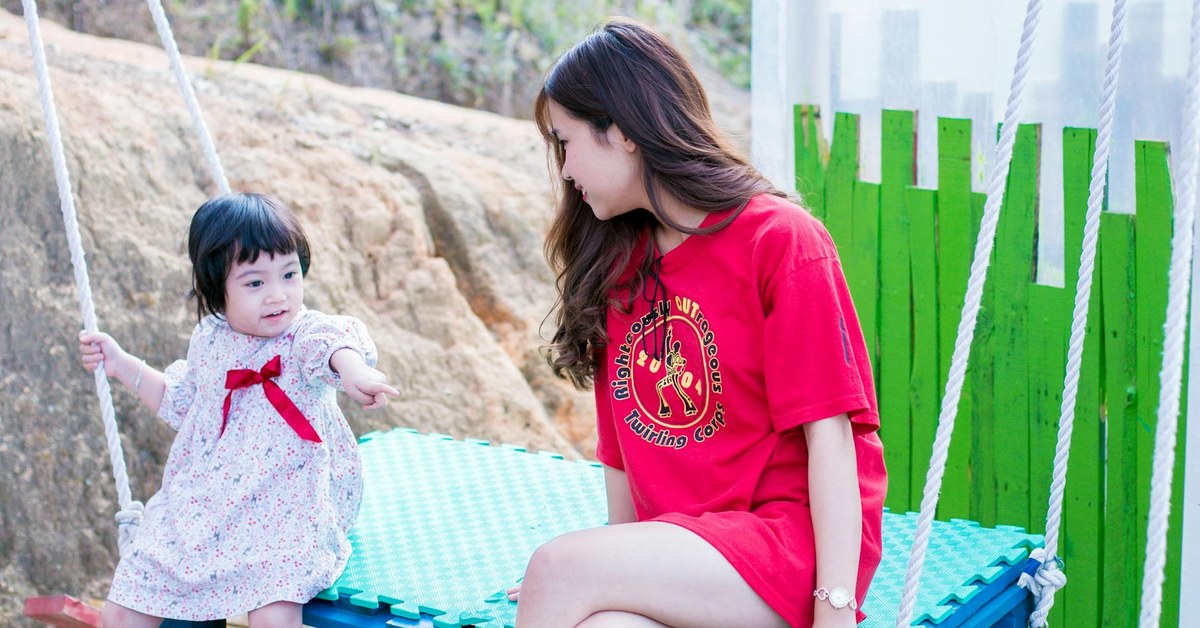

Juliet Balcony & French Door Safety: Preventing Falls and Glass Hazards for Children & Pets
“Ensure your Juliet balconies and French doors are safe. Discover essential tips and solutions to prevent falls, glass accidents, and hazards for children and pets in your home.”
Ensuring a safe home environment is paramount for families, and areas like Juliet balconies and French doors, while aesthetically pleasing, can pose significant risks to children and pets. Addressing Juliet balcony and French door safety is crucial for preventing falls, managing glass hazards, and protecting little ones and furry companions from potential injuries. This comprehensive guide provides practical, evidence-informed advice to help you secure these features in your home.
Understanding the Risks: Why Juliet Balconies and French Doors Need Attention
Juliet balconies and French doors offer light and ventilation but introduce specific safety concerns that require careful consideration. Unintentional injuries are a leading cause of death and disability for children globally. According to the World Health Organisation (WHO), falls are a major contributor to these injuries, particularly in children aged 0-9 years. While not all falls are from balconies, the principle of securing elevated access points is critical.
The primary risks associated with these architectural features include:
- Falls from Height: For Juliet balconies, the most obvious danger is a child or pet climbing over or falling through gaps in the balustrade. Even low-level falls from French doors onto a hard patio can cause serious injury.
- Glass Breakage and Lacerations: Large panes of glass, especially in older installations, may not be made of safety glass. Accidental impact, whether from play, a pet running into the door, or objects hitting the glass, can lead to dangerous shards and severe cuts.
- Trapping and Crushing Injuries: Young children’s fingers and hands can easily get caught in the closing mechanism or hinges of French doors, leading to painful crushes or even amputations. Pets, particularly smaller ones, can also get trapped.
- Unsupervised Access to Outdoors: French doors provide direct access to gardens or external areas, which may not always be fully secured. This can lead to children or pets wandering off, encountering hazards like swimming pools, traffic, or poisonous plants.
Securing Juliet Balconies: Preventing Falls
Juliet balconies, by their nature, are designed to allow doors to open inwards while providing a barrier to prevent falls from an upper floor. However, their design must meet stringent safety standards.
Balustrade Requirements and Best Practices
The balustrade is the most critical safety feature of a Juliet balcony.
- Height: Ensure the balustrade is an adequate height to prevent climbing over. Building regulations often specify a minimum height, typically around 1100mm (1.1 metres) from the finished floor level. Always check local guidelines.
- Gap Spacing: The vertical and horizontal gaps within the balustrade should be narrow enough to prevent a child’s head or body from passing through. A widely accepted guideline, often referenced by child safety organisations like the NSPCC, is that gaps should not exceed 100mm (4 inches).
- Climbable Elements: Design should minimise horizontal rails or decorative elements that could serve as footholds for climbing. “A child safety expert notes, ‘Children are natural explorers; any horizontal surface can become a ladder. Minimising climbable features on balustrades is paramount for fall prevention.’”
- Material Integrity: Regularly inspect the balustrade for any signs of rust, rot, loose fixings, or damage. Materials should be robust enough to withstand significant force.
- Furniture Placement: Never place furniture, planters, or other items near the Juliet balcony doors that children or pets could use to climb onto the balustrade.
Locking Mechanisms and Access Control
Even with a secure balustrade, controlling access to the open doors is essential.
- High-Level Locks: Install locks that are out of reach for children. Keyed locks or high-mounted latches can prevent accidental opening.
- Door Restrictors: Consider fitting door restrictors that allow the doors to open only a small amount for ventilation, preventing full access to the balcony edge.
- Window and Door Alarms: Simple, battery-operated alarms can alert you if the doors are opened, providing an early warning system.
Key Takeaway: For Juliet balconies, prioritise a robust balustrade with minimal climbable features and narrow gaps (under 100mm). Always combine this with effective, out-of-reach locking mechanisms to prevent falls.
French Door Safety Solutions: Addressing Glass and Trapping Hazards
French doors primarily pose risks related to glass and the potential for trapping fingers or paws.
Glass Safety Enhancements
Modern French doors often feature safety glass, but older installations might not.
- Safety Glass: Verify that your French doors use toughened (tempered) or laminated safety glass. Toughened glass shatters into small, relatively harmless pieces, while laminated glass holds together when broken. If unsure, consult a professional glazier.
- Safety Film: For existing doors without safety glass, apply a clear, shatter-resistant safety film. This film holds glass shards together if the pane breaks, significantly reducing the risk of injury. It is a cost-effective solution often recommended by home safety guides.
- Visual Markers: Children and pets, especially dogs, may not always perceive glass. Apply decorative decals, frosted strips, or clear stickers at eye level to make the glass more visible and prevent collisions.
Preventing Trapping and Crushing Injuries
Moving parts of French doors can be dangerous for small hands and paws.
- Finger Protector Strips: Install finger protector strips along the hinge side of the doors. These flexible guards cover the gap that opens and closes, preventing fingers from being trapped.
- Door Stops and Wedges: Use sturdy door stops or wedges to hold doors firmly open, preventing them from slamming shut unexpectedly, especially in draughty conditions.
- Soft Closers: For doors that tend to slam, consider hydraulic soft closers that gently pull the door shut, reducing the force and risk of injury.
- Regular Maintenance: Lubricate hinges and ensure doors operate smoothly. Sticking or difficult-to-open doors can lead to frustration and accidental slamming. [INTERNAL: Home Maintenance Checklist for Families]
Securing Access and Preventing Wandering
Controlling when and how French doors are opened is vital.
- Child-Proof Locks: Install child-proof locks that require a specific action (e.g., two-step release, high-mounted latch) that a young child cannot manage. These can be separate from the main door lock.
- Door Alarms: Similar to Juliet balconies, door alarms can notify you if a French door is opened, offering peace of mind, especially if your garden or outdoor area has further hazards.
- Fencing and Gates: Ensure any outdoor area accessed by French doors is securely fenced and gated, particularly if there are swimming pools, busy roads, or other dangers nearby. [INTERNAL: Garden Safety for Children and Pets]
Age-Specific Guidance for Children
Safety measures should evolve as children grow.
- Infants (0-12 months): At this stage, the primary concern is preventing access. Ensure all doors are securely locked and any climbable furniture is moved away.
- Toddlers (1-3 years): This is a high-risk age for falls and trapping. Implement all physical barriers: finger guards, safety film, high locks, and restrictors. Constant supervision is critical.
- Preschoolers (3-5 years): Children become more adept at manipulating locks. Reinforce safety rules verbally and continue using robust child-proof locks. Teach them about the dangers of glass.
- School-Aged Children (6+ years): While less prone to accidental trapping, they might still engage in rough play that could impact glass. Reinforce the importance of not leaning on or running into doors and using appropriate outdoor behaviour.
Pet Safety Considerations for French Doors and Juliet Balconies
Pets, like children, are vulnerable to the hazards of French doors and Juliet balconies.
- Fall Prevention: For cats, who are agile climbers, ensure Juliet balcony balustrades are truly un-climbable. Consider netting or screens for very adventurous cats, but ensure they are securely fitted and do not create new entanglement hazards. For dogs, especially smaller breeds, ensure balustrade gaps are too small for them to slip through.
- Glass Visibility: Pets, particularly dogs, frequently run into glass doors. Use visual markers on glass at their eye level.
- Paw Trapping: Smaller pets’ paws can get caught in door hinges or closing doors. Finger protector strips are also effective for preventing paw injuries.
- Outdoor Access: If French doors lead to a garden, ensure the garden is fully secure to prevent pets from escaping or encountering dangers like toxic plants, other animals, or traffic. A veterinary behaviourist advises, “Regularly check garden fencing and gates. Even small gaps can be an invitation for a curious pet to explore beyond safe boundaries.”
Maintenance and Regular Inspection
Regular checks are fundamental to maintaining a safe home environment.
- Monthly Checks: Inspect all locks, hinges, balustrade fixings, and glass for any signs of damage, wear, or looseness.
- Seasonal Checks: Before periods of heavy use (e.g., summer), perform a thorough inspection. Check for draughts that could cause doors to slam.
- Professional Assessment: If you have concerns about the structural integrity or safety glass status of your Juliet balcony or French doors, consult a qualified professional such as a glazier, builder, or safety expert. They can assess compliance with current safety standards and recommend necessary upgrades.
What to Do Next
- Assess Your Current Doors and Balconies: Walk through your home and identify all Juliet balconies and French doors. Check the type of glass, the height and gap spacing of balustrades, and the functionality of existing locks.
- Prioritise Safety Upgrades: Based on your assessment, list the most critical safety improvements needed, such as installing safety film, fitting finger guards, or adding high-level locks.
- Implement Immediate Solutions: Purchase and install simple, effective safety measures like visual markers on glass, door stops, and child-proof latches on French doors.
- Plan for Professional Advice: If you have older installations or significant concerns, schedule an assessment with a qualified glazier or building professional to evaluate structural safety and glass type.
- Educate Your Family: Discuss safety rules with children appropriate for their age, teaching them about the dangers of glass, open balconies, and unsupervised outdoor access.
Sources and Further Reading
- World Health Organisation (WHO): Child injury prevention – https://www.who.int/teams/social-determinants-of-health/safety-and-mobility/child-injury-prevention
- NSPCC: Preventing falls – https://www.nspcc.org.uk/keeping-children-safe/home-safety/falls-prevention/
- Royal Society for the Prevention of Accidents (RoSPA): Home Safety – https://www.rospa.com/home-safety
- UNICEF: Child Safety and Injury Prevention – https://www.unicef.org/ (Search for child safety)