Kitchen and Home Hazards: Keeping Young Children Safe

Kitchen and Home Hazards: Keeping Young Children Safe
The Home as a Learning Environment and a Risk Environment
For children aged four to seven, the home is the primary environment for exploration, play, and learning. It is also, statistically, the place where young children are most likely to be injured. According to data from public health organisations across the UK, USA, Australia, and Canada, the majority of serious injuries to children under the age of ten occur in the home. The leading causes include falls, burns and scalds, poisoning, drowning, and injuries from sharp objects or machinery.
This is not a reason for alarm, but it is a powerful reason to be proactive. Most household injuries to young children are preventable through a combination of physical safety measures, home hazard reduction, and age-appropriate education that teaches children to recognise and respect danger zones.
This guide takes a room-by-room approach to home safety for families with children aged four to seven, covering the most common hazards, practical prevention strategies, and how to talk to children about staying safe indoors.
Kitchen Hazards: The Highest-Risk Room
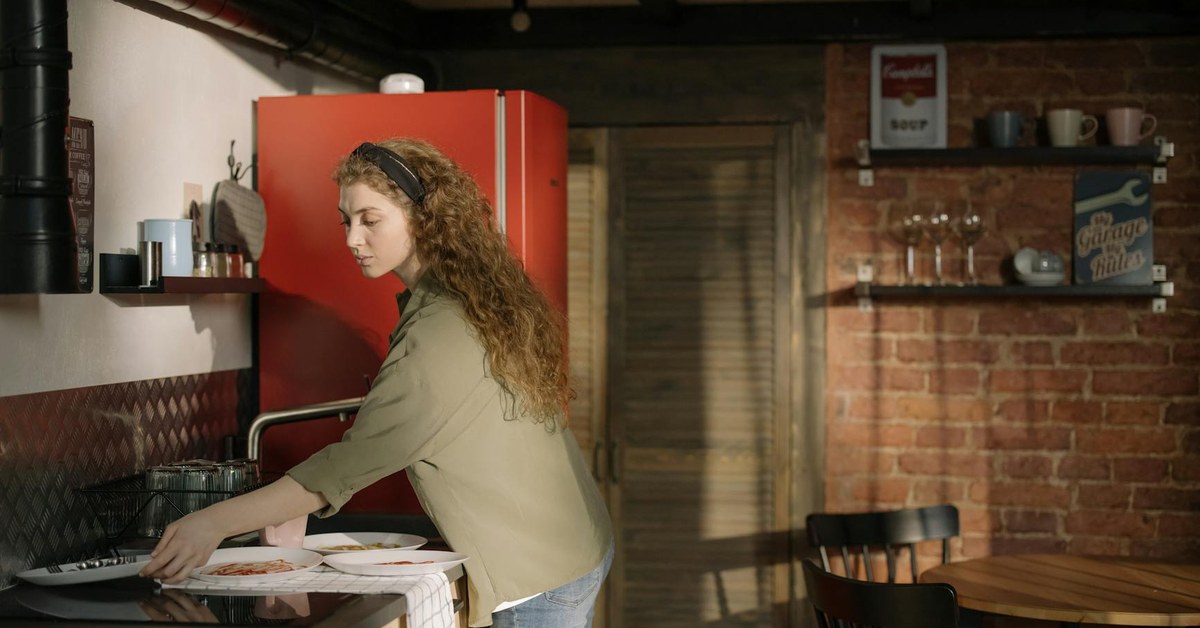
The kitchen is consistently identified as the most hazardous room in the home for young children. It contains heat sources, sharp objects, heavy items, electrical appliances, and potentially toxic substances, often all within reach of a curious child.
Hot Surfaces and Scalds
Scalds from hot liquids are among the most common serious injuries to young children globally. According to Burn Awareness statistics from organisations including the British Burns Association, Kidsafe Australia, and Safe Kids Worldwide in the USA, children under the age of five are at particularly high risk of scalds from hot drinks, cooking liquids, and bath water.
Practical measures include:
- Always use back rings on the hob and turn pan handles inward, away from the front of the cooker
- Never hold a hot drink while holding or carrying a young child
- Keep hot drinks out of reach and never leave them unattended on low surfaces
- Use a kettle with a short or coiled cord to prevent it from being pulled off the counter
- Establish a clear "no child zone" around the cooker, oven, and kettle during cooking
- Use oven and hob guards where possible
Teach children: "The cooker and kettle are always hot when a grown-up is using them. We never touch them and we stay back."
Sharp Objects
Knives, graters, peelers, scissors, tin lids, and broken glass all pose a serious risk of laceration. Store sharp kitchen tools in a locked drawer or high cabinet. Even blunt-ended children's scissors can cause injury if used improperly.
From around age five or six, children can begin learning very basic supervised food preparation with appropriate child-safe tools. This is a positive way to introduce respect for kitchen tools without creating fear.
Cleaning Products and Chemicals
Household cleaning products, dishwasher tablets, oven cleaners, and other chemicals can cause severe poisoning if ingested. In many countries, including the UK and USA, cleaning product ingestion is one of the leading causes of accidental poisoning in children under five.
- Store all cleaning products in a high, locked cabinet
- Never store chemicals in food or drink containers
- Use child-resistant caps, but do not rely on them alone
- Keep the number of your national poisons information service in an accessible place
In the UK, the National Poisons Information Service can be reached through NHS 111. In the USA, the Poison Help hotline is 1-800-222-1222. In Australia, the Poisons Information Centre is 13 11 26. In Canada, contact your provincial poison control centre.
Heavy Appliances and Falling Objects
Young children may attempt to pull themselves up or reach items by pulling on appliance cords or opening oven doors as steps. Microwave ovens, stand mixers, and food processors can be pulled from countertops. Secure heavy appliances away from edges, manage cords carefully, and ensure oven doors are not accessible as a climbing aid.
Bathroom Hazards
Medicines and Toiletries
The bathroom medicine cabinet is a significant poisoning risk. Prescription medicines, over-the-counter painkillers (including paracetamol and ibuprofen), iron supplements, and even large doses of vitamins can be lethal in small quantities when ingested by a young child.
- Store all medicines in a locked cabinet, not on a shelf or in a handbag
- Dispose of old medicines at a pharmacy rather than the household bin
- Keep toiletries, mouthwash, and cosmetics out of reach
- Never describe medicine as sweets to encourage compliance
Water and Drowning Risk
Drowning is a leading cause of accidental death in young children worldwide. Critically, young children can drown in very shallow water, including a bath, a paddling pool, or even a bucket. The risk is highest when adult supervision is briefly interrupted.
- Never leave a child under seven unattended in the bath, even for a few seconds
- Empty baths, paddling pools, and buckets immediately after use
- Keep toilet lids closed and consider toilet locks for homes with very young children
Slips and Falls in the Bathroom
Wet floors and bath surfaces are a significant fall risk. Use non-slip mats both inside and outside the bath or shower. Install grab handles if needed and ensure the bathroom floor is kept clear of towels and toys that could cause tripping.
Electrical Safety
Electrical hazards are present throughout the home. Young children may be curious about plug sockets, trailing wires, and appliances. Electrocution, though less common than other household injuries, can be fatal or cause severe burns.
- Use socket covers or safety plates throughout the home, particularly in lower sockets accessible to young children
- Keep electrical cords tidy and out of reach where possible
- Never allow children to use electrical appliances unsupervised
- Teach children: "Electricity is very powerful and we never touch sockets or wires."
- Ensure all electrical work in the home is carried out by a qualified electrician and that your home meets current safety standards
In the UK, the Electrical Safety First charity (electricalsafetyfirst.org.uk) provides guidance for families on home electrical safety. Equivalent organisations operate in the USA (the Electrical Safety Foundation International), Australia (Energy Safe Victoria and state equivalents), and Canada (the Electrical Safety Authority in Ontario).
Window Safety and Falls from Height
Falls from windows are a significant cause of serious injury and death in young children globally. Children are naturally drawn to windows, particularly in warmer weather when windows are left open. A window open by as little as five inches (approximately thirteen centimetres) presents a fall risk for a small child.
- Install window restrictors on all first-floor and above windows accessible to children
- Do not rely on fly screens to prevent falls - they are not weight-bearing
- Do not position furniture such as beds, sofas, or chairs near windows where a child could climb up to reach them
- In the UK, window restrictor legislation for rented properties has been strengthened in recent years. Homeowners should follow the same guidance proactively.
In Australia, Safe Work NSW and state consumer protection agencies have run targeted campaigns on window fall prevention. In the USA, the Safe Kids Worldwide campaign has advocated for window guard installation in multi-storey dwellings.
Falls on Stairs and from Furniture
Falls are the most common cause of injury to children in the home across all age groups. For children aged four to seven, stair falls and falls from furniture (beds, sofas, climbing on bookshelves) are the most frequent incidents.
- Use stair gates at the top and bottom of stairs until children can reliably navigate them safely
- Keep stairs free from clutter and ensure adequate lighting
- Teach children to use the handrail and to walk, not run, on stairs
- Ensure bookshelves, wardrobes, and tall furniture are anchored to the wall to prevent tip-over
- Check that bunk beds used by children in this age group meet current safety standards and have appropriate guard rails
Teaching Children About Danger Zones
Physical safety measures are essential but incomplete on their own. Children aged four to seven are capable of understanding basic safety rules, and teaching them to recognise and respect hazards is an important complement to physical protection. Older children in this age range (five to seven) particularly benefit from understanding the reasons behind rules, rather than simply being told what not to do.
Introduce the concept of "danger zones" as part of normal family life. Walk through each room with your child and explain what the danger zones are and why:
- "The cooker is a danger zone because it gets very hot and can burn us."
- "The medicine cabinet is a danger zone because medicines can make you very poorly if you take the wrong ones."
- "The top of the stairs is a danger zone because falling would hurt very much."
Framing these areas as zones that require care and respect, rather than places that are simply forbidden, helps children develop genuine safety awareness rather than just rule compliance. It also helps them generalise their knowledge to new environments, such as a grandparent's house or a friend's home.
Fire Safety at Home
While a full discussion of fire safety is beyond the scope of this guide, basic fire safety education is an essential component of home safety for young children.
- Ensure working smoke alarms are fitted on every floor and tested monthly
- Establish and practise a home fire escape plan with your child
- Teach children to recognise the smoke alarm sound and what to do if they hear it
- Keep matches and lighters out of reach and sight
- Never leave candles or open flames unattended
In the UK, the National Fire Chiefs Council recommends that every household has a practised escape plan. Fire and rescue services in the UK, USA, Australia, and Canada offer free home safety checks and resources for families with young children.
Creating a Safety-Conscious Home Culture
The goal of home safety education is not to raise anxious children or to create a home environment full of restrictions. It is to equip children with the knowledge and habits they need to recognise risk and respond appropriately. A child who understands why the kitchen requires extra care is safer than a child who simply knows they are not allowed in the kitchen.
Review your home's safety measures regularly, particularly as children grow and become more physically capable. A five-year-old can climb higher, reach further, and act more independently than a four-year-old. Safety measures that were adequate last year may need updating. Conduct a room-by-room safety audit at least once a year, ideally with your child present for the age-appropriate portions, turning it into a family activity rather than a chore.
Accidents do happen, even in the safest homes. Ensure you have a well-stocked first aid kit and that all adults in the household know basic first aid, including how to treat burns, scalds, and minor lacerations. Courses in paediatric first aid are widely available through organisations such as St John Ambulance (UK), the Red Cross (international), and equivalents in Australia, Canada, and the USA.