Mindful Kids: Simple Activities & Techniques for Children's Emotional Wellbeing
Discover simple, effective mindfulness activities & techniques to help children manage emotions, improve focus, and foster inner calm. Boost your child's emotional wellbeing today!
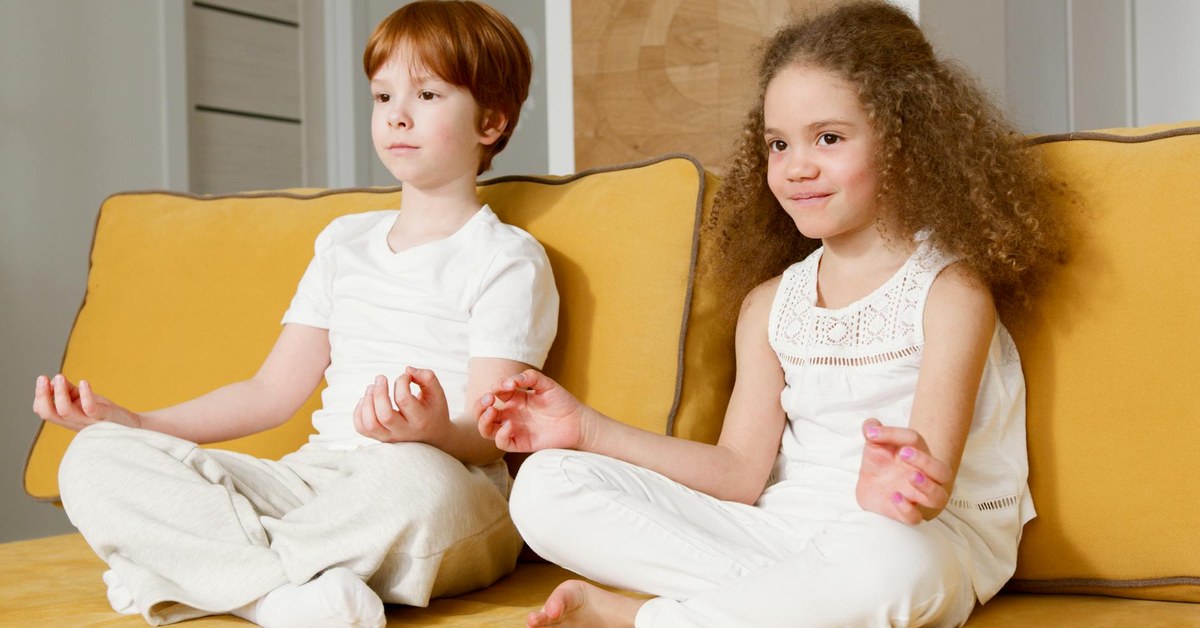

Mindful Kids: Simple Activities & Techniques for Children's Emotional Wellbeing
“Discover simple, effective mindfulness activities & techniques to help children manage emotions, improve focus, and foster inner calm. Boost your child's emotional wellbeing today!”
In a world filled with constant stimulation and increasing pressures, equipping children with tools for emotional regulation and inner calm is more vital than ever. Introducing mindfulness activities for children can profoundly impact their emotional wellbeing, helping them navigate complex feelings, improve focus, and develop resilience. This article explores practical, age-appropriate techniques to teach mindfulness to children, fostering a sense of peace and self-awareness that will benefit them throughout their lives.
Understanding Mindfulness for Children
Mindfulness is the practice of paying attention to the present moment without judgment. For adults, this often involves meditation or quiet contemplation. For children, however, mindfulness needs to be engaging, playful, and integrated into their daily experiences. It is not about stopping thoughts, but rather noticing them, along with feelings and physical sensations, as they arise and pass.
The core principles of mindfulness for children include: * Awareness: Noticing what is happening right now, both internally and externally. * Acceptance: Observing thoughts and feelings without trying to change or judge them. * Curiosity: Approaching experiences with an open, inquiring mind. * Kindness: Extending compassion to oneself and others.
Teaching mindfulness to children helps them build a foundation for managing stress, improving concentration, and developing empathy. It offers them a pause button, a moment to check in with themselves before reacting.
The Science Behind Mindfulness for Young Minds
Research consistently demonstrates the positive impact of mindfulness on cognitive and emotional development. A 2023 review published in Developmental Psychology highlighted that mindfulness interventions in schools led to significant improvements in children’s attention regulation, emotional control, and academic performance. Organisations like UNICEF advocate for mental health and psychosocial support, recognising mindfulness as a valuable tool in promoting resilience among young people globally.
As one educational psychologist noted, “Mindfulness provides children with an internal compass. It helps them recognise their emotional states and choose how to respond, rather than simply reacting impulsively.” This ability to self-regulate is crucial for healthy social interactions and overall mental health.
Key Takeaway: Mindfulness for children is about engaging with the present moment playfully and without judgment, fostering awareness, acceptance, curiosity, and kindness. Scientific evidence supports its benefits for emotional regulation, focus, and resilience.
Why Mindfulness Matters for Children’s Emotional Wellbeing
Children, like adults, experience a full spectrum of emotions, from joy and excitement to frustration, anger, and sadness. Without the tools to understand and process these feelings, they can become overwhelmed, leading to behavioural challenges, anxiety, or withdrawal. Mindfulness offers these essential tools.
Here are key benefits of incorporating mindfulness into a child’s life:
- Enhanced Emotional Regulation: Children learn to identify and label their emotions, understand their triggers, and develop healthier coping mechanisms. This can reduce outbursts and promote calm responses.
- Improved Focus and Attention: Regular mindfulness exercises strengthen a child’s ability to concentrate, which can positively impact their learning and academic performance. Studies by the Child Mind Institute indicate that mindfulness practices can reduce symptoms of ADHD in some children by improving executive functions.
- Reduced Stress and Anxiety: By focusing on the present, children can lessen worries about the past or future. This creates a sense of calm and can significantly lower anxiety levels. According to a 2022 WHO report, approximately 1 in 7 young people aged 10-19 globally experience a mental disorder, with anxiety being among the most common. Mindfulness offers a proactive strategy to address this.
- Increased Empathy and Compassion: Mindfulness encourages children to notice not only their own feelings but also the feelings of others, fostering greater understanding and kindness in their interactions.
- Better Sleep Quality: Practising mindfulness before bedtime can help children calm their minds, making it easier for them to fall asleep and experience more restful sleep.
- Boosted Self-Esteem: As children become more aware of their inner landscape and develop a sense of agency over their reactions, their confidence and self-worth naturally increase.
Next Steps for Understanding Benefits:
Explore further resources on [INTERNAL: children’s mental health] to deepen your knowledge of how various strategies contribute to overall wellbeing.
Age-Appropriate Mindfulness Activities for Young Children (Ages 3-7)
For preschoolers and early primary school children, mindfulness needs to be short, sensory-rich, and fun. Keep activities brief, typically 1-5 minutes, and integrate them into play.
-
Belly Breathing Buddies:
- How to do it: Have your child lie down and place a small, soft toy (their “buddy”) on their tummy. Ask them to watch their buddy rise and fall as they breathe in and out. Encourage slow, deep breaths.
- Why it works: Visualising the toy moving helps young children understand and engage with diaphragmatic breathing, which calms the nervous system.
- Next step: Practice this before naps or bedtime to encourage relaxation.
-
Mindful Munching:
- How to do it: Give your child a small piece of food, like a raisin or a piece of fruit. Ask them to look at it closely, smell it, feel its texture, then slowly take a bite, noticing the taste and how it feels in their mouth.
- Why it works: This engages all senses and helps children focus intently on one experience, slowing down and appreciating the moment.
- Next step: Try this with different foods, turning snack time into a mindful experience.
-
Listening Walk:
- How to do it: Go for a walk together, but instead of talking, focus on listening. Ask your child to point out all the sounds they can hear – birds chirping, cars passing, leaves rustling, their own footsteps.
- Why it works: It trains auditory attention and helps children notice the world around them, shifting focus away from internal chatter.
- Next step: Introduce a “listening game” where you each take turns identifying a sound and the other guesses it.
-
Feelings Faces:
- How to do it: Use flashcards or draw simple faces depicting different emotions (happy, sad, angry, surprised). Ask your child to identify the emotion and then describe a time they felt that way.
- Why it works: This builds emotional vocabulary and helps children connect feelings with facial expressions and personal experiences.
- Next step: Encourage them to make their own “feelings faces” in a mirror.
Mindfulness Exercises for Primary School-Aged Children (Ages 8-12)
Children in this age group can engage with slightly longer and more conceptual mindfulness exercises. They can start to understand the internal experience of thoughts and feelings.
-
The Mind Jar (Glitter Jar):
- How to do it: Fill a jar with water, add glitter, and a drop of dish soap. Shake it up and watch the glitter swirl. Explain that the glitter represents thoughts and feelings when our minds are busy. As the glitter settles, our minds can also settle and become clear.
- Why it works: This is a powerful visual metaphor for how our minds can become overstimulated and how, with patience, they can calm down.
- Next step: Encourage children to use their mind jar when they feel overwhelmed, breathing deeply as the glitter settles.
-
Body Scan Adventure:
- How to do it: Have your child lie down comfortably. Guide them to mentally “scan” their body, starting from their toes and moving up to their head. Ask them to notice any sensations – warmth, coolness, tingling, tension – without judgment. Imagine a friendly light moving through their body.
- Why it works: This develops interoception (awareness of internal bodily states) and helps children recognise where they hold tension, promoting relaxation.
- Next step: Use a guided body scan meditation specifically designed for children, available on many mindfulness apps.
-
Mindful Movement (Yoga Poses):
- How to do it: Introduce simple yoga poses like ‘tree pose’ (balancing), ‘cat-cow’ (gentle spine movement), or ‘child’s pose’ (rest). Focus on how their body feels as they move and hold the poses, and how their breath supports the movement.
- Why it works: Combines physical activity with present moment awareness, helping children connect mind and body.
- Next step: Explore children’s yoga videos online or attend a family yoga class.
Gratitude Practice:
- How to do it: At dinner or bedtime, ask everyone to share three things they are grateful for from their day.
- Why it works: Shifts focus to positive aspects of life, cultivates appreciation, and fosters a positive outlook.
- Next step: Keep a “gratitude journal” where children can draw or write things they are thankful for.
Key Takeaway: For primary-aged children, mindfulness activities can be slightly longer and more conceptual, using visual metaphors and gentle movement to explore present moment awareness and emotional regulation.
Teaching Mindfulness to Teenagers (Ages 13+)
Adolescence is a time of significant change, stress, and self-discovery. Mindfulness can be an incredibly powerful tool for teenagers to manage academic pressure, social anxieties, and identity formation. Approaches for this age group can be more mature and involve deeper self-reflection.
-
Awareness of Social Media Use:
- How to do it: Encourage teenagers to pause before opening social media apps or responding to messages. Ask them to notice their intention, their feelings before and after use, and how they engage. Suggest designated “mindful breaks” from screens.
- Why it works: Helps teens become more intentional about their digital interactions, reducing impulsive use and the negative impacts of comparison or FOMO (fear of missing out).
- Next step: Discuss the concept of “digital wellbeing” and explore [INTERNAL: screen time management strategies for teens].
-
Mindful Walking Meditation:
- How to do it: Guide them to pay attention to the sensation of their feet touching the ground, the rhythm of their steps, and the sounds and sights around them as they walk. Encourage them to notice thoughts and feelings that arise but gently bring their attention back to their steps.
- Why it works: A portable mindfulness practice that can be done anywhere, helping to ground them during stressful moments or when feeling overwhelmed.
- Next step: Introduce them to apps like Calm or Headspace which offer guided walking meditations.
-
RAIN Practice for Difficult Emotions:
- How to do it: RAIN is an acronym:
- Recognise what is happening (name the emotion).
- Allow the experience to be there (don’t fight it).
- Investigate with kindness (where do I feel this in my body? What does it need?).
- Nurture with self-compassion (offer kind words or a gentle touch).
- Why it works: Provides a structured way for teens to process challenging emotions without being consumed by them, fostering self-compassion.
- Next step: Practice RAIN when discussing a minor frustration or disappointment, modelling the process for them.
- How to do it: RAIN is an acronym:
-
Journaling for Self-Reflection:
- How to do it: Encourage journaling about thoughts, feelings, and daily experiences. Suggest prompts like “What am I feeling right now and why?” or “What’s one thing I learned about myself today?”
- Why it works: Promotes self-awareness, helps organise thoughts, and provides an outlet for emotional expression, reducing rumination.
- Next step: Suggest specific mindfulness journals or prompts designed for teenagers.
Integrating Mindfulness into Daily Family Life
Consistency is key when teaching mindfulness. It doesn’t need to be a formal, rigid practice; rather, it can be woven into the fabric of daily routines.
- Model Mindful Behaviour: Children learn by observing. When you practise mindfulness yourself – whether it’s mindfully washing dishes or taking a moment to breathe before reacting – you set a powerful example.
- Establish a “Mindful Minute”: Designate a specific time each day, perhaps before school or dinner, for a one-minute mindfulness exercise. This could be focused breathing, a quick body scan, or a moment of gratitude.
- Create a Calm Corner: Set up a quiet space in your home with cushions, soft lighting, and perhaps a few calming objects like a stress ball or a mind jar. Children can go there to regulate their emotions when feeling overwhelmed.
- Use Mindful Language: Incorporate phrases like “What do you notice right now?” or “How does that make your body feel?” into your conversations.
- Mindful Transitions: Use mindfulness to ease transitions, such as moving from playtime to homework or from screen time to bedtime. A few deep breaths or a quick body scan can help children shift gears.
- Leverage Technology Wisely: Explore mindfulness apps designed for children and families. Many offer short, engaging guided meditations and stories that can be a wonderful resource. Look for apps recommended by reputable child development organisations.
Practical Tips for Parents and Carers:
- Start small and keep it fun.
- Be patient and flexible; not every attempt will be a success.
- Involve the whole family, if possible.
- Avoid making it another “chore”; present it as a tool for feeling better.
- Celebrate small successes and improvements.
Overcoming Common Challenges When Teaching Mindfulness
Introducing mindfulness to children can sometimes come with hurdles. Here’s how to navigate them:
- “I can’t clear my mind!”: Children often misunderstand mindfulness as stopping thoughts. Explain that it’s about noticing thoughts without judgment, like watching clouds float by. “It’s okay for your mind to be busy; just notice what it’s doing.”
- Lack of Interest or Resistance: If a child resists, don’t force it. Try a different activity or integrate it more subtly. Make it playful. For example, turn breathing into a “superpower breath” or a “dragon breath.”
- Short Attention Spans: Keep activities very short, especially for younger children. Gradually increase the duration as their focus improves. Use timers to help manage expectations.
- “I don’t feel anything.” or “This is boring.”: Validate their experience. Explain that mindfulness is a practice, and sometimes we feel a lot, sometimes a little. The goal isn’t always to feel “calm” but to notice whatever is present. Connect it to their interests; if they love sports, talk about mindful movement in their game.
- Parental Frustration: It’s natural to feel frustrated if it doesn’t “work” immediately. Remember that your own mindful presence is the most powerful teaching tool. Take a mindful breath yourself.
Expert Insight:
“The greatest gift we can give our children is not a perfect mind, but the tools to understand and befriend their own,” states a leading child psychologist. “Mindfulness is not about fixing children, but empowering them to navigate their inner world with curiosity and compassion.”
What to Do Next
- Choose One Activity to Start: Select just one age-appropriate mindfulness activity from this article that resonates with you and your child. Try it consistently for a week.
- Integrate Mindful Moments: Look for natural opportunities in your daily routine to introduce brief moments of mindfulness, such as before meals or during a walk.
- Explore Further Resources: Visit reputable websites like the NSPCC, Red Cross, or WHO for additional guidance and resources on children’s emotional wellbeing and mental health.
- Model Mindful Behaviour: Consciously practice mindfulness yourself. Your calm and present demeanour will be the most effective teacher for your child.
Sources and Further Reading
- World Health Organisation (WHO): Mental health of adolescents
- UNICEF: Adolescent mental health
- NSPCC (National Society for the Prevention of Cruelty to Children): Children’s mental health
- Child Mind Institute: Mindfulness and Kids
- Mindful.org: Mindfulness for Kids and Teens
- Greater Good Science Center at UC Berkeley: Mindfulness resources for parents and educators