Mindfulness Activities for Kids: Simple Techniques to Help Children Manage Anger and Frustration
Discover simple mindfulness activities to help children effectively manage anger and frustration. Teach kids practical techniques for emotional regulation and calm.
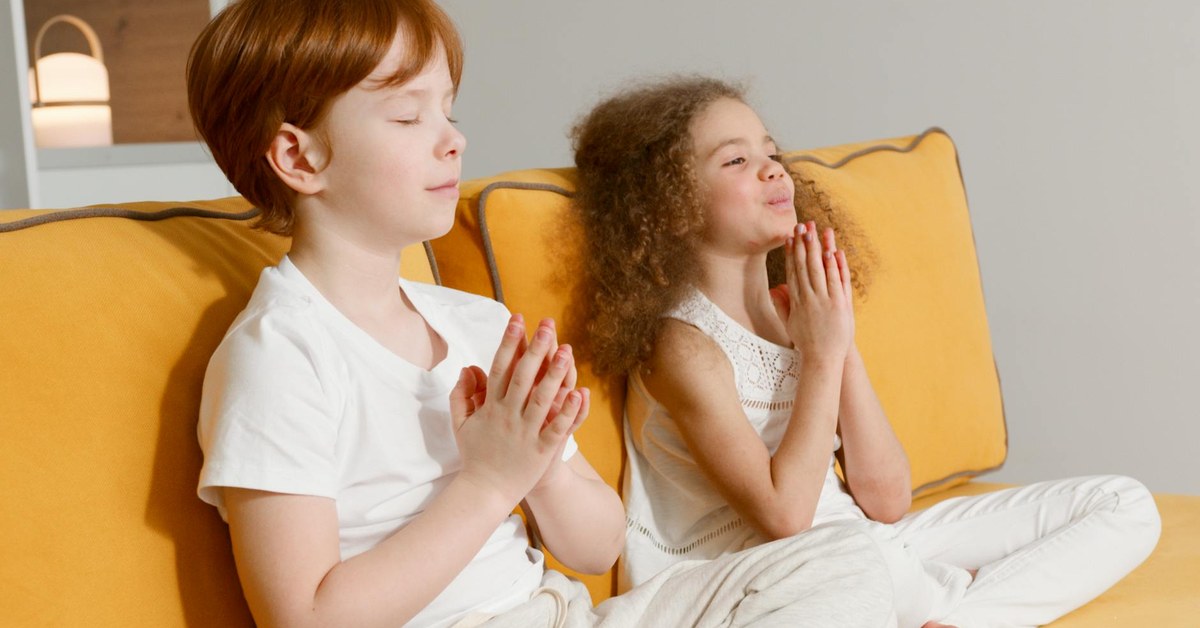

Mindfulness Activities for Kids: Simple Techniques to Help Children Manage Anger and Frustration
“Discover simple mindfulness activities to help children effectively manage anger and frustration. Teach kids practical techniques for emotional regulation and calm.”
Children experience big emotions, and learning to navigate feelings like anger and frustration is a crucial part of their development. Understanding how to process these powerful emotions can be challenging, but introducing mindfulness activities for children anger frustration can equip them with invaluable tools for emotional regulation and self-awareness. Mindfulness teaches children to pause, observe their feelings without judgment, and respond thoughtfully rather than react impulsively. This article explores practical, age-appropriate mindfulness techniques that families can implement to foster calm and resilience in young minds.
Understanding Mindfulness for Children
Mindfulness is the practice of paying attention to the present moment, including thoughts, feelings, and bodily sensations, with an attitude of kindness and curiosity. For children, this means helping them notice what is happening inside and around them without getting carried away by their emotions. When a child feels angry or frustrated, their body often experiences physical changes like a racing heart, tense muscles, or a hot sensation. Mindfulness helps them recognise these signals and develop coping mechanisms.
According to a 2022 review published in Child Development Perspectives, mindfulness interventions in schools and homes have shown positive effects on children’s emotional regulation, attention, and overall well-being. “Teaching children mindfulness is not about suppressing emotions; it’s about giving them the space to understand and process their feelings constructively,” explains a leading child development specialist. “This skill is fundamental for building emotional intelligence and resilience throughout life.”
The Benefits of Mindfulness for Emotional Regulation
Integrating mindfulness into a child’s routine offers numerous advantages, particularly when addressing anger and frustration:
- Increased Self-Awareness: Children learn to identify their emotions as they arise, rather than being overwhelmed by them.
- Improved Emotional Regulation: They develop the ability to pause before reacting, choosing a calmer response.
- Enhanced Focus and Concentration: Mindfulness exercises train the brain to concentrate, which can spill over into other areas of life.
- Reduced Stress and Anxiety: Regular practice helps children manage daily stressors more effectively.
- Greater Empathy: Understanding their own emotions often leads to a better understanding of others’ feelings.
Key Takeaway: Mindfulness provides children with essential skills to recognise, understand, and manage intense emotions like anger and frustration, promoting self-awareness and calmer responses.
Practical Mindfulness Activities for Young Children (Ages 3-7)
Introducing mindfulness to very young children requires playful and engaging approaches. Activities should be short, sensory-rich, and easy to understand.
-
Belly Breathing Buddies:
- How to do it: Ask your child to lie down and place a small, soft toy (their “buddy”) on their tummy. Instruct them to breathe deeply, watching their buddy rise and fall with each breath. Encourage them to imagine their breath is a gentle wave.
- Purpose: This helps children connect with their breath as an anchor, a tool for calming their body when anger builds.
- Next Step: Practice this for 1-2 minutes daily, especially before bedtime or when a child seems agitated.
-
Mindful Listening Game:
- How to do it: Sit quietly with your child and ask them to close their eyes or look at the floor. Challenge them to listen for three different sounds, both inside and outside the room. After a minute or two, discuss what they heard.
- Purpose: Enhances focus and awareness of the present moment, diverting attention from frustrating thoughts.
- Next Step: Extend the game by focusing on specific sounds, like the ticking of a clock or birds outside.
-
“Stop, Breathe, & Think” Visuals:
- How to do it: Create visual cues, such as a laminated card with simple illustrations: a red stop sign, a cloud for breathing, and a thought bubble for thinking. When anger or frustration arises, point to the card and guide them through the steps.
- Purpose: Provides a concrete, actionable strategy for managing intense emotions.
- Next Step: Involve your child in designing their own “calm-down” cards or a designated “calm corner” in the home. [INTERNAL: creating a calm-down corner]
Mindfulness Techniques for School-Aged Children (Ages 8-12)
As children grow, they can engage with more complex mindfulness concepts and longer practices. These techniques can be particularly helpful as they navigate social pressures and academic challenges.
-
The “Mind Jar” or Glitter Jar:
- How to do it: Fill a clear jar with water, glitter glue, and extra glitter. When a child feels overwhelmed, have them shake the jar vigorously, then watch the glitter slowly settle. Explain that their mind is like the jar – when they are angry, their thoughts are like the swirling glitter, but if they breathe and wait, their mind will settle and become clear again.
- Purpose: A powerful visual metaphor for how emotions can cloud judgment and how stillness brings clarity.
- Next Step: Encourage them to use the jar as a personal calm-down tool, taking deep breaths as the glitter settles.
Body Scan Adventure:
- How to do it: Guide your child to lie down comfortably. Ask them to imagine a scanner slowly moving up their body, noticing how each part feels without trying to change anything. Start from their toes, moving up to their head. Ask questions like, “What do your feet feel like right now? Are they warm or cool? Tense or relaxed?”
- Purpose: Develops interoception (awareness of internal body states), helping them recognise physical sensations associated with anger or stress.
- Next Step: Suggest they do a quick body scan whenever they feel a surge of anger, identifying where in their body they feel it.
Mindful Movement (Yoga or Stretching):
- How to do it: Introduce simple yoga poses or stretching exercises, focusing on the connection between breath and movement. For example, “mountain pose” for stability or “child’s pose” for comfort. Focus on the sensations in their muscles and the rhythm of their breathing.
- Purpose: Physical activity combined with mindful awareness can release pent-up energy and emotional tension.
- Next Step: Look for age-appropriate online yoga videos or local classes. Organisations like the Red Cross often promote activities that integrate movement and well-being.
“Thought Cloud” Visualisation:
- How to do it: When a child is caught in a loop of angry or frustrated thoughts, ask them to imagine their thoughts as clouds floating across the sky. They can observe each cloud, acknowledge it, and then watch it drift away without getting stuck on it.
- Purpose: Teaches children that thoughts are temporary and they don’t have to act on every thought or feeling.
- Next Step: Discuss how they feel after letting the “clouds” pass. Reinforce that they are not their thoughts.
Integrating Mindfulness into Daily Family Life
Consistency is key when teaching mindfulness. It’s not just about crisis intervention but about building a foundation of emotional awareness.
- Model Mindful Behaviour: Children learn by observing. Practice mindfulness yourself, whether through short meditations, mindful eating, or simply pausing before reacting to stressful situations.
- Establish a “Mindful Moment” Routine: This could be a 5-minute quiet time before school, a few deep breaths before dinner, or a gratitude practice at bedtime.
- Use Mindful Language: Encourage children to describe their feelings rather than just labelling them good or bad. “I notice you’re feeling really frustrated right now; where do you feel that in your body?”
- Create a Calm Space: Designate a quiet corner with cushions, books, and perhaps a glitter jar, where children can go to self-regulate when feeling overwhelmed. [INTERNAL: creating a peaceful home environment]
- Utilise Technology Wisely: There are many reputable apps and online resources designed for children’s mindfulness, often featuring guided meditations or calming stories. Always review content for age-appropriateness and privacy. UNICEF and the NSPCC offer resources on children’s digital well-being.
“A consistent, gentle approach to mindfulness helps children internalise these practices,” notes an educational psychologist. “It moves from being an activity you do with them, to a skill they own and use independently.”
What to Do Next
- Choose One Activity to Start: Select one age-appropriate mindfulness activity from this article and introduce it playfully to your child this week. Keep it brief and positive.
- Practice Regularly: Aim for short, consistent mindfulness moments daily, rather than long, infrequent sessions. Five minutes a day is more effective than an hour once a week.
- Observe and Adapt: Pay attention to how your child responds. If an activity isn’t resonating, try another. The goal is to find what helps them feel calmer and more in control.
- Discuss Emotions Openly: Create an environment where children feel safe to express anger and frustration, and then discuss how mindfulness tools can help them navigate these feelings.
Sources and Further Reading
- World Health Organisation (WHO) – Child and Adolescent Mental Health: www.who.int/health-topics/child-and-adolescent-mental-health
- UNICEF – Mental Health: www.unicef.org/mental-health
- NSPCC – Children’s Mental Health: www.nspcc.org.uk/keeping-children-safe/childrens-mental-health
- Mind – The Mental Health Charity: www.mind.org.uk