Mindfulness for Children: Cultivating Calm & Emotional Resilience
Discover how mindfulness practices can empower children to develop emotional regulation skills, foster inner calm, and build lasting resilience. A guide for parents.
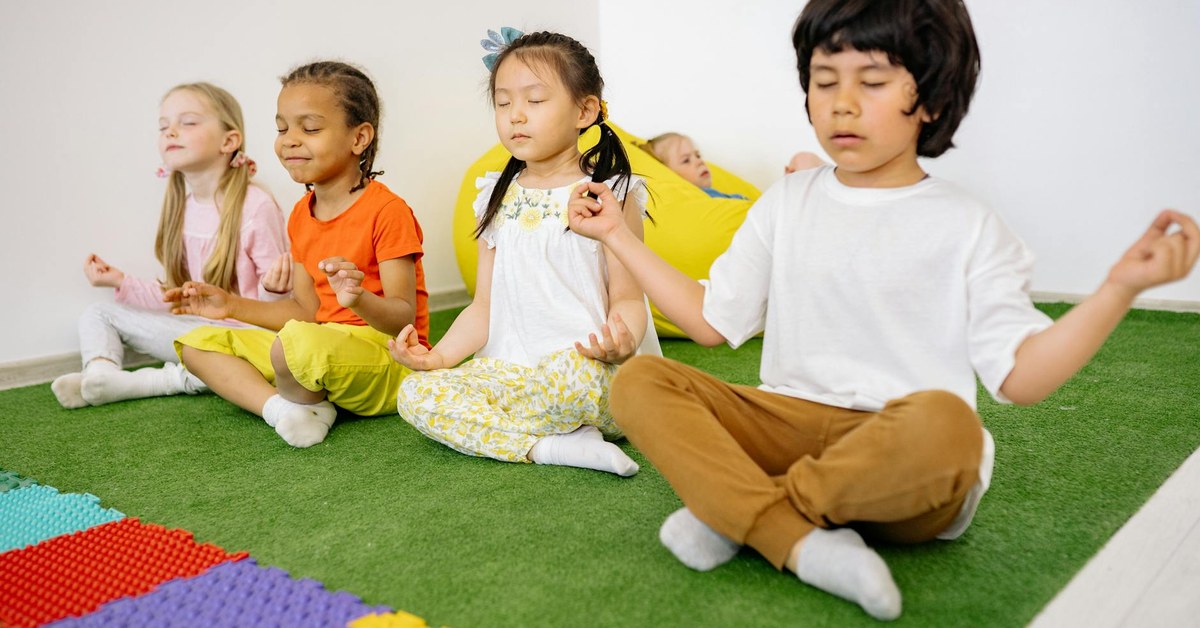

Mindfulness for Children: Cultivating Calm & Emotional Resilience
“Discover how mindfulness practices can empower children to develop emotional regulation skills, foster inner calm, and build lasting resilience. A guide for parents.”
In a world filled with constant stimulation and pressure, children often face significant challenges in managing their emotions. Learning mindfulness for emotional regulation children can provide them with invaluable tools for navigating these complexities, fostering inner calm, and building lasting resilience. This article explores how parents can introduce mindfulness practices to empower their children to better understand and manage their feelings, leading to a more balanced and fulfilling life.
Understanding Emotional Regulation in Children
Emotional regulation is the ability to understand, process, and respond to emotions in a healthy and adaptive way. It is a fundamental skill that develops over time, influencing a child’s social interactions, academic performance, and overall mental well-being. Children who struggle with emotional regulation might exhibit frequent tantrums, extreme mood swings, difficulty coping with frustration, or excessive worry.
The development of emotional regulation skills is crucial. Without them, children may find it challenging to form strong relationships, concentrate at school, or manage stress effectively. According to a 2021 UNICEF report, an estimated 13% of adolescents aged 10-19 globally live with a diagnosed mental disorder, highlighting the urgent need for early intervention and preventative strategies like emotional skill-building. Learning to regulate emotions is not about suppressing feelings, but rather about acknowledging them and choosing appropriate responses.
An expert in child psychology notes, “Teaching children to recognise their emotions without judgment is the first step towards healthy emotional regulation. Mindfulness provides a structured pathway for this self-awareness.”
Challenges Children Face
Children encounter various situations that test their emotional regulation abilities: * Frustration: Not getting their way, failing at a task, or struggling with homework. * Anxiety: Starting a new school, social pressures, or global events. * Anger: Conflicts with siblings or friends, perceived unfairness. * Sadness: Loss of a pet, moving house, or feeling left out. * Overwhelm: Too many activities, sensory overload, or demanding schedules.
These challenges are a normal part of growing up, but the way a child learns to handle them shapes their future coping mechanisms. Encouraging children to explore their inner world through mindfulness equips them with strategies to navigate these feelings constructively. For more on how children develop emotionally, see [INTERNAL: child development stages].
Key Takeaway: Emotional regulation is a vital skill enabling children to understand and manage their feelings, influencing their well-being and success. Many children struggle with this, making early intervention and skill-building essential.
The Power of Mindfulness for Young Minds
Mindfulness is the practice of paying attention to the present moment without judgment. For children, this means observing their thoughts, feelings, and bodily sensations as they arise, rather than being swept away by them. When children practice mindfulness, they learn to pause, notice, and then choose how to respond, rather than reacting impulsively.
Research consistently shows the positive impact of mindfulness on young brains. Studies, including those cited by organisations like the UK’s National Society for the Prevention of Cruelty to Children (NSPCC), indicate that mindfulness can enhance cognitive functions, reduce stress, and improve emotional control. It helps to strengthen the prefrontal cortex, the part of the brain responsible for planning, decision-making, and emotional regulation.
Benefits of Mindfulness for Children:
- Reduced Stress and Anxiety: Mindfulness helps children recognise and calm their stress responses.
- Improved Focus and Attention: Regular practice can enhance concentration and reduce distractibility.
- Enhanced Self-Awareness: Children become more attuned to their internal states, understanding what they are feeling and why.
- Greater Empathy and Compassion: By understanding their own emotions, children can better recognise and relate to the feelings of others.
- Increased Resilience: Mindfulness equips children with coping strategies, helping them bounce back from setbacks. This is crucial for building mindfulness kids resilience.
- Better Impulse Control: The ability to pause before reacting is a cornerstone of emotional regulation.
A paediatrician specialising in mental health observes, “Mindfulness offers children a powerful internal anchor. It teaches them that while emotions come and go, they have the capacity to observe these feelings without being consumed by them, fostering incredible inner strength.”
Age-Specific Mindfulness Practices
Introducing mindfulness needs to be tailored to a child’s developmental stage. What works for a teenager will likely not resonate with a toddler. The key is to make it playful, engaging, and brief, gradually increasing duration as children grow.
Toddlers (1-3 years): Sensory Play & Simple Awareness
At this age, mindfulness is about engaging the senses and developing basic awareness. * Mindful Walking: Go for a “listening walk” outdoors. Point out sounds: birds singing, cars passing, leaves rustling. Ask, “What do you hear?” * Texture Exploration: Provide different textures (soft blanket, bumpy block, smooth stone). Encourage them to touch and describe how each feels. * Bubble Breathing: Blow bubbles and ask them to watch the bubbles float and pop. This indirectly encourages deep breaths and focused attention.
Preschoolers (3-5 years): Playful Breathing & Feeling Faces
Preschoolers can start to understand simple instructions and connect feelings to physical sensations. * Belly Breathing (Teddy Bear Breathing): Lie down and place a small teddy bear on their tummy. Ask them to watch the teddy bear rise and fall as they breathe. “Make the teddy go up, up, up! Now down, down, down!” * Feeling Faces: Use flashcards or draw faces showing different emotions (happy, sad, angry, surprised). Ask them to identify the feeling and talk about a time they felt that way. * Mindful Eating: Choose a small snack, like a raisin or a piece of fruit. Ask them to look at it, smell it, feel its texture, take a small bite, and notice the taste. This helps develop mindfulness activities emotional control. * “I Spy” with Feelings: Play “I Spy” but focus on emotions. “I spy with my little eye someone who looks happy.”
Primary School (6-10 years): Body Scans & Calm Corners
Children in primary school can engage in slightly more structured activities and begin to connect thoughts with feelings. * Body Scan Meditation: Guide them to lie down and focus attention on different parts of their body, from toes to head. Ask them to notice any sensations (tingling, warmth, coolness) without judgment. Start with 2-3 minutes and gradually extend. * Calm Down Jars: Create a jar with glitter, water, and glue. When feelings are overwhelming, shake the jar and watch the glitter settle, linking it to their own feelings settling down. * Gratitude Practice: At bedtime, ask them to name three things they are grateful for that day. This shifts focus to positive experiences. * “Stop, Breathe, Think” Method: Teach them a simple sequence: 1. Stop: Pause what you are doing. 2. Breathe: Take a few deep breaths. 3. Think: What am I feeling? What do I need? What can I do? 4. Act: Choose a thoughtful response.
Adolescents (11-18 years): Guided Meditations & Journaling
Teenagers can handle more abstract concepts and longer periods of practice. They often benefit from autonomy in their practice. * Guided Meditations: Encourage them to explore age-appropriate mindfulness apps or online resources. Many apps offer meditations specifically for stress, sleep, or focus. * Mindful Movement: Introduce them to yoga, tai chi, or mindful walking. These practices combine physical activity with present moment awareness. * Mindfulness Journaling: Encourage them to write about their thoughts and feelings without editing or judgment. This can be a powerful tool for self-reflection and processing emotions. * Sensory Grounding: When feeling overwhelmed, teach them to use their five senses to reconnect with the present: * 5 things you can see * 4 things you can feel * 3 things you can hear * 2 things you can smell * 1 thing you can taste
Integrating Mindfulness into Daily Family Life
Mindfulness is not just a set of exercises; it’s a way of being. Integrating it into daily family routines makes it a natural part of a child’s life.
Parents as Role Models
Children learn by observing. When parents practice mindfulness themselves, they model healthy emotional regulation. * Mindful Moments: Take a few deep breaths before responding to a challenging situation. * Open Communication: Talk about your own feelings and how you manage them. “I’m feeling a bit frustrated right now, so I’m going to take a moment to breathe before we talk about this.” * Shared Practice: Do a short family meditation together, or take a mindful walk as a family.
Creating a ‘Calm Corner’
Designate a small, comfortable space in your home where children can go to self-regulate when feeling overwhelmed. * Elements of a Calm Corner: Soft cushions, blankets, quiet activities (books, puzzles, drawing materials), a calm down jar, a sensory bottle, or even a small plant. * Purpose: It’s not a ‘naughty step’ but a supportive space for processing emotions. Teach your child to use it proactively.
Mindful Transitions
Everyday transitions can be sources of stress. Mindfulness can help. * Before School: Take three deep breaths together before leaving the house. * After School: Have a quiet moment upon returning home, perhaps a short mindful snack, before jumping into activities. * Bedtime Routine: Incorporate a short body scan or gratitude practice to help them wind down.
Dealing with Resistance
It’s common for children to resist new practices. * Keep it Short and Fun: Don’t force it. If a child resists, suggest a very short activity (e.g., “Let’s just take three mindful breaths together”). * Connect to Their Interests: If they love superheroes, imagine breathing in ‘super strength’ and breathing out ‘villain thoughts.’ * Be Patient and Persistent: Like any skill, mindfulness takes time to develop. Celebrate small successes.
Key Takeaway: Tailor mindfulness activities to your child’s age, making them playful and engaging. Integrate these practices into daily family life, acting as a role model, creating calm spaces, and managing resistance with patience and creativity.
Developing Emotional Intelligence Through Mindfulness
Mindfulness is a powerful pathway to developing emotional intelligence (EQ), which encompasses self-awareness, self-regulation, motivation, empathy, and social skills. When children practice mindfulness, they naturally cultivate these aspects of EQ. This direct link between emotional intelligence children mindfulness is profound.
Recognising and Naming Emotions
Mindfulness encourages children to pay attention to their internal experiences. * Internal Detective: Teach them to be “internal detectives,” noticing where they feel emotions in their body (e.g., “butterflies in my tummy” for nervousness, “hot cheeks” for anger). * Emotion Vocabulary: Help them expand their emotion vocabulary beyond just “happy” or “sad.” Introduce words like “frustrated,” “excited,” “calm,” “disappointed,” “peaceful.”
Empathy and Compassion
By becoming more aware of their own feelings, children develop a greater capacity to understand and empathise with others. * Perspective-Taking: After discussing their own feelings, ask them to consider how another person might be feeling in a similar situation. * Kindness Practices: Encourage acts of kindness, and discuss how these actions impact others’ feelings. A simple “kindness meditation” can involve wishing well to oneself, loved ones, and then others.
Self-Regulation and Impulse Control
Mindfulness provides the ‘space’ between stimulus and response, allowing for thoughtful choices rather than impulsive reactions. * The Pause: Teach the importance of the pause. “When you feel a strong emotion, can you pause for just a moment before you act?” * Choice Point: Explain that they always have a choice in how they respond, even if they cannot control the initial emotion.
Overcoming Challenges and Sustaining Practice
Introducing mindfulness to children is a journey, not a destination. There will be days when it feels easy and days when it feels impossible.
Start Small, Be Patient
- Short Bursts: Begin with very short practices – 30 seconds to a minute for younger children, 2-5 minutes for older ones.
- No Pressure: Avoid making it feel like another chore. Frame it as a fun exploration or a peaceful moment.
- Consistency over Duration: A few minutes every day is more effective than a long session once a week.
Making it Fun and Relevant
- Gamify It: Turn breathing exercises into games (e.g., “dragon breathing” where they breathe out fire).
- Use Stories: Many children’s books now incorporate mindfulness themes. Read them together.
- Connect to Their World: If they are stressed about a test, use mindfulness to help them focus. If they are angry, use it to help them calm down.
When to Seek Professional Help
While mindfulness is a powerful tool, it is not a substitute for professional support if a child is struggling significantly with emotional regulation or mental health challenges. * Persistent Difficulties: If a child’s emotional outbursts are severe, frequent, and disruptive to their daily life for an extended period. * Withdrawal or Extreme Sadness: If a child consistently withdraws, expresses feelings of hopelessness, or loses interest in activities they once enjoyed. * Harmful Behaviours: If there are signs of self-harm, aggression towards others, or other concerning behaviours.
Consult your general practitioner or a child mental health professional if you have concerns. Organisations like the World Health Organisation (WHO) advocate for holistic approaches to child mental well-being, which may include therapy alongside practices like mindfulness.
What to Do Next
- Start with One Small Practice: Choose one age-appropriate mindfulness activity from this article and introduce it to your child for 1-2 minutes daily. Consistency is more important than duration.
- Model Mindful Behaviour: Consciously practice mindfulness yourself, even for brief moments, and talk about how it helps you manage your emotions. Your example is your child’s most powerful teacher.
- Create a Calm Corner: Designate a quiet, comfortable space in your home where your child can retreat when feeling overwhelmed, equipping it with comforting items and quiet activities.
- Expand Emotion Vocabulary: Help your child identify and name their feelings. Use “feeling faces” or simply ask, “What emotion are you feeling in your body right now?” to build self-awareness.
- Explore Resources Together: Look for child-friendly mindfulness books, guided meditations, or apps designed for children. Make it a shared discovery.
Sources and Further Reading
- UNICEF: The State of the World’s Children 2021: On My Mind - Promoting, Protecting and Caring for Children’s Mental Health.
- World Health Organisation (WHO): Adolescent mental health.
- National Society for the Prevention of Cruelty to Children (NSPCC): Mindfulness for Children.
- Mind (UK Mental Health Charity): Mindfulness.
- Child Mind Institute: Mindfulness for Kids.