Mindfulness for Meltdowns: Gentle Strategies to Help Children Regulate Big Emotions
Discover gentle mindfulness strategies to help your child navigate big emotions, reduce meltdowns, and build emotional resilience. Practical tips for calm, connected kids.
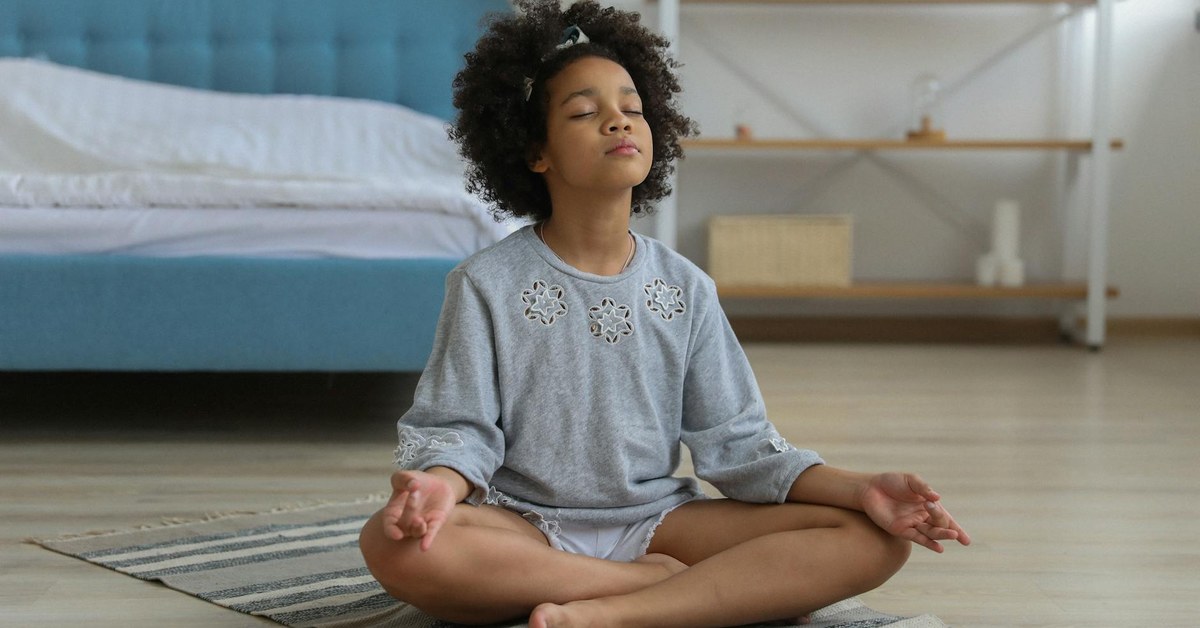

Mindfulness for Meltdowns: Gentle Strategies to Help Children Regulate Big Emotions
“Discover gentle mindfulness strategies to help your child navigate big emotions, reduce meltdowns, and build emotional resilience. Practical tips for calm, connected kids.”
Witnessing your child struggle with overwhelming emotions, often manifesting as a meltdown, can feel challenging for any parent or caregiver. These intense outbursts are a normal part of development, but they signal a need for support in building emotional regulation skills. This article explores effective mindfulness for children’s emotional regulation, offering gentle, practical strategies to help young ones understand, process, and manage their big feelings, fostering calm and resilience.
Understanding Children’s Big Emotions and Meltdowns
Children, especially younger ones, often lack the vocabulary and cognitive tools to articulate intense feelings like frustration, anger, or sadness. This can lead to what we commonly call meltdowns, which are essentially a child’s way of expressing that they are overwhelmed. These are not behavioural issues but rather emotional ones; the child is genuinely struggling to cope.
According to UNICEF, mental health conditions account for 13% of the global burden of disease in young people, highlighting the widespread need for emotional support and coping mechanisms from an early age. Learning to manage meltdowns in kids involves teaching them to recognise their internal state before it escalates.
“Children’s brains are still developing their prefrontal cortex, the part responsible for executive functions like impulse control and emotional reasoning,” explains an early childhood development specialist. “Expecting them to regulate perfectly without guidance is unrealistic. We must provide the tools and practice.”
The Power of Mindfulness in Emotional Regulation
Mindfulness is the practice of paying attention to the present moment without judgment. For children, it translates into simple, engaging activities that help them notice their thoughts, feelings, and bodily sensations. It is a powerful tool for teaching kids emotional intelligence and building crucial skills for children’s emotional regulation.
When children practise mindfulness, they learn to: * Recognise emotions: They become more attuned to how anger feels in their body, or what sadness looks like in their thoughts. * Pause and respond: Instead of reacting impulsively, mindfulness creates a brief space between feeling and acting, allowing for a more considered response. * Develop self-compassion: They learn that all feelings are acceptable and that it is okay to feel overwhelmed sometimes. * Increase focus and calm: Regular practice can reduce anxiety and improve concentration, leading to fewer meltdowns and greater overall well-being.
[INTERNAL: benefits of emotional intelligence for kids]
Gentle Mindfulness Activities for Different Age Groups
Introducing mindfulness should always be playful and age-appropriate. The goal is to make it an enjoyable part of their routine, not a chore.
Toddlers (1-3 years): Sensory Exploration and Simple Breathing
At this age, mindfulness centres on engaging the senses and very basic body awareness. * Bubble Breathing: Blow bubbles and encourage your toddler to take deep breaths to make them float higher, or to pop them with a gentle exhale. This makes deep breathing a fun game. * “Bear Breath”: Lie down with your child and place a favourite teddy bear on their tummy. Ask them to watch the bear rise and fall with their breaths. This simple visual helps them connect to their breathing. * Mindful Snack Time: Offer a small piece of fruit and encourage them to look at its colour, feel its texture, smell it, and then slowly chew, noticing the taste.
Preschoolers (3-5 years): Storytelling and Body Awareness
Preschoolers can grasp slightly more complex concepts, especially when embedded in stories or games. * Mindful Walking (The “Turtle Walk”): Pretend to be a turtle, walking very slowly and deliberately, noticing each step, the ground beneath their feet, and the sounds around them. * “Mindful Listening” Game: Close eyes and listen for three different sounds, then share what they heard. This sharpens auditory awareness. * Emotion Recognition: Use emotion cards or pictures to help them identify and name feelings. “That character looks angry; what does anger feel like in your body?”
Primary School Children (5-10 years): Focused Attention and Gratitude
Children in this age range can engage with more structured activities that build focus and introduce concepts like gratitude. * The “Glitter Jar” Calm-Down Technique: Fill a jar with water, glitter, and glue. When a child feels overwhelmed, shake the jar and watch the glitter slowly settle. This visual metaphor helps them understand that their agitated feelings will also settle. * Mindful Eating: Choose a piece of food, like a raisin or a small chocolate. Encourage them to observe it closely, smell it, feel it, take one bite and chew slowly, noticing all the flavours and textures before swallowing. * Body Scan Game: Lie down and ask them to notice each part of their body, from their toes to their head. “How do your toes feel? Can you wiggle them? How does your tummy feel right now?” * Gratitude Practice: At bedtime, ask each family member to share three things they are grateful for from their day. This shifts focus to positive experiences.
[INTERNAL: gratitude practices for families]
Pre-Teens (10-12 years): Self-Reflection and Stress Reduction
Pre-teens are developing abstract thinking and can benefit from activities that encourage deeper self-reflection and provide tools for managing stress. * Journaling Prompts: Provide a notebook and prompts like “What made me feel strong today?” or “What emotion did I feel most strongly, and why?” This encourages self-awareness and processing. * Guided Visualisations: Short audio recordings that guide them through imagining a calm, safe place can be very effective for stress reduction. Many free resources are available through educational apps (ensure they are age-appropriate and privacy-compliant). * Mindful Movement: Simple stretches or gentle yoga poses can help connect mind and body, releasing tension.
Integrating Mindfulness into Daily Family Life
Consistent practice is key to developing children’s emotional regulation skills. Mindfulness doesn’t need to be a formal, lengthy session; short, regular moments are more impactful.
- Lead by Example: Children learn best by observing. Practise mindfulness yourself; whether it’s taking a few deep breaths before responding to a challenging situation or enjoying a meal mindfully, your children will notice.
- Create a “Calm-Down Corner”: Designate a quiet, comfortable space in your home with soft cushions, books, sensory toys (like stress balls or fidget toys), and the glitter jar. This provides a safe retreat for children to self-regulate.
- Make it a Routine, Not a Punishment: Integrate mindfulness into daily rhythms, such as a “check-in” at breakfast, a mindful minute before homework, or a gratitude sharing session at dinner. Frame it as a tool for well-being, not a consequence for misbehaviour.
- Be Patient and Consistent: Learning emotional regulation is a journey. There will be days when progress feels slow. Celebrate small wins and gently redirect when challenges arise.
Key Takeaway: Mindfulness is not a quick fix but a skill developed through consistent, gentle practice, empowering children to understand and manage their emotions effectively. It builds a foundation for lifelong emotional resilience.
When to Seek Professional Support
While mindfulness offers powerful calming techniques for children and aids in managing meltdowns, it is important to recognise when professional help might be needed. If your child’s meltdowns are: * Becoming more frequent or intense. * Lasting for extended periods. * Causing harm to themselves or others. * Significantly interfering with their schooling, friendships, or family life. * Accompanied by persistent sadness, anxiety, or withdrawal.
In such cases, consulting a paediatrician, child psychologist, or mental health professional is advisable. Organisations like the World Health Organisation (WHO) and local child welfare services can provide guidance and resources for accessing support.
What to Do Next
- Start Small: Choose one or two simple mindfulness activities appropriate for your child’s age and introduce them playfully into your daily routine.
- Model Calm Behaviour: Show your child how you use mindful breathing or a moment of pause when you feel stressed or frustrated.
- Create a Calm-Down Kit: Assemble a small box or basket with items like a glitter jar, a favourite soft toy, or colouring supplies for independent self-regulation.
- Observe and Adapt: Pay attention to which activities resonate most with your child and adjust your approach based on their responses and needs.
- Seek Resources: Explore reputable online resources or books from organisations like the NSPCC or your local library for more mindfulness activities and advice.
Sources and Further Reading
- UNICEF: The State of the World’s Children 2021 - On My Mind: Promoting, Protecting and Caring for Children’s Mental Health. www.unicef.org
- World Health Organisation (WHO): Mental Health of Adolescents. www.who.int
- NSPCC: Supporting your child’s mental health. www.nspcc.org.uk
- Mindful.org: Mindfulness for Kids. www.mindful.org