Mindfulness for Children: Cultivating Calm, Focus, and Resilience
Unlock the power of mindfulness for children. This ultimate guide covers benefits, age-appropriate activities, and practical tips to foster calm, focus, and resilience in kids.
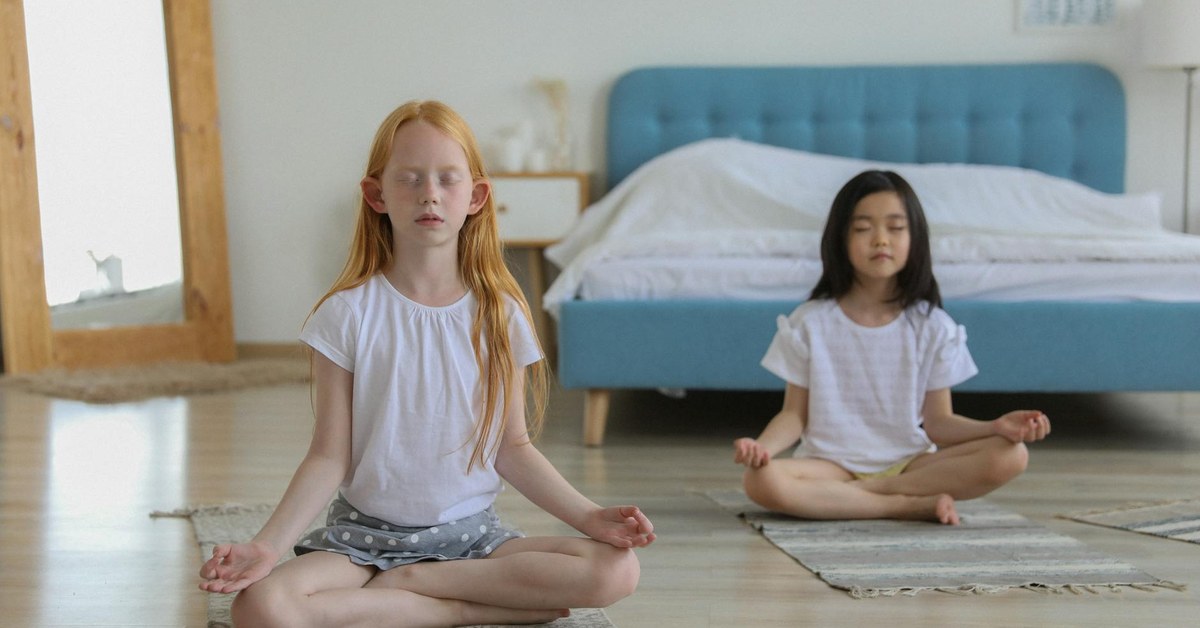

Mindfulness for Children: Cultivating Calm, Focus, and Resilience
“Unlock the power of mindfulness for children. This ultimate guide covers benefits, age-appropriate activities, and practical tips to foster calm, focus, and resilience in kids.”
In an increasingly fast-paced world, children often navigate a complex landscape of academic pressures, social dynamics, and digital distractions. Amidst this, the practice of mindfulness for children offers a powerful antidote, equipping them with essential tools to manage emotions, enhance concentration, and build inner strength. This comprehensive guide explores how cultivating mindfulness can transform a child’s well-being, providing practical strategies and age-appropriate activities to integrate this vital practice into family life and educational settings.
Understanding Mindfulness: A Child-Friendly Approach
Mindfulness is the practice of paying attention to the present moment, without judgment. For adults, this might involve formal meditation, but for children, it’s about making sense of their immediate experiences – their thoughts, feelings, and bodily sensations – in a gentle, curious way. It’s not about emptying the mind, but rather about observing what is happening right now, both internally and externally.
What Does Mindfulness Mean for a Child?
For a child, mindfulness is often introduced through playful activities that encourage observation and awareness. It helps them to: * Notice their breath: How it feels entering and leaving their body. * Observe their senses: What they can see, hear, smell, taste, and touch in the present moment. * Recognise their feelings: Identifying emotions without being overwhelmed by them. * Pay attention to their body: Noticing sensations like wiggles, tiredness, or excitement.
“Mindfulness for children is less about formal meditation and more about fostering a natural curiosity and awareness of their inner and outer worlds,” explains a child development specialist. “It’s about teaching them to pause, notice, and respond thoughtfully, rather than react impulsively.”
The Science Behind Childhood Mindfulness
Research into mindfulness practices for children and adolescents has grown significantly. Studies indicate that regular mindfulness can lead to measurable changes in brain function and structure, particularly in areas associated with emotional regulation, attention, and self-awareness.
For instance, a meta-analysis published in Child Development reviewing multiple studies on school-based mindfulness programmes found positive effects on cognitive performance, emotional regulation, and stress reduction in children and adolescents. Recognised organisations like UNICEF highlight the importance of socio-emotional learning, of which mindfulness is a key component, in promoting children’s overall well-being and resilience.
Key Takeaway: Mindfulness for children is a gentle, playful practice of present-moment awareness, helping them observe their thoughts, feelings, and senses without judgment, underpinned by scientific evidence supporting its positive impact on development.
The Profound Benefits of Mindfulness for Children
Introducing mindfulness early in a child’s life can yield a multitude of benefits, shaping their emotional intelligence, cognitive abilities, and overall mental health. These advantages extend from the classroom to social interactions and personal well-being.
Enhanced Emotional Regulation
Children, especially younger ones, can struggle to understand and manage intense emotions. Mindfulness teaches them to recognise feelings as they arise, creating a crucial pause between feeling and reaction. * Naming emotions: Learning to identify “sadness,” “anger,” or “excitement.” * Observing without judgment: Understanding that feelings come and go, like clouds in the sky. * Developing coping strategies: Using breath or sensory focus to calm strong emotions.
According to a 2022 report by the World Health Organisation (WHO), one in seven 10-19 year olds globally experience a mental disorder, with anxiety and depression being prevalent. Building emotional regulation skills through mindfulness can serve as a preventative measure and a coping mechanism.
Improved Focus and Concentration
In a world filled with distractions, maintaining focus is a challenge for many children. Mindfulness practices strengthen the “attention muscle” in the brain. * Sustained attention: The ability to concentrate on a task for longer periods. * Selective attention: Filtering out distractions to focus on what is important. * Cognitive flexibility: Shifting attention smoothly between different tasks or ideas.
Children who practise mindfulness often show improvements in academic performance, better listening skills, and a reduced tendency to be sidetracked during learning activities.
Reduced Stress and Anxiety
Childhood can be stressful, from school pressures to social anxieties. Mindfulness provides tools to navigate these stressors effectively. * Calming the nervous system: Deep breathing exercises activate the parasympathetic nervous system, promoting relaxation. * Perspective taking: Learning to observe worries rather than being consumed by them. * Developing inner peace: Cultivating a sense of calm regardless of external circumstances.
Increased Self-Awareness and Empathy
Mindfulness encourages children to tune into their inner world, fostering a deeper understanding of themselves and, consequently, others. * Self-awareness: Recognising their own thoughts, feelings, and physical sensations. * Self-compassion: Treating themselves with kindness, especially when things are difficult. * Empathy: Better understanding and sharing the feelings of others, leading to stronger social connections and reduced conflict.
Better Sleep Quality
Many children struggle with falling asleep or staying asleep due to an overactive mind. Mindful practices before bedtime can significantly improve sleep. * Relaxation techniques: Body scans and gentle breathing calm the mind and body. * Reducing bedtime worries: Learning to acknowledge and let go of racing thoughts. * Establishing a peaceful routine: Incorporating mindfulness into the wind-down period.
Boosted Resilience
Resilience is the ability to bounce back from adversity. Mindfulness helps children develop this crucial life skill by teaching them to face challenges with greater presence and acceptance. * Coping with setbacks: Viewing difficulties as temporary and manageable. * Positive outlook: Cultivating gratitude and appreciation, even in tough times. * Inner strength: Trusting their ability to navigate life’s ups and downs.
Age-Appropriate Mindfulness Activities for Children
Introducing mindfulness should always be tailored to a child’s developmental stage. What works for a toddler will differ greatly from what engages a pre-teen. The key is to make it fun, experiential, and relevant to their world.
Toddlers (1-3 years): Sensory Exploration
At this age, mindfulness is all about engaging the senses in a playful, natural way. Their world is one of discovery.
- Mindful Eating:
- Activity: Offer a small piece of fruit (e.g., a raisin, a berry). Encourage them to look at its colour, feel its texture, smell it, take a tiny bite and notice the taste, then chew slowly.
- Goal: Develop focused attention on sensory input, gratitude for food.
- “Listening Ears”:
- Activity: Sit quietly together for a minute. Ask, “What can you hear right now?” Point out sounds like birds, traffic, or the washing machine.
- Goal: Cultivate auditory awareness and present-moment listening.
- Touch and Feel Bag:
- Activity: Place various textured objects (a soft feather, a smooth stone, a crinkly leaf) in a bag. Let them reach in and describe what they feel without looking.
- Goal: Enhance tactile awareness and descriptive language.
Preschoolers (3-5 years): Playful Awareness
Preschoolers thrive on imagination and simple, engaging games. Mindfulness activities should be short and interactive.
- “Stop, Look, Listen”:
- Activity: When you notice a child getting overwhelmed or over-stimulated, say “Stop, Look, Listen.” Encourage them to stop what they’re doing, look around them, and listen to the sounds. You can extend this to “Stop, Look, Listen, Feel” (their body or emotions).
- Goal: Develop self-regulation and present-moment grounding.
- Glitter Jar/Calm Down Bottle:
- Activity: Fill a clear bottle with water, glitter glue, and extra glitter. Shake it up and watch the glitter slowly settle. Explain that the glitter is like their thoughts and feelings when they’re upset, and as it settles, their mind can become calm too.
- Goal: Visual metaphor for calming the mind, a tangible tool for self-soothing.
- Mindful Nature Walk:
- Activity: Go for a walk and encourage them to notice specific things: “Can you find something red? Can you hear a bird singing? What does the wind feel like on your skin?”
- Goal: Enhance sensory awareness and appreciation for nature.
Early Primary (5-8 years): Structured Fun
Children in this age group can engage in slightly more structured activities, often with a story or game element.
- “Belly Breathing Buddies”:
- Activity: Have the child lie down and place a small soft toy (their “buddy”) on their belly. Ask them to watch their buddy rise and fall with each breath.
- Goal: Introduce diaphragmatic breathing, link breath to body sensations.
- Mindful Movement (Animal Yoga):
- Activity: Teach simple yoga poses named after animals (e.g., “cat stretch,” “dog pose,” “tree pose”). Focus on how their body feels in each pose and their breath.
- Goal: Connect body awareness, movement, and breath in a fun way. [INTERNAL: benefits of physical activity for children]
- Sound Detective Game:
- Activity: Close eyes and listen for a specific sound (e.g., the furthest sound, the quietest sound). Discuss what they heard.
- Goal: Develop focused auditory attention and discrimination.
- Gratitude Jar:
- Activity: Decorate a jar. Each day, encourage the child to write or draw one thing they are grateful for and place it in the jar. Read them together periodically.
- Goal: Cultivate positive emotions and appreciation.
Late Primary (8-11 years): Deeper Exploration
Children in this age range can begin to understand more abstract concepts and engage in short, guided meditations.
- Guided Visualisations:
- Activity: Use simple guided meditations that encourage visualisation, such as imagining a safe, calm place or a peaceful journey. Many resources are available online or in apps.
- Goal: Develop imagination, relaxation, and mental focus.
- Mindful Journaling/Drawing:
- Activity: Encourage children to draw or write about their feelings, what they noticed during a mindful activity, or things they are grateful for.
- Goal: Process emotions, develop self-expression, and reflect on experiences.
- “Mindful Check-in”:
- Activity: At different points in the day, ask, “How are you feeling right now, in your body and your mind?” Encourage them to describe sensations and emotions without judgment.
- Goal: Increase self-awareness and emotional literacy.
- Compassion Practice:
- Activity: Guide them to think of someone they love and silently send them kind wishes. Then extend this to themselves, and eventually to others they might find challenging.
- Goal: Cultivate empathy, kindness, and self-compassion.
Key Takeaway: Mindfulness activities must be developmentally appropriate and engaging. From sensory play for toddlers to guided visualisations for older children, tailoring the approach ensures children connect with and benefit from the practice.
Pre-Teens/Early Teens (11-14 years): Self-Regulation and Resilience
This age group can grasp more complex mindfulness concepts and benefit from practices that address stress, self-identity, and social pressures.
- Advanced Breathing Techniques:
- Activity: Introduce techniques like 4-7-8 breathing (inhale 4, hold 7, exhale 8) or box breathing. Discuss how different breaths affect their body and mind.
- Goal: Provide specific tools for stress reduction and emotional regulation.
- Body Scan Meditation:
- Activity: Guide them through a full body scan, noticing sensations in different parts of their body without judgment. This can be done lying down or sitting.
- Goal: Enhance body awareness, relaxation, and grounding.
- Mindful Movement (Yoga/Tai Chi):
- Activity: Explore more structured yoga sequences or simple Tai Chi forms, focusing on the connection between movement and breath.
- Goal: Improve physical awareness, balance, and mental clarity.
- Self-Compassion Break:
- Activity: Teach them the three components of self-compassion (mindfulness, common humanity, self-kindness) and practice a short self-compassion meditation, especially when they feel inadequate or make a mistake.
- Goal: Build resilience, self-esteem, and reduce self-criticism.
- Mindful Digital Detox:
- Activity: Encourage periods of intentional unplugging from screens. Discuss how they feel during and after these breaks.
- Goal: Promote awareness of digital habits, reduce screen-related stress, and encourage present-moment engagement. [INTERNAL: healthy screen time habits for children]
Teaching Mindfulness to Children: Practical Tips for Parents and Educators
Successfully integrating mindfulness into a child’s life requires patience, consistency, and a playful attitude. Parents and educators play a crucial role in modelling and facilitating these practices.
1. Start Small and Be Patient
Don’t expect children to sit still for long periods. Begin with very short activities (30 seconds to a minute) and gradually increase the duration as their attention span develops. Some days will be more successful than others; that’s perfectly normal.
2. Model Mindful Behaviour
Children learn by observing. If you practise mindfulness yourself, they are more likely to embrace it. Share your own experiences: “I’m feeling a bit stressed, so I’m going to take a few slow breaths,” or “This cup of tea smells wonderful, I’m going to really notice it.”
3. Integrate into Daily Routines
Mindfulness doesn’t have to be a separate “activity.” Weave it into everyday moments: * Morning: A few mindful breaths before school. * Mealtime: Noticing the colours, smells, and tastes of food. * Transitions: A moment of quiet before moving from one activity to the next. * Bedtime: A short body scan to relax before sleep.
4. Create a Calm Space
Designate a quiet corner or a special cushion where your child can go for a few moments of calm. This doesn’t need to be elaborate; it just needs to be a place associated with peaceful reflection.
5. Use Stories and Analogies
Children connect well with narratives. Use metaphors like the “glitter jar” for a busy mind, or imagining their worries as leaves floating down a stream. Many children’s books now incorporate mindfulness themes.
6. Make it Fun and Playful
Mindfulness should never feel like a chore. Turn activities into games, use silly voices for guided meditations, or incorporate movement. The more enjoyable it is, the more likely children are to participate.
7. Validate Their Feelings
When a child is upset, acknowledge their feelings before suggesting a mindful practice. “I see you’re feeling really angry right now. That’s a big feeling. Would you like to try taking three dragon breaths with me?” This shows empathy and empowers them to choose coping mechanisms.
8. Consistency is Key
Like any new skill, mindfulness requires regular practice. Short, frequent sessions are more effective than infrequent, long ones. Even a minute or two each day can make a significant difference over time.
9. Adapt to Their Mood
There will be times when a child is simply not receptive to mindfulness. Don’t force it. Offer it, but if they resist, try again later or choose a different activity. Flexibility is important.
10. Focus on the Process, Not the Outcome
The goal isn’t for a child to achieve perfect stillness or eliminate all thoughts. It’s about developing awareness and a kind attitude towards their inner experience. Celebrate their effort and curiosity.
Addressing Common Challenges in Teaching Mindfulness
Even with the best intentions, parents and educators may encounter hurdles when introducing mindfulness to children. Recognising and addressing these challenges can help maintain momentum.
“My child won’t sit still!”
This is perhaps the most common challenge. Remember that stillness is not the primary goal of childhood mindfulness. * Solution: Incorporate mindful movement. Try walking meditations, mindful yoga, or even mindful dancing where they focus on their body’s sensations. Short bursts of activity are fine. For younger children, a game like “freeze dance” can be adapted to “freeze and notice.”
“They say it’s boring.”
Children thrive on engagement and novelty. If they find it boring, the activity might not be age-appropriate or engaging enough. * Solution: Introduce variety. Use different props, stories, or change the location. Frame mindfulness as a superpower for their brain or a special game. Ask them what kind of mindful activity they’d like to try.
“I’m not mindful myself.”
Many adults feel they need to be experts before teaching children. This isn’t true. * Solution: Learn alongside your child. Share your own learning journey. “Let’s try this breathing exercise together, I’m still learning too!” This models vulnerability and makes it a shared experience. Even a few minutes of personal mindfulness can enhance your ability to guide them.
Dealing with Resistance
Sometimes children simply don’t want to participate. Forcing it can create negative associations. * Solution: Offer choices. “Would you like to do a glitter jar or a belly breath today?” If they still refuse, respect their decision but keep offering opportunities. Integrate mindfulness into activities they already enjoy, like mindfully building with blocks or playing with playdough.
Resources and Tools for Families
A wealth of resources exists to support families in their mindfulness journey. These can provide guidance, structure, and inspiration.
- Mindfulness Books for Children: Numerous beautifully illustrated books explain mindfulness concepts in child-friendly language. Look for titles that offer simple exercises and relatable stories.
- Guided Meditation Apps: Many apps offer specific sections for children, with short, engaging meditations, soundscapes, and bedtime stories. Examples include apps that focus on sleep, anxiety, or general calm.
- Online Programmes and Videos: Websites and streaming platforms host free and subscription-based mindfulness programmes tailored for different age groups, often with animated characters or gentle instructors.
- Mindfulness Kits/Tools: Some kits include items like glitter jars, chime bells, affirmation cards, or sensory items designed to facilitate mindful practice.
- Community Classes: Local centres or schools sometimes offer mindfulness workshops for children and families. These can provide a supportive group environment and expert guidance.
Integrating Mindfulness into Family Life
Mindfulness isn’t just about structured exercises; it’s a way of being that can permeate daily family interactions, fostering a more harmonious and connected home environment.
Mindful Meal Times
Transform meals from rushed affairs into opportunities for connection and sensory awareness. * Practice: Encourage everyone to pause before eating, take a breath, and silently acknowledge the food. During the meal, invite family members to describe the tastes, textures, and smells they notice. Avoid distractions like screens. * Benefit: Enhances appreciation, slows down eating, and promotes digestive health.
Mindful Transitions
Moving from one activity to another (e.g., playtime to homework, dinner to bedtime) can often be a source of friction. * Practice: Create a brief mindful moment before a transition. This could be a “transition breath” (a few deep breaths together), a moment of quiet reflection, or a quick body shake to release energy. * Benefit: Reduces resistance, helps children mentally prepare for the next activity, and creates smoother shifts.
Mindful Conflict Resolution
Disagreements are inevitable in families. Mindfulness can help manage these moments with greater calm and understanding. * Practice: When conflict arises, encourage a “pause button.” Everyone takes a few deep breaths before speaking. Focus on listening to understand, rather than just waiting to respond. Use “I feel” statements. * Benefit: Teaches emotional regulation during stress, improves communication, and fosters empathy.
Family Meditation Time
Even a few minutes of shared quiet time can be powerful. * Practice: Choose a consistent time, perhaps before dinner or bedtime. Start with a very short guided meditation (1-3 minutes) or simply sit quietly together, focusing on a sound or your breath. * Benefit: Creates a shared sense of calm, strengthens family bonds, and normalises mindfulness as a family value.
Mindfulness in Schools and Educational Settings
The benefits of mindfulness extend beyond the home, making it an invaluable addition to school environments. Educators are increasingly recognising its potential to support student well-being and academic success.
Benefits for Classrooms
- Improved Classroom Climate: Mindfulness can reduce disruptive behaviour and foster a more respectful and focused learning atmosphere.
- Enhanced Learning Readiness: Children who practise mindfulness are better able to regulate their emotions, pay attention, and manage stress, making them more receptive to learning.
- Teacher Well-being: Mindfulness practices also support teachers in managing their own stress, leading to greater job satisfaction and reduced burnout.
- Social-Emotional Development: School-based programmes can explicitly teach empathy, self-awareness, and resilience, which are crucial for navigating social challenges.
Simple Practices for Teachers
Teachers can integrate mindfulness without significant curriculum changes. 1. Bell Work/Transition Moments: Use a chime or bell to signal the start of class or a transition. Ask students to listen until the sound fades, then take a deep breath. 2. Mindful Minute: Dedicate one minute a day to quiet breathing, a body scan, or focused listening. 3. Brain Breaks: Incorporate short mindful movement breaks (e.g., gentle stretches, mindful walking in place). 4. Emotional Check-ins: Start the day with a quick “how are you feeling?” check-in, encouraging students to name their emotions. 5. Mindful Listening: Before a discussion, ask students to practise listening without interrupting, truly hearing what others are saying.
Creating a Mindful School Culture
For a truly impactful approach, mindfulness can be woven into the fabric of the school environment. * Staff Training: Provide professional development for teachers and staff on mindfulness practices. * Dedicated Mindfulness Spaces: Create a “calm corner” or “zen zone” in classrooms or common areas where students can go to self-regulate. * Parent Involvement: Offer workshops or resources to parents, creating consistency between home and school. * Curriculum Integration: Explore integrating mindfulness themes into subjects like health education, physical education, or even literature.
A 2019 study published in the Journal of Educational Psychology found that students participating in a school-based mindfulness programme showed significant improvements in attention, emotional regulation, and academic performance, highlighting the positive impact of such initiatives.
Mindfulness is not a quick fix but a lifelong skill that empowers children to navigate the complexities of life with greater calm, clarity, and compassion. By providing them with these tools, we equip them to thrive, not just survive, in an ever-changing world.
What to Do Next
- Start Small Today: Choose one simple, age-appropriate mindfulness activity from this guide and try it for just 1-2 minutes with your child. Focus on making it playful and engaging.
- Model Mindful Moments: Intentionally share your own mindful observations or practices with your child. For example, “I’m going to take three slow breaths to calm myself,” or “I’m really noticing the sound of the rain right now.”
- Explore Resources: Look for a child-friendly mindfulness book or a reputable app with guided meditations for children. Try a few to see what resonates best with your family.
- Create a Calm Corner: Designate a small, comfortable space in your home where your child can go for a few moments of quiet reflection when they feel overwhelmed or simply need a break.
- Reflect and Adjust: Pay attention to what works well and what doesn’t. Mindfulness is a personal journey, and it’s important to adapt practices to your child’s unique personality and needs.
Sources and Further Reading
- World Health Organisation (WHO): www.who.int/news-room/fact-sheets/detail/adolescent-mental-health
- UNICEF: www.unicef.org/social-emotional-learning
- Mindful.org: www.mindful.org/mindfulness-for-kids/
- Greater Good Science Centre, UC Berkeley: greatergood.berkeley.edu/topic/mindfulness/children
- National Society for the Prevention of Cruelty to Children (NSPCC): www.nspcc.org.uk/keeping-children-safe/childrens-mental-health/