Mindfulness for Highly Sensitive Children: Practical Strategies to Manage Overwhelm and Thrive
Discover practical mindfulness strategies to help highly sensitive children (HSC) manage sensory overload, emotional overwhelm, and thrive in a stimulating world.
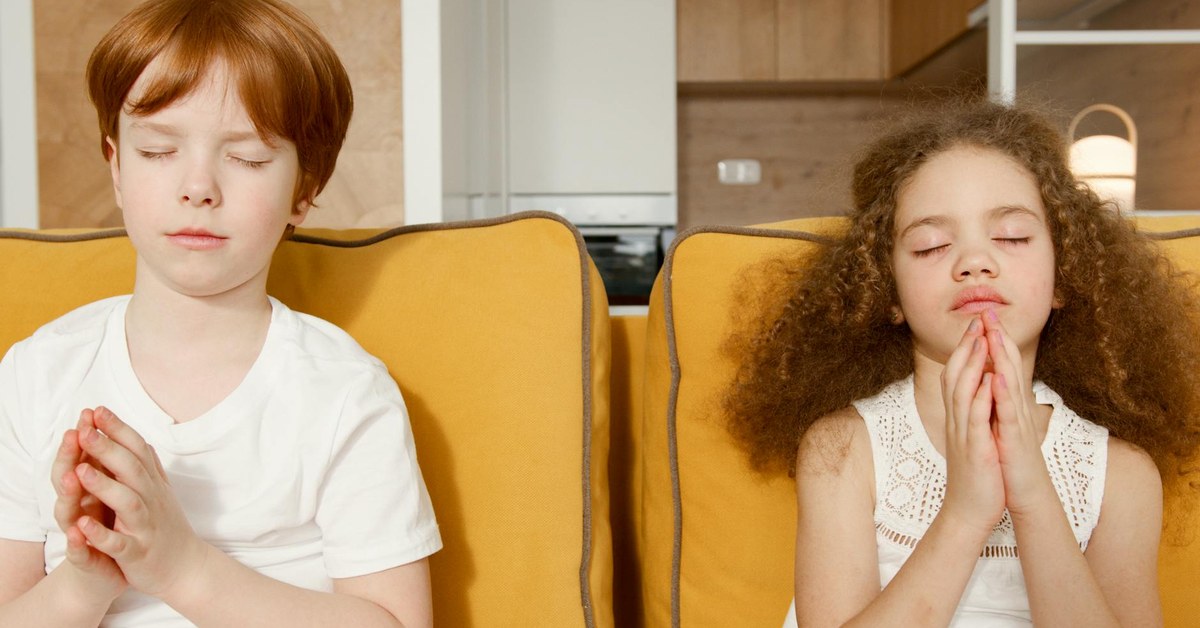

Mindfulness for Highly Sensitive Children: Practical Strategies to Manage Overwhelm and Thrive
“Discover practical mindfulness strategies to help highly sensitive children (HSC) manage sensory overload, emotional overwhelm, and thrive in a stimulating world.”
Raising a highly sensitive child (HSC) can bring immense joy alongside unique challenges, particularly when it comes to managing overwhelm from a stimulating world. These children often experience life with greater depth and intensity, making mindfulness for highly sensitive children a crucial tool for their emotional regulation and overall well-being. By learning to be present and aware, HSCs can develop vital coping mechanisms to navigate sensory overload, intense emotions, and the demands of daily life, ultimately helping them to thrive.
Understanding Highly Sensitive Children (HSC) and Overwhelm
Highly Sensitive Children, a trait recognised in psychological research, constitute approximately 15-20% of the population. They possess a finely tuned nervous system, meaning they process sensory information and emotions more deeply than their peers. This heightened sensitivity is not a flaw; it is an innate personality trait that brings many strengths, such as empathy, creativity, and a keen awareness of subtleties.
However, this deep processing can also lead to overwhelm. A bustling playground, bright lights, loud noises, strong smells, or even the emotional tension of others can quickly become too much for an HSC. This sensory and emotional overload can manifest as meltdowns, withdrawal, anxiety, irritability, or difficulty sleeping. Recognising these signs of overwhelm is the first step towards providing effective support.
According to a 2023 review published by the Journal of Child Psychology and Psychiatry, early intervention with emotional regulation strategies significantly improves long-term outcomes for children with heightened sensory processing sensitivity. This highlights the importance of equipping HSCs with practical tools from a young age.
The Power of Mindfulness for Sensitive Kids
Mindfulness, simply put, is the practice of paying attention to the present moment without judgment. For highly sensitive children, this practice offers a powerful pathway to managing their unique experiences. It helps them to:
- Recognise Early Signs of Overwhelm: By tuning into their bodies and emotions, HSCs can notice when they are starting to feel overstimulated before it escalates into a full meltdown.
- Develop Emotional Regulation: Mindfulness teaches children to observe their emotions rather than being consumed by them, allowing them to choose a response instead of reacting impulsively.
- Create Inner Calm: Regular mindfulness practice helps to soothe the nervous system, reducing baseline stress levels and increasing a child’s capacity to handle stimulation.
- Enhance Self-Awareness: It fosters a deeper understanding of their own needs, preferences, and triggers, empowering them to advocate for themselves.
“Mindfulness provides a crucial anchor for highly sensitive children, helping them to ground themselves amidst external chaos and internal intensity,” explains a leading child development researcher. “It’s about giving them the tools to build resilience from within.”
Key Takeaway: Mindfulness empowers highly sensitive children to become aware of their internal and external experiences, fostering emotional regulation and reducing the impact of overwhelm by teaching them to observe rather than be consumed by their intense perceptions.
Practical Mindfulness Techniques for Different Ages
Introducing mindfulness does not require complex rituals. It involves simple, engaging activities tailored to a child’s developmental stage. Consistency and a playful approach are far more effective than strict adherence.
For Pre-schoolers (3-5 years)
At this age, mindfulness is best introduced through short, sensory-rich games.
- Bubble Breathing: Ask your child to imagine their breath is a big bubble. Inhale slowly through the nose, making their tummy big like the bubble expanding, then gently exhale through the mouth, watching the imaginary bubble float away. Repeat 3-5 times. This helps them connect breath with calm.
- Mindful Listening Game: Sit quietly for 30-60 seconds. Ask, “What sounds can you hear?” Start with obvious sounds (cars, birds) then encourage them to listen for quieter ones (your breath, the fridge humming). This sharpens auditory awareness without judgment.
- “Stop and Smell the Flower”: Encourage your child to inhale deeply through their nose as if smelling a beautiful flower, then exhale slowly through their mouth as if blowing out a candle. This simple visualisation is a quick calming technique.
For Primary School Age (6-11 years)
Children in primary school can engage in slightly longer and more structured mindfulness exercises.
- The Five Senses Check-in: Ask your child to notice:
- 5 things they can see: (e.g., “the blue cushion, the green tree outside”)
- 4 things they can feel: (e.g., “my feet on the floor, the soft jumper”)
- 3 things they can hear: (e.g., “my own breathing, the clock ticking”)
- 2 things they can smell: (e.g., “dinner cooking, my shampoo”)
- 1 thing they can taste: (e.g., “the lingering taste of my snack”) This exercise brings them into the present moment quickly.
- Body Scan Adventure: Lying down, guide your child to imagine they are a superhero scanning their body. Start from their toes, asking them to notice any sensations (tingling, warmth, coolness) without trying to change them. Move slowly up their legs, tummy, arms, and head. This builds interoception – the awareness of internal body states.
- Mindful Movement: Simple stretches or gentle yoga poses can be very effective. Focus on how their body feels as it moves and stretches, rather than perfect form. For example, “Stretch like a cat waking up” or “Stand tall like a mountain.” [INTERNAL: mindful movement for children]
For Teenagers (12-18 years)
Teenagers can benefit from more independent and reflective mindfulness practices.
- Focused Breath Meditation: Encourage them to find a quiet spot and focus solely on their breath for 5-10 minutes. When their mind wanders (which it will), gently guide them to bring their attention back to their breath. Apps or guided meditations can be helpful tools.
- Mindful Journaling: Suggest they write down their thoughts and feelings without editing or judging them. This helps process emotions and identify patterns of overwhelm. They can also reflect on moments of calm or gratitude.
- Walking Meditation: While walking, encourage them to pay attention to the sensation of their feet on the ground, the movement of their legs, and the sights and sounds around them. This can be done on the way to school or during a break.
Integrating Mindfulness into Daily Family Life
Mindfulness is most effective when it becomes a regular, integrated part of family life, rather than an isolated activity.
- Model Mindful Behaviour: Children learn by observing. Practise mindfulness yourself and talk about how it helps you. “Mummy is taking a few deep breaths because she feels a bit busy right now.”
- Create a Calm Corner: Designate a quiet space in your home with comfort items like soft cushions, blankets, books, or sensory tools. This offers a retreat when an HSC feels overwhelmed.
- Establish Mindful Routines: Incorporate short mindfulness moments into daily routines. For example, a “mindful minute” before bed, a silent gratitude moment before dinner, or a few deep breaths before leaving the house.
- Validate Their Experiences: When your child expresses overwhelm, validate their feelings before offering a mindfulness technique. “I understand that noise was really loud and made you feel uncomfortable. Let’s try some bubble breathing together.”
- Use Visual Aids: For younger children, visual timers or picture cards demonstrating breathing exercises can be very helpful.
- Encourage Self-Advocacy: As they grow, teach them phrases they can use to express their needs, such as “I need a quiet moment” or “This light is too bright for me right now.” [INTERNAL: empowering highly sensitive children]
By consistently offering these strategies, you equip your highly sensitive child with powerful tools to understand themselves better, manage their intense experiences, and ultimately thrive in a world that often feels too loud, too fast, or too much.
What to Do Next
- Choose One Technique: Select just one mindfulness technique suitable for your child’s age and introduce it playfully. Practise it together for a few minutes each day.
- Observe and Adapt: Pay attention to how your child responds. If a technique isn’t working, try another. The key is finding what resonates with them.
- Create a Calm Space: Designate a quiet, comfortable area in your home where your child can retreat when they need to regulate their emotions or escape overstimulation.
- Model Mindfulness: Incorporate short mindful moments into your own day and openly share with your child how these practices help you.
- Seek Support if Needed: If your child’s overwhelm consistently impacts their daily functioning, consider consulting a child psychologist or therapist who specialises in sensory processing sensitivity.
Sources and Further Reading
- UNICEF: Resources on child mental health and well-being.
- World Health Organisation (WHO): Guidelines on child and adolescent mental health.
- NSPCC: Advice and support for parents on child emotional health.
- Child Mind Institute: Articles and resources on high sensitivity and emotional regulation in children.