Empowering Highly Sensitive Children: Mindfulness Techniques to Master Emotional Overwhelm and Sensory Triggers
Discover practical mindfulness techniques tailored for highly sensitive children to manage emotional overwhelm, navigate sensory triggers, and build lasting resilience.
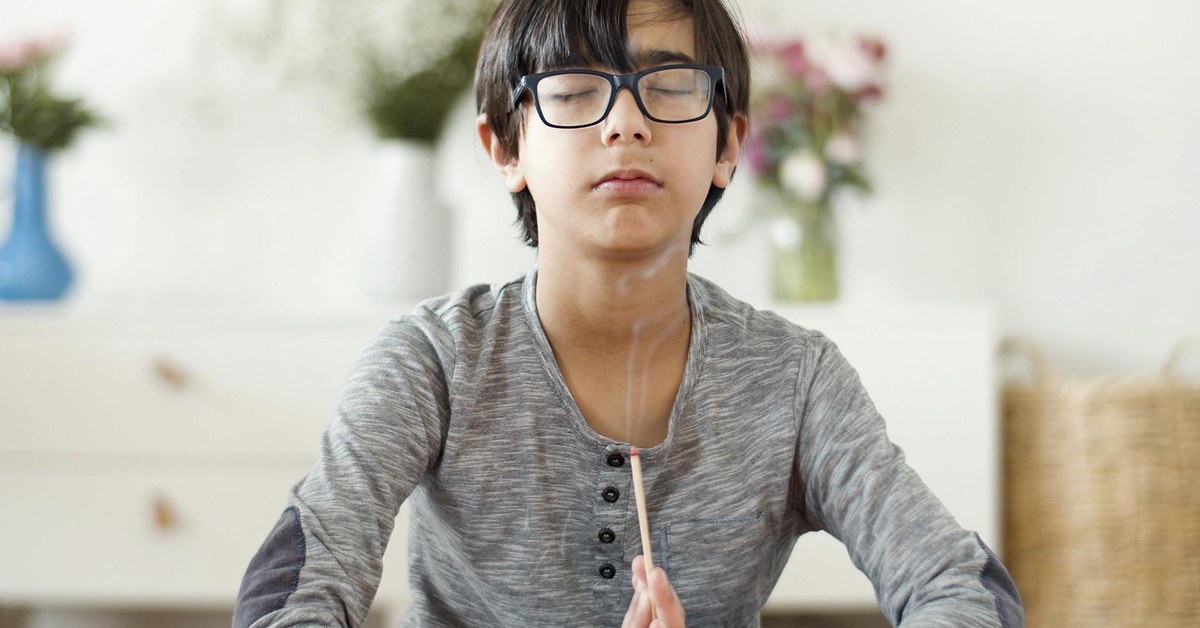

Empowering Highly Sensitive Children: Mindfulness Techniques to Master Emotional Overwhelm and Sensory Triggers
“Discover practical mindfulness techniques tailored for highly sensitive children to manage emotional overwhelm, navigate sensory triggers, and build lasting resilience.”
Highly sensitive children (HSCs) experience the world with heightened awareness, absorbing more sensory information and processing emotions more deeply than their peers. While this sensitivity can be a wonderful gift, leading to empathy and creativity, it can also result in emotional overwhelm and intense reactions to sensory triggers. Learning effective mindfulness for highly sensitive children offers powerful tools to help them navigate these challenges, fostering a sense of calm and building crucial resilience. This article explores practical mindfulness techniques designed to support HSCs in mastering their unique emotional and sensory landscape.
Understanding High Sensitivity and Its Impact
High sensitivity, often referred to as Sensory Processing Sensitivity (SPS), is an innate trait found in approximately 15-20% of the population, according to research by Dr. Elaine Aron and other psychologists. It is not a disorder, but rather a normal, healthy variation in temperament. HSCs typically exhibit four key characteristics, often summarised by the acronym DOES:
- Depth of processing: They think deeply about everything, making connections others might miss.
- Overstimulation: They are easily overwhelmed by too much input, whether sensory or social.
- Emotional reactivity/Empathy: They experience strong emotions and possess a profound capacity for empathy.
- Sensory sensitivity: They are highly aware of subtle stimuli like sounds, smells, textures, and light.
This deep processing means that everyday experiences can quickly lead to sensory overload or emotional overwhelm. A busy classroom, a scratchy jumper, loud noises, or even a subtle shift in a parent’s mood can trigger intense reactions. Without effective coping mechanisms, HSCs may struggle with anxiety, meltdowns, or withdrawal.
“Understanding a child’s unique sensory profile is the first step towards providing effective support,” explains a leading child development specialist. “Mindfulness offers a gentle yet powerful pathway for these children to observe their internal and external worlds without being consumed by them.”
Common Triggers for Highly Sensitive Children
Recognising common triggers helps parents and caregivers proactively implement calming strategies. These often include:
- Loud noises: Sudden bangs, crowded places, loud music.
- Bright lights: Fluorescent lighting, flashing screens, strong sunlight.
- Strong smells: Perfumes, cleaning products, certain foods.
- Rough textures: Specific fabrics, tags on clothing, sand.
- Busy environments: Crowded shops, lively parties, chaotic play areas.
- Emotional intensity: Conflict, perceived injustice, strong emotions from others.
- Changes in routine: Unexpected events, transitions between activities.
By identifying these triggers, families can begin to adapt environments and equip children with tools to manage their responses. [INTERNAL: navigating sensory environments for children]
The Power of Mindfulness for Highly Sensitive Children
Mindfulness is the practice of paying attention to the present moment without judgement. For HSCs, this practice is particularly beneficial because it helps them:
- Create space between stimulus and response: Instead of reacting immediately to overwhelm, they learn to pause and observe.
- Develop emotional regulation skills: They become more adept at recognising and naming their feelings, rather than being swept away by them.
- Increase self-awareness: Understanding their own triggers and how their body responds builds a sense of control.
- Cultivate calm: Regular practice can lower overall stress levels and improve their ability to self-soothe.
- Boost resilience: They learn that intense feelings are temporary and that they have the inner resources to cope.
Key Takeaway: Mindfulness provides highly sensitive children with essential tools to observe their sensory and emotional experiences without immediate reactivity, fostering self-awareness, emotional regulation, and a foundational sense of calm and resilience.
Practical Mindfulness Techniques for HSCs
Introducing mindfulness should be a gentle, playful, and consistent process. Tailor techniques to your child’s age and interests, keeping sessions short and engaging.
1. Mindful Breathing (All Ages)
Breathing is a powerful anchor to the present moment.
- Younger Children (3-7 years):
- “Teddy Bear Breathing”: Have your child lie down and place a small teddy bear on their tummy. Encourage them to watch the bear rise and fall with each breath. “Make the teddy go on a ride!”
- “Flower Breath”: Ask them to pretend to smell a beautiful flower (inhale slowly through the nose) and then blow out a candle (exhale slowly through the mouth).
- Older Children (8-12 years):
- “Balloon Breath”: Imagine their tummy is a balloon. Inhale deeply, feeling the balloon expand, then slowly exhale, feeling it deflate.
- “Counting Breaths”: Sit comfortably and silently count each exhale, up to five or ten, then start again. If their mind wanders, gently guide them back to counting.
- Teenagers (13+ years):
- Focus on the sensation of the breath at the nostrils or the rising and falling of the chest or abdomen. Encourage noticing the full cycle of each breath without trying to change it.
- Use guided meditations specifically for mindful breathing, available through various apps or online resources.
Next Steps: Practice mindful breathing for 1-2 minutes daily, gradually increasing duration as your child becomes more comfortable.
2. Body Scan for Sensory Awareness (Ages 6+)
This technique helps children become aware of physical sensations in their body, which is crucial for HSCs who often feel overwhelmed by internal or external stimuli.
- Have your child lie down or sit comfortably.
- Guide them to bring their attention to different parts of their body, starting with their toes. “Notice your toes. How do they feel? Are they warm or cool? Tingly or still?”
- Slowly move up the body: feet, ankles, calves, knees, thighs, hips, tummy, chest, arms, hands, shoulders, neck, face, and finally, the top of their head.
- Emphasise non-judgement: “There’s no right or wrong way for it to feel. Just notice what’s there.”
- For younger children, use playful language, e.g., “Imagine a warm, fuzzy light is shining on your feet.”
Next Steps: Use a simplified body scan before bedtime to help relax and process the day’s sensory input.
3. Mindful Movement and Sensory Exploration (All Ages)
Mindfulness doesn’t always mean sitting still. Moving mindfully can be very grounding.
- “Walking Like an Animal”: For younger children, encourage them to walk like a bear, a cat, or an elephant, paying attention to how their body moves and touches the ground.
- “Mindful Walking”: For older children, take a walk together and focus on the sensation of their feet touching the ground, the sounds they hear, and the sights they see. Encourage them to notice one new thing on each walk.
- “Sensory Box Exploration”: Create a box with various objects of different textures (smooth stone, soft feather, rough sponge, cool metal). Blindfold your child and have them explore each object, describing its texture, temperature, and shape without judgement. This helps them process sensory input in a controlled way.
- Mindful Eating: Choose a small snack, like a raisin or a piece of fruit. Encourage your child to look at it, smell it, feel its texture, take a tiny bite, notice the taste, and chew slowly, paying attention to every sensation.
Next Steps: Incorporate one mindful movement or sensory activity into your week, making it a regular family practice.
4. Emotional Naming and Safe Space Visualisation (Ages 5+)
HSCs often feel emotions intensely. Learning to name emotions and having a mental “safe space” can be incredibly empowering.
- “Emotion Detective”: Help your child identify feelings by asking, “Where do you feel that emotion in your body?” (e.g., “butterflies in my tummy” for worry, “tight shoulders” for anger). Use an emotion chart or cards to help them label feelings.
- “Weather Report”: Compare emotions to weather. “Right now, your feelings might be stormy, like a thunderstorm. But remember, storms pass, and the sun always comes out again.”
- “Inner Safe Space”: Guide your child to close their eyes and imagine a place where they feel completely safe, calm, and happy. It could be real or imaginary. Encourage them to describe it in detail using all their senses: what do they see, hear, smell, feel, and even taste in their safe place? They can return to this mental space whenever they feel overwhelmed.
Next Steps: When your child is experiencing big emotions, gently prompt them to name what they are feeling and then guide them to their “inner safe space” for a few moments. [INTERNAL: supporting children with big emotions]
Integrating Mindfulness into Daily Life
Consistency is key to building mindfulness skills. Here are ways to weave it naturally into your family’s routine:
- Morning Check-in: Start the day with a brief “how do I feel?” moment, encouraging children to tune into their bodies and emotions.
- Mindful Transitions: Before moving from one activity to another (e.g., playtime to homework), take a few deep breaths together.
- Bedtime Rituals: End the day with a short body scan, a gratitude practice, or a safe space visualisation to help calm the mind and body for sleep.
- “Calm Corner”: Designate a quiet, comfortable space in your home where your child can go when they feel overwhelmed. Stock it with calming tools like soft blankets, cushions, fidget toys, noise-cancelling headphones, or art supplies.
- Lead by Example: Children learn by observing. Practice mindfulness yourself and talk about how it helps you.
“Regular, short bursts of mindfulness are far more effective than infrequent, long sessions,” advises a family well-being advocate. “Aim for consistency and make it a gentle, positive experience, never a punishment.”
Building Resilience and Long-Term Well-being
Mindfulness is not about eliminating sensitivity or difficult emotions, but about developing the capacity to observe and navigate them with greater ease and self-compassion. For highly sensitive children, this translates into:
- Increased self-acceptance: They learn to embrace their sensitivity as a strength, rather than seeing it as a flaw.
- Improved coping skills: They gain a toolkit of strategies to manage overwhelm and bounce back from challenges.
- Stronger emotional intelligence: They become more attuned to their own feelings and the feelings of others.
- Enhanced focus and attention: Mindfulness can improve concentration, which can be beneficial in academic settings.
Organisations like UNICEF and the World Health Organisation (WHO) increasingly recognise the importance of mental well-being practices, including mindfulness, for children’s overall development and resilience. A 2022 review of studies on mindfulness in schools, for instance, indicated positive impacts on children’s emotional regulation and stress reduction.
By consistently applying these techniques, parents and caregivers empower highly sensitive children to not only survive in a stimulating world but to thrive, using their unique sensitivity as a source of strength and connection.
What to Do Next
- Start Small and Be Consistent: Choose one or two mindfulness techniques that resonate with your child and practice them for just 1-2 minutes daily. Gradually increase the duration as they become more comfortable.
- Create a Calm Corner: Designate a quiet, comfortable space in your home equipped with calming tools like soft items, fidget toys, or noise-cancelling headphones, offering a retreat when overwhelm strikes.
- Model Mindfulness: Practice mindfulness yourself and openly discuss how it helps you manage stress or big emotions, showing your child that these tools are valuable for everyone.
- Observe and Adapt: Pay attention to which techniques your child responds to best. Be flexible and willing to adjust your approach based on their feedback and behaviour.
Sources and Further Reading
- Aron, E. N. (1996). The Highly Sensitive Person: How to Thrive When the World Overwhelms You. Broadway Books.
- NSPCC Learning: Understanding Child Development. https://learning.nspcc.org.uk/child-development
- UNICEF: Mental Health and Psychosocial Support. https://www.unicef.org/mental-health-and-psychosocial-support
- World Health Organisation: Child and Adolescent Mental Health. https://www.who.int/mental_health/maternal-child/child_adolescent/en/