Mindfulness for Overwhelmed Kids: Practical Strategies to Navigate Sensory Overload in a Busy World
Discover practical mindfulness strategies to help overwhelmed children cope with sensory overload and overstimulation in today's fast-paced world. Foster calm & emotional regulation.
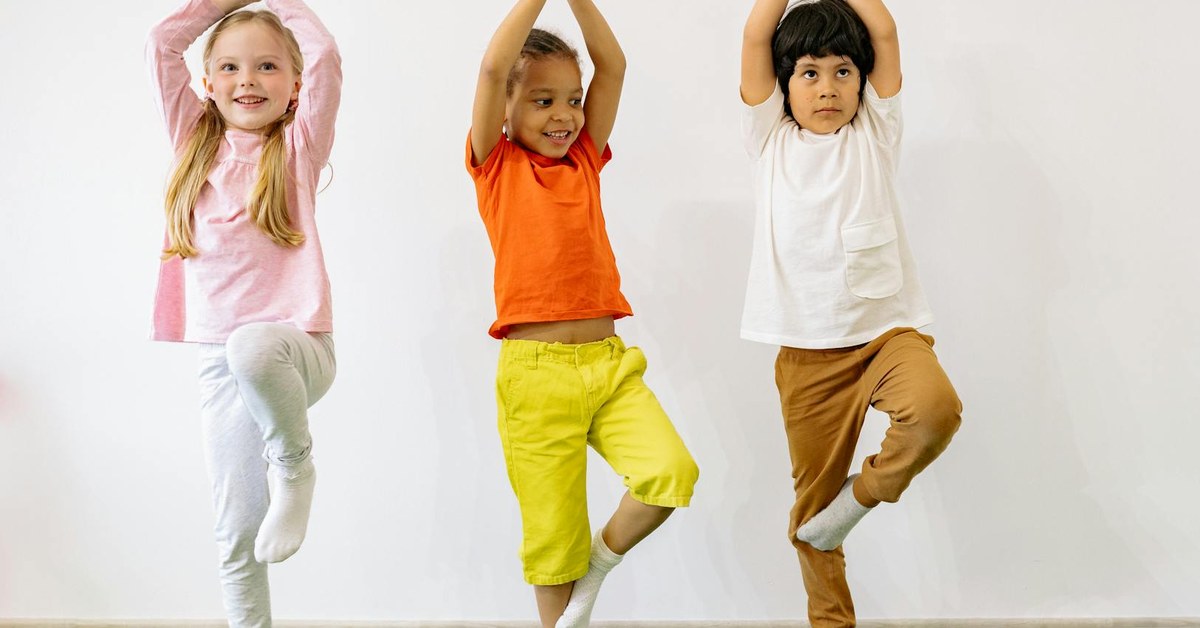

Mindfulness for Overwhelmed Kids: Practical Strategies to Navigate Sensory Overload in a Busy World
“Discover practical mindfulness strategies to help overwhelmed children cope with sensory overload and overstimulation in today's fast-paced world. Foster calm & emotional regulation.”
In a world filled with constant stimulation, many children experience moments of feeling overwhelmed, often due to sensory overload or overstimulation. Recognising these signs and equipping young people with effective coping mechanisms is crucial for their wellbeing. This article explores how mindfulness for overwhelmed children can provide practical, calming strategies, fostering emotional regulation and inner peace amidst the noise.
Understanding Sensory Overload in Children
Sensory overload occurs when a child’s nervous system receives more sensory input than it can process effectively. This can stem from various sources: loud noises, bright lights, strong smells, crowded spaces, or even too much information from screens. When children consistently face overstimulation, it can lead to anxiety, meltdowns, irritability, and difficulty concentrating.
According to a 2023 report by UNICEF, a significant number of children and adolescents globally experience mental health challenges, with environmental stressors playing a key role in their emotional wellbeing. While not every child has a diagnosed sensory processing difference, most will encounter situations where their senses are overwhelmed. For instance, a busy shopping centre, a loud party, or a classroom buzzing with activity can easily push a child past their comfort threshold.
Common signs a child might be experiencing sensory overload include: * Becoming unusually irritable or tearful. * Covering their ears or eyes. * Seeking to hide or withdraw from a situation. * Difficulty communicating or expressing themselves. * Increased fidgeting or restlessness. * Changes in appetite or sleep patterns.
Recognising these indicators early allows parents and caregivers to intervene and introduce calming strategies before a child reaches a state of distress.
Why Mindfulness Helps Overwhelmed Children
Mindfulness is the practice of paying attention to the present moment without judgment. For children struggling with sensory overload, mindfulness offers a powerful toolkit. It teaches them to: * Recognise and name feelings: Understanding what they are experiencing. * Observe sensations: Noticing what their body feels like without reacting impulsively. * Self-regulate: Developing the ability to calm themselves down. * Focus attention: Directing their awareness away from overwhelming stimuli.
“Mindfulness provides children with an anchor in the present, helping them to observe their internal and external experiences rather than being swept away by them,” explains a paediatric behavioural specialist. “This skill is invaluable for managing intense emotions and sensory input.”
Regular mindfulness practice helps children build resilience, improve focus, and develop a greater sense of control over their reactions. It shifts them from a reactive state to a more responsive one, empowering them to navigate challenging sensory environments more effectively.
Key Takeaway: Mindfulness equips children with essential tools to navigate sensory overload by teaching them to observe, understand, and regulate their responses to overwhelming stimuli, fostering greater emotional resilience and calm.
Practical Mindfulness Exercises for Different Age Groups
Introducing mindfulness to children requires age-appropriate techniques. Here are some effective strategies for coping with sensory overload for kids:
For Young Children (Ages 3-6)
At this age, mindfulness is best introduced through play and simple, concrete activities.
- Teddy Bear Breathing:
- Have your child lie down and place a favourite soft toy on their tummy.
- Encourage them to watch their teddy bear rise and fall with each breath.
- “Breathe in slowly, watch Teddy go up. Breathe out slowly, watch Teddy go down.”
- This simple exercise helps children connect with their breath and calm their bodies.
- Five Senses Safari:
- Choose a quiet moment or place, indoors or outdoors.
- Ask your child to notice one thing they can see, one thing they can hear, and one thing they can feel.
- “What colours do you see? What quiet sounds can you hear? What does the floor feel like under your feet?”
- This grounds them in the present environment, shifting focus from internal overwhelm to external, manageable observations.
- Mindful Walking (Snail Walk):
- Encourage your child to walk very, very slowly, like a snail.
- Ask them to notice how their feet feel touching the ground, the gentle sway of their body, and any sounds around them.
- This helps them connect with their body and environment in a gentle, focused way.
For Primary School Children (Ages 7-12)
Children in this age group can understand more structured exercises and benefit from visualisations.
- The Glitter Jar (Calm Down Jar):
- Create a jar with water, glitter glue, and extra glitter.
- When your child feels overwhelmed, have them shake the jar vigorously, like their busy thoughts.
- Then, encourage them to watch the glitter slowly settle, symbolising their thoughts and feelings calming down.
- “Watch the glitter. As it settles, imagine your thoughts settling too.”
- Body Scan Adventure:
- Have your child lie down or sit comfortably.
- Guide them to notice sensations in different parts of their body, starting from their toes and moving up to their head.
- “Imagine a warm, gentle light starting at your toes. What do your toes feel like? Now move the light to your feet… your ankles…”
- This builds body awareness and helps them identify areas of tension, offering mindfulness for overstimulation.
- Sound Detective:
- Sit quietly with your child for a few minutes.
- Ask them to close their eyes (if comfortable) and listen for all the sounds they can hear, from the closest to the furthest away.
- “What’s the quietest sound you can hear? What’s the furthest away sound?”
- This develops focused listening, helping them filter and categorise sensory input rather than being overwhelmed by it.
For Teenagers (Ages 13+)
Teenagers can engage with more abstract concepts and independent practice.
- Mindful Check-in (STOP Practice):
- Stop: Pause what you are doing.
- Take a breath: Notice your breath for a few moments.
- Observe: Notice your thoughts, feelings, and body sensations without judgment.
- Proceed: Continue with awareness.
- This is a quick and effective tool for calming strategies for busy children and teens in moments of stress.
- Guided Visualisation:
- Use guided meditation apps or audio recordings that focus on creating a ‘safe place’ or a ‘calm sanctuary’ in their mind.
- Encourage them to visualise details – sights, sounds, smells, and feelings of this peaceful place.
- This provides a mental escape and a tool for self-soothing when external environments are overwhelming.
- Mindful Movement (Yoga or Stretching):
- Simple yoga poses or stretching exercises can help teenagers connect with their bodies and release tension.
- Focus on the sensations of movement, the stretch of muscles, and the synchronisation of breath with movement.
- Many online resources and apps offer short, accessible mindful movement routines. [INTERNAL: Benefits of Physical Activity for Child Mental Health]
Integrating Mindfulness into Daily Family Life
Making mindfulness a regular part of family life doesn’t require grand gestures; small, consistent efforts yield the best results.
- Schedule Short ‘Mindful Moments’: Even 2-5 minutes a day can make a difference. This could be before school, at bedtime, or during a quiet family activity.
- Model Mindful Behaviour: Children learn by observing. Practise mindfulness yourself, and talk about how it helps you.
- Create a Calm Space: Designate a quiet corner in your home where your child can retreat when feeling overwhelmed. Include comforting items like blankets, cushions, or quiet toys.
- Use Mindful Language: Encourage your child to describe their feelings and sensations using mindful language. Instead of “I hate this noise!”, try “This noise feels very big to me right now.”
- Embrace Imperfection: Mindfulness is a practice, not a destination. Some days will be easier than others. Celebrate effort and progress, not perfection.
- Utilise Tools: Consider using a simple timer for mindful breathing, sensory fidget toys for grounding, or noise-cancelling headphones for moments of extreme sensory input.
Recognising When Professional Help is Needed
While mindfulness is a powerful tool, it is not a substitute for professional support when needed. If your child’s struggles with sensory overload or overstimulation are severe, persistent, or significantly impact their daily functioning, school performance, or relationships, it is important to seek professional advice.
Consult a general practitioner, paediatrician, or child psychologist. They can assess for underlying conditions such as Sensory Processing Disorder (SPD), Attention-Deficit/Hyperactivity Disorder (ADHD), or anxiety disorders, and recommend appropriate therapies like occupational therapy, cognitive behavioural therapy (CBT), or other specialist interventions. Early intervention can make a substantial difference in a child’s development and wellbeing.
What to Do Next
- Choose One Simple Practice: Start with just one age-appropriate mindfulness exercise from the list above and try it with your child for 2-3 minutes daily.
- Create a Calm Corner: Identify a quiet space in your home and equip it with soft items and calming tools for your child to use when feeling overwhelmed.
- Observe and Discuss: Pay attention to situations that trigger sensory overload for your child. After a calm moment, discuss with them what they experienced and how the mindfulness practice helped.
- Explore Resources: Look for reputable online resources, books, or apps that offer guided mindfulness exercises for children and families. [INTERNAL: Recommended Apps for Children’s Wellbeing]
Sources and Further Reading
- UNICEF: The State of the World’s Children 2023 - For Every Child, The Right to a Healthy Environment
- World Health Organisation (WHO): Adolescent Mental Health
- NSPCC: Children’s mental health
- Mindful.org: Mindfulness for Kids
- Child Mind Institute: Sensory Processing FAQ