Mindfulness for Preschoolers: Simple Strategies to Calm Big Emotions & Prevent Meltdowns
Discover gentle mindfulness strategies to help your preschooler manage big emotions, reduce meltdowns, and build emotional resilience from a young age.

Mindfulness for Preschoolers: Simple Strategies to Calm Big Emotions & Prevent Meltdowns
“Discover gentle mindfulness strategies to help your preschooler manage big emotions, reduce meltdowns, and build emotional resilience from a young age.”
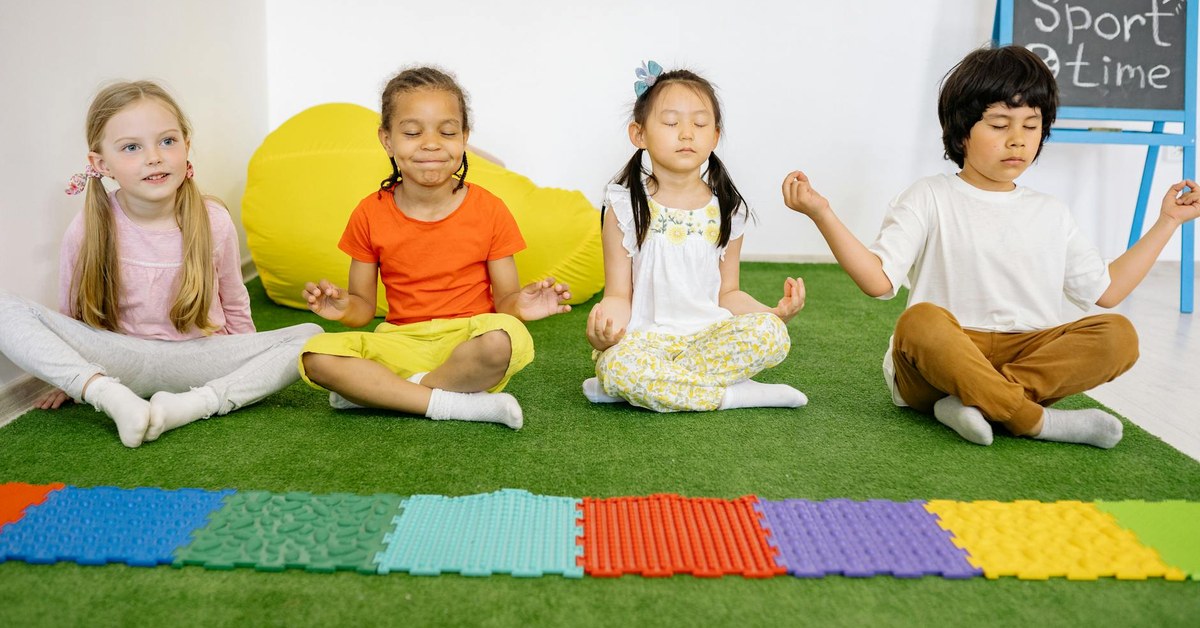
For many parents and carers, navigating the intense emotional landscape of a preschooler can feel overwhelming. Young children often experience “big emotions” – frustration, anger, sadness, or excitement – with an intensity that can quickly lead to meltdowns. Teaching mindfulness for preschoolers big emotions provides them with essential tools to recognise, understand, and manage these powerful feelings, fostering emotional regulation from a crucial developmental stage. By introducing simple, age-appropriate mindfulness techniques, we can empower children aged 3-5 to develop self-awareness and inner calm, transforming challenging moments into opportunities for growth.
Understanding Mindfulness for Young Children
Mindfulness involves paying attention to the present moment without judgment. For adults, this might mean meditation or deep reflection. For preschoolers, it translates into simpler, sensory-based activities that encourage awareness of their body, breath, and surroundings. It is not about suppressing emotions but rather observing them with curiosity and kindness. This foundation helps children develop preschool emotional regulation skills, giving them a sense of control over their reactions.
A child development specialist explains, “Mindfulness helps children to ‘pause’ before reacting. It teaches them that emotions are temporary visitors, not permanent residents, and that they have a choice in how they respond.” This simple shift in perspective is incredibly powerful for preventing and de-escalating toddler meltdowns mindfulness techniques are designed to support.
Why Teach Mindfulness to Preschoolers?
Introducing mindfulness at a young age offers numerous benefits that extend far beyond simply calming a tantrum. These include:
- Enhanced Emotional Regulation: Children learn to identify feelings in their body (e.g., a tight tummy for worry, fast heartbeat for anger) and apply calming techniques.
- Improved Focus and Attention: Practising mindfulness trains the brain to concentrate, which can positively impact learning and play.
- Reduced Stress and Anxiety: Regular practice can lower stress hormones, promoting a greater sense of peace and wellbeing.
- Increased Self-Awareness: Children become more attuned to their internal states and external environment.
- Greater Empathy: Understanding their own emotions can help children recognise and respond to the feelings of others.
According to a 2022 report by the World Health Organisation (WHO), one in seven children aged 10-19 globally experiences a mental health condition, highlighting the critical need for early intervention and preventative strategies like emotional literacy and mindfulness. Starting early can build resilience and coping mechanisms that serve children throughout their lives.
Key Takeaway: Mindfulness for preschoolers is about gentle, sensory-based present-moment awareness, not complex meditation. It builds crucial emotional regulation skills and self-awareness, laying a foundation for lifelong wellbeing.
Practical Mindfulness Strategies for Ages 3-5
Implementing calming techniques for preschoolers needs to be playful, short, and engaging. Here are some effective, age-appropriate strategies:
1. The “Balloon Breath”
This simple breathing exercise helps children regulate their nervous system. * How to do it: Ask your child to place their hands on their tummy. Explain that their tummy is like a balloon. When they breathe in slowly through their nose, their balloon gets big. When they breathe out slowly through their mouth, their balloon gets small. * Duration: Practice for 1-2 minutes, or until the child feels calmer. * When to use: Before bed, during quiet time, or when big emotions start to bubble up.
2. “Listening Like a Fox”
This activity enhances auditory awareness and focus. * How to do it: Ask your child to close their eyes (if comfortable) or look down. Encourage them to listen for all the sounds they can hear, both near and far. “Can you hear the birds outside? The fridge humming? Your own breath?” * Duration: 1-3 minutes. * When to use: During transition times, in a quiet moment, or to redirect attention from an upsetting event.
3. “Mindful Walking” (or “Turtle Walk”)
This encourages awareness of the body and surroundings. * How to do it: Go for a slow walk together, either indoors or outdoors. Encourage your child to notice how their feet feel on the ground, the movement of their legs, and what they see, smell, or hear around them. Pretend to be a slow turtle, taking deliberate steps. * Duration: 5-10 minutes. * When to use: As a break from sedentary play, to connect with nature, or to release pent-up energy in a focused way.
4. “Glitter Jar Calm Down”
A visual aid for understanding emotions and calming down. * How to do it: Fill a clear, sealable jar with water, glitter glue, and extra glitter. When a child feels upset, shake the jar vigorously. Explain that the swirling glitter is like their swirling thoughts and emotions. Watch together as the glitter slowly settles, representing how their feelings can calm down. * Duration: As long as it takes for the glitter to settle. * When to use: During or after a meltdown, or as a proactive tool to discuss emotions. * Recommendation: Use a sturdy plastic jar for safety.
5. “Body Scan Adventure”
Helps children connect with their physical sensations. * How to do it: Ask your child to lie down or sit comfortably. Guide them to imagine a soft, warm light starting at their toes and slowly moving up their body – feet, legs, tummy, arms, hands, neck, head. As the light touches each part, ask them to notice how it feels. * Duration: 3-5 minutes. * When to use: Before naptime or bedtime, or during a quiet rest period.
Integrating Mindfulness into Daily Routines
Consistency is key when teaching mindfulness. Integrate these practices naturally into your child’s day rather than treating them as separate lessons.
- Morning Rituals: Start the day with a “Good Morning Stretch” where you both stretch your bodies and take a few deep breaths.
- Mealtime Mindfulness: Encourage children to notice the colours, textures, smells, and tastes of their food. “What does this apple feel like in your hand? How does it crunch?”
- Playtime Awareness: During outdoor play, point out the sounds of birds, the feeling of grass, or the warmth of the sun.
- Bedtime Calm: End the day with a “Balloon Breath” or a short “Body Scan Adventure” to help them relax and prepare for sleep.
- Emotional Check-ins: Regularly ask, “How is your body feeling right now?” or “What emotion is visiting you today?” Use a feelings chart to help them identify and articulate their emotions. [INTERNAL: Understanding and Supporting Children’s Emotional Development]
An early childhood educator advises, “Make it playful and don’t force it. If a child resists, try again later or offer a different activity. The goal is gentle exposure, not perfect execution.”
Recognising and Responding to Big Emotions
Mindfulness isn’t just for children; adult mindfulness helps parents respond more effectively during challenging moments. When your child is experiencing a big emotion:
- Stay Calm: Your calm presence can be incredibly soothing. Take a few deep breaths yourself.
- Validate Emotions: Acknowledge their feelings. “I can see you’re feeling very frustrated right now.”
- Offer a Calming Tool: Gently suggest a mindfulness technique. “Would you like to do a Balloon Breath with me?” or “Let’s watch the glitter jar for a bit.”
- Co-regulate: Do the activity with them. Your participation shows support and makes the practice more engaging.
- Re-engage Later: Once calm, you can discuss what happened and how the mindfulness tool helped. “Remember how your tummy felt tight when you were angry? And how the balloon breath helped it feel softer?”
Common Challenges and Solutions
- “My child won’t sit still!” Keep sessions very short (30 seconds to 1 minute initially) and incorporate movement. “Mindful Walking” or simply noticing sounds while playing are great starting points.
- “They don’t understand.” Use simple language, visuals, and metaphors (like the balloon or glitter jar). Focus on the physical sensations rather than abstract concepts.
- “It doesn’t work immediately.” Mindfulness is a skill that develops over time with consistent practice. Don’t expect instant results. Celebrate small successes and focus on the process, not just the outcome.
- “I don’t have time.” Integrate mindfulness into existing routines rather than adding extra tasks. A mindful minute during tooth brushing or waiting for the kettle to boil is better than nothing.
By consistently modelling and offering these simple strategies, you are equipping your preschooler with invaluable skills for lifelong emotional wellbeing and resilience.
What to Do Next
- Choose One Strategy: Select one mindfulness technique, like “Balloon Breath” or “Glitter Jar Calm Down,” and introduce it playfully to your child this week.
- Practice Together Daily: Dedicate 1-2 minutes each day to practice the chosen technique, ideally at a calm time like before bed or during quiet play.
- Observe and Validate: Pay attention to your child’s emotions and validate their feelings, gently suggesting a calming technique when big emotions arise.
- Create a Calm Corner: Designate a comfortable, quiet space in your home with soft cushions, books, and perhaps a glitter jar, where your child can retreat to calm down.
Sources and Further Reading
- World Health Organisation (WHO): Mental health of adolescents. https://www.who.int/news-room/fact-sheets/detail/adolescent-mental-health
- UNICEF: The State of the World’s Children 2021: On My Mind - promoting, protecting and caring for children’s mental health. https://www.unicef.org/reports/state-worlds-children-2021
- NSPCC: Emotional wellbeing. https://www.nspcc.org.uk/keeping-children-safe/childrens-mental-health/emotional-wellbeing/
- Mindfulness in Schools Project (MiSP): https://mindfulnessinschools.org/