Mindfulness for Young Children: Building Emotional Resilience Against Disappointment
Discover how mindfulness empowers young children to build emotional resilience, navigate disappointment, and develop healthy coping mechanisms from an early age.
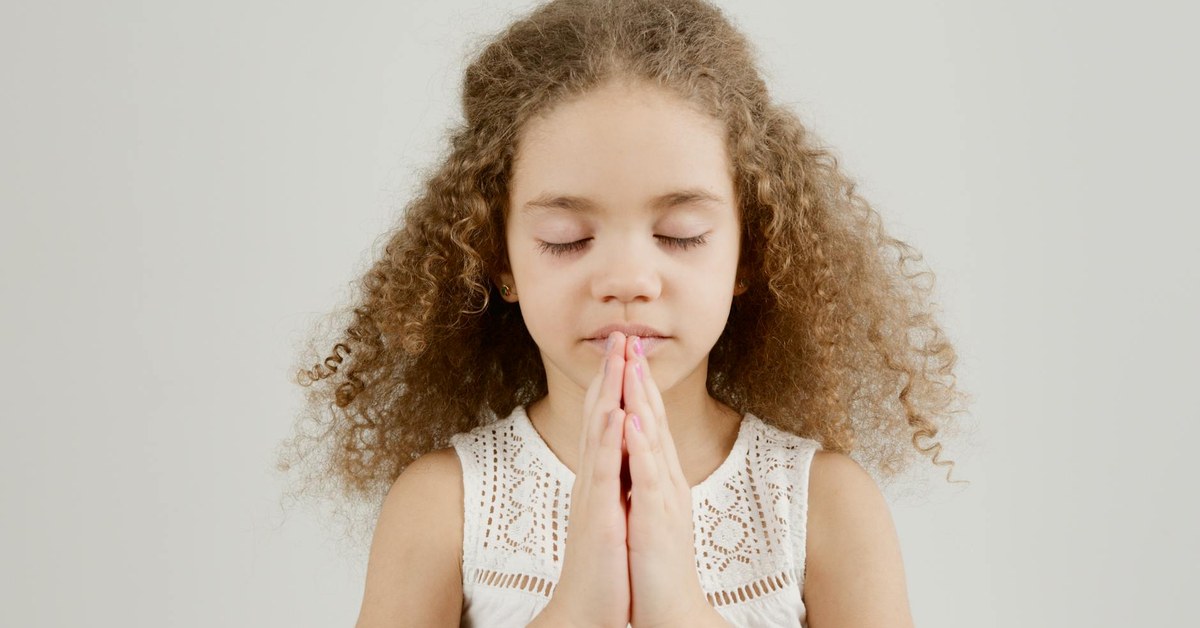

Mindfulness for Young Children: Building Emotional Resilience Against Disappointment
“Discover how mindfulness empowers young children to build emotional resilience, navigate disappointment, and develop healthy coping mechanisms from an early age.”
Every child, regardless of their upbringing, encounters disappointment. Whether it is a cancelled playdate, a lost toy, or not getting their way, these moments can feel immense and overwhelming for young minds. Learning to navigate these feelings is a crucial life skill, and cultivating mindfulness for young children emotional resilience offers a powerful pathway. By introducing children to mindfulness practices early, we equip them with tools to recognise, process, and ultimately bounce back from setbacks, fostering a deep sense of inner strength and wellbeing.
Understanding Emotional Resilience in Early Childhood
Emotional resilience is the ability to adapt well in the face of adversity, trauma, tragedy, threats, or significant sources of stress. For young children, this often manifests as the capacity to recover from everyday frustrations and disappointments without becoming overly distressed or giving up. It is not about avoiding negative feelings, but rather about developing healthy ways to experience and move through them.
Research consistently highlights the long-term benefits of early emotional regulation. According to a 2021 report from the World Health Organisation (WHO), promoting mental health and wellbeing in early childhood is fundamental for overall health outcomes throughout life, influencing everything from academic success to social relationships. Children with stronger emotional resilience are better equipped to handle challenges, form positive relationships, and develop a healthy self-concept. Without these skills, minor disappointments can escalate into significant emotional outbursts, impacting their learning and social behaviour.
Why Disappointment is a Key Learning Opportunity
Disappointment, though uncomfortable, serves as a vital teacher. It allows children to: * Experience a range of emotions: Learning that all feelings are valid, even the unpleasant ones. * Develop problem-solving skills: Finding alternative solutions or ways to cope. * Practise patience and delayed gratification: Understanding that not everything happens immediately or perfectly. * Build empathy: Recognising that others also face disappointments.
When children are encouraged to sit with their feelings of disappointment rather than suppress them, they learn valuable lessons about their inner world. This is where mindfulness becomes an invaluable tool, providing a framework for present-moment awareness and non-judgmental observation of emotions.
Key Takeaway: Emotional resilience is a child’s capacity to adapt and recover from life’s challenges. Disappointment, while difficult, is a crucial opportunity for young children to develop essential emotional regulation and problem-solving skills, laying the groundwork for lifelong wellbeing.
The Power of Mindfulness: Cultivating Resilience
Mindfulness is the practice of paying attention to the present moment without judgment. For adults, this might involve meditation, but for young children, it is about engaging their senses and becoming aware of their thoughts and feelings in a gentle, accessible way. When children practise mindfulness, they learn to:
- Recognise emotions: They develop an awareness of what sadness, frustration, or anger feels like in their bodies.
- Pause before reacting: Instead of an immediate outburst, they learn to create a small space between feeling and reacting.
- Self-regulate: They gain tools to calm their nervous system and manage intense feelings.
- Develop empathy: By understanding their own emotional landscape, they can better understand others’.
“Teaching children to observe their thoughts and feelings like clouds passing in the sky helps them understand that emotions are temporary and do not define them,” explains a leading child psychologist. “This simple shift in perspective is foundational for building emotional regulation and resilience.”
UNICEF, in its guidance on child mental health, often highlights the importance of self-awareness and coping mechanisms as protective factors against stress and adversity. Mindfulness directly addresses these areas, offering children a personal toolkit for navigating their internal experiences.
Practical Mindfulness Activities for Young Children
Introducing mindfulness does not require rigid meditation sessions. Instead, it involves integrating short, playful activities into daily routines. These activities are particularly effective for fostering mindfulness activities for preschoolers resilience and older young children.
For Ages 3-5 Years (Preschoolers)
- Belly Breathing Buddies: Have your child lie down and place a small, soft toy on their tummy. Ask them to watch their “buddy” rise and fall with each breath. This simple exercise helps them focus on their breath and calm their bodies.
- Mindful Eating: Choose a small snack, like a raisin or a piece of fruit. Ask your child to look at it, smell it, feel its texture, take a small bite, and notice the taste. Encourage them to eat it slowly, paying attention to each sensation.
- Sound Safari: Sit quietly with your child for a minute or two. Ask them to close their eyes (if comfortable) and listen for all the sounds they can hear, both near and far. Discuss what they heard afterwards.
- Colour Breathing: Ask your child to imagine a calming colour, like blue, filling their body as they breathe in, and an uncomfortable feeling, like anger (perhaps represented by red), leaving their body as they breathe out.
For Ages 6-8 Years
- Body Scan Adventure: Guide your child to lie down and imagine a tiny creature (like a ladybird or a butterfly) gently exploring their body, starting from their toes, moving up to their legs, tummy, arms, and head. Ask them to notice any sensations in each part.
- Mindful Walking: Go for a walk together. Ask your child to pay attention to the feeling of their feet on the ground, the sounds around them, the sights they see, and the smells in the air. This helps ground them in the present.
- “Glitter Jar” for Worries: Fill a jar with water, glitter, and a drop of dish soap. When your child feels overwhelmed or worried, shake the jar. As the glitter slowly settles, explain that their thoughts and feelings can also settle if they take a few deep breaths and observe them.
- “Stop, Breathe, Observe, Proceed” (S.B.O.P.): Teach them this simple acronym. When feeling upset:
- Stop: Pause what they are doing.
- Breathe: Take three slow, deep breaths.
- Observe: Notice what they are feeling in their body and mind without judgment.
- Proceed: Choose a thoughtful next step.
Teaching Kids to Cope with Disappointment: A Mindful Approach
When disappointment strikes, a mindful approach can transform a potentially overwhelming experience into a valuable learning opportunity. This involves combining validation with practical coping strategies.
- Acknowledge and Validate Feelings: The first step is to recognise and name the emotion. “I can see you’re really sad that the park is closed today,” or “It’s frustrating when things don’t go as planned.” This shows empathy and helps your child feel understood. Avoid dismissive phrases like “It’s not a big deal.”
- Encourage Mindful Breathing: Once feelings are acknowledged, guide your child to take a few deep breaths. You can use techniques like “smell the flower, blow out the candle” or “bunny breaths” (short sniffs, long exhale). This helps activate their parasympathetic nervous system, promoting calm.
- Explore the Sensation: Ask where they feel the disappointment in their body. “Does your tummy feel tight? Is your chest feeling heavy?” This teaches emotional regulation for young children mindfulness by connecting emotions to physical sensations, making them more tangible and less overwhelming.
- Observe Thoughts Without Judgment: Help your child notice their thoughts without getting caught up in them. “I hear you saying ‘This is unfair.’ It’s okay to have that thought.” Explain that thoughts are just thoughts, and they can choose not to dwell on them.
- Brainstorm Solutions (Once Calm): Once your child is calmer, gently guide them to think about what they can do. “The park is closed, but what else could we do that’s fun?” or “What’s another way we could try that?” This shifts focus from the problem to potential solutions, fostering a sense of agency.
- Practise Gratitude: After navigating the disappointment, encourage your child to think of something positive. “Even though we couldn’t go to the park, we had a lovely time building blocks at home. What was your favourite part?” This helps reframe their perspective.
A study published by the NSPCC highlights the importance of parental responsiveness and emotional support in helping children develop coping skills. By modelling mindful responses to disappointment, parents provide a powerful example for their children. [INTERNAL: parenting styles and emotional development]
Integrating Mindfulness into Daily Family Life
Mindfulness is most effective when it becomes a regular, natural part of family life, not just a response to crises.
- Model Mindful Behaviour: Children learn by observing. When you face a disappointment or frustration, consciously use mindful techniques yourself. “Oh, I’m feeling a bit frustrated that I spilt my coffee. I’m going to take a few deep breaths before I clean it up.”
- Create Mindful Moments: Designate specific times for short mindful activities. This could be a “mindful minute” before bed, a “listening walk” on the way to school, or a moment of appreciation before meals.
- Use Mindful Language: Incorporate phrases like “Notice how you’re feeling,” “Let’s take a calming breath,” or “What do you see/hear/feel right now?” into everyday conversations.
- Read Mindful Books: Many children’s books introduce mindfulness concepts in an engaging way. Look for stories that talk about feelings, breathing, and paying attention.
- Practise Consistency Over Perfection: It is not about doing mindfulness perfectly, but about doing it regularly. Even short, imperfect moments of mindful attention can make a significant difference over time.
By embedding these practices, families can create an environment where mindfulness for young children emotional resilience naturally blossoms, helping them grow into adaptable, emotionally intelligent individuals.
What to Do Next
- Start Small with One Activity: Choose one simple mindfulness activity from the suggestions above and try it with your child for just a few minutes each day. Consistency is more important than duration.
- Validate Feelings Consistently: Make a conscious effort to acknowledge and name your child’s emotions when they express disappointment or frustration, before attempting to solve the problem.
- Model Mindful Responses: When you encounter your own minor setbacks, verbalise your mindful approach (e.g., “I’m feeling a bit annoyed, so I’m going to take a deep breath”).
- Explore Resources: Look for age-appropriate mindfulness books or simple guided meditations designed for children, available through libraries or online resources.
- Discuss as a Family: Talk about what mindfulness is and why it’s helpful in simple terms, allowing your child to ask questions and share their experiences.
Sources and Further Reading
- World Health Organisation (WHO): Mental Health and Psychosocial Support in Emergencies. [who.int/emergencies/diseases/novel-coronavirus-2019/technical-guidance/mental-health-and-psychosocial-support]
- UNICEF: The State of the World’s Children 2021 - On My Mind: Promoting, Protecting and Caring for Children’s Mental Health. [unicef.org/reports/state-worlds-children-2021]
- NSPCC: Supporting children’s mental health. [nspcc.org.uk/keeping-children-safe/childrens-mental-health/]
- Mindful.org: Mindfulness for Kids. [mindful.org/mindfulness-for-kids/]