How to Avoid Pickpockets While Travelling
Pickpockets operate in tourist hotspots worldwide, using sophisticated distraction techniques to steal from even vigilant travellers. Learn how to protect your valuables and what to do if you are targeted.

How to Avoid Pickpockets While Travelling
“Pickpockets operate in tourist hotspots worldwide, using sophisticated distraction techniques to steal from even vigilant travellers. Learn how to protect your valuables and what to do if you are targeted.”
Understanding How Pickpockets Operate
Pickpocketing is one of the oldest and most persistent forms of crime targeting travellers. Organised groups of pickpockets operate in many of the world's most popular tourist destinations, targeting visitors who are distracted, unfamiliar with their surroundings, and carrying cash, cards, and valuable devices.
Modern pickpocketing is typically a team activity. While one or more individuals distract the target, another performs the theft. Distraction techniques include staged arguments or accidents nearby, someone pointing out a supposed stain on your clothing, a friendly approach for directions or to take your photograph, pressing close to you in a crowd, and a wide range of other scenarios designed to shift your attention from your belongings for the few seconds needed to steal them.
Understanding that pickpocketing is a skilled, practised activity performed by professionals who have refined their techniques helps explain why even careful, experienced travellers are sometimes caught out. The goal is not to live in a state of paranoid vigilance but to make yourself a less attractive and more difficult target than others around you.
Where Pickpockets Operate
Pickpockets gravitate towards environments where people are distracted, close together, and where theft can occur without standing out. Knowing these environments allows you to apply extra vigilance precisely where it is most needed.
Popular tourist attractions, particularly those involving queuing, crowded interior spaces, or specific viewing points where everyone faces the same direction, are prime pickpocket locations. The Eiffel Tower, the Trevi Fountain, the Sagrada Familia, and countless other landmarks worldwide are associated with active pickpocket operations targeting the tourists they attract.
Public transport, particularly crowded metro trains and buses during rush hours, is a classic pickpocket environment. The physical proximity required by crowded transport creates cover for theft, and the need to focus on your journey creates an opportunity for distracted targets.
Busy markets, particularly those specifically targeting tourists, attract pickpockets who can operate amid the general press and movement of crowds. Food and night markets in cities across Asia, Europe, and Latin America are particularly well-known for pickpocket activity.
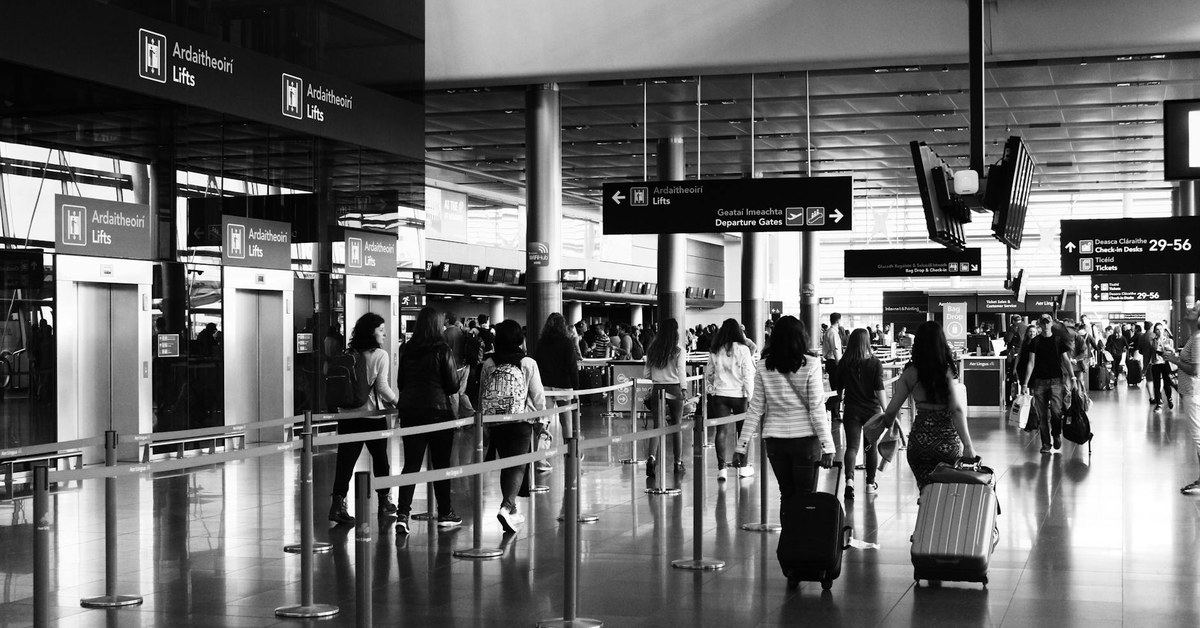
Airports, train stations, and bus terminals are active environments for pickpockets, who target the distracted, tired traveller managing luggage, navigating unfamiliar spaces, and monitoring departure boards.
What Not to Carry
The most effective defence against pickpocketing is carrying as little of value as possible, and keeping what you do carry in secure locations. Before going out each day, think carefully about what you actually need to carry and leave everything else in your hotel safe.
Carry only the cash you anticipate needing during the day. A full wallet is a significantly more attractive and more costly target than one containing modest daily spending money. Leave large denomination notes, extra credit cards, and any cash or cards you will not need during the day in your hotel safe.
Your passport is your most important document and represents a target of considerable value to thieves (stolen passports have a secondary market in identity fraud). In most situations, a photocopy of your passport or a photograph of it on your phone is sufficient identification for day-to-day purposes. Leave your passport in the hotel safe unless you specifically need to carry it, for example when crossing a border or checking into accommodation.
How to Carry Your Valuables
Where you carry your valuables is as important as what you carry. Certain carrying methods are significantly more secure than others.
Back pockets are the least secure location on your person. Anything in a back pocket is out of your sightline and easily accessible to someone behind you. Front trouser pockets are more secure as you are more likely to notice contact with them, but a zipped pocket is always preferable to an open one.
A money belt worn under clothing is among the most secure options available for protecting cash, cards, and documents. A thief would need to physically reach under your clothing to access a money belt, which is extremely difficult to do unnoticed. The main limitation of money belts is that accessing them in public is slow and draws attention to where your valuables are kept. Use a money belt for items you will not need to access frequently during the day.
A crossbody bag worn in front, with the zip or opening facing your body, is more secure than a backpack or a shoulder bag that can swing behind you. Anti-slash bags, made from cut-resistant material with lockable zips, are available specifically for high-risk tourist environments and provide additional security in particularly active pickpocket areas.
Rucksacks worn on the back are among the least secure bags for an active tourist environment. They are out of sightline, a zip can be opened silently, and the contents can be accessed without the carrier being aware. If you prefer carrying a rucksack, consider wearing it on your front in crowded environments or using a bag with lockable zips.
Your Phone: A High-Value Target
Smartphones have become one of the most frequently targeted items by thieves in tourist areas worldwide, and phone snatching, where a thief grabs a phone from someone's hand and runs, has become a significant problem in many cities. The high resale value of smartphones makes them attractive targets, and the digital access they provide to banking apps, email, and personal data makes them even more valuable to sophisticated thieves.
Be cautious about using your phone in public in areas where pickpocketing or phone theft is known to be active. When using your phone for navigation or photography, be aware of your surroundings. Avoid using your phone when standing near the edge of a crowd or when someone is nearby who has been creating a pretext for distraction.
Enable a strong PIN lock and the remote tracking and wiping function on your smartphone before you travel. If your phone is stolen, you can remotely wipe sensitive data before it is accessed. Contact your network provider to block the SIM and report the IMEI (international mobile equipment identity) number to police, as this helps prevent the device from being used on other networks.
Situational Awareness
Situational awareness, the habit of remaining broadly aware of your immediate environment and the people in it, is the single most effective protection against pickpocketing. This does not mean maintaining constant vigilance or being suspicious of everyone around you. It means being awake to your surroundings rather than entirely absorbed in a map, a conversation, or a screen.
When you feel any unexpected physical contact, pause immediately and check your belongings. Staged bumps, brushes, or contact are frequently the pretext for pickpocketing, and the few seconds immediately following this contact are when theft typically occurs.
Be particularly alert in any situation that creates a crowd focused on a common distraction. Street performers, staged arguments, and apparent accidents that gather a ring of spectators can all be cover for pickpocket operations targeting those absorbed in watching.
If You Are Pickpocketed
If you discover that your wallet, phone, or other items have been stolen, take a moment to assess the full extent of the loss before taking action. You may have lost more than you initially realise, or the loss may be less complete than you fear.
Report the theft to local police as soon as possible and obtain a police report, which you will need for insurance claims. Contact your bank immediately to block any stolen cards. Contact your travel insurer to notify them of the loss and get guidance on next steps.
If your passport was stolen, contact your embassy as soon as possible to begin the process of obtaining an emergency travel document.
Most experienced travellers have a pickpocket story of their own, or know someone who does. It is an occupational hazard of visiting tourist-heavy destinations. The goal is not to prevent all possibility of theft, which is not realistic, but to make yourself a less attractive and more difficult target, to minimise the impact of any successful theft through good preparation, and to respond effectively and calmly if theft does occur.