Playground Safety for Children: What Parents Need to Know
A guide to keeping children safe on playgrounds and in outdoor play spaces, covering equipment risks, supervision guidance, age-appropriate play, and how to respond to playground injuries.
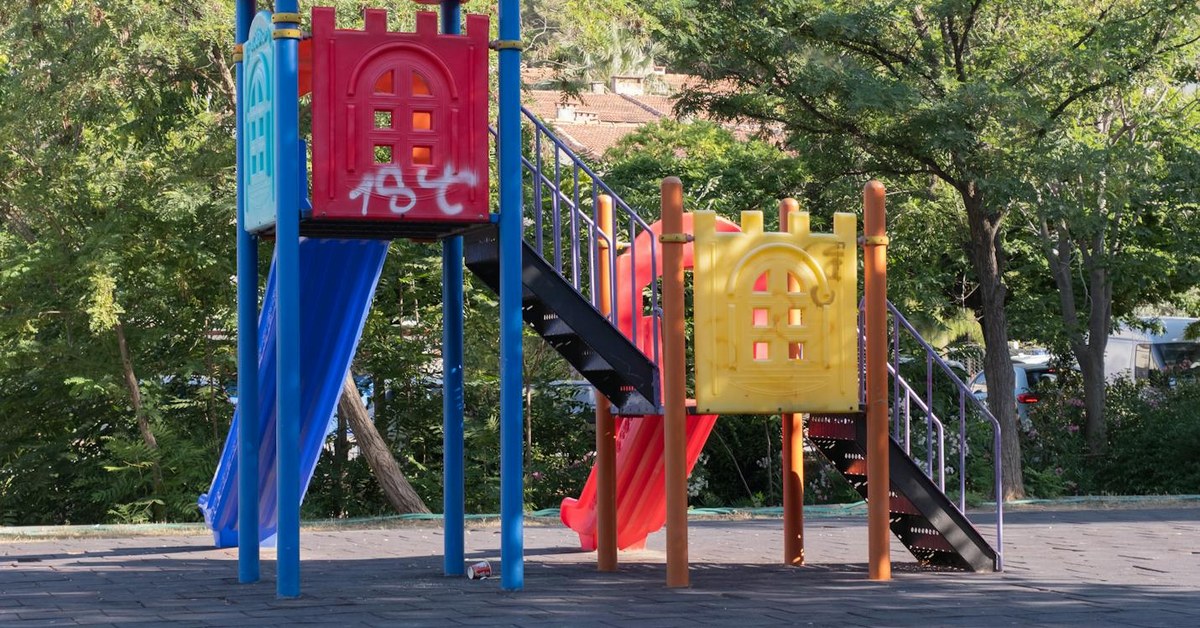

Playground Safety for Children: What Parents Need to Know
“A guide to keeping children safe on playgrounds and in outdoor play spaces, covering equipment risks, supervision guidance, age-appropriate play, and how to respond to playground injuries.”
The Importance of Outdoor Play and Managed Risk
Outdoor play, including playground play, is vital for children physical, social, and emotional development. Children learn through physical challenge: climbing, jumping, swinging, and testing limits all develop balance, coordination, strength, and self-confidence. Managed risk, allowing children to encounter challenges that are within their capability and from which they can learn, is a healthy part of childhood and should not be eliminated in the pursuit of perfect safety.
At the same time, playgrounds do carry genuine hazards, and some playground injuries are serious. Understanding the specific risks and how to mitigate them allows parents to support their child play confidently while reducing the likelihood of harm.
Common Causes of Playground Injuries
Falls are by far the most common cause of playground injuries. Most serious falls involve falling from height onto inadequate surfacing. The greatest risks come from equipment that is: too high for the child age and ability; located over hard surfaces such as concrete or asphalt rather than impact-absorbing material; poorly maintained with broken, sharp, or entrapment hazards; or used in a way the equipment was not designed for.
Entrapment is a less frequent but potentially serious hazard, particularly for young children. Gaps in equipment can trap heads, necks, or limbs. Check that any playground equipment your young child uses does not have openings between 9 and 23 centimetres, as these are the most likely to trap a child head.
Strangulation risk comes from loose clothing items: drawstring hoods, cords, or scarves can catch on equipment. Remove or tuck in these items before your child uses climbing equipment.
Checking the Surfacing
The surface under and around playground equipment is one of the most important safety factors. Suitable impact-absorbing surfaces include: wood chips or bark, sand, shredded rubber, and rubber matting. Concrete, tarmac, and packed earth are not suitable surfaces beneath climbing and play equipment.
The surfacing should extend at least 1.8 metres beyond the edge of equipment on all sides, and further for swings: at least twice the height of the swing pivot in front and behind.
Check that loose fill surfaces such as wood chips and sand are maintained to adequate depth and are free of debris, broken glass, or contamination.
Age-Appropriate Equipment
Playground equipment is generally designed and labelled for specific age ranges. Using equipment designed for older children is a common cause of injury in younger ones. As a guide:
- Equipment designed for ages 2 to 5: lower heights, smaller and simpler structures, gentle gradients
- Equipment designed for ages 5 to 12: greater height, more complex challenges, equipment requiring more physical coordination and strength
Even within age-appropriate equipment, individual children vary enormously in their physical development and readiness for different challenges. Follow your child lead and support rather than push them toward challenges they are not yet ready for.
Hot Equipment in Summer
Metal slides and climbing frames can reach extremely high temperatures on sunny days, capable of causing skin burns in seconds, particularly on young children with sensitive skin. Check the temperature of metal equipment surfaces with your hand before allowing young children to use them on hot days. Plastic equipment generally heats less but can still become uncomfortably warm.
Supervision Guidelines by Age
- Under 3: Close, hands-on supervision at all times. Children this age have limited awareness of danger, limited physical coordination, and cannot reliably interpret risk.
- Ages 3 to 5: Active supervision: watch closely, stay within quick reach, and be ready to assist. Children this age can use age-appropriate equipment more independently but still need an adult nearby.
- Ages 5 to 7: Watchful supervision: remain nearby and visible, but you do not need to shadow every movement. Be aware of what your child is doing and with whom.
- Ages 8 and above: General supervision from a seated position is usually appropriate, with attention given to any change in situation or distress.
Teaching Children Playground Behaviour
Teach children basic playground safety rules from the time they begin using equipment: one at a time on slides and climbing structures, no pushing near heights, wait for the person in front to move before following, use equipment as it was intended. Framing these as rules that protect everyone, including them, rather than arbitrary restrictions, helps children understand and respect them.
Responding to Playground Injuries
Most playground injuries are minor: cuts, bruises, and scrapes that can be treated with basic first aid. Seek medical attention promptly for: head injuries involving loss of consciousness, confusion, or persistent vomiting; suspected broken bones; deep lacerations; or any injury you are uncertain about. A child who has a fall from height should be assessed carefully even if they seem initially unaffected, as symptoms of head injury can be delayed.